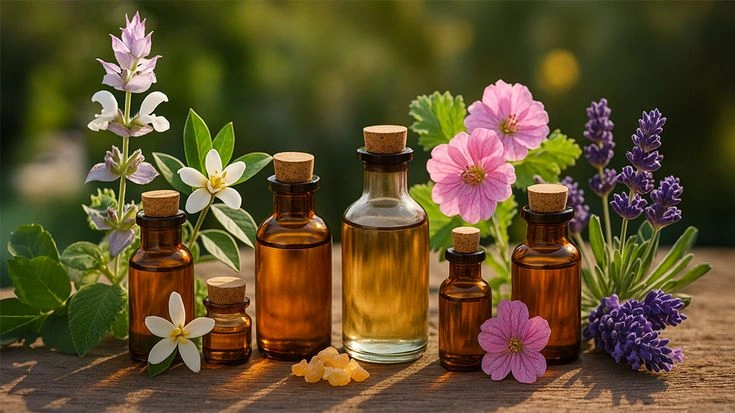
Have you ever wondered why you’re drawn to a particular favorite Flower? Maybe you always stop to admire a sunflower, fill your home with fresh tulips, or choose roses for every special occasion. While everyone has different tastes, our favorite flowers often reflect the qualities we admire or naturally connect with.
For centuries, flowers have carried symbolic meanings across cultures. They have been used to express love, friendship, gratitude, hope, and even courage when words were not enough. This tradition, often called the language of flowers, continues to influence bouquets, weddings, celebrations, and personal gifts today.
Although your favorite flower cannot scientifically define your personality, it can offer an interesting glimpse into your preferences, values, and outlook on life. The flower you love most may represent characteristics you already possess or qualities you aspire to develop.
In this guide, you’ll discover the personality meanings behind some of the world’s most popular flowers and learn what your favorite bloom might say about you.
Quick Answer
Your favorite flower may reflect the personality traits, emotions, or values you naturally connect with. For example, rose lovers often appreciate loyalty and romance, sunflower fans tend to be optimistic and outgoing, while people who love lilies usually value peace and elegance. These meanings come from long-standing cultural symbolism rather than scientific personality research, making them a fun and meaningful way to explore your preferences.
What Is Flower Personality Meaning?
Flower personality meaning is the idea that different flowers symbolize different human qualities. This tradition has existed for hundreds of years and appears in literature, art, folklore, and gift-giving customs around the world.
One of the best-known examples comes from the Victorian era, when flowers were used to send messages without speaking. A carefully chosen bouquet could express affection, admiration, sympathy, or gratitude depending on the flowers included.
Today, many people still enjoy learning about flower symbolism because it adds personal meaning to favorite blooms. Whether you’re choosing flowers for yourself or someone else, understanding their traditional meanings can make the experience more thoughtful.
It’s important to remember that flower personality meanings are symbolic rather than scientific. They should be viewed as a fun way to reflect on your character instead of a psychological assessment.
Why Do Flowers Reflect Personality?
People often choose flowers based on emotion rather than logic. The colors, fragrance, shape, and memories associated with a flower can create a lasting emotional connection.
Someone who loves bright, cheerful flowers may naturally enjoy positive environments. Another person might prefer elegant white blooms because they appreciate simplicity and calmness.
Cultural traditions also influence these preferences. Over generations, certain flowers have become symbols of specific emotions and personality traits, making them meaningful across different occasions.
While everyone is unique, these symbolic connections remain popular because they encourage self-reflection and help people beautifully express feelings.
What Your Favorite Flower Says About You
Rose The Loyal Romantic
The rose is one of the most recognized flowers in the world. It has long been associated with love, beauty, passion, and devotion. Whether given on anniversaries or displayed in gardens, roses continue to symbolize deep emotional connections.
If the rose is your favorite flower, you likely value meaningful relationships over temporary ones. Loyalty, honesty, and trust are qualities that matter to you, and you often invest time in building strong friendships and lasting bonds.
Rose lovers are also known for appreciating beauty in everyday life. They enjoy thoughtful gestures, memorable traditions, and moments that carry emotional significance.
Different rose colors also have unique symbolic meanings.
| Rose Color | Traditional Meaning |
| Red | Love and passion |
| White | Purity and respect |
| Pink | Gratitude and admiration |
| Yellow | Friendship and joy |
| Orange | Enthusiasm and excitement |
Sunflower The Optimistic Leader
Sunflowers are instantly recognizable because of their bright yellow petals and impressive height. Their natural tendency to follow the sun has made them a symbol of positivity, hope, and resilience.
If you love sunflowers, you’re likely someone who enjoys encouraging others. Friends may describe you as cheerful, dependable, and full of energy. You often focus on solutions instead of dwelling on problems.
People who prefer sunflowers usually enjoy personal growth and welcome new experiences. They are often curious, open-minded, and eager to inspire those around them.
Your positive attitude can make you someone others naturally turn to during challenging times.
Lily The Calm Thinker
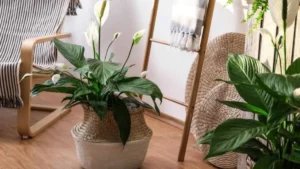
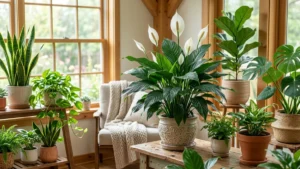
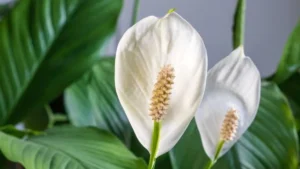
Lilies are admired for their graceful appearance and timeless elegance. Across many cultures, they represent purity, renewal, dignity, and peace.
If lilies are your favorite flowers, you probably value balance and emotional stability. You’re thoughtful when making decisions and prefer meaningful conversations over unnecessary drama.
Rather than seeking constant attention, you often let your actions speak for themselves. People may see you as trustworthy, patient, and dependable.
Lily lovers also appreciate beauty that feels refined rather than extravagant. Whether in home décor, fashion, or relationships, you tend to value quality over quantity.
Tulip The Honest Optimist
Tulips are simple, colorful, and full of life. They bloom in spring, making them a symbol of fresh beginnings, happiness, and renewal.
People who love tulips are often warm, approachable, and dependable. You probably enjoy spending time with family and close friends, and you value sincerity over appearances.
You’re practical when facing challenges but still maintain a hopeful outlook. Others appreciate your ability to stay grounded while encouraging those around you.
Tulip lovers rarely seek the spotlight. Instead, they prefer genuine connections and everyday moments that bring lasting happiness.
Orchid The Creative Individual
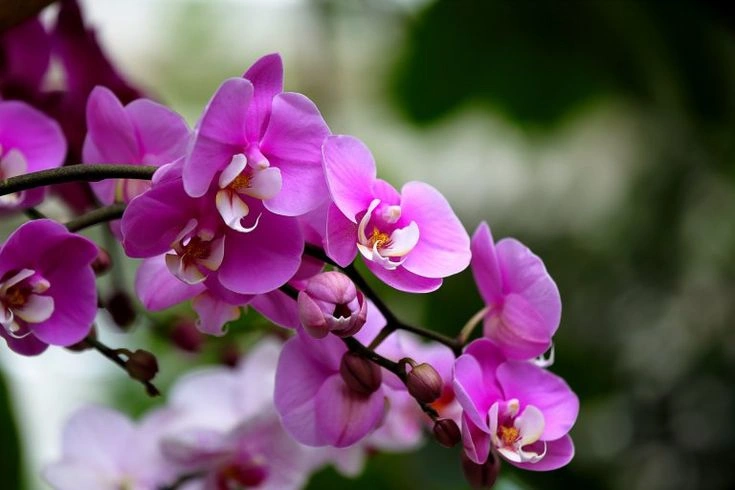
Orchids are admired for their unique shapes and remarkable diversity. They have traditionally symbolized elegance, beauty, creativity, and strength.
If orchids are your favorite flower, you may enjoy expressing yourself in original ways. You’re naturally curious and appreciate learning about new ideas, cultures, or artistic pursuits.
People often see orchid lovers as independent thinkers who enjoy standing out without seeking unnecessary attention. You value authenticity and prefer quality over trends.
Although you may appear reserved at first, those who know you well often discover a thoughtful, loyal, and imaginative personality.
Flower Personality Comparison
| Flower | Personality Traits | Symbolic Meaning |
| Rose | Loyal, loving, passionate | Romance and devotion |
| Sunflower | Cheerful, confident, optimistic | Hope and positivity |
| Lily | Peaceful, graceful, thoughtful | Purity and renewal |
| Tulip | Honest, kind, dependable | Happiness and fresh beginnings |
| Orchid | Creative, elegant, independent | Beauty and uniqueness |
The flowers above represent some of the most popular personality meanings, but they are only part of the story. Many other blooms, including daisies, lavender, peonies, jasmine, and cherry blossoms, also carry rich symbolism and reveal different aspects of personality.
Daisy The Joyful Optimist
Daisies are often associated with innocence, happiness, and fresh beginnings. Their simple white petals and bright yellow centers have made them symbols of honesty and optimism in many cultures.
If the daisy is your favorite flower, you’re likely approachable and kind. People enjoy being around you because you have a positive outlook and make others feel comfortable. You appreciate life’s simple pleasures and don’t believe happiness always comes from expensive or complicated things.
Daisy lovers often value sincerity over appearances. They prefer genuine friendships and tend to avoid unnecessary conflict whenever possible.
Lavender The Peaceful Soul
Lavender is loved not only for its delicate purple flowers but also for its calming fragrance. For centuries, it has been associated with tranquility, healing, and emotional balance.
If lavender is your favorite flower, you probably enjoy peaceful surroundings and meaningful moments of quiet. You’re patient, compassionate, and often the person friends turn to when they need advice or reassurance.
You likely appreciate routines that help you feel grounded, whether that’s reading, gardening, walking outdoors, or spending time with loved ones.
Peony The Warm Heart
Peonies have long symbolized prosperity, romance, honor, and good fortune. Their large, layered blooms make them a popular choice for weddings and celebrations.
If you love peonies, you’re likely generous and caring. You enjoy celebrating other people’s successes and often make friends feel valued through thoughtful gestures.
Peony lovers usually balance ambition with kindness. While you may work hard to achieve your goals, you also understand the importance of family, friendships, and creating happy memories.
Jasmine The Compassionate Friend
Jasmine is admired around the world for its small white flowers and sweet fragrance. In many traditions, it represents love, purity, affection, and hospitality.
If jasmine is your favorite flower, you may have a gentle and thoughtful personality. You care deeply about the people close to you and often notice how others are feeling before they say anything.
You value trust and emotional honesty. Rather than having many acquaintances, you usually prefer a smaller circle of meaningful relationships.
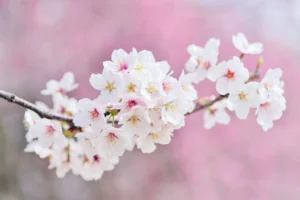
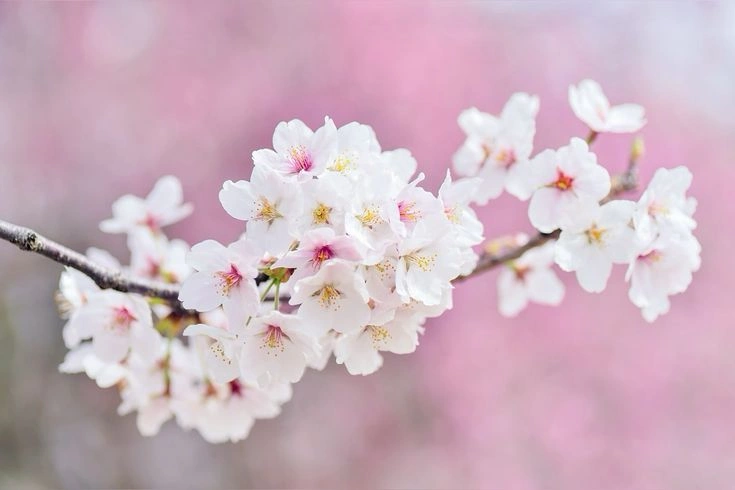
Cherry Blossom The Appreciative Dreamer
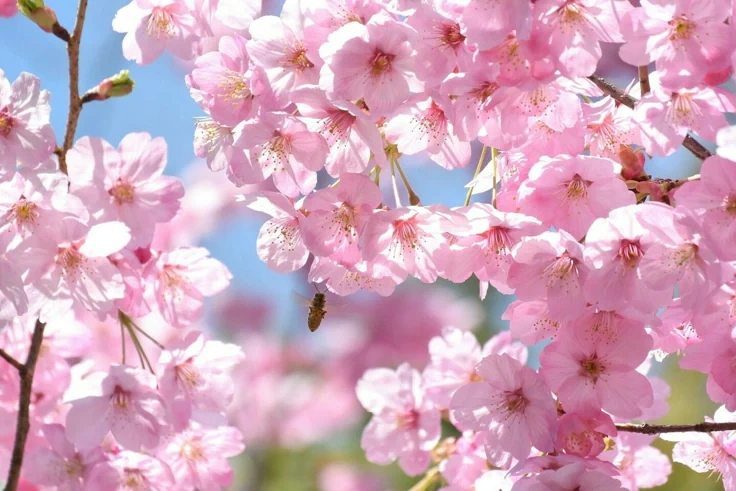
Cherry blossoms are closely associated with spring and the brief beauty of nature. Because their blooms last only a short time, they symbolize the importance of appreciating the present moment.
If cherry blossoms are your favorite flowers, you likely enjoy reflecting on life’s experiences. You understand that change is natural and often try to make the most of each opportunity.
People who love cherry blossoms are often creative, hopeful, and grateful. They tend to appreciate meaningful experiences more than material possessions.
Flower Personality Comparison Table
| Flower | Personality Traits | Traditional Symbolism | Best Describes Someone Who… |
| Rose | Loyal, romantic, caring | Love and devotion | Values deep relationships |
| Sunflower | Positive, energetic, confident | Hope and happiness | Inspires others |
| Lily | Calm, graceful, thoughtful | Purity and renewal | Prefers balance and peace |
| Tulip | Honest, dependable, cheerful | Fresh beginnings | Enjoys simple pleasures |
| Orchid | Creative, elegant, independent | Beauty and uniqueness | Thinks differently |
| Daisy | Friendly, optimistic, genuine | Innocence and joy | Brings positivity |
| Lavender | Patient, peaceful, compassionate | Calm and healing | Creates harmony |
| Peony | Generous, ambitious, warm | Prosperity and honor | Values family and success |
| Jasmine | Caring, affectionate, loyal | Love and purity | Builds close relationships |
| Cherry Blossom | Reflective, hopeful, appreciative | Life’s fleeting beauty | Lives in the present |
How Flower Symbolism Differs Across Cultures
History, traditions, and cultural beliefs shape flower meanings. While many symbolic associations are widely recognized, some flowers can carry different meanings depending on where you are in the world.
For example, red roses are commonly linked with romantic love in many Western countries. In other cultures, they may also represent celebration, respect, or prosperity.
White lilies often symbolize purity and remembrance. They are frequently seen at weddings in some places and at memorial ceremonies in others, showing how the same flower can express different emotions.
Cherry blossoms hold special cultural significance in Japan, where they represent the beauty of life’s temporary moments. Their annual blooming season is celebrated with festivals that encourage people to appreciate nature and spend time with family and friends.
Understanding these cultural differences reminds us that flower symbolism isn’t fixed. Personal experiences and traditions also shape how people interpret their favorite flowers.
Can Your Favorite Flower Really Describe Your Personality?
Flower symbolism should be viewed as a form of personal reflection rather than a personality test. There’s no scientific evidence showing that a favorite flower can accurately determine someone’s character.
However, psychologists have long recognized that personal preferences often reflect individual experiences, memories, and values. The flowers we’re naturally drawn to may remind us of childhood gardens, family traditions, meaningful celebrations, or places we’ve visited.
For this reason, flower personality meanings can feel surprisingly relatable. They encourage us to think about the qualities we admire and the emotions certain flowers evoke.
Instead of asking whether the symbolism is “true,” it’s more helpful to see it as a creative way to explore what matters most to you.
Expert Tips for Choosing Flowers That Reflect Your Personality
Choosing a favorite flower doesn’t have to be based on symbolism alone. Consider these tips when selecting flowers for yourself or as a thoughtful gift.
- Choose flowers that genuinely make you happy instead of following trends.
- Think about the memories or emotions a flower brings back.
- Consider color as well as the flower itself, since colors often carry their own symbolism.
- Learn about the cultural meaning of flowers if you’re giving them for a special occasion.
- Remember that personal meaning is often more important than traditional symbolism.
The most meaningful flower is usually the one that creates a genuine emotional connection.
Common Misconceptions About Flower Personality Meanings
Many people assume flower symbolism follows strict rules, but that’s not the case.
One common misconception is that liking a particular flower automatically defines someone’s personality. In reality, people choose flowers for many reasons, including fragrance, appearance, memories, or sentimental value.
Another misunderstanding is that every culture interprets flowers the same way. While some meanings are widely recognized, traditions and customs often influence how flowers are understood.
Finally, flower personality meanings shouldn’t be confused with scientific personality assessments. They’re based on symbolism and cultural history rather than psychological research.
When viewed in this light, flower symbolism becomes an enjoyable way to celebrate individuality rather than a set of fixed personality labels.
Flower Personality Checklist
Use this simple checklist to discover whether your favorite flower truly reflects your personality. There are no right or wrong answers it’s simply a fun way to compare your preferences with traditional flower symbolism.
| Question | Yes | No |
| Do you naturally gravitate toward the same flower every time? | ☐ | ☐ |
| Does your favorite flower remind you of a happy memory? | ☐ | ☐ |
| Do you like the symbolic meaning behind your favorite flower? | ☐ | ☐ |
| Would you choose this flower for your home or garden? | ☐ | ☐ |
| Do its colors match your personal style? | ☐ | ☐ |
| Do you enjoy learning about flower symbolism? | ☐ | ☐ |
| Would you give this flower as a meaningful gift? | ☐ | ☐ |
If you answered “Yes” to most of these questions, your favorite flower likely represents qualities and emotions that resonate with you on a personal level.
Frequently Asked Questions
Does your favorite flower really reveal your personality?
Not in a scientific sense. Flower personality meanings are based on symbolism, cultural traditions, and personal interpretation rather than psychological research. They are best viewed as a fun way to reflect on your preferences and values.
Which flower represents kindness?
Daisies, jasmine, and peonies are commonly associated with kindness, compassion, and warmth. Their symbolism often reflects generosity, sincerity, and genuine care for others.
Which flower symbolizes confidence?
Sunflowers are widely recognized as symbols of confidence, optimism, resilience, and positive energy. Their bright appearance naturally represents encouragement and strength.
What flower represents creativity?
Orchids are often linked with creativity, originality, elegance, and individuality. People who love orchids usually appreciate artistic expression and unique ideas.
Why do flowers have symbolic meanings?
Flower symbolism developed over centuries through folklore, literature, religion, and cultural traditions. During the Victorian era, flowers were even used to communicate emotions without words, creating what became known as the “language of flowers.”
Can my favorite flower change over time?
Yes. Personal preferences often evolve with age, experiences, and different stages of life. A flower that once represented happiness may later be replaced by another that reflects new memories or personal growth.
Are flower meanings the same in every country?
No. While some flowers have widely accepted meanings, symbolism varies across cultures and traditions. Understanding the cultural background of a flower can provide a richer appreciation of its significance.
Conclusion
Flowers have always been more than beautiful plants. They carry stories, traditions, and symbolic meanings that have connected people for generations. Whether it’s the timeless romance of a rose, the cheerful optimism of a sunflower, the graceful elegance of a lily, or the peaceful charm of lavender, every flower offers a unique perspective on the qualities we admire most.
Although flower personality meanings are not based on science, they remain meaningful because they encourage self-reflection. The flowers we’re drawn to often remind us of special memories, loved ones, favorite places, or values that matter most in our lives.
Instead of asking whether your favorite flower perfectly describes your personality, consider what it represents to you personally. That connection is often more meaningful than any traditional symbolism.
The next time someone asks about your favorite flower, you’ll know that your answer can reveal more than just your taste in blooms it can tell a story about the qualities you appreciate and the person you strive to be.