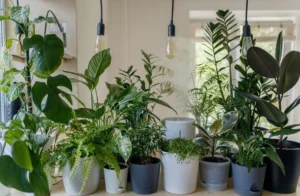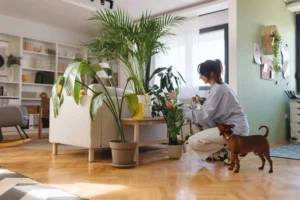
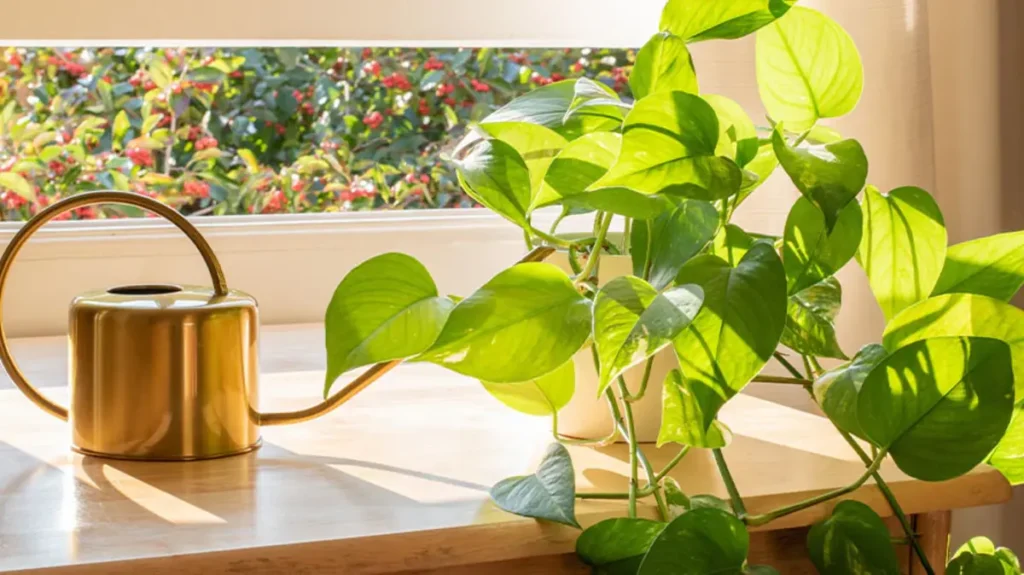
Fast growing indoor plants like Pothos, Heartleaf Philodendron, Spider Plant, and Tradescantia can quickly transform any space into a lush green corner. With bright indirect light, regular watering, and proper fertilizing, these plants grow rapidly and stay healthy. Ideal for beginners, they are hardy, low-maintenance, and perfect for creating a vibrant indoor jungle.
A living plant will do wonders for transforming that cold, empty corner of a room. Are you sick of staring at bland walls and are hoping to turn your house into an oasis, but haven’t won a lot for plant growth ascends? You need fast-growing indoor plants.
If you’re looking to fill your space quickly, you would want to choose species like Pothos, Heartleaf Philodendrons, and Spider Plants that are capable of adding multiple inches of appropriate stem length/foliage in a matter of weeks with just the right conditions! Here at Peeacelily, we have witnessed how the odd strategically placed plant with rapid growth can dramatically reshape the mood of a contemporary apartment or office.
Part of what makes these fast-moving species beautiful is that you get your fix quickly. A slow-growing cactus may look precisely the same for three years, while a vigorous climber will change visibly week-on-week which is gratifying in terms of progress.
Why Speed Matters in Interior Plant Styling
A plant is often defined as the “living furniture” in the interior design world. But a plant, unlike a sofa or a bookshelf, is dynamic. Opt for fast-growing indoor plants, and you have a piece of decor that grows along with your living space. And within one year’s time, what is a little pot up on a shelf today can be a dramatic floor-to-ceiling vine next year.
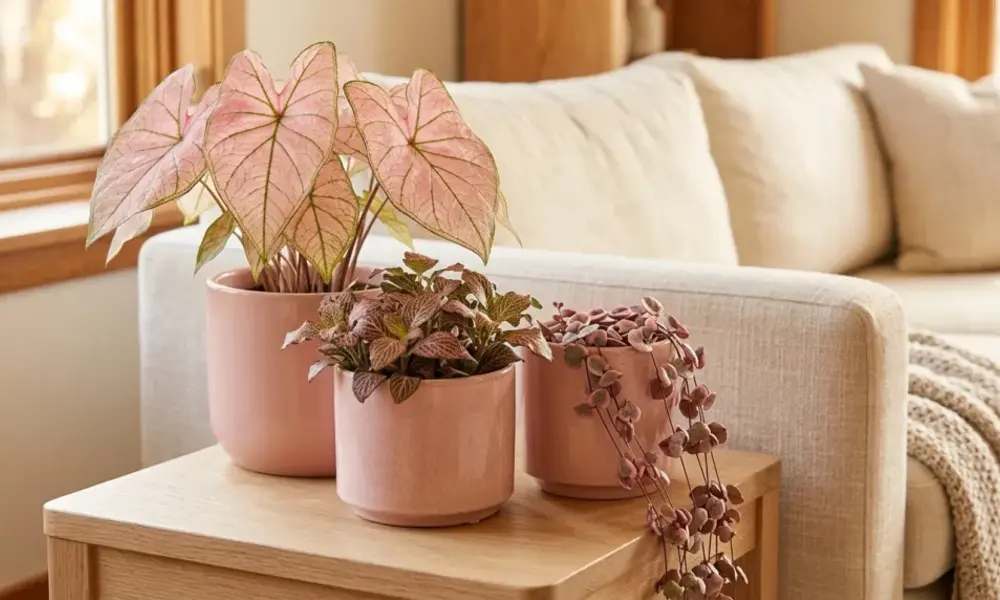
This concerns growth individually contributes to air purification. In general, the faster a plant grows the more “active” its photosynthesis and transpiration are. Resulting in increased oxygen production and a better filter for common household toxins. When you are just starting out on your journey, what rookie indoor plants should you seek out that scream health with every new leaf?
The Top Contenders for Rapid Greenery
Not all plants are created equal when it comes to their “miles per hour.” Some species are biologically programmed to scramble upward or outward as quickly as possible to find light in their native rainforest environments.
The Undisputed King: The Pothos (Epipremnum aureum)
If there was a race for indoor foliage, the Pothos would take the gold medal every time. It is one of the most resilient and fast growing indoor plants available to the public.
In a single growing season, a healthy Pothos can trail down several feet, creating a “curtain” of green. It is also widely considered one of the best indoor plants beginners can start with because it is incredibly forgiving of irregular watering and low light.
The Heartleaf Philodendron
Similar in appearance to the Pothos, the Philodendron Hederaceum is another speed demon. Its heart-shaped leaves emerge quickly, often with a slight reddish tint before turning a deep, waxy green.
These plants are excellent for “filling space” because they can be easily trained to climb a moss pole or allowed to spill over the sides of a high cabinet. At Peeacelily, we often recommend low light houseplants, this variety for people who want a lush, tropical look in a shorter timeframe.
How to Maximize the Growth Rate of Your Plants
Even the most vigorous species will stall if they don’t have the right fuel. If you want your fast growing indoor plants to reach their full potential, you have to optimize their environment to mimic their natural habitat.
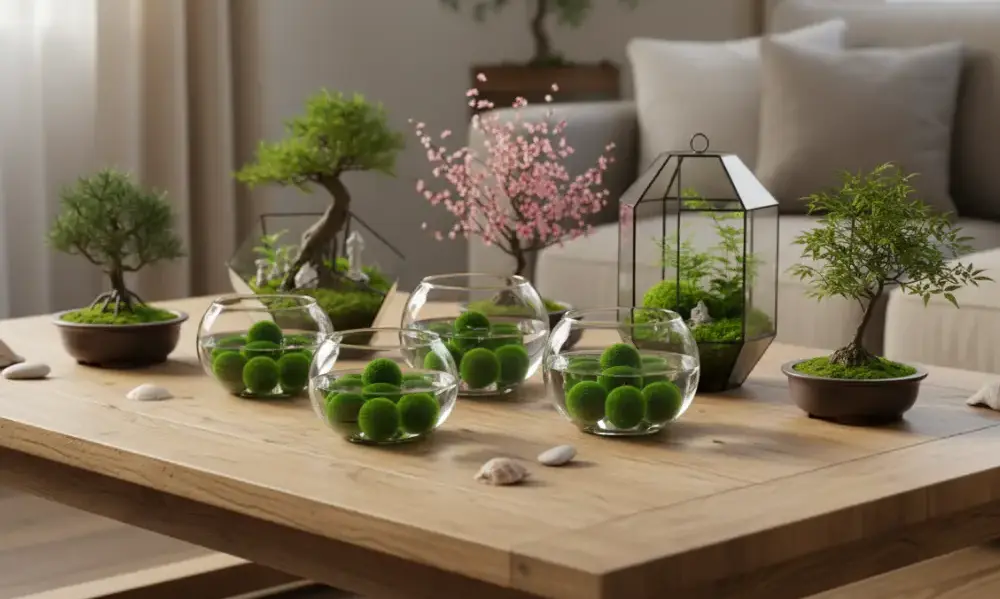
The most critical factor is light. While many of the best indoor plants beginners love are marketed as “low light,” this usually means they will survive in low light, not thrive. If you want to see aggressive growth, move your plants into bright, indirect light. A spot near a north or east-facing window is usually the “sweet spot” where they get plenty of energy without the leaves getting scorched by the afternoon sun.
Proper nutrition is the second pillar of speed. During the spring and summer months, your plants are working overtime. Providing a balanced, water-soluble fertilizer every two to four weeks gives them the nitrogen and minerals they need to build new stems and leaves. Without this boost, even a Pothos will eventually slow down as it exhausts the nutrients in its potting soil.
| Plant Name | Growth Habit | Light Preference | Expected Speed |
| Golden Pothos | Trailing / Climbing | Bright Indirect to Low | 12+ inches per month |
| Spider Plant | Arching / Clumping | Bright Indirect | Produces “pups” rapidly |
| Tradecantia Zebrina | Trailing | Bright Indirect | Very fast (creeping) |
| Swiss Cheese Plant | Climbing | Bright Indirect | Large leaves every few weeks |
| Snake Plant | Upright | Any (prefers bright) | Moderate (steady) |
Creating a Lush Aesthetic with “Fill and Spill”
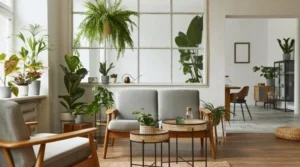
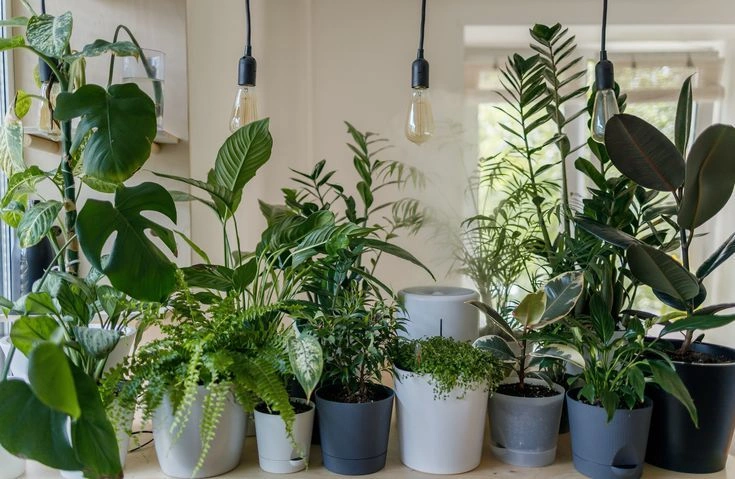
When trying to occupy a large area, it helps to think like a landscaper. You need “fillers” to provide bulk and “spillers” to provide length. Combining different types of fast growing indoor plants creates a multi-dimensional look that feels professional and intentional.
One effective strategy is to place a large-leafed plant, like a Monstera Deliciosa, on the floor as your “filler.” Its massive, fenestrated leaves occupy a lot of visual volume. Then, place a “spiller” like a String of Hearts or a Swedish Ivy on a shelf above it.
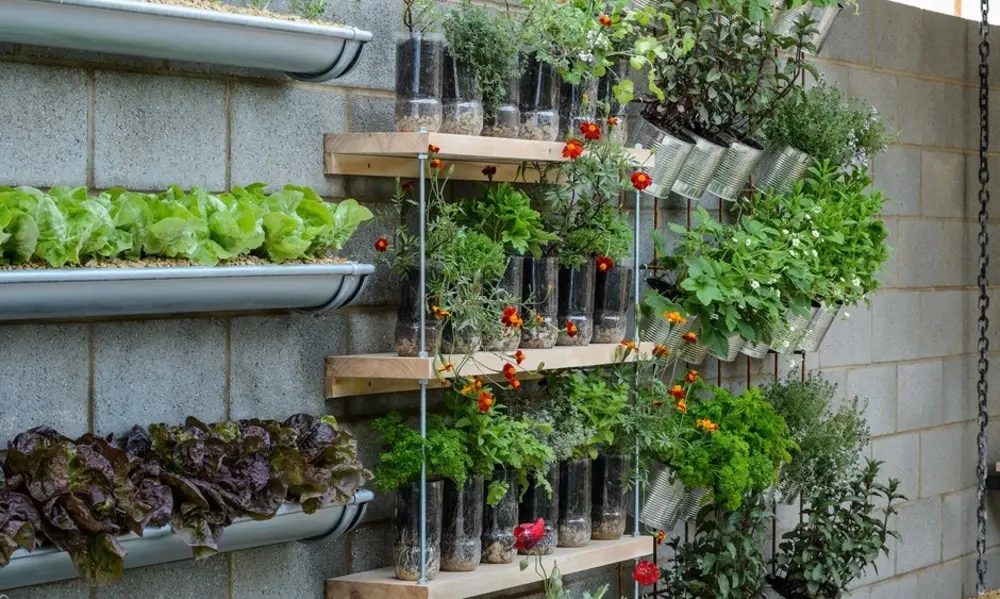
Within a few months, the two will begin to meet, creating a wall of greenery. For those looking for the best indoor plants beginners can use for this effect, sticking to the “easy-care” vines ensures the display stays healthy with minimal effort.
The Best Indoor Plants Beginners Should Try First
If you are new to the world of horticulture, the pressure of keeping a living thing alive can be daunting. The trick is to choose plants that are “hard to kill” but “easy to love.” The following species are the best indoor plants beginners can use to build their confidence while quickly populating their home.
- The Spider Plant (Chlorophytum comosum): This plant doesn’t just grow leaves; it grows babies. Within a year, a mature Spider Plant will send out long runners with miniature versions of itself hanging off the ends. It’s a fantastic way to get “free” plants to fill even more space in your house.
- The ZZ Plant (Zamioculcas zamiifolia): While slightly slower than a Pothos, the ZZ plant is virtually indestructible. It grows in bursts of bright green stalks that eventually darken. It’s perfect for those who travel often or occasionally forget to water.
- The Snake Plant (Sansevieria): Known for its architectural, sword-like leaves, the Snake Plant is a steady grower. It adds height to a room and is famous for being one of the most efficient air purifiers in the bedroom.
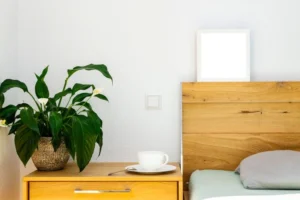
- The Peace Lily (Spathiphyllum): At Peeacelily, this is obviously our namesake favorite. It grows lush, dark green foliage and beautiful white blooms. It is a communicative plant—it will wilt slightly when it’s thirsty, making it a great teacher for new plant owners.
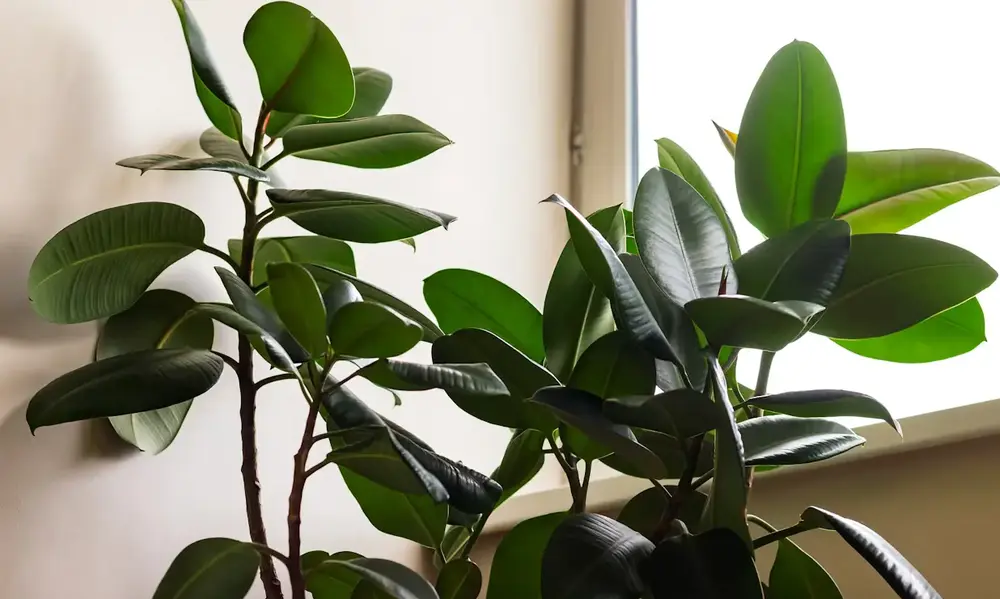
- The Rubber Tree (Ficus elastica): If you want a “tree” look quickly, the Rubber Tree is the way to go. In a bright corner, it can grow several feet in a single year, providing a bold, dark-leafed focal point.
Maintenance: The Secret to Sustained Speed
A common mistake with fast growing indoor plants is letting them become “root bound.” Because they grow so quickly, their root systems often outpace their pots. Every spring, check the bottom of your pots; if you see roots circling or poking out of the drainage holes, it is time to move up to a slightly larger container.
Pruning is another essential tool. It might feel counterintuitive to cut a plant you want to grow, but “pinching back” the ends of vines actually encourages the plant to branch out and become bushier. Instead of one long, thin vine, you’ll end up with three or four thick stems. This is a pro-tip for managing the best indoor plants beginners often let get too “leggy” or thin over time.
Troubleshooting Common Growth Issues
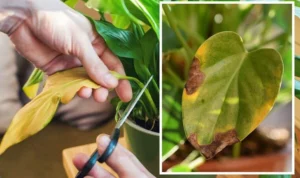
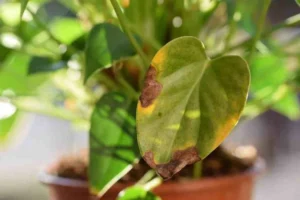
Even with the best intentions, you might find your greenery stalling. Usually, the plant is trying to tell you something. If the leaves are turning yellow and falling off, you might be overwatering, which leads to root rot. If the space between the leaves is becoming very long and the plant looks “stretched,” it is “reaching” for more light.
For fast growing indoor plants, a sudden halt in production usually means the soil is depleted. Refreshing the top few inches of soil with high-quality compost or worm castings can provide a natural jumpstart. Remember, at Peeacelily, we always advocate for “preventative care”regularly dusting the leaves allows the plant to breathe and photosynthesize at maximum efficiency.
Summary of the Rapid Growth Strategy
Transforming your home into a jungle is a marathon, but with fast growing indoor plants, it feels more like a sprint. By prioritizing high-velocity species like Pothos and Philodendrons and providing them with ample light and nutrients, you can achieve a “mature” garden look in a fraction of the time.
Start with the best indoor plants beginners find most successful, like the Spider Plant or the Snake Plant, to build your skills. Don’t be afraid to prune, repot, and experiment with placement. With a little bit of patience and the right selection from Peeacelily, your living space will be overflowing with vibrant, healthy greenery before the season is even out.
Frequently Asked Questions
Which indoor plant grows the fastest?
Golden Pothos grows very quickly. Heartleaf Philodendron and Tradescantia are also fast growers.
How do I make my plants grow faster?
Give bright indirect light, regular fertilizer, clean leaves, and enough root space.
Are fast growing plants harder to care for?
No, many fast growers are hardy and recover well from neglect.
What are the best beginner indoor plants?
Snake Plant, ZZ Plant, and Pothos are easy, resilient choices.
Can fast growing plants live in low light?
Yes, but growth slows and plants may become leggy. Medium to bright light works best.