Mastering seasonal blooms means planting flowers that thrive in each season for year-round color. From spring tulips and summer zinnias to autumn mums and winter hellebores, smart timing keeps gardens vibrant indoors and outdoors. The guide covers successive planting, seasonal care tips, indoor flowering plants, and low-maintenance blooms to create a beautiful garden in every season.
Think about walking out to your garden or looking out at your planter on the windowsill and being met with a riot of colour, no matter what month it reads on the longtime calendar. So mastering seasonal blooms is about synchronising your planting with Earth’s natural rhythm.
You can fill your garden with tulips for spring colour if you plant these bulbs in the fall, heat-loving zinnias in summer and hardy pansies for a cozy autumn. At Peeacelily, we believe there is never a month that does not present an opportunity for growing beauty, whether it be tending an outdoor flower bed or flowering plants inside.
A successful garden doesn’t depend on a green thumb but rather on perfect timing. You realise, if you can learn the species needs well enough to ensure that when one flower near your unit fades and dies, another is coming ready to take its place. Instead, it is a perpetual cycle of refreshing that keeps your environment smelling fresh and alive.
The Philosophy of Successive Planting
Professional-looking gardens are built on successive planting. It stops that awful looking “bare patch” from happening when all of your flowers flower at once and then die. By seasonal blooms, we really mean the flowering “peak” time for each plant.
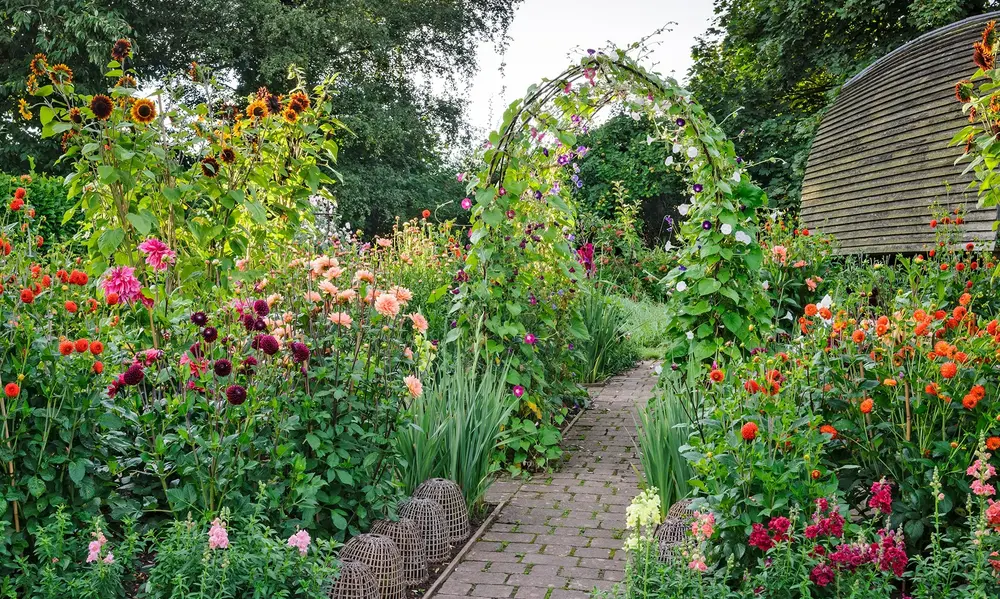
Trend 1: In 2026, gardening is trendier in terms of resilience. Because no one can truly predict the weather from day to day, you really need to select plants that are acclimatised to the seasonal changes of your local climate more than ever. Thus, chemical fertilisers and excessive watering will become less of a necessity since, when carried out correctly, they become a more sustainable and rewarding activity.
Spring: The Great Awakening
While flowers generally no longer have prominence, they are often held in the most revered position during spring. Once the soil begins to warm, life stirs below. This is what you earned last fall.
The Return of the Bulbs
Tulips, Daffodils, and Hyacinths: The harbingers of spring. This is a must-have for the season, as these flowers give big colour with little upkeep after they are established. They flourish in the cool, moist air of early spring and typically wrap up their show well before the heat of June arrives.
Indoor Spring Refresh
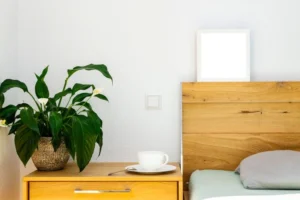
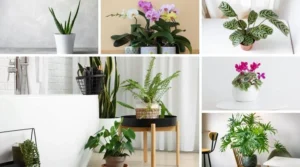
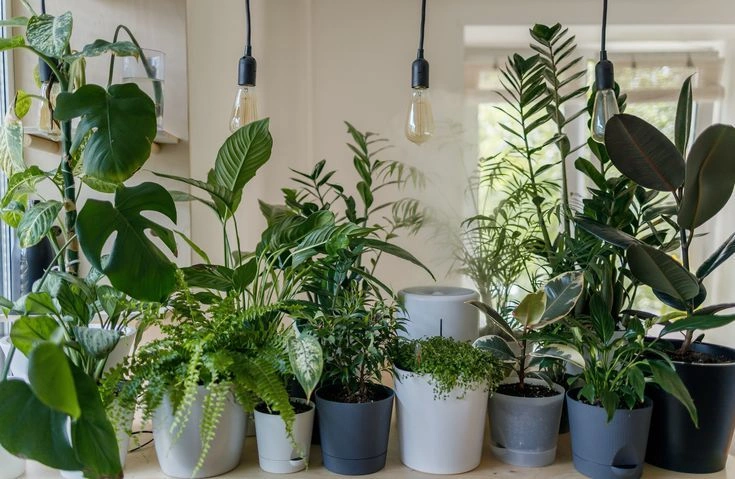
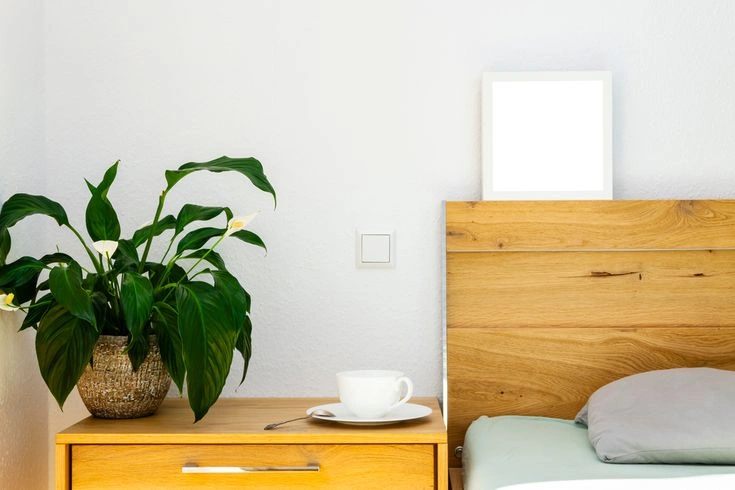
Spring is a perfect time to concentrate on flowering plants indoors if your goal is bringing the outside in. Peace Lilies and Anthuriums also enter into their heavy blooming cycles around now. They value the growing hours of day, and can also give a warm glow to a room in those last weeks before outdoor gardening is really up and running.
Summer: The Season of Heat and Vibrancy
Gardening in the summer is a test of endurance. The days are long, and the sun is strong, so you need plants that can take the “bake”.
Heat-Tolerant Showstoppers
In the flower garden tips, Zinnias and Marigolds are the workhorses. They enjoy the heat and in fact, bloom better when temperatures soar.
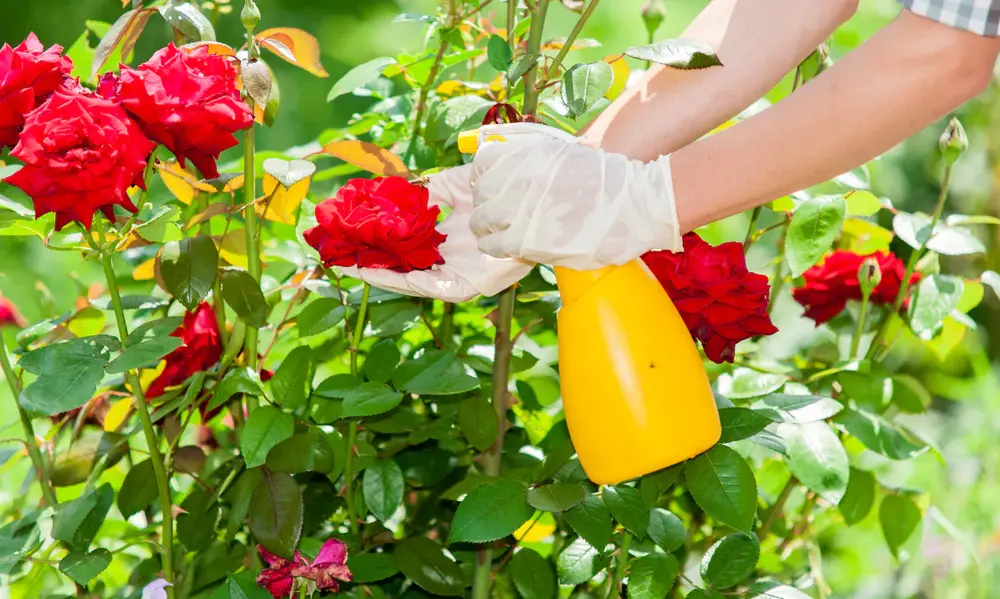
Regularly deadheading (removing discarded flowers) will go a long way to keep these seasonal blooms looking their best. This instructs the plant to continue investing energy in new flowers instead of making seeds.
Summer Care for Indoor Varieties
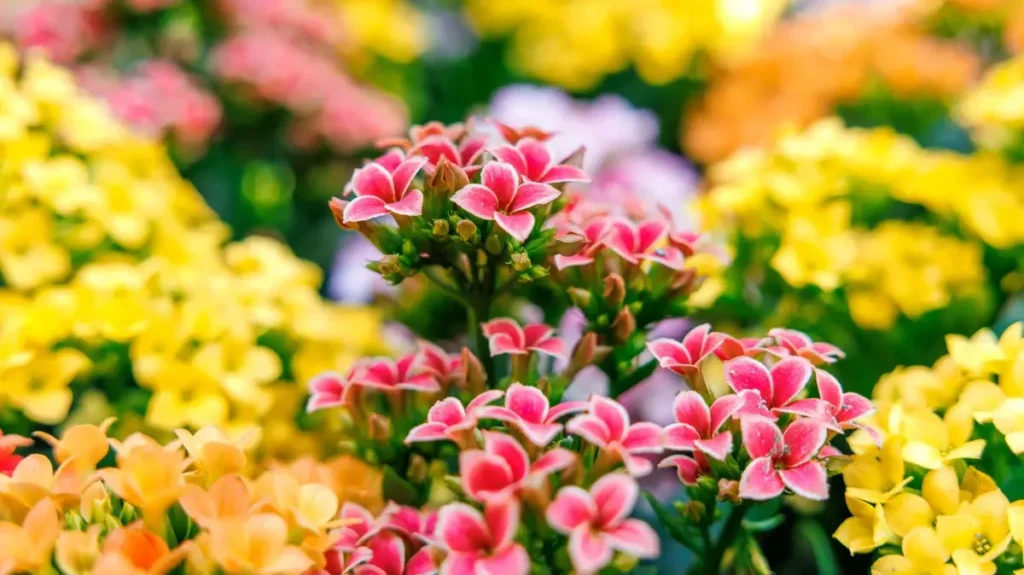
In the summer, indoor flowering plants may struggle with the drying effects of air conditioning. African Violets and Begonias are the easiest plants to have over the summer if your windowsill is a prime place for sunshine, but they require protection from early afternoon direct sunlight.
Keep these plants in bright indirect light with flower garden tips, where they will remain hydrated, keeping their colours throughout summer’s hottest months.
| Season | Best Outdoor Plant | Light Requirement | Watering Frequency |
| Spring | Tulip / Daffodil | Full Sun to Partial Shade | Moderate |
| Summer | Zinnia / Marigold | Full, Intense Sun | High (Daily in heat) |
| Autumn | Pansy / Chrysanthemum | Partial Sun | Moderate |
| Winter | Hellebore / Camellia | Shade to Partial Sun | Low |
Autumn: The Final Burst of Gold and Rust
As the air turns crisp, many gardeners think the season is over. In reality, autumn offers some of the most sophisticated textures and colours of the year.
The Power of Mums and Pansies
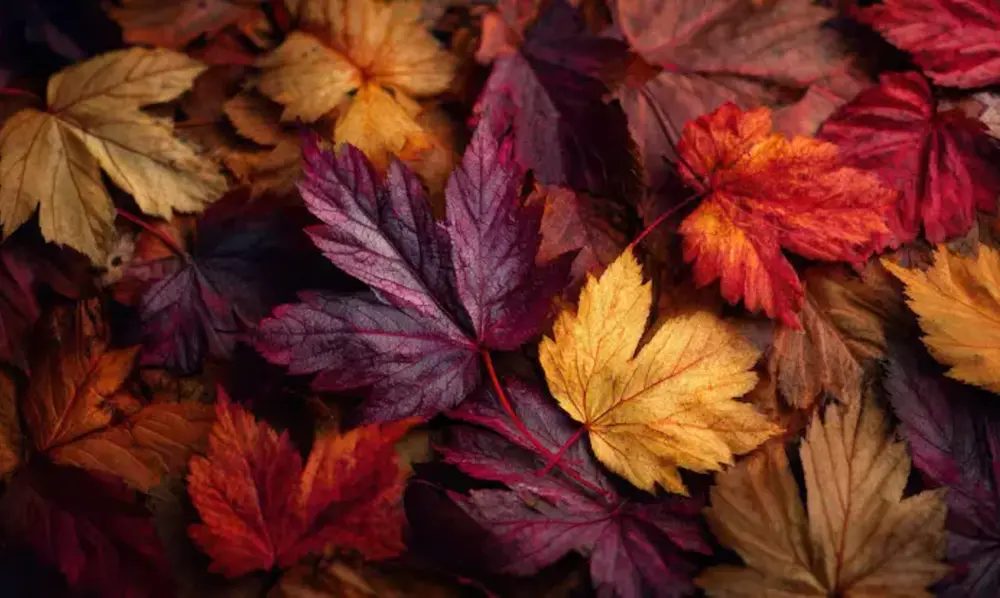
Chrysanthemums (Mums) are the kings of the fall. They offer a dense, mounded shape covered in hundreds of tiny blossoms. When combined with cold-hardy pansies, these seasonal blooms can withstand light frosts that would kill summer annuals. The deep purples, oranges, and burnt sienna tones of autumn flowers perfectly mirror the changing leaves.
Preparing for the Indoor Move
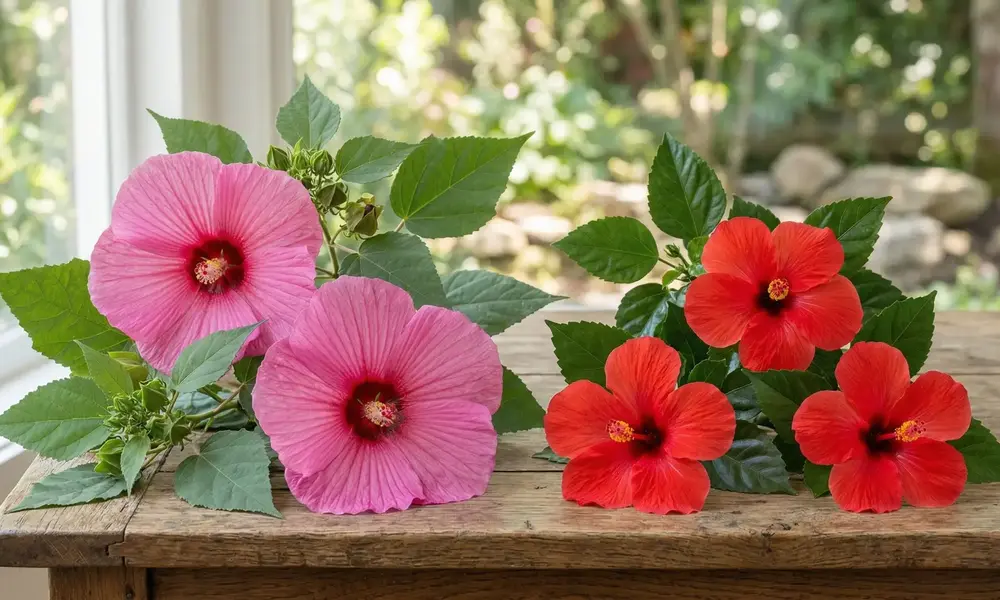
According to flower garden tips, as temperatures drop, many people bring their outdoor containers inside. If you have flowering plants indoors that spent the summer on the porch, check them thoroughly for pests before bringing them into your living room. Hibiscus and Mandevilla can continue to bloom indoors if they are placed in a very sunny south-facing window.
Winter: Finding Beauty in the Quiet
Winter doesn’t have to be a season of brown twigs. With a little planning, your garden can still offer visual interest even during a blizzard.
Hardy Winter Bloomers
Hellebores, often called “Lenten Roses,” are remarkable plants that bloom in late winter, sometimes even pushing through the snow. They are essential for anyone wanting year-round seasonal blooms. Camellias also provide stunning, rose-like flowers in the middle of winter in milder climates, offering a splash of pink or red against glossy evergreen foliage.
The Peak of Indoor Gardening
Winter is truly the time for flowering plants indoor to shine. Amaryllis and Paperwhites are winter classics that are grown from bulbs inside the home. At Peeacelily, we often recommend Cyclamen for winter color; they love the cooler temperatures of a drafty windowsill and produce elegant, butterfly-like blooms for months on end.
Pro-Tips for Maintaining Year-Round Color
Maintaining a garden that never stops blooming requires more than just planting; it requires observation and a bit of “plant editing.”
- Mulch is your best friend: A thick layer of organic mulch protects spring bulbs from sudden freezes and keeps summer roots cool and moist.
- Fertilize with the seasons: Use a phosphorus-heavy fertilizer in the spring to encourage blooming, but pull back in late autumn as plants prepare for their rest.
- Grouping for Humidity: For your flowering plants indoor, group them together in the winter. This creates a tiny humid microclimate that helps them survive the drying effects of indoor heating.
- Know your zone: Always check your USDA Hardiness Zone before buying. A plant that is a perennial “seasonal bloom” in Florida might be a one-season annual in Maine.
- Pest Watch: Winter is the prime time for spider mites on indoor plants. Give your leaves a gentle wipe every few weeks to keep them healthy.
Creating an Integrated Floral Landscape
Some of the prettiest homes are those that maintain a seamless transition from outdoor garden to indoor space. A well-thought-out colour palette for your seasonal blooms that suits the interior decor is a great idea.
If there are cool blues and greys in your living room, then planting white and purple spring bulbs results in a relaxing transition. Summer flowering marigolds, themselves with bright yellow and orange flowers, can mix it up on those sun-drenched patio areas!
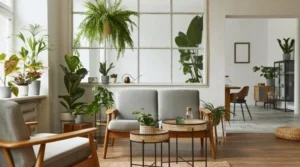
We want gardeners to shake the idea that their plants are accessories and instead think of them as living furniture; stools or tables that change with the seasons to reflect what your house wants at this time.
Summary of the Floral Calendar
The journey to success in the garden. By adapting to the unique characteristics of each season, you can always guarantee a slice of nature’s art within your home.
Spring teases one with the promise of bulbs, summer is a riot of heat-loving annuals, and autumn graces us with the stunning textures of hardy perennials, while winter rewards that patient gardener by offering both indoor and outdoor beauties that can hold their own against whatever Mother Nature throws our way. Whether growing a sprawling backyard or some potted plants indoors, the cadence of seasonal blooms grounds even the most reluctant gardener to Earth in ways hardly any other pastime can offer.
Frequently Asked Questions
What are the easiest flowers for beginners to grow?
Zinnias and Marigolds are beginner-friendly, fast-growing, and low-maintenance. Peace Lilies are also great indoor flowering plants.
Can I grow spring bulbs indoors?
Yes, by “forcing” pre-chilled bulbs indoors. They bloom in late winter before spring arrives.
How do I stop summer flowers from wilting?
Water early morning or evening and use self-watering pots to reduce heat stress.
Why aren’t my indoor plants blooming?
Usually due to low light. Most indoor flowering plants need 6+ hours of bright indirect sunlight.
Is it too late to plant this season?
No. You can plant nursery “starts” anytime for quick seasonal blooms.