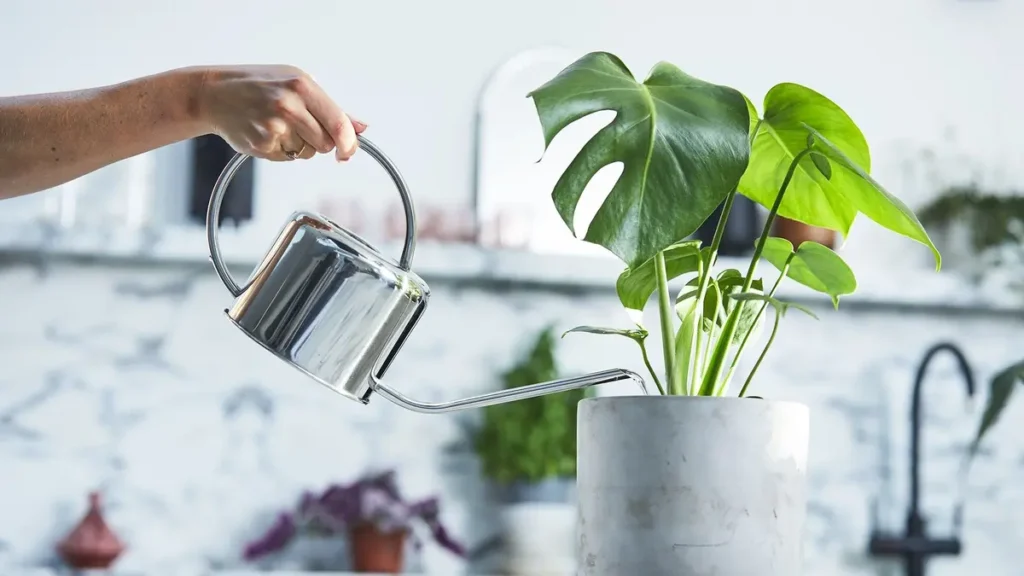
The leading cause of the death of indoor plants is the error of watering. The knowledge of the frequency of watering indoor plants is determined by the type of plant, season, and habitat. This guide describes how often to water indoor plants that can make your plants stay healthy.
Introduction
You also are not alone in the opinions that you have had a plant die on you. It is something that nearly everyone experiences.
The fact of the matter is that, the majority of individuals are not aware of how often to water indoor plants and that is where the matter begins to go wrong.
There are those who over water out of concern, and others who forget and the two can kill your plants. The good thing is that when you know a simple system then taking care of the plants is easy and even fun.
Why Watering Matters More Than You Think
Watering does not only deal with the wetness of the soil. It is directly involved in the growth and absorption of nutrients in your plant as well as its health. Plants get the correct amount of water, therefore, they are well structured, grow well and they remain lively.
Excessive water may however drown roots whereas insufficient water may dry them up. This is what beginners are not good at. When you have this idea you will be half way to solving all your problems with plants.
How Often to Water Indoor Plants (The Right Approach)
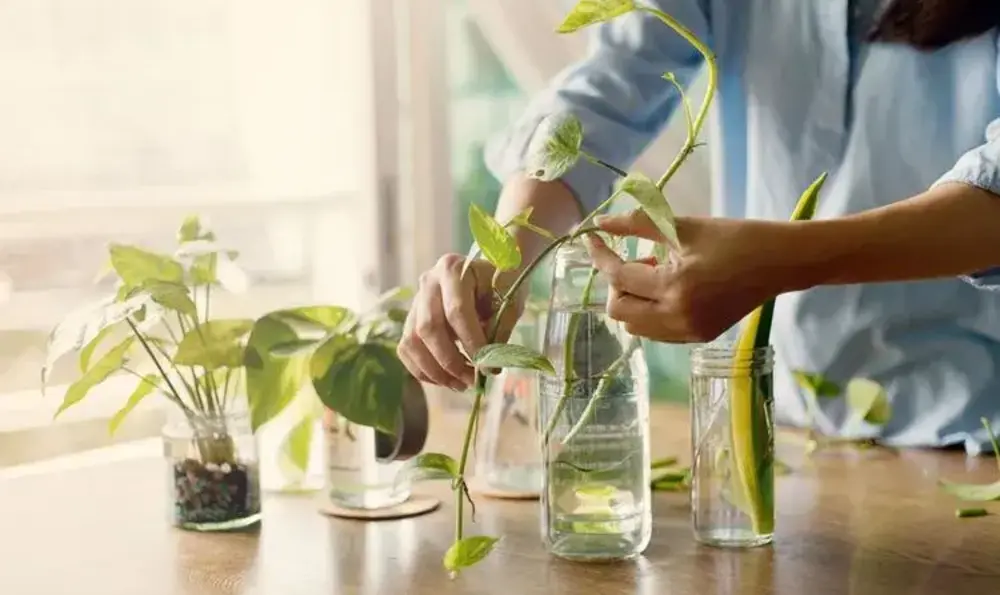
No set of schedules fits every plant, however, there is a basic way in which you can do it.
It is better to pay attention to the state of the soil rather than to the days when one should water crops. Put your finger approximately an inch into the ground. When dry, then it needs to be watered. In case it remains wet, wait 1 or 2 days.
Generally, small plants would require water after every couple of days whereas medium plants would do fine with watering once a week. The bigger the indoor plants, the more time there may be between the watering intervals. Do keep in mind though, these are just but guidelines. The actual watering frequency will always be influenced by your environment, size of pot and type of a plant.
Understanding a Basic Plant Watering Schedule
Various plants react differently and considering them as one is among the greatest errors that people commit.
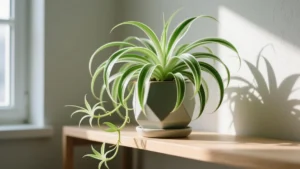
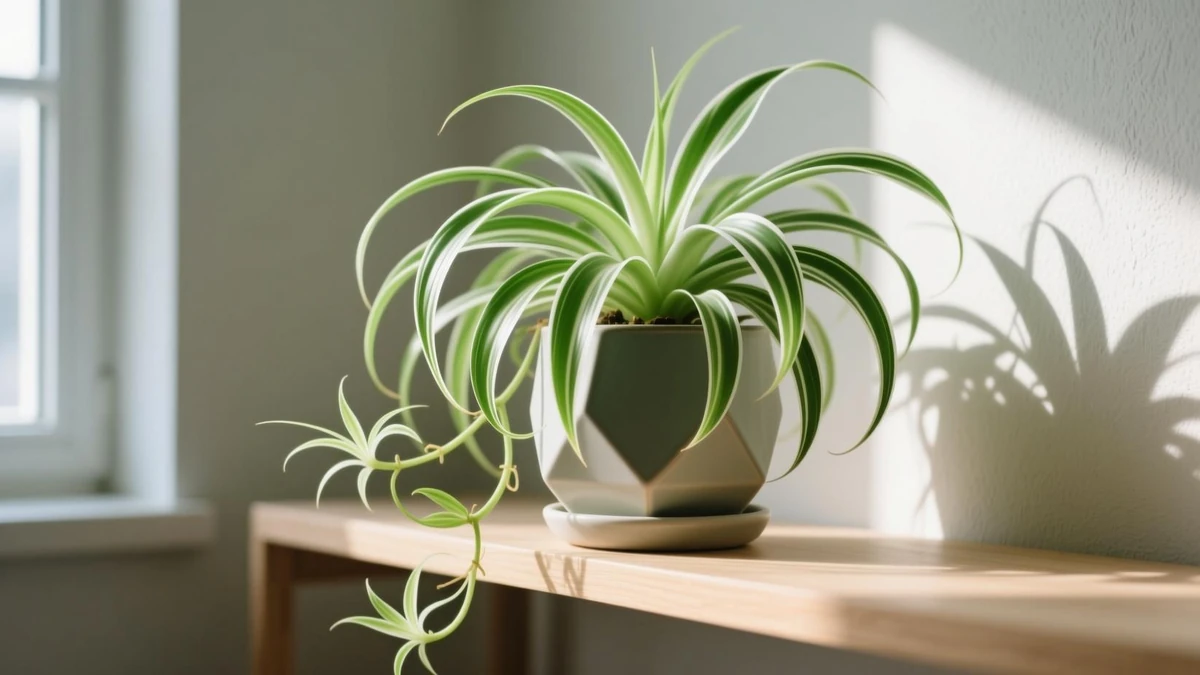
As an example, a snake plant or aloe vera would be able to store water in its leaves thus requiring less watering. Conversely, such plants as peace lily or spider plant are also fond of rather damp soil and might require more frequent care.
Just a basic watering schedule chart of a plant can get you going but after a while, you will be able to notice your plant and no longer keep to a schedule. Your plant will never cease to give signals to you, you only need to know how to read them.
Indoor Plant Watering Mistakes You Should Avoid
The greatest mistake people make in tending to plants is that they give them excessive care, which is in a misguided manner.
Overwatering is one of the largest mistakes one could make. It is the belief that the more water one has, the more he or she grows but the truth is that it results in root rot. Roots require oxygen and excess water will inhibit the flow of air in the soil.
The other overwatering signs plants show are rigid timetable without inspecting the soil. Plants do not work in calendars but they react to their surroundings.
Drainage is also a grave consideration that should be ignored. In case your pot lacks drainage holes, then water will be lying at the bottom and gradually rotting the roots. To deal with this issue, you should have a plant watering schedule chart.
Overwatering Signs Plants Clearly Show
Plants are quite efficient in communicating the presence of something wrong.
Learning to tell when your plant is being over watered, there is a high probability of this happening when the leaves become yellow, stems are soft, or the soil smells bad. In some cases even the surface might get molded.
These are some indoor plant watering mistakes that must not be overlooked. The most appropriate thing to do is to leave the watering process until a few days have passed and the soil has dried up after which one should resume the process of watering.
Seasonal Watering: Plant Watering Schedule chart
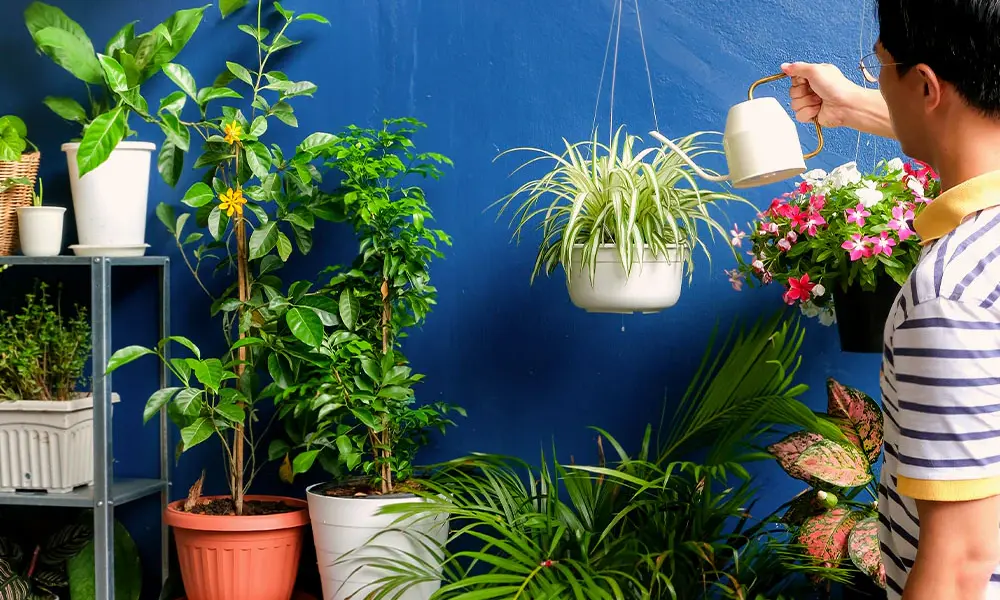
The season is one of the important aspects of care of plants that have been ignored.
The growth rate of plants is rapid and water is lost easily because of heat in summer. It implies that they tend to require higher levels of watering. Nevertheless, it does not imply that the watering process should be done daily, it just requires more frequent checking of soil.
During winter, the growth of the plants reduces. The ground remains damp longer and excessively irrigation becomes very widespread. This is when you are to cut down on the frequency of watering, and be more attentive.
Knowing about changes of seasons will automatically make your watering routine better.
Real-Life Examples
We can consider some of the actual scenarios that are in the lives of many.
A beginner purchases a snake plant and water it once a week since it is the right thing to do. After one month, the plant begins to become yellow and soft. It was not the issue of carelessness but excess water. The plant recovered after watering was decreased to once every 2 3 weeks.
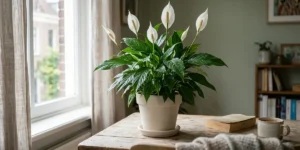
The other example is a peace lily. Its leaves begin to hang and this scares the people most of the time. This is however really the plant requesting water. It is again made fresh in hours after being watered.
The next one is the pothos plant which is one of the most common indoor plants. Most individuals over irrigate it resulting in yellow leaves. Upon watering being regulated and soil drying partially, the plant again becomes healthy.
Best Time to Water Indoor Plants
The time is also a factor in plant health.
Plants should mostly be watered in the morning. It enables the water to take in water and makes the plant ready to the day. Evening can also be used though it should not be watered in the midday since the water evaporates easily and thus, it may not reach the roots.
Simple Pro Tips That Actually Work
Even minor habits can be significant to your routine of taking care of your plants.
Always use pots with holes, which are drained making the water not to gather at the lower part. Attempt to avoid very cold water and use room temperature water, which can cause major shocks to the roots.
By turning your plants every now and then you are guaranteed of even growth of the plants and this is even when they are directly facing a window. And most importantly, never neglect to watch your plant and not just take up what is said by rule.
Trending Topic: Smart Watering Tools
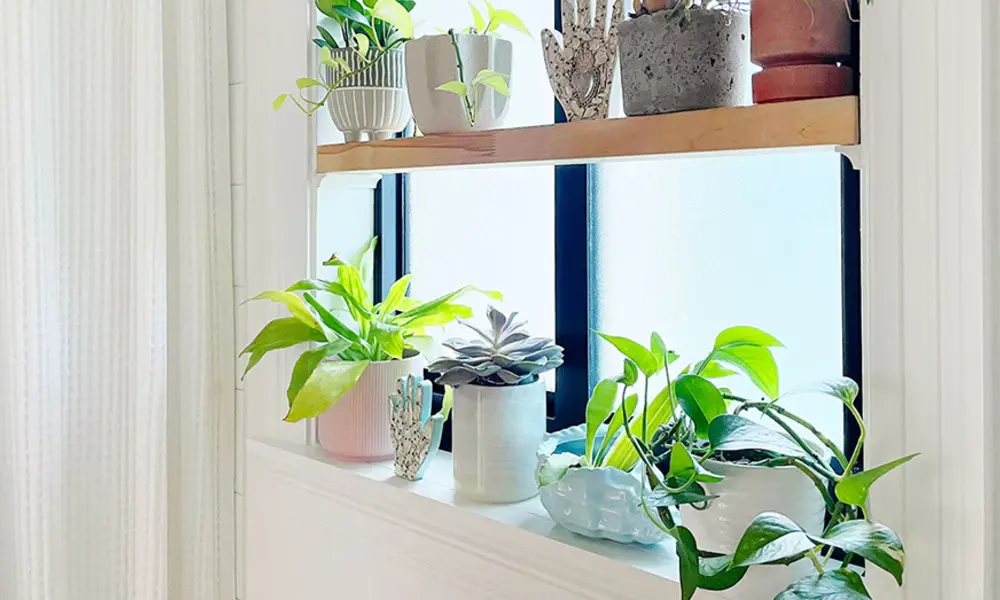
Plant care is more than ever with the modern technology.
The use of moisture meters has become a common practice among many people to ensure that the condition of the soil is checked. Self-watering pots are also gaining popularity, especially among beginners who fail to remember to water the plants on a regular basis.
The plant care apps have a feature of reminding you about your plant even depending on the type of plant. These tools are useful but they must help you supplement your understanding and not supplant it.
Conclusion
It becomes easy to take care of the plants after knowing how often to water indoor plants. There is no need to worry about precise schedules, but keep a watch on your plant and make changes. Once you know watering frequency houseplants, you cease to make assumptions and become a caring person.
Your plants do not require excellence. All they require is focus, discipline and patience. Plants that are healthy grow in the simplest manner and habits. Find out additional tips of plant care at peeacelily.com.
FAQs
How to maintain a indoor plant?
Plants thrive indoors with bright, indirect light, consistent moisture, and high humidity. Water when the top 2–3 inches of soil are dry, and provide a stake or moss pole for support as they are natural climbers.