Thinking about adding some style to your space?
The rubber plant might be just what you’re looking for: trendy, easy-going, and a breeze to care for.
Have you noticed how those shiny leaves and bold shapes really catch your eye?
With just a little care, your rubber plant can climb and flourish for years. If you’re exploring more resilient indoor greenery, you might also enjoy learning about snake plant care. Maybe you’re new to indoor plants, or maybe you’re ready to take your rubber plant game up a notch. Either way, wouldn’t it be great to know exactly what it needs to thrive?
Why are rubber plants so popular with indoor gardeners? They’re made for life inside and barely ever complain. How easy is that?
Take care of your rubber plant and watch it get bigger and greener every year. Who wouldn’t want a houseplant that just keeps getting better?
In order to learn specific facts about the rubber plant, be attached to this blog!
Build a Long-Living Indoor Tree

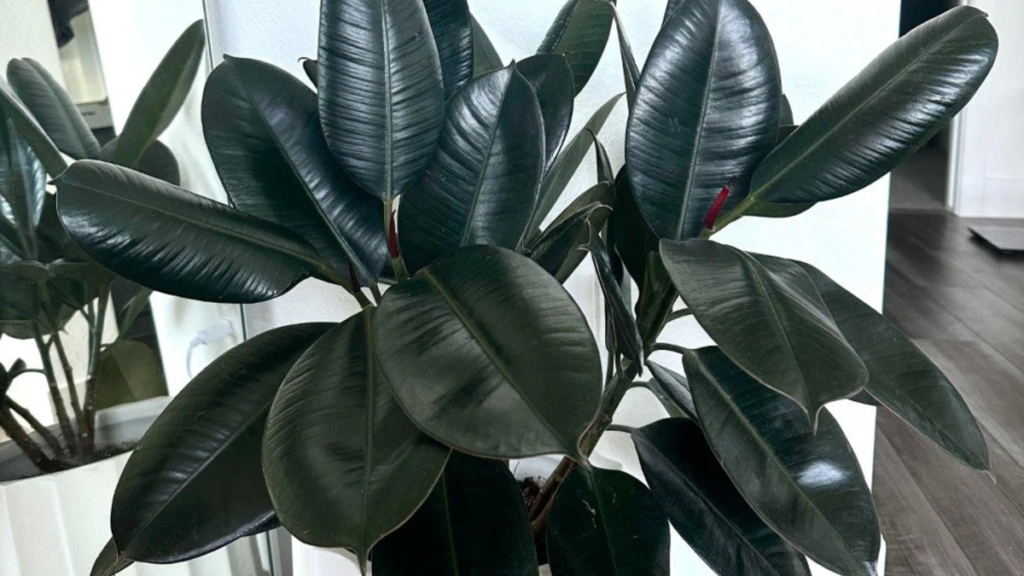
Ficus elastica, or rubber plants, are the scientific names of plants that grow naturally as huge trees in the tropics. They also grow more slowly indoors, reaching 6 to 10 feet over time. Their thick leaves and strong stems can be converted into real indoor trees with proper care.
One of the best is the rubber plant for its longevity. You had better treasure them, or they will have decades of their lives without you. No other option is better than having a plant that grows bigger and bigger every year.
Your space is also made more cosy and lively by rubber plants. For more tall indoor greenery inspiration, explore these beautiful large indoor plants and trees for home styling ideas. Their huge, oversized leaves are eye-catching and create a fresher, healthier atmosphere in the house.
Light and Placement: The Foundation for Strong, Vertical Growth
The two factors that directly influence the health and growth rate of your rubber plant are planting and light. This is achieved through proper positioning, which encourages consistent growth and strong leaf development.
Strong leaves and a tree-like shape need the right light to thrive

Rubber plants should be provided with bright indirect lighting. This is enabled by placing them near windows that receive filtered light, which helps them grow. Direct sunlight can burn leaves, and insufficient light may slow growth.
Optimal conditions of light are:
- Bright, indirect sunlight
- Location near east- or south-facing windows.
- Regular exposure to natural light.
If you’re unsure about positioning your plant, this guide on how much light indoor plants need can help you create the ideal environment.
Healthy leaves can be maintained with the help of good lighting, which supports good ficus elastica care.
Consistent temperatures help your rubber plant live longer
Rubber plants are warm-blooded, growing at temperatures of 16 -27 o C. The plant can be stressed by sudden temperature changes, which can affect its growth.
In order to take good care of rubber plants:
- Avoid cold drafts
- Do not be near heaters and air conditioners.
- Indoor temperatures should be kept at a constant.
Maintaining the right environment is essential for most tropical houseplants, including the beautiful monstera plant care indoors guide you can explore here
The indoor environment for the trees is also stable, supporting their long-term growth and health.
Rubber Tree Watering: The Secret of Healthy roots and Stable growth.
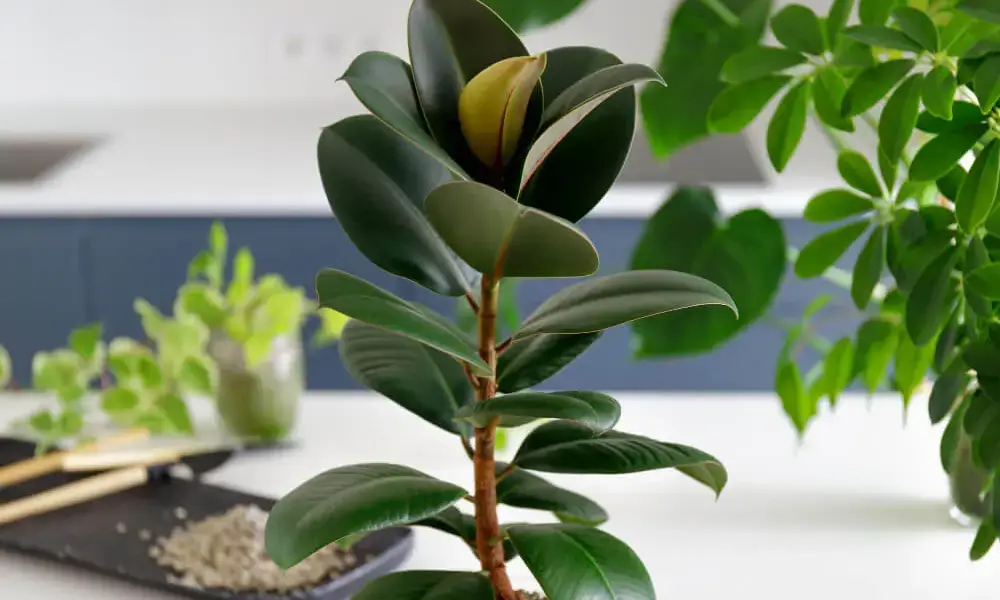
Watering rubber trees is a significant factor in their long life. Rubber plants do not need to be overwatered.
How to Water to Get the Longest Lings and Healthiest Roots
When the top inch of the rubber plant’s soil is dry, water it. This typically requires watering once or twice a week, depending on the environment.
The following are some of the watering tips for important rubber trees:
- This should be checked before watering the soil.
- Do not allow the pot to fill up with water.
- Minimise watering of plants in the colder seasons.
Irrigation enhances well-rooted and sustainable growth.
Recognising Early Signs of Water Stress
Monitoring your plant helps prevent watering problems. The table below shows common watering-related issues:
| Symptom | Cause | Solution |
| Yellow leaves | Overwatering | Reduce watering frequency |
| Drooping leaves | Underwatering | Increase watering slightly |
| Leaf drop | Environmental stress | Maintain stable care conditions |
| Brown edges | Low humidity | Improve humidity levels |
Balanced watering of rubber trees is essential for maintaining healthy indoor trees. If you struggle with watering schedules, check out this helpful breakdown on watering techniques for indoor plants.
Soil and Repotting: Creating a Strong Foundation for Longevity
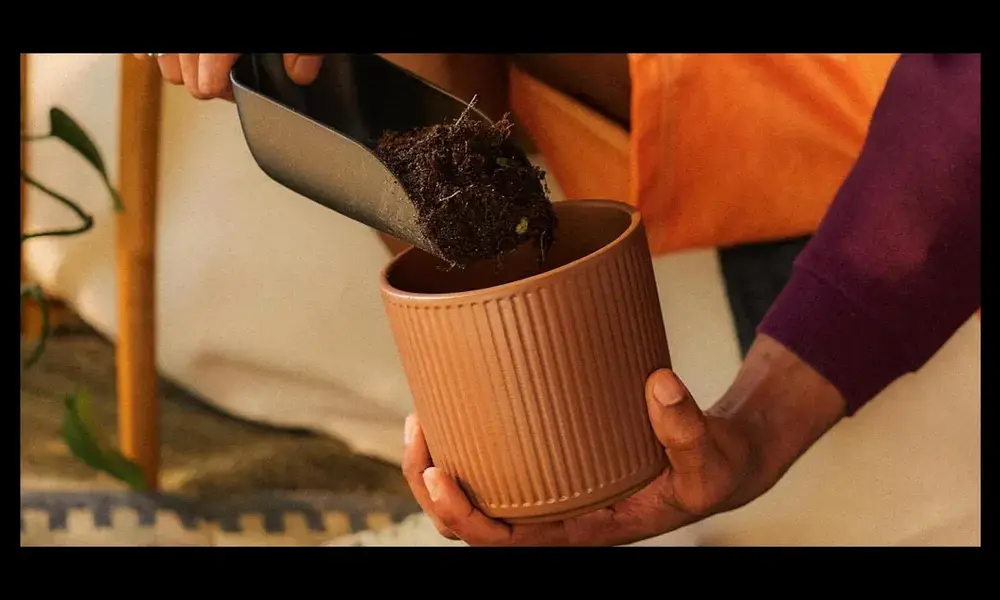
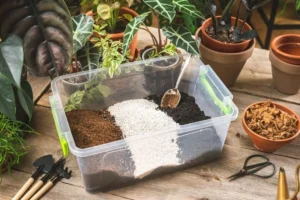
Sound soil promotes plant root tenacity and stability. Rubber plants should also be planted in good soil with good drainage that does not clog easily.
Selecting Soil to Grow Trees in the Long-Term.
High-quality indoor potting mix is used, which is made for houseplants. Proper soil should:
- Retain moderate moisture
- Allow excess water to drain
- Growth provision of nutrients.
Decent soil promotes the successful treatment of Ficus elastica and helps prevent root issues.
How and When to Repot Your Growing Indoor Tree.
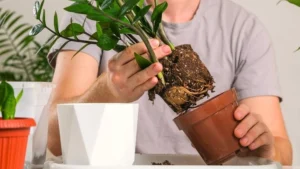
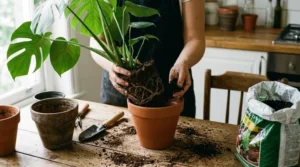
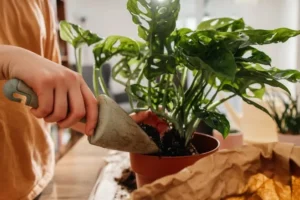
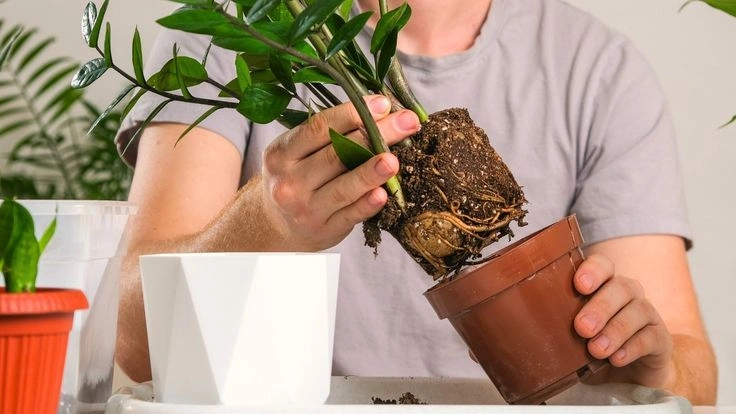
Growing rubber plants can be repotented after every 1-2 years. Repotting is beneficial for preserving and promoting root growth.
Repotting benefits include:
- Improved root expansion
- Fresh nutrient supply
- Better plant stability
It is critical that the roots of the rubber plants are healthy to ensure long-term care. You can also review this practical guide on repotting peace lily to better understand root health and transplant timing.
Feeding Your Rubber Plant to Grow Stronger Leaves and Grow Faster.
Rubber plants are advantageous because they are fertilised frequently during their growth seasons. Fertiliser is a source of the nutrients necessary for the leaves and stems.
Apply a best liquid fertiliser for indoor plants every 4- 6 weeks in spring and summer. Fertilising in winter should also be avoided when the growth is slow.
Nourished feeding supports the long-term care of Ficus elastica and promotes vigorous vegetative growth.
Pruning and Maintenance: Growing an Indoor Tree for Balance.
Trimming plants helps ensure they are not overgrown. Rubber plants need to be pruned; otherwise, they will grow unevenly.
Benefits of pruning include:
- Promoting equitable development.
- Maintaining desired height
- Enhancing the general structure.
Pruning helps develop healthy trees indoors.
Humidity and Air Quality: Healthy Leaf Growth Thesis.
Rubber plants prefer moderate humidity. Very dry air can affect a leaf’s health.
In order to care about the rubber plant properly:
- Mist leaves occasionally
- Have a moderate level of humidity.
- Do not expose oneself to extremely dry environments.
Enough humidity is provided to help the leaves grow well.
Stop rubber plant problems early, before they spread.
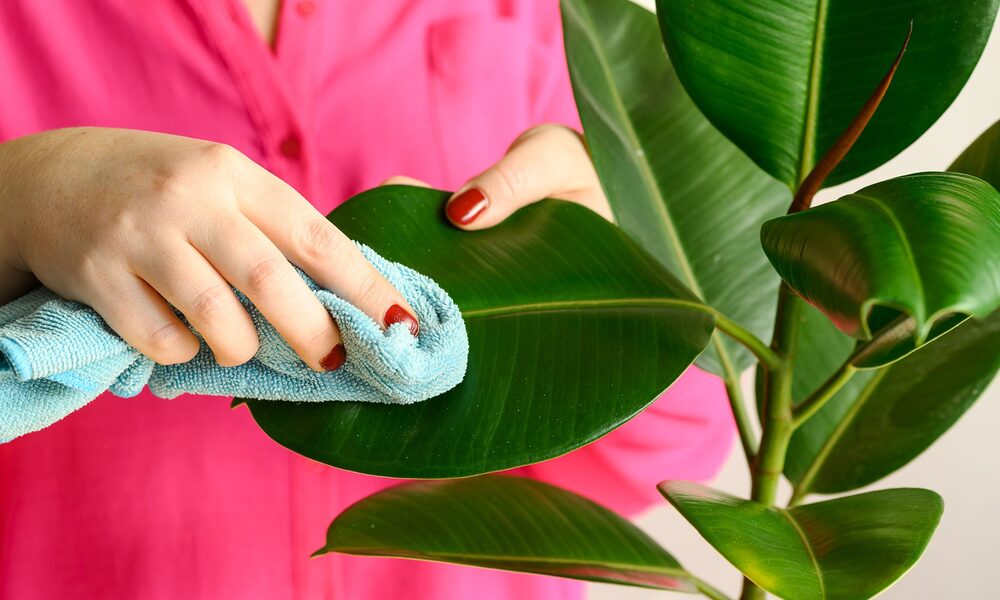
Knowledge of common problems helps preserve plant health.
The Reason and the Method of the Fall of Leaves.
The fall of leaves can be caused either by environmental pressure or poor treatment.
Causes include:
- Sudden temperature changes
- Improper watering
- Environmental instability
Wintering care helps prevent leaf drop.
Repairing Stagnant Growth and Poor Development.
Slow growth may result from:
- Insufficient light
- Lack of nutrients
- Limited root space
Healthy growth is restored by improving care conditions.
The prevention of Pest Damage and Leaf Fall.
Common pests include:
- Spider mites
- Mealybugs
- Scale insects
Frequent cleaning is an effective way of avoiding damage from pests. For a deeper look at common infestations, learn how to identify and treat spider mites on houseplants before they spread.
Rubber plant growth: what to expect
Rubber plants grow gradually over time. Growth depends on care and environment.
| Growth Stage | Expected Development |
| First year | Root and leaf development |
| 2–3 years | Strong vertical growth |
| 3–5 years | Tree-like structure |
| 5+ years | Mature indoor tree |
Consistent care for rubber plants supports steady growth.
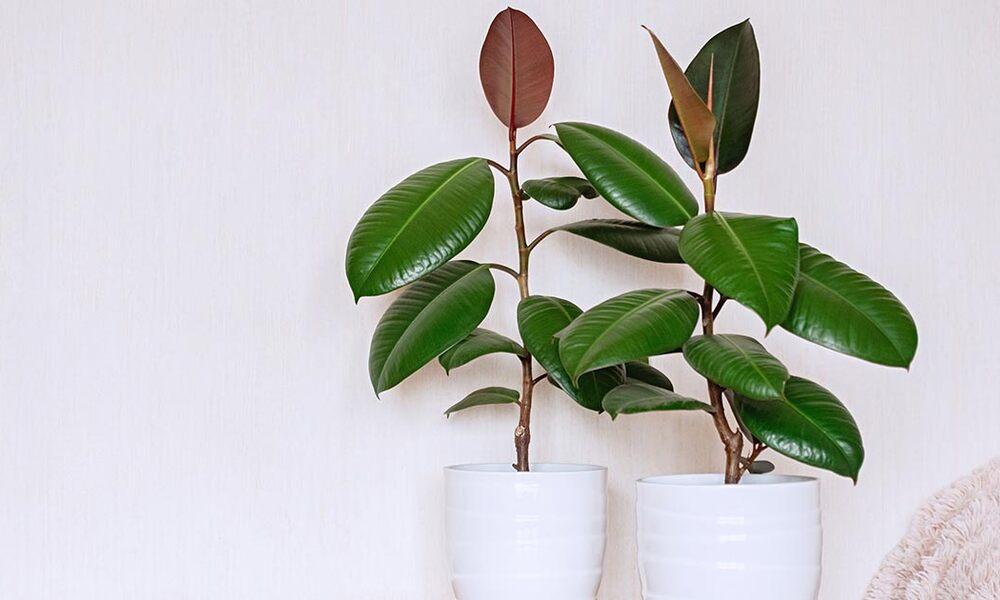
The reason why Rubber Plants are among the most desirable indoor trees to grow in the long run.
Rubber plants are good and long-lasting. They are structured trees and thus the best to use indoors.
Benefits include:
- Long lifespan
- Strong growth
- Attractive appearance
- Easy maintenance
Such characteristics make rubber plants ideal indoor trees.
Maximum Longevity Checklist on Long-Term Care of Rubber Plant
To maintain plant health:
- Provide adequate water to the rubber trees.
- Make sure there is bright, indirect light.
- Use well-draining soil
- Fertilize regularly
- Ensure that the environmental conditions are stable.
These measures facilitate plant growth.
Conclusion
The best indoor trees that grow in the long-run are rubber plants. They will be able to last a long time when they are well taken care of, watered, and taken care of properly in relation to the rubber plants, and the proper care of the ficus elastica.
If you have further queries, visit us, our experts will guide you. If you’re building a collection of easy-care indoor plants, you may also like this complete guide to peace lily care for another long-lasting houseplant option.
FAQs
How do you care for a Rubber Plant indoors?
Rubber plants are easy to care for and can grow quickly under the right conditions. They’re sturdy, tolerant and simple to please. Keep their soil slightly moist, make sure they get plenty of sunshine, and if you’re at a comfortable temperature, they’ll be comfortable too.
What makes a Rubber Plant happy?
They like lots of bright, indirect light – low light leads to leggy growth and dulls their color. Before you water, let the top inch or two of soil dry, then drench the soil and let it drain thoroughly. A happy rubber plant will grow quickly.
How do I make my rubber plant bushy?
Prune the top growth during spring, cutting just above a leaf or side shoot. This will encourage the plant to produce more side shoots, creating a fuller appearance.