
Determining how often pest control should be done depends heavily on environmental conditions, home structure, pest history, and climate. Although many homeowners only consider pest control after seeing insects or rodents, proactive treatment is far more effective. Experts agree that routine pest inspections help eliminate infestations early, prevent structural damage, and create a cleaner indoor environment.
Moreover, consistent pest management supports long-term health because pests such as cockroaches, ants, rodents, and flies carry bacteria that can spread rapidly through homes and commercial buildings.Additionally, today’s pest problems are more complex due to changing weather patterns, increased humidity, and evolving pest behavior.
This is why many professional exterminators recommend quarterly treatments as the ideal schedule. While mild climates may require fewer visits, warmer regions often need monthly or bi-monthly control. Therefore, understanding the right frequency helps homeowners protect their homes, maintain hygiene, and avoid costly repairs caused by avoidable infestations.
Smart Ways to Set Your Service Schedule

Although pest control frequency varies, several influencing factors help determine the ideal schedule. First, homes that previously experienced infestations usually require ongoing maintenance because pests tend to return to former nesting spots.
Second, households with pets, gardens, or nearby vegetation face higher exposure to fleas, ticks, ants, and spiders. Third, seasonal changes strongly impact pest activity, which increases the need for treatments during warmer months.Furthermore, geographical location plays a significant role.
Warm or coastal areas have higher moisture levels that attract termites, mosquitos, and roaches. Older homes with cracks and gaps are also more vulnerable to pests. Therefore, a professional inspection is crucial to set the right treatment schedule.
Finding a Routine That Fits Your Home
Most households benefit from a consistent pest control plan. While needs vary, experts commonly suggest general guidelines to ensure year-round protection.
Recommended schedule includes:
-
Quarterly treatments for standard residential homes
-
Monthly services for severe infestations or high-risk environments
-
Bi-monthly visits for moderate climates and low-risk households
-
Annual termite inspections to prevent long-term structural damage
-
Seasonal add-on services during peak pest months
These schedules ensure timely pest prevention while maintaining hygiene, safety, and long-lasting results.
Pest Control Plans for Commercial Properties
Commercial properties face higher exposure due to foot traffic, food preparation, waste production, and shared walls. Therefore, businesses often require more frequent and specialized treatment plans.
Most common commercial pest control schedules include:
-
Monthly inspections for restaurants, cafés, food storage areas
-
Quarterly treatments for offices, clinics, and retail stores
-
Weekly monitoring for warehouses and high-volume facilities
-
Bi-monthly rodent control for properties near urban centers
-
Seasonal reinforcements during summer and monsoon peaks
These strategies help maintain regulatory compliance, protect customers, and prevent reputation damage.
How Weather and Seasons Affect Pest Control Frequency
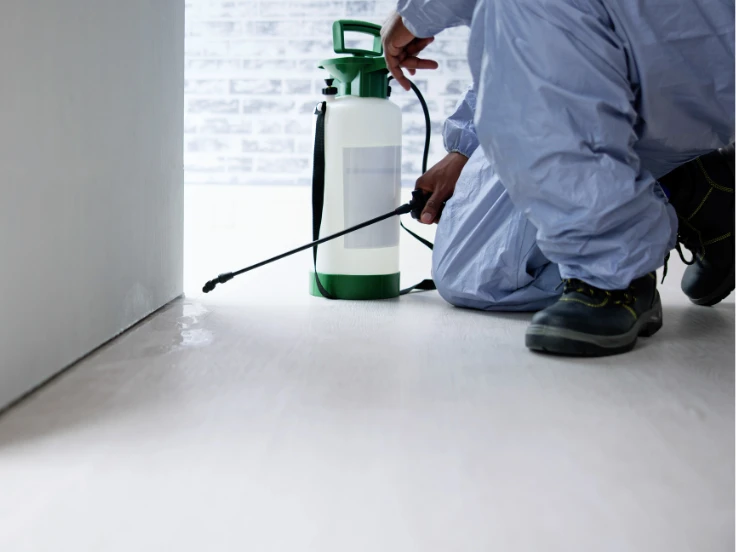
Seasonal changes greatly affect pest behavior and treatment schedules. Warm and wet months boost ant, mosquito, termite, and cockroach activity, requiring more frequent service. Even in colder periods, pests hide indoors, making year-round visits essential.
In addition, changing humidity levels affect pest survival, and many insects thrive when moisture increases. This is why experts emphasize proactive treatments instead of waiting until an infestation becomes visible. As a result, seasonal adjustments keep homes continuously protected.
Does DIY Pest Control Reduce Professional Visit Needs?
Moreover, many DIY methods only provide temporary relief because pests quickly adapt. This inconsistency can lead to recurring infestations. For long-term protection, expert visits remain essential, especially for termites, rodents, and hidden pests that require deeper treatment.
Signs You Need More Frequent Pest Control
When certain signs appear, homeowners should increase the frequency of pest control treatments.
Common indicators include:
-
Frequent sightings of insects or rodents indoors
-
Droppings, wings, grease marks, or unusual odors
-
Increased pest activity after seasonal changes
-
Damage to food packaging, walls, or furniture
-
Pets experiencing itching, bites, or flea symptoms
Early identification of these signs helps prevent a minor problem from becoming a severe infestation.
Benefits of Maintaining a Consistent Pest Control Schedule
Sticking to a regular pest control plan ensures better protection and long-lasting hygiene. Even though many people consider pest control an occasional need, consistent scheduling brings stronger results.
Key benefits include:
-
Preventing recurring infestations and hidden nesting
-
Reducing long-term costs on repairs and emergency treatments
-
Improving indoor air quality and personal comfort
-
Protecting property value and structural integrity
-
Ensuring better health and safety for families and pets
Routine care offers more reliable and sustainable pest prevention.
Why Pest Control Matters When Visiting New Cities
When traveling, people encounter different climates and pest patterns. Observing home maintenance practices in various regions can boost awareness. For instance, those visiting Hamburg places to visit notice that clean, well-maintained spaces help reduce pest activity.
These comparisons help homeowners understand why adopting similar care and maintenance practices improves long-term protection.Therefore, observing different regions encourages better preventive habits and helps families appreciate the importance of routine pest management.
Choosing Your Pest Control Frequency
Choosing the right pest control schedule depends on lifestyle, home size, and surroundings. Homes with children, pets, or gardens often need more frequent treatments, while smaller or low-risk homes may need fewer visits. Still, quarterly professional inspections benefit every household.
Additionally, households that store food in bulk, cook frequently, or live near wooded areas are at higher risk for pests. This makes it crucial to customize treatment frequency rather than relying on a one-size-fits-all approach. Ultimately, the best schedule is the one that ensures year-round protection with minimal disruption.
FAQs
Q1: How often should pest control be done in homes?
Quarterly treatments are recommended for most homes.
Q2: Is monthly pest control necessary?
Yes, especially for severe infestations or high-risk environments.
Q3: Can I skip pest control during winter?
No. Pests hide indoors, making winter treatments essential.
Conclusion
Pest control is not a one-time activity but an ongoing preventive strategy. While quarterly treatments suit most homes, location, weather, lifestyle, and pest activity determine the ideal schedule. Regular services protect health, property, and comfort while preventing recurring infestations. Learn more about pests here.
By staying proactive, homeowners keep pest-free environments, just as visitors enjoy clean spaces at Hamburg sightseeing spots. Learn more about controlling tiny black bugs here. Regular monitoring and preventive care make a big difference in keeping your home pest-free.