Good summer plant protection starts the moment your room gets hot enough that you reach for the AC remote. I learned this the hard way the first summer I owned a Calathea. I set it in a bright south window thinking it would love the sun, and within a week the leaves crisped at the edges like burnt paper.
Summer is strange for houseplants. The season that grows tomatoes outside can quietly cook your indoor greenery. Light gets stronger. Air gets drier. Soil dries out in half the time it did in spring.
This guide walks you through real, hands-on summer plant protection that works for beginners and seasoned collectors. You will get a simple framework, a watering reset, a pest watchlist, and honest product picks.
Key Takeaways
- Summer plant protection means shielding plants from heat stress, harsh light, fast soil drying, and pests that boom in warm weather.
- Move plants back from hot windows, not toward them. Afternoon sun in July can scorch leaves in hours.
- Water deeper but check soil first. Heat tricks people into overwatering.
- Raise humidity for tropical plants. Air conditioning dries the air more than you think.
- Hold off on heavy fertilizing during a heat wave. Stressed plants do not want a big meal.
- Watch for spider mites, thrips, and fungus gnats. They love warm, dry rooms.
What Summer Does to Your Plants
Why do houseplants struggle in summer?
Summer raises light intensity, air temperature, and evaporation rate all at once. This combo stresses roots, scorches leaves, and speeds up pest cycles, so plants need different care than they get the rest of the year.
Here is what changes inside your home.
Light gets harsher: The sun sits higher and stays out longer. A window that gave gentle morning light in March now blasts hot afternoon rays. Direct summer sun can push leaf-surface temperatures well past comfort, and many houseplants are forest understory species that never evolved for that.
Air dries out: Air conditioning pulls moisture from the air. Indoor humidity can drop below 30 percent, which feels great for you and terrible for a tropical Calathea or fern that wants 50 to 60 percent.
Soil dries fast: Warm air and active growth mean pots dry out quicker. A plant you watered weekly in winter might need it twice as often now.
Pests wake up: Spider mites, thrips, and aphids breed faster in warmth. A small problem in June can become an infestation by August.
Knowing these four shifts is the heart of solid summer plant protection. Once you see the cause, the fixes feel obvious.
The Peeacelily Summer Shield Framework
I built this simple model to make summer plant protection easy to remember. I call it the Summer S.H.A.D.E. Framework. Run through it once a week and your plants will sail through the season.
| Letter | Focus | Quick Action |
|---|---|---|
| S | Sunlight | Pull plants back from hot windows. Filter harsh afternoon light. |
| H | Humidity | Group plants, add a humidifier, or use pebble trays. |
| A | Airflow | Keep gentle air moving. Avoid stuffy, baking corners. |
| D | Drink (water) | Check soil first. Water deeply, then let it breathe. |
| E | Eyes on pests | Inspect leaf undersides weekly for mites and thrips. |
You do not need fancy gear. You need a five-minute weekly walk-around with these five letters in mind.
Step-by-Step Summer Care Guidance
Here is the breakdown:
1: Audit Your Light
Walk to each plant in the early afternoon, around 2 to 3 pm. That is when summer light peaks.
If you can feel real heat on the leaves or see a bright hot patch on the soil, the spot is too intense. Move the plant back two or three feet, or hang a sheer curtain. Sheer fabric cuts harsh rays while still feeding light-hungry plants.
South and west windows are the danger zones in summer. East windows stay friendlier. North windows are gentle but may go too dim for sun-lovers.
2: Reset Your Watering
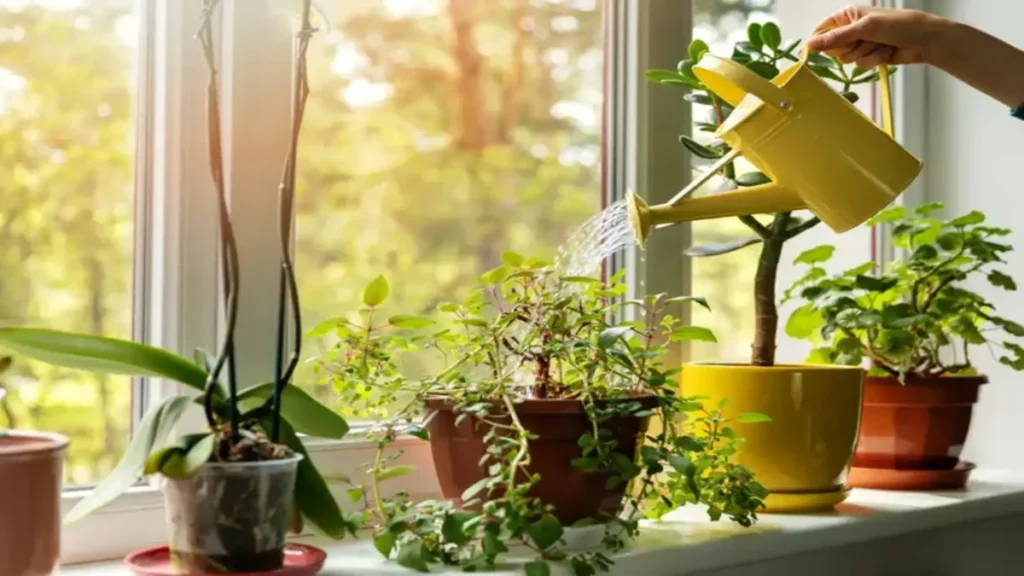
This step saves more plants than any other. Heat makes people panic-water, and overwatering kills more houseplants than drought. Push a finger two inches into the soil. If it feels damp, wait. If it feels dry, water deeply until liquid runs from the drainage holes. Then empty the saucer so roots never sit in water.
Most foliage plants in summer want water when the top third of soil dries out. Succulents and cacti want the soil bone dry first.
3: Lift the Humidity
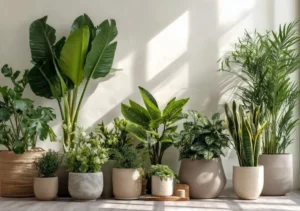
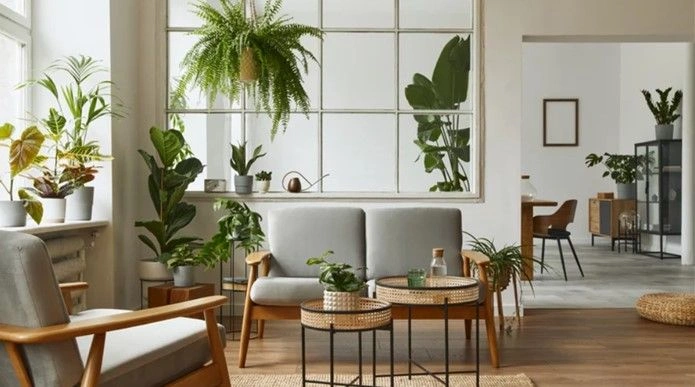
Group your tropical plants together. They release moisture and create a little jungle pocket for each other.
A small humidifier is the gold-standard fix for dry summer rooms with AC running. Pebble trays help a bit too. Skip daily misting as a humidity fix, since it mostly evaporates fast and can invite leaf fungus if leaves stay wet.
4: Move Air Gently
Stagnant hot air stresses roots and breeds fungus gnats. A ceiling fan on low or a small oscillating fan across the room keeps air fresh. Aim for a soft breeze, not a wind tunnel.
5: Hunt for Pests
Flip the leaves over once a week. Look for tiny webs, white speckles, or moving dots. Spider mites show up as fine webbing and a stippled, dusty leaf look. Catch them early and a quick rinse plus insecticidal soap usually clears them. Wait too long and you are fighting a colony.
Summer Watering by Plant Type
| Plant Type | Summer Watering Frequency | Light Preference | Heat Stress Risk |
|---|---|---|---|
| Succulents & Cacti | Every 10 to 14 days, fully dry | Bright, can take some direct | Low |
| Pothos & Philodendron | When top 1 to 2 inches dry | Bright indirect | Medium |
| Calathea & Maranta | Keep lightly moist | Medium, no direct sun | High |
| Ferns | Often, keep evenly moist | Indirect, shaded | High |
| Snake Plant & ZZ | Every 2 to 3 weeks | Low to bright indirect | Very low |
| Peace Lily | When leaves start to droop slightly | Medium indirect | Medium |
Print this or screenshot it. It takes the guesswork out of your weekly summer plant protection routine.
Real Examples of Summer Plant Protection From My Shelf
The scorched Calathea:That burnt Calathea I mentioned? I moved it three feet back from the window and added a humidifier nearby. The new leaves came in flat, green, and unblemished. The crispy old leaves never healed, so I trimmed them. A scorched leaf does not recover, but the plant moves on.
The thirsty Pothos that was actually drowning: A friend swore her Pothos needed more water because the leaves yellowed. I stuck a finger in the soil and it was soaking wet. The roots were rotting in a hot, soggy pot. We let it dry out hard, trimmed the mushy roots, and it bounced back. Yellow leaves in summer often mean too much water, not too little.
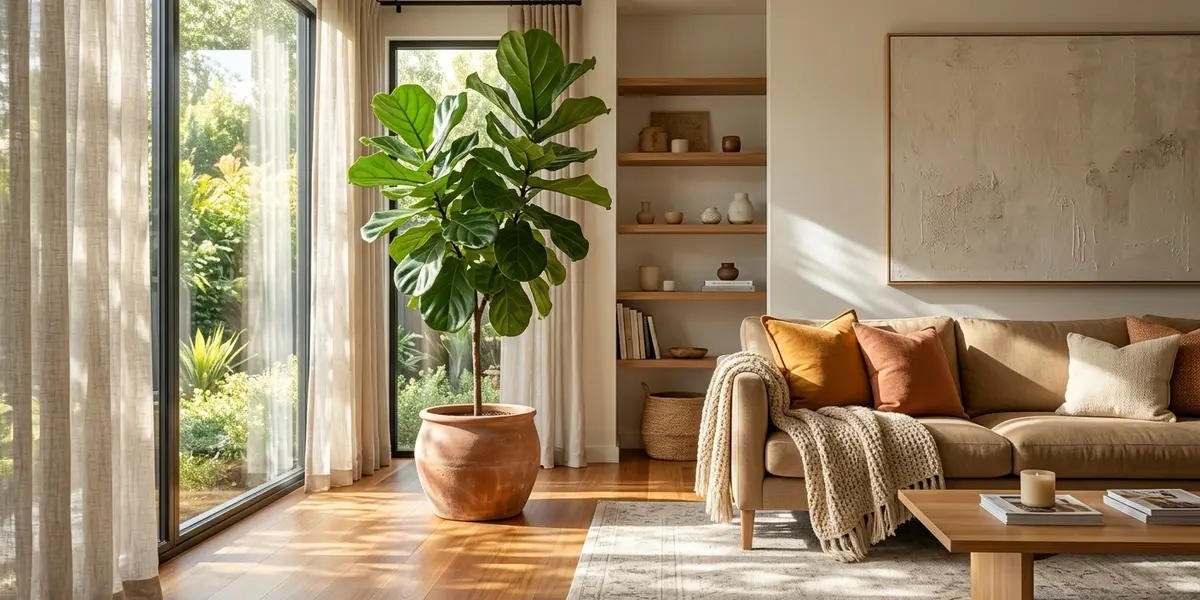
The window-fried Fiddle Leaf Fig: Brown patches appeared on the side facing a west window. I rotated the plant and added a sheer curtain. New growth came in clean. Rotating plants a quarter turn each week also keeps them growing evenly instead of leaning.
Use Cases by Room and Skill Level
Sunny apartment, beginner: Lean on tough plants like Snake Plant, ZZ, and Pothos. Pull them back from the glass and you are mostly set.
Bright studio, busy person: Add a self-watering planter or a moisture meter so you water only when needed. These reduce both forgetting and overwatering.
Family home with kids: Summer is a great time for kid-friendly plant projects. Try a simple terrarium or let children help check soil moisture. It teaches them gentle care.
Collector with tropicals: Invest in a humidifier and a small fan. Your Calatheas, Alocasias, and ferns will reward you with steady growth.
Benefits of Strong Summer Plant Protection
- Fewer dead plants and less money replacing them.
- Faster, healthier summer growth, since summer is peak growing season when plants are not stressed.
- Fewer pest outbreaks because you catch them early.
- Plants that look full and lush instead of crispy and tired.
- Less daily worry. A weekly routine beats frantic rescue missions.
Limitations and What to Watch For
No routine is perfect. Heat waves can still stress plants even with good care. During an extreme heat spell, pause fertilizing and just focus on water and shade. Some plants will drop a leaf or two in summer no matter what. That is normal shedding, not failure. Watch the overall plant, not one sad leaf.
Self-watering pots are handy but can overwater succulents. Match the tool to the plant.
Common Summer Mistakes
- Moving plants into more sun. People assume summer means plants want more light. Most houseplants want the same or slightly less, with protection from direct afternoon rays.
- Watering on a fixed schedule. A calendar does not know your soil is still wet. Always check first.
- Misting instead of fixing humidity. Misting feels productive but barely moves the humidity needle. Use a humidifier for real results.
- Fertilizing a stressed plant. Feeding a heat-stressed plant is like forcing a big meal on someone with a fever. Wait until it recovers.
- Ignoring leaf undersides. Pests hide there. A weekly flip-and-check stops most outbreaks before they start.
Best Practices Checklist for Summer Plant Protection
Run this once a week as your core summer plant protection habit.
- Check soil moisture with your finger before watering anything.
- Move plants back from hot south and west windows.
- Add a humidifier or group tropical plants together.
- Keep gentle airflow in the room.
- Flip leaves and scan for pests.
- Rotate each plant a quarter turn for even growth.
- Empty saucers so roots never sit in water.
- Trim scorched or yellowed leaves to redirect energy.
- Pause fertilizer during heat waves.
Expert Tips and Care Benchmarks
The Royal Horticultural Society and university extension services point to the same core idea. Plants lose more water through their leaves in heat, a process called transpiration, so the soil-to-leaf water balance matters most in summer.
A few benchmarks I keep in mind:
- Ideal indoor humidity for tropicals: 50 to 60 percent.
- Comfortable indoor temperature for most houseplants: 65 to 80°F (18 to 27°C).
- Danger zone: sustained leaf exposure above 90°F (32°C) in direct sun can scorch tender foliage.
Pet safety note: Summer often means new plants in the house. Check toxicity before you buy. The ASPCA lists many common plants, including Peace Lily, Pothos, and Philodendron, as toxic to cats and dogs if chewed. Place these out of pet reach.
Seasonal Considerations
Early summer is the time to prep. Repot anything root-bound before peak heat, since plants recover faster when actively growing but not yet stressed.
Mid-summer is maintenance mode. Stick to the S.H.A.D.E. routine and avoid big changes during heat waves.
Late summer is your transition window. As days shorten, slowly ease back on water and stop fertilizing. This helps plants glide into fall instead of getting shocked. If you want a deeper seasonal plan, our fall planting guide picks up right where summer leaves off.
Conclusion
Strong summer plant protection is not complicated. It is a handful of small, steady habits done weekly. Pull plants back from harsh light. Check soil before you water. Lift the humidity. Keep air moving. Watch for pests.
The first summer I paid attention to these things, I stopped losing plants and started watching them flourish. My Calathea finally unfurled flawless leaves. My Pothos doubled in size. The difference was not luck. It was a routine.
Pick one habit from this guide and start this week. Your plants will thank you with new growth all season long.
Frequently Asked Questions
How do I protect my houseplants from summer heat?
Move plants back from hot south and west windows, filter harsh afternoon light with sheer curtains, and raise humidity with a humidifier. Check soil before watering, since heat speeds drying but overwatering still kills plants. Keep gentle airflow and inspect leaves weekly for pests.
Should I water plants more in summer?
Usually yes, but check soil first instead of following a schedule. Warm air and active growth dry pots faster, so many plants need water more often. Push a finger two inches into the soil. Water deeply only when it feels dry, then drain the saucer so roots never sit in water.
Why are my plant leaves turning brown in summer?
Brown, crispy edges or patches often mean sun scorch or low humidity. Direct summer sun can burn leaves in hours. Move the plant out of harsh light and add humidity. Brown tips on tropicals like Calatheas usually signal dry air, which a humidifier fixes quickly.
Can I put my houseplants outside in summer?
Some can go outside, but transition them slowly. Sudden full sun will scorch indoor-adapted leaves. Start in full shade for a week, then add gentle morning light gradually. Bring plants back inside before pests hitchhike in or before night temperatures drop too low in late summer.
Should I fertilize houseplants during a heat wave?
No, pause fertilizing during extreme heat. Heat-stressed plants cannot use the nutrients well, and feeding can burn stressed roots. Wait until temperatures ease and the plant looks recovered. During normal summer warmth, light feeding every few weeks supports healthy growth.