For decades, cows belonged to one world.
Farms.
They represented agriculture, dairy production, livestock management, and rural economies. Nobody imagined cattle becoming part of internet culture, lifestyle trends, or even premium hobby farming communities.
Yet in 2026, something unusual has happened.
Mini cows have quietly transformed from traditional farm animals into highly sought-after lifestyle companions, capturing attention across social media, boutique farms, sustainable living communities, and even luxury rural properties.
What was once considered a niche livestock category has now become part of a much larger cultural shift.
The question is no longer what is a mini cow?
The real question is why people suddenly want them.
The Rise of the Mini Cow Trend
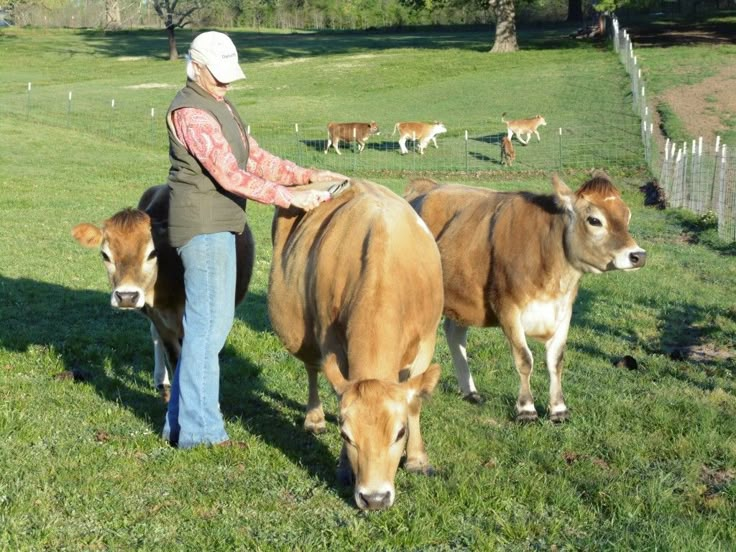
Miniature cattle are exactly what the name suggests.
They are selectively bred cattle varieties designed to remain significantly smaller than standard full-sized cows while maintaining the same general characteristics.
Some miniature breeds stand under 36 inches at the shoulder even when fully grown.
Popular breeds include:
- Miniature Highland Cattle
- Miniature Zebu
- Dexter Cattle
- Vechur Cattle
- Australian Lowline Cattle
Historically, these breeds were developed for smaller landowners who needed manageable livestock without maintaining large-scale agricultural operations.
But over the past few years, the appeal expanded far beyond farming.
Communities documented at wikipedia.org show miniature cattle breeding now exists globally, with dedicated breeders emerging across North America, Europe, Australia, and Asia.
Social Media Accidentally Created Demand
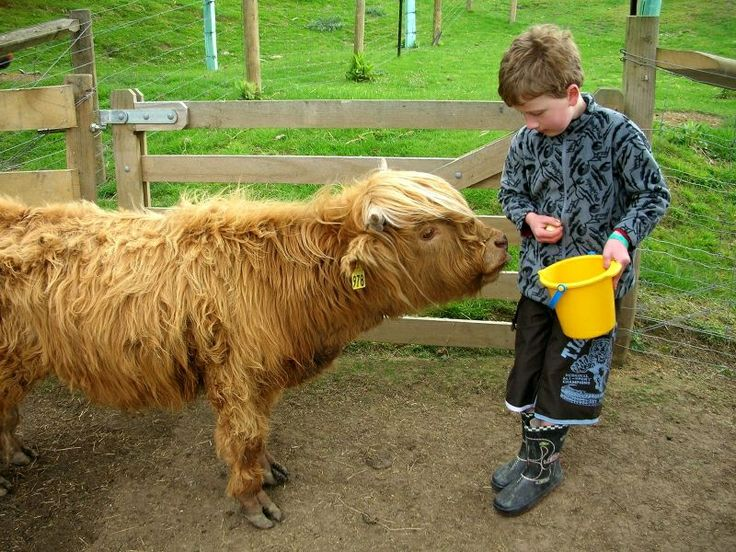
The internet played a huge role.
Platforms like Instagram, TikTok, and YouTube turned mini cows into viral internet celebrities.
Videos featuring fluffy miniature Highland cows running through fields began generating millions of views.
Unlike traditional livestock, mini cows photograph extremely well.
Their small size, unusual appearance, oversized hair coats, and playful personalities made them highly shareable online.
What began as novelty content quickly created genuine consumer demand.
The same internet that once turned French Bulldogs, teacup pigs, and designer cats into status symbols began doing the same with miniature cattle.
The difference?
Mini cows feel far more unique.
Hobby Farming Is Changing Animal Ownership
Another major factor is the rise of hobby farming.
Large numbers of younger property owners are leaving urban environments and buying small rural land parcels focused on sustainable living.
But not everyone wants full-scale agricultural responsibility.
Mini cows solve that problem.
Unlike traditional cattle, they require significantly less grazing space, lower feed consumption, and are generally easier to handle.
Veterinary researchers at vetmed.tamu.edu have repeatedly noted that miniature cattle can consume substantially less feed while remaining manageable for smaller operations.
This makes them attractive to first-time livestock owners.
People increasingly want farm experiences without running commercial farms.
Mini cows fit perfectly into that lifestyle.
They Became a Status Symbol for Rural Luxury
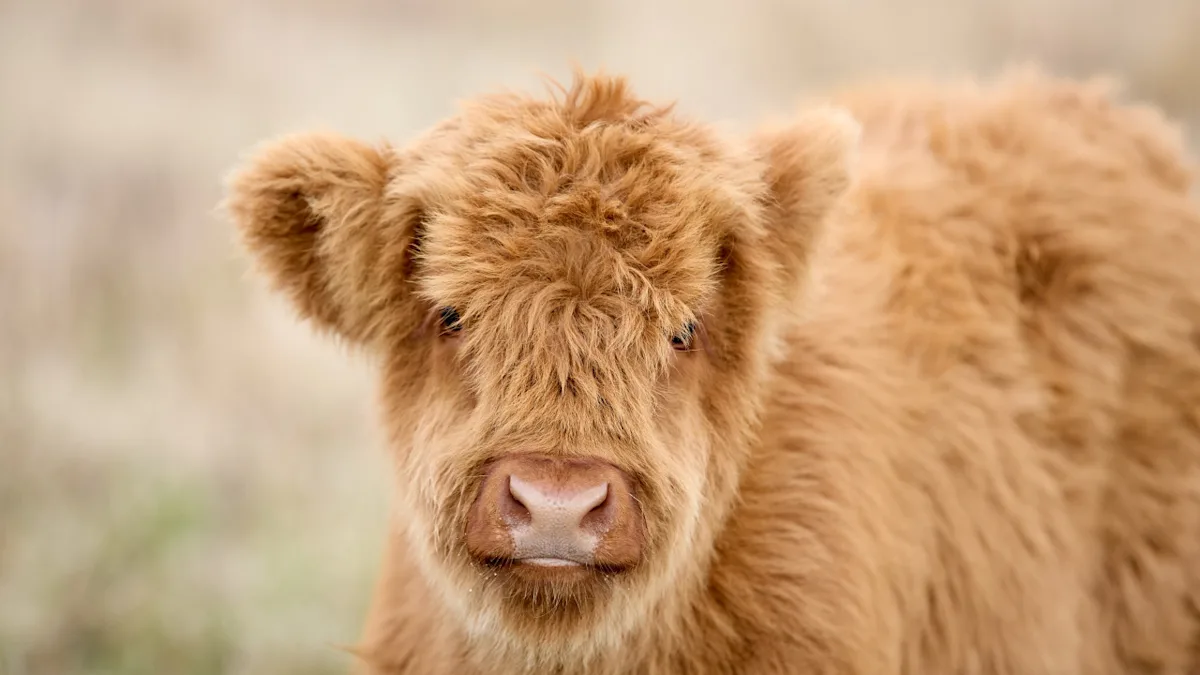
An unexpected shift has also happened inside luxury lifestyle communities.
Owning rare or unusual animals increasingly signals exclusivity.
Where high-net-worth individuals once invested in horses, alpacas, or exotic birds, some buyers now pursue miniature cattle for boutique estates, private ranches, and premium countryside properties.
The appeal goes beyond farming utility.
Mini cows represent slower living.
They symbolize sustainability, simplicity, and connection with nature.
That emotional value matters.
Much like backyard chickens became a wellness trend several years ago, miniature cattle are beginning to follow the same path.
The Economics Behind Mini Cow Ownership
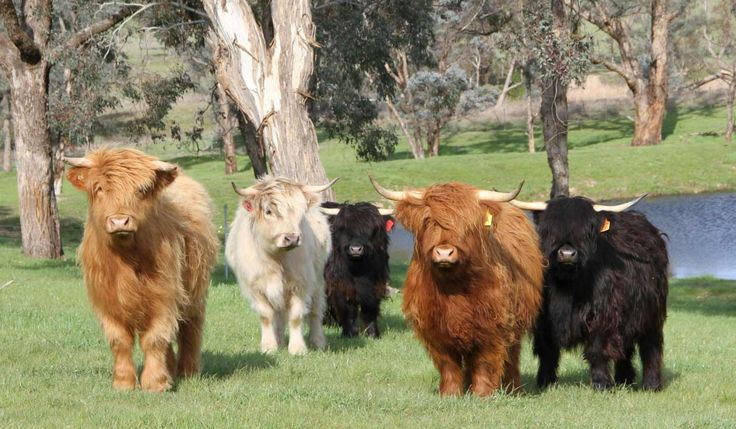
The growing popularity has created an entirely new micro-market.
Specialized breeders now sell mini cows at prices far above standard commercial cattle.
Rare bloodlines can command thousands of dollars.
Why?
Supply remains limited.
Breeding miniature cattle requires highly selective genetic management to maintain proper size without introducing health complications.
Smaller animals also create stronger emotional attachment with buyers.
Unlike traditional livestock purchased purely for agriculture, mini cows often enter a household as lifestyle purchases.
This changes buyer psychology completely.
The animal becomes part investment, part emotional ownership.
Are Mini Cows Actually Practical?
Despite their popularity, mini cows are not effortless pets.
Many viral videos create unrealistic expectations.
Miniature cattle still require:
- Proper grazing access
- Veterinary care
- Shelter from extreme weather
- Nutritional planning
- Safe fencing
- Breed-specific maintenance
Animal experts featured on petmd.com have consistently warned that mini cattle should never be treated like novelty house pets simply because of their small size.
They remain livestock.
Responsible ownership matters.
The internet often forgets that part.
Why This Trend Reflects Something Bigger
The popularity of mini cows reveals a much larger shift happening globally.
Consumers increasingly value:
- Sustainable living
- Smaller-scale agriculture
- Emotional connection with animals
- Rural lifestyle independence
- Unique ownership experiences
Mini cows sit directly at the intersection of all five.
They are not becoming popular because people suddenly need smaller cattle.
They are becoming popular because modern consumers increasingly buy identity-driven lifestyle experiences.
The same cultural forces pushing people toward organic farming, home gardening, eco-living, and self-sufficiency are now influencing livestock ownership.
Mini cows simply became part of that movement.
Final Thoughts
Mini cows are no longer just agricultural animals.
They have become symbols of a much larger cultural shift.
What started as selective breeding for practical farm management has evolved into a lifestyle trend shaped by internet culture, sustainable living movements, and changing consumer identity.
In many ways, mini cows represent something bigger than farming.
They represent how modern society increasingly values slower living, emotional connection with nature, and ownership experiences that feel deeply personal.
And surprisingly, tiny cattle ended up becoming one of the internet’s most unexpected lifestyle symbols.
Frequently Asked Questions
What is a mini cow?
A mini cow is a selectively bred cattle breed designed to remain significantly smaller than standard full-sized cattle.
How big do mini cows get?
Most miniature cattle stand between 36 and 48 inches tall depending on breed and genetics.
Are mini cows good pets?
They can be manageable companions for experienced owners with proper land, shelter, and livestock knowledge.
How much do mini cows cost?
Prices vary widely, but rare miniature breeds can cost several thousand dollars depending on bloodline quality.
What breeds are considered mini cows?
Popular breeds include Miniature Highland Cattle, Dexter Cattle, Miniature Zebu, Australian Lowline, and Vechur cattle.