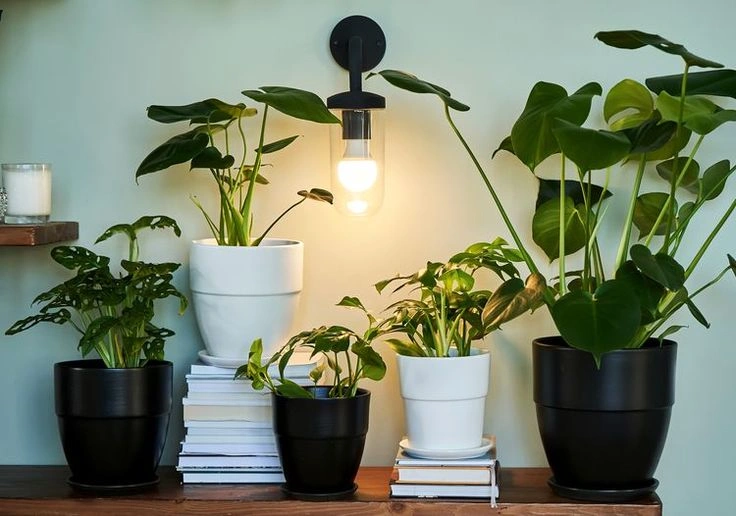
Some people have a perfect watering routine. They check the soil, notice every new leaf, and somehow remember exactly when each plant needs attention.
Then there are the rest of us.
If watering plants regularly is not your strongest skill, that does not mean you have to give up on indoor greenery. The trick is choosing plants that naturally cope with dry periods and do not demand constant attention.
The best easy-care house plants are not plants that can survive anything. They still need suitable light, a well-draining pot, and occasional watering. However, many are much more forgiving when life gets busy and you forget the watering can for a few days.
Plant-care guidance from Iowa State University Extension and the U.S. Botanic Garden identifies several reliable low-water choices, including snake plants, ZZ plants, pothos, ponytail palms, and Chinese evergreen.
Key Takeaways
- Choose plants according to your home’s available light, not just their appearance.
- Snake plants, ZZ plants, pothos, ponytail palms, and cast iron plants are strong low-maintenance options.
- Succulents and plants with water-storing structures usually prefer drying periods between waterings.
- A drainage hole is important because frequent wet soil can be more damaging than an occasional missed watering.
- Check the soil before watering instead of automatically following a weekly schedule.
- Low-maintenance plants still need basic care, but the right choice can make indoor gardening much less stressful.
Here are 15 options worth considering for a lower-maintenance indoor garden.
1. Snake Plant

The snake plant is one of the first choices to consider if you regularly forget to water.
Its upright, architectural leaves give it a clean appearance, while its ability to tolerate dry soil makes it particularly forgiving. It can handle low light as well as brighter conditions, although growth and appearance depend on the environment.
The most important rule is simple: do not keep it constantly wet. Let the potting mix dry between waterings and use a container with drainage.
2. ZZ Plant
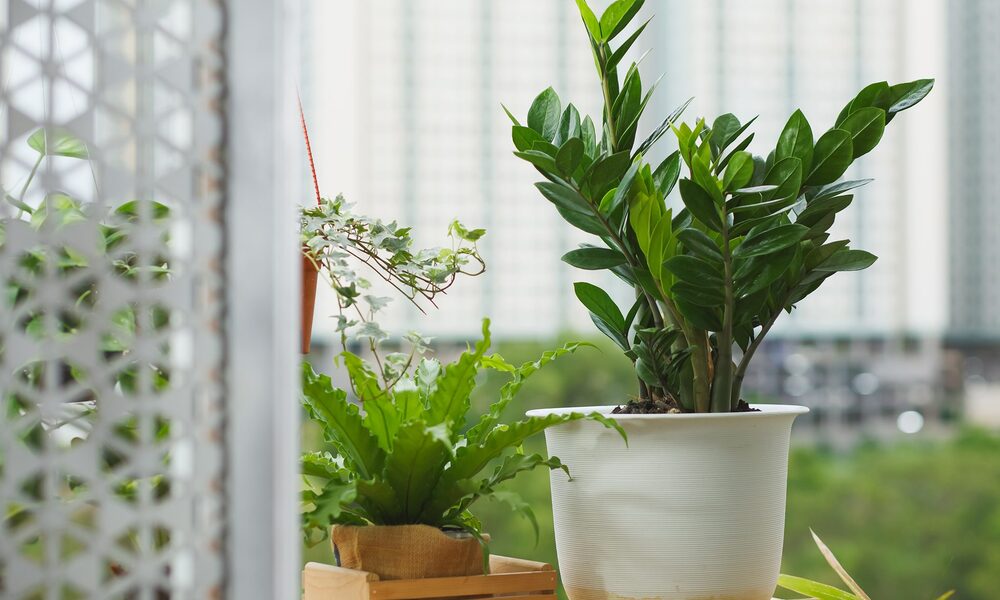
The ZZ plant has glossy green leaves and a naturally slow-growing habit, making it an excellent option for people who want greenery without a demanding routine.
It tolerates low light and extended dry periods. Its underground rhizomes help the plant cope with periods when watering is missed.
For a healthier ZZ plant, allow the soil to dry before watering again rather than giving it frequent small drinks. Iowa State Extension notes that overwatering can cause problems, while thorough watering followed by a drying period works better.
3. Pothos

Pothos is a great choice when you want something easy but a little more decorative.
Its heart-shaped leaves trail naturally from shelves, hanging baskets, or taller furniture. It can grow in low to moderate light and generally prefers the soil to dry moderately between waterings.
Another advantage is its forgiving nature. Even if you miss an occasional watering, pothos usually does not demand immediate attention.
4. Ponytail Palm
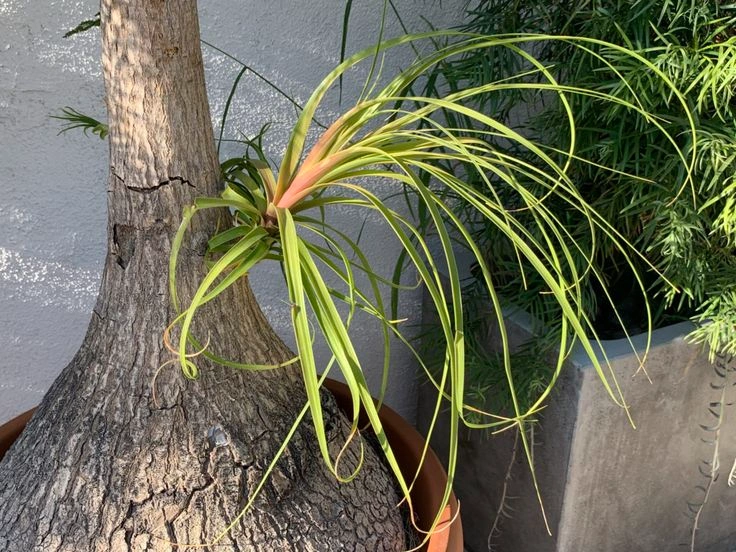
Despite its name, the ponytail palm is not actually a palm.
Its swollen base stores water, which helps the plant tolerate dry conditions. Long, narrow leaves grow from the top, creating a relaxed, almost tropical appearance.
It prefers brighter light but can tolerate lower-light conditions. Because its base stores water, frequent watering is unnecessary and can actually create problems.
5. Cast Iron Plant
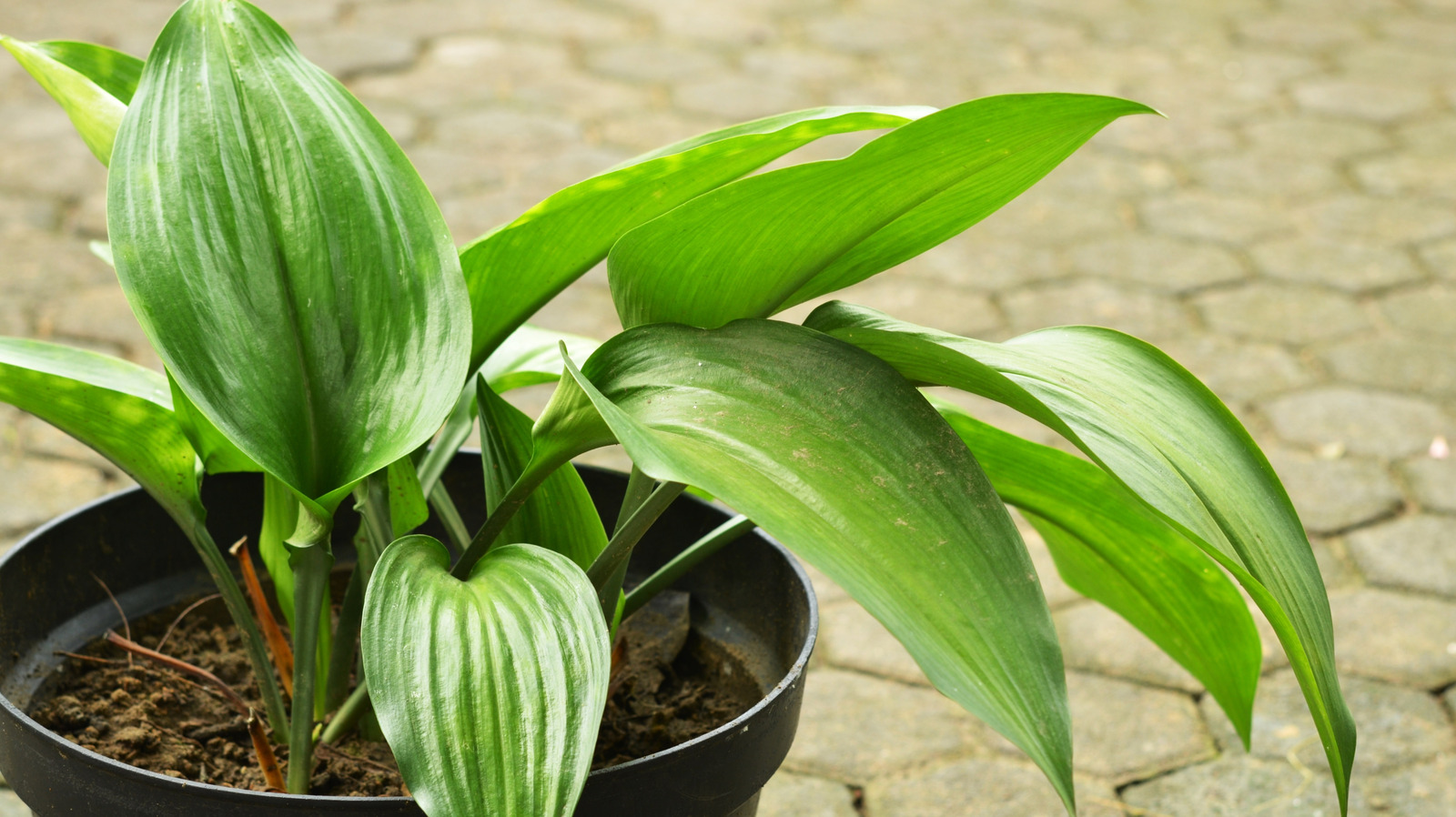
If your home has a darker corner where other plants struggle, the cast iron plant deserves attention.
As its name suggests, it is remarkably tough. Iowa State Extension describes it as tolerant of heat, dust, low light, and lack of water better than many other houseplants.
Its broad green leaves create a fuller look without requiring complicated maintenance. Keep it in well-drained soil and avoid keeping the roots constantly saturated.
6. Chinese Evergreen
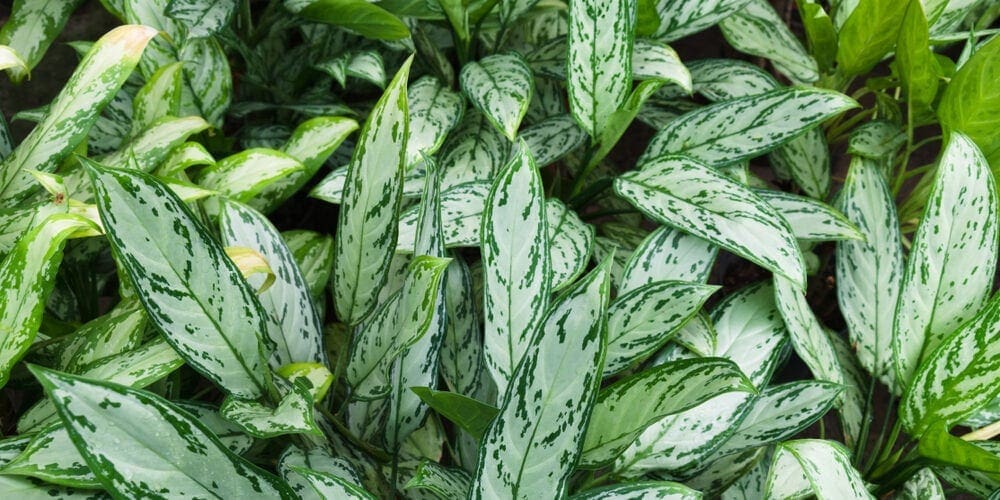
Chinese evergreen is another useful option for people who want attractive foliage without a demanding schedule.
The U.S. Botanic Garden lists Chinese evergreen among houseplants suited to low light and relatively low water needs.
Depending on the variety, its leaves can bring different shades and patterns into a room. It works especially well when you want a leafy plant for an area that does not receive strong direct sunlight.
7. Aloe Vera
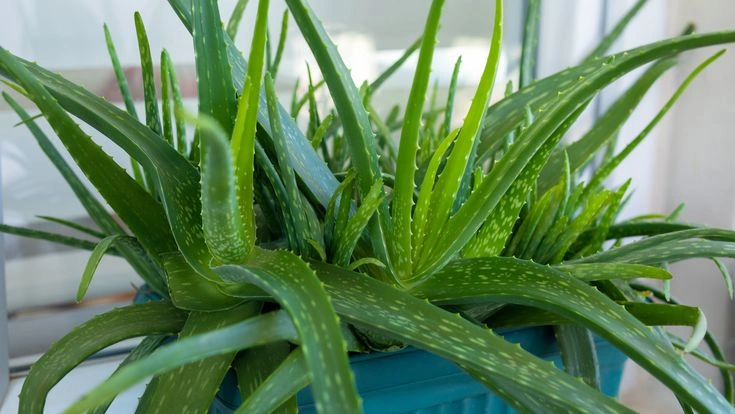
Aloe vera is a natural choice for a sunny room and an irregular watering routine.
Its thick, fleshy leaves hold moisture, allowing the plant to cope with periods of dry soil better than many thin-leaved houseplants. The University of Florida’s gardening guidance includes aloe among houseplants suitable for forgetful gardeners in brighter spaces.
Give it plenty of light and use well-draining soil. The biggest mistake is usually watering too frequently rather than waiting too long.
8. Spider Plant
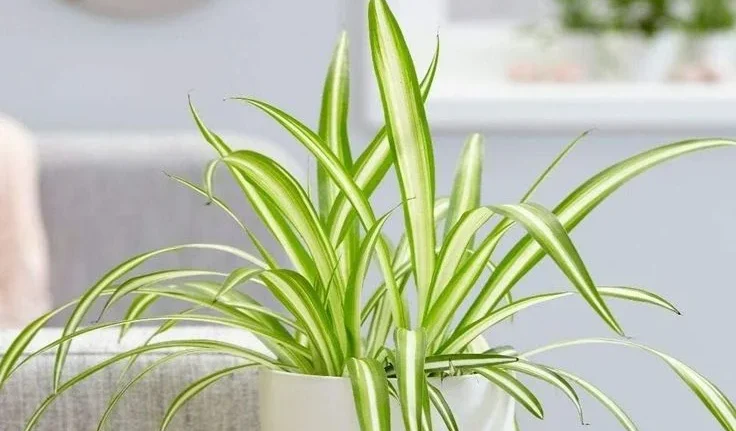
Spider plants are popular for a reason: they are adaptable, attractive, and beginner-friendly.
Their long, arching leaves work especially well in hanging baskets. Mature plants can also produce small plantlets that develop along thin stems, giving the plant a naturally fuller appearance over time.
Spider plants prefer moderate moisture, so they are not as drought-tolerant as a snake plant or ZZ plant. Still, they are forgiving enough for people who occasionally miss a watering.
9. Jade Plant

Jade plants have thick, fleshy leaves that store water, making them better suited to dry periods than many delicate houseplants.
They prefer bright light and well-draining soil. Allow the growing medium to dry before watering again, especially if the plant is kept indoors during cooler or darker conditions.
Their compact, tree-like shape also makes them attractive for desks, windowsills, and small plant collections.
10. Haworthia
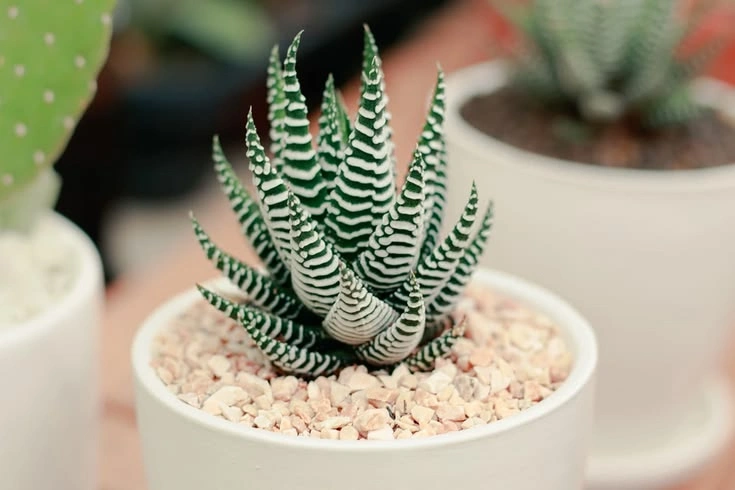
Haworthia is a small succulent that works well when you want something low-maintenance without taking up much space.
Its thick leaves store water, so it generally prefers being left alone rather than receiving frequent watering.
Bright, indirect light is usually a comfortable choice indoors. Let the soil dry between waterings and make sure excess water can escape from the pot.
11. Peperomia
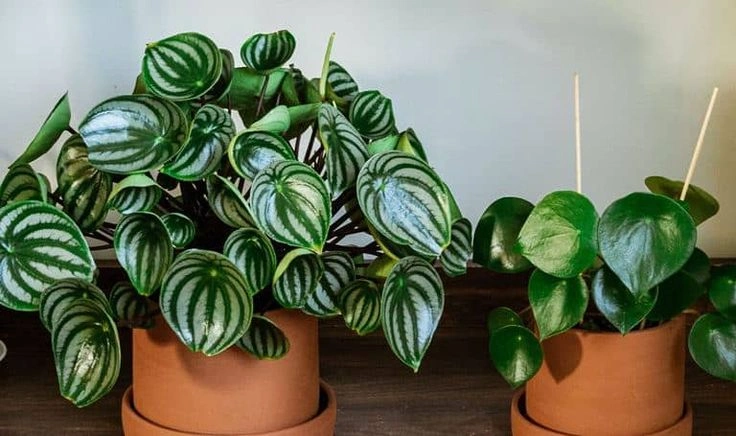
Peperomia offers plenty of personality in a relatively small package.
Different varieties have different leaf shapes, colors, and patterns, but many share a useful quality for busy plant owners: their leaves can hold moisture.
They generally prefer bright, indirect light and should not be kept in constantly wet soil. If you are unsure whether it needs water, checking the soil first is better than following a rigid calendar.
12. Rubber Plant
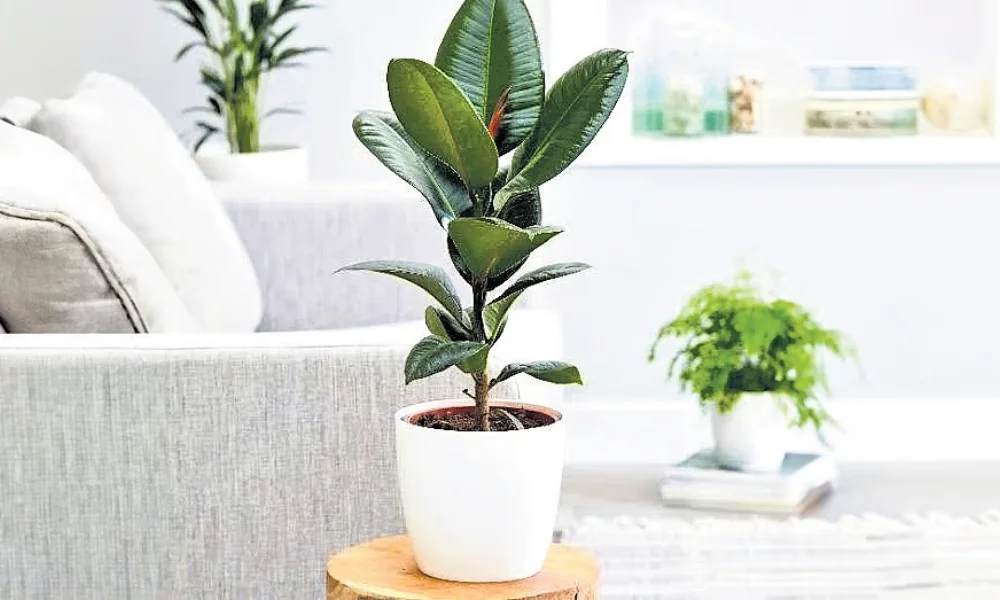
Rubber plants are slightly more demanding than snake plants or ZZ plants, but they can still be a manageable choice for a busy home.
Their large, glossy leaves create a dramatic indoor look, while their watering needs are fairly straightforward. Allow the upper portion of the soil to dry before watering thoroughly.
Bright, indirect light generally supports stronger growth, while very dark conditions may slow the plant down.
13. Dracaena
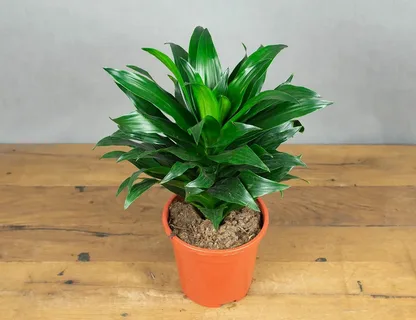
Dracaena varieties can be useful when you want a taller plant without committing to a demanding care routine.
The U.S. Botanic Garden categorizes dracaena as a medium-water houseplant rather than a truly low-water option, so it should not be treated like a succulent.
Still, it can suit busy households when planted in well-draining soil and watered according to the actual moisture level rather than a fixed schedule.
14. Christmas Cactus
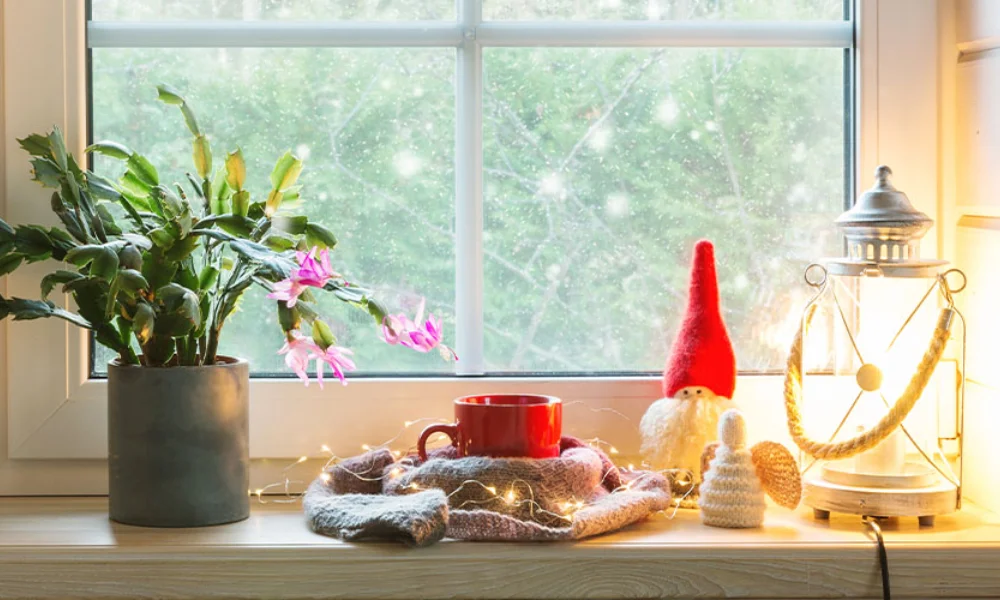
Christmas cactus is an interesting option because it combines attractive flowers with relatively manageable care.
The University of Florida includes Christmas cactus among plants suitable for forgetful gardeners in brighter spaces.
It still needs more consistent moisture than a snake plant or ZZ plant, so think of it as a forgiving choice rather than a plant you can completely ignore.
15. Aloe-Like Haworthia and Other Small Succulents
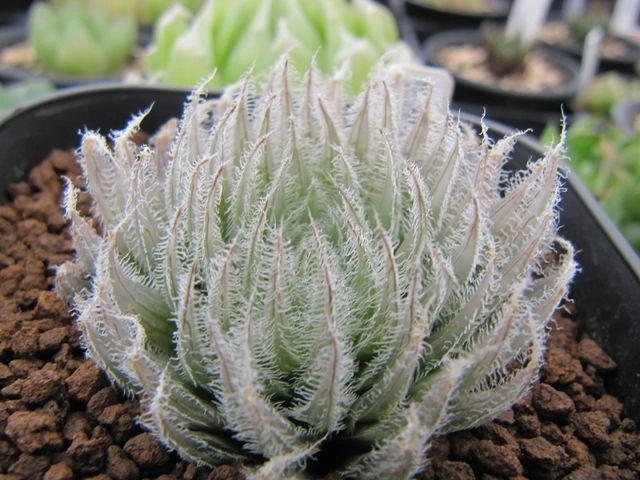
If you want a tiny plant for a desk, shelf, or windowsill, small succulents can be surprisingly convenient.
Their fleshy leaves are designed to retain water, meaning they generally prefer a thorough watering followed by a period of drying rather than frequent watering.
The exact care requirements vary between species, so the label matters. Choose a well-draining pot and avoid leaving the plant sitting in water.
How to Make Easy-Care House Plants Even Easier
Choosing the right plant is only half the solution. Your watering setup matters just as much.
Check the Soil Instead of the Calendar
A fixed watering day does not always make sense because indoor conditions change with temperature, light, humidity, pot size, and season.
Before watering, check the soil. Plants that prefer dry conditions should generally be allowed to dry between waterings.
Use Pots With Drainage
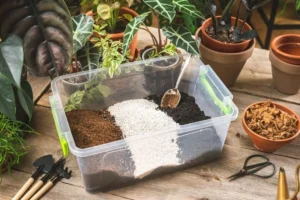
A drainage hole gives excess water somewhere to go. Without one, even a drought-tolerant plant can suffer if water remains around its roots.
A plant that tolerates drought does not necessarily tolerate permanently wet soil.
Match the Plant to the Light
Low-water does not mean low-light for every plant.
Snake plants and ZZ plants are particularly adaptable to lower light, while ponytail palms and aloe generally perform better in brighter locations.
Putting the right plant in the right spot can make maintenance much easier.
The Easiest Choices for Truly Forgetful Plant Owners
If your watering schedule is genuinely unpredictable, start with plants that combine low-water needs with strong tolerance for indoor conditions.
Snake plant: excellent for low light and dry periods.
ZZ plant: highly tolerant of low light and infrequent watering.
Ponytail palm: especially useful for bright spaces where you want a plant that handles dry conditions.
Pothos: a forgiving trailing plant for shelves and hanging containers.
Cast iron plant: useful for low-light areas where other plants may struggle.
These plants are not maintenance-free, but they give you more room for those “I forgot to water my plant” moments.
E-E-A-T Note
This guide is based on horticultural information from university extension resources and the U.S. Botanic Garden, with plant-care recommendations compared across sources rather than relying on a single care chart. Iowa State University Extension identifies pothos, snake plant, spider plant, ZZ plant, ponytail palm, and cast iron plant among easy or low-maintenance houseplants, while the University of Florida specifically recommends several low-attention plants for forgetful gardeners.
At Peeacelily, the goal is to make plant care easier to understand in real homes, where light, temperature, and watering habits are rarely perfect.
Frequently Asked Questions
What are the best house plants for people who forget to water?
Snake plants and ZZ plants are among the strongest choices because they tolerate dry conditions and relatively low light. Pothos and ponytail palms are also useful options depending on the available light.
How long can easy-care house plants go without water?
No single number works for every plant. Pot size, temperature, light, humidity, soil, and plant size all affect how quickly the soil dries. Instead of counting days, check the moisture level of the soil.
Can low-maintenance plants survive in dark rooms?
Some can tolerate low light, but very few houseplants thrive in complete darkness. Snake plants, ZZ plants, pothos, and cast iron plants can handle lower-light indoor conditions better than many other options.
Is overwatering worse than underwatering?
For many drought-tolerant plants, frequent watering can create serious problems because constantly wet soil can damage roots. Allowing the soil to dry appropriately between waterings is usually safer than watering automatically.
Which easy-care plant is best for a beginner?
A snake plant or ZZ plant is a simple starting point if you want a plant that tolerates missed waterings and lower light. If you prefer a trailing plant, pothos is another forgiving choice.
Do easy-care houseplants need fertilizer?
They can benefit from appropriate feeding during active growth, but fertilizer isn’t a substitute for proper light, watering, and soil. For a beginner, getting those basics right should come first.