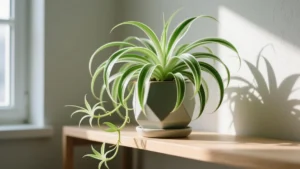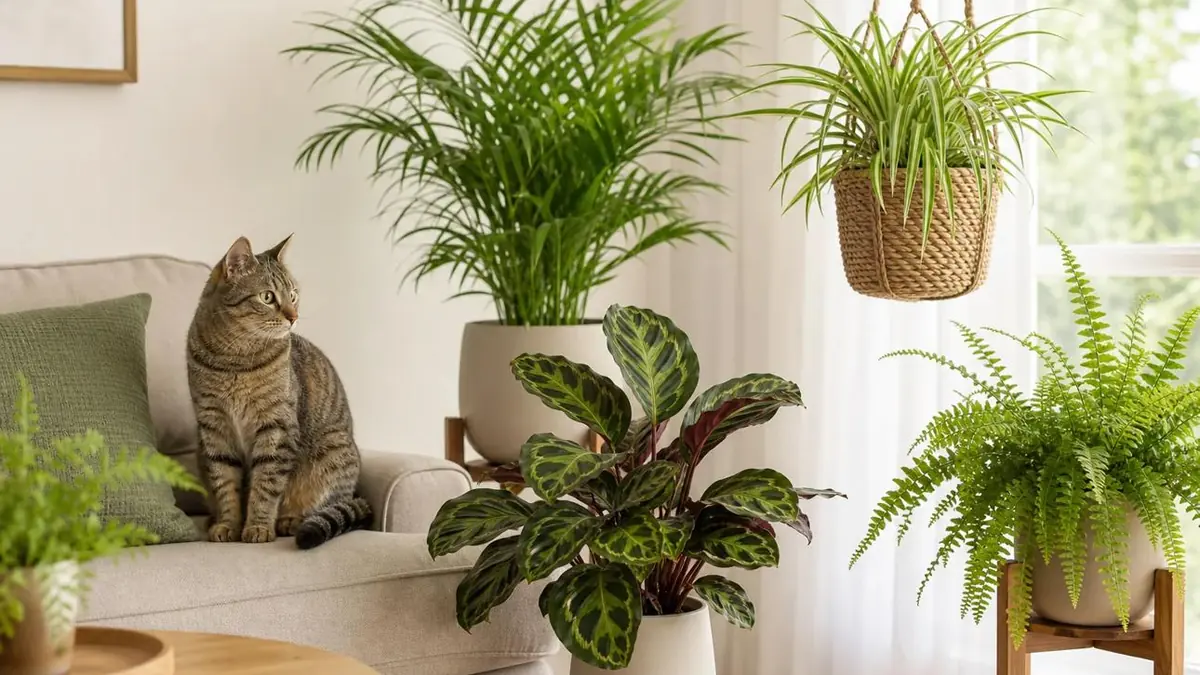
Do spider plants need a lot of light? This is one of the most common questions plant lovers ask when bringing home this low-maintenance houseplant. Known for their beautiful arching leaves and easy propagation, spider plants are often considered beginner-friendly. However, their growth, color, and overall health largely depend on the light they receive.
In this detailed guide, we will explore the exact lighting needs of spider plants, the difference between natural and artificial light, and how to troubleshoot common light-related issues. By the end, you’ll have a complete understanding of how to keep your spider plant thriving indoors.
Understanding Spider Plant Light Requirements
Spider plants are naturally adaptable, which is why they are often found in homes, offices, and even classrooms. They can survive in different conditions, but light plays a crucial role in how well they flourish.
While spider plants do not need a lot of light, they do prefer bright, indirect light for optimal growth. Direct sunlight can burn their leaves, while too little light can slow down their development. Therefore, finding the right balance is essential.
Do Spider Plants Need a Lot of Light Indoors?

Spider plants do not require a lot of light indoors, but they do thrive in bright, indirect light. Placing your spider plant near an east- or north-facing window ensures it receives sufficient light without the risk of leaf burn.
If natural sunlight is limited, artificial grow lights can provide the energy your plant needs to grow strong and healthy. While spider plants can tolerate low-light conditions, insufficient light can slow growth, cause pale leaves, and reduce the production of baby spiderettes.
Therefore, balancing light exposure is essential for maintaining vibrant foliage and overall plant health indoors. By adjusting placement and monitoring leaf color, you can create the perfect indoor environment for your spider plant to flourish.
Bright, Indirect Light Works Best
Spider plants thrive when placed near windows that allow natural but indirect light to filter through. For instance, positioning them near an east- or north-facing window often provides just the right amount of brightness without exposing them to harsh rays.
Artificial Light as an Alternative
If your home does not get much natural light, you can rely on fluorescent or LED grow lights. These lights mimic the sun’s spectrum and ensure your spider plant gets the energy it needs. Many indoor gardeners find that spider plants adapt very well to artificial light.
What Happens if Spider Plants Get Too Much Light?
Although spider plants enjoy brightness, too much direct sunlight can harm them. Their leaves may start showing brown tips or bleached patches if exposed to the sun for long periods.
Additionally, overexposure can dry out the soil faster, leaving the plant dehydrated. If you notice crispy leaves, it’s time to move your plant away from the window or use sheer curtains to diffuse the sunlight.
Can Spider Plants Survive in Low Light?
Yes, spider plants can survive in low light, making them a popular choice for offices, apartments, and rooms with limited natural sunlight. However, while they are highly adaptable, growth tends to slow in dim environments, and the vibrant green color of their leaves may fade over time. Variegated spider plants may even lose some of their distinctive stripes when kept in low-light conditions for extended periods.
To help your spider plant thrive despite low light, you can supplement with artificial fluorescent or LED grow lights, providing 12–14 hours of light per day. Additionally, rotating the plant occasionally ensures all leaves receive some light exposure, preventing uneven growth.
Although spider plants tolerate low light, they achieve their best health and vigorous growth in bright, indirect light, so combining natural and artificial lighting is the key to maintaining their beauty indoors.
Yes, But With Limitations
Spider plants are resilient and can tolerate low-light conditions. However, in such settings, their growth slows down, and the vibrant green color may fade. Variegated varieties might lose their stripes in very dim areas.
The Solution for Low Light Homes
If you live in a space with limited windows, placing your spider plant under artificial grow lights for 12–14 hours daily can effectively replace natural light. Transitioning gradually from low to brighter conditions also helps the plant adjust without stress.
Best Placement for Spider Plants at Home

- East-facing windows: Gentle morning sunlight.
- North-facing windows: Consistent indirect light.
- West-facing windows: Too harsh in the afternoon, so use curtains.
- Bathrooms and kitchens: High humidity with filtered light creates an ideal environment.
By experimenting with placement, you’ll quickly notice where your spider plant thrives the most.
Common Problems Caused by Wrong Lighting
Spider plants are resilient, but improper lighting can lead to several noticeable issues. Too much direct sunlight often causes brown leaf tips, scorched patches, or crispy edges, while insufficient light can result in pale, yellowing leaves and stunted growth.
If you enjoy caring for indoor greenery, you might also like learning about growing aloe vera indoors another hardy houseplant that thrives with the right balance of light and care.
Variegated varieties may even lose their attractive stripes when kept in dim areas for prolonged periods. Another common problem is uneven growth, where some leaves stretch toward the light source, causing the plant to look lopsided.
By understanding these lighting-related issues, plant owners can adjust placement, use sheer curtains to diffuse sunlight, or supplement with artificial grow lights to create optimal conditions. Monitoring your spider plant regularly and addressing light problems early ensures healthy foliage, vibrant color, and the production of baby spiderettes.
Brown Leaf Tips
Usually caused by too much direct sun or dry soil.
Pale or Yellow Leaves
Indicates low light levels.
Stunted Growth
When the plant doesn’t receive enough energy from light to support new shoots.
Loss of Variegation
Variegated spider plants may revert to solid green if kept in very dim conditions.
How to Fix Light-Related Problems

- Move plants away from direct sun.
- Rotate them weekly for even light exposure.
- Use sheer curtains to filter sunlight.
- Install LED grow lights in darker rooms.
- Trim damaged leaves to encourage fresh growth.
These small adjustments can quickly restore your plant’s health.
For more in-depth information on houseplant light needs, you can explore University of Minnesota Extension on houseplants. This resource provides expert insights into different plant care essentials, including light and watering requirements.
FAQs
Do spider plants need sunlight every day?
Yes, but not directly. They do best with daily bright, indirect sunlight.
Can spider plants grow in fluorescent light?
Absolutely. Fluorescent lights are a great alternative for low-light homes and offices.
Why are the leaves on my spider plant turning yellow?
Yellowing usually happens due to insufficient light or overwatering.
Can spider plants live in bathrooms?
Yes. Bathrooms with a window provide filtered light and humidity, making them perfect for spider plants.
Do spider plants grow faster in bright light?
Yes, spider plants grow quicker and produce more spiderettes when exposed to bright, indirect light consistently.
Conclusion
The answer is no spider plants don’t need intense or direct sunlight. However, they do rely on bright, indirect light to stay healthy and vibrant. Too much direct sun can scorch their delicate leaves, while too little light can slow their growth and cause pale coloring.
If you love creating cozy indoor spaces with greenery, you’ll also enjoy exploring how lighting and style work together in your home. Check out this guide on Martha Stewart home décor for inspiration on blending plants and elegant interior design.
By understanding their adaptable nature, experimenting with placement, and using artificial light when needed, you can ensure your spider plant thrives in almost any indoor environment.
Provide the right balance of light, water, and occasional care. Your spider plant will not only survive but also reward you with lush green foliage and adorable baby spiderettes for years to come.