
Cast iron plant, English ivy, jade plant, cacti, and several other houseplants can tolerate cooler indoor temperatures than many tropical species. Some can handle brief drops to around 45–50°F, while others need rooms that stay closer to 60°F or warmer. The important distinction is that surviving cold is not the same as growing well in it. This guide explains chilling injury and compares the minimum temperatures reported for 13 indoor plant types.
What Cold Actually Does to an Indoor Plant
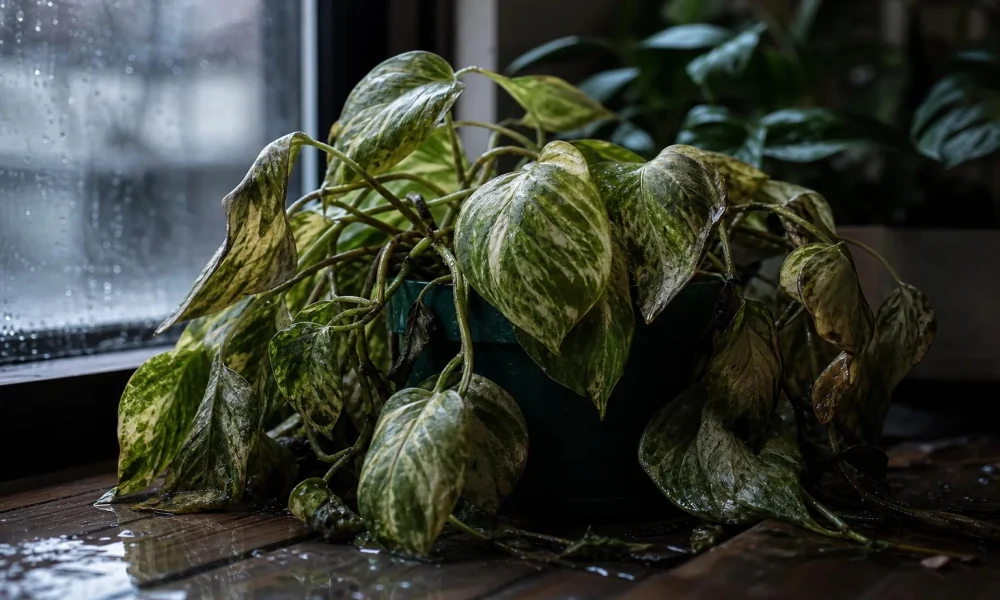
A houseplant does not have to freeze to suffer cold damage. Some tropical plants experience chilling injury at temperatures above 32°F. The exact threshold depends on the species, how long the plant stays cold, and whether its roots and growing medium are also affected.
Cold stress can damage cell membranes and interfere with normal water movement. You may notice symptoms such as:
- Leaves becoming limp even when the soil is moist.
- Dark, translucent, or water-soaked patches on foliage.
- Blackened or damaged new growth.
- Leaves dropping several days after a cold night.
- Slow growth that continues after the temperature rises.
The delay makes chilling injury easy to mistake for overwatering or a nutrient problem. A plant near a cold window may look healthy immediately after exposure but show damage later.
One distinction matters throughout this article: a plant that survives a short drop to 48°F may not grow well at that temperature for weeks. Minimum temperatures should be treated as lower limits for brief exposure, not recommended everyday room temperatures.
Cool Plants vs. Warm Plants: The Difference That Matters
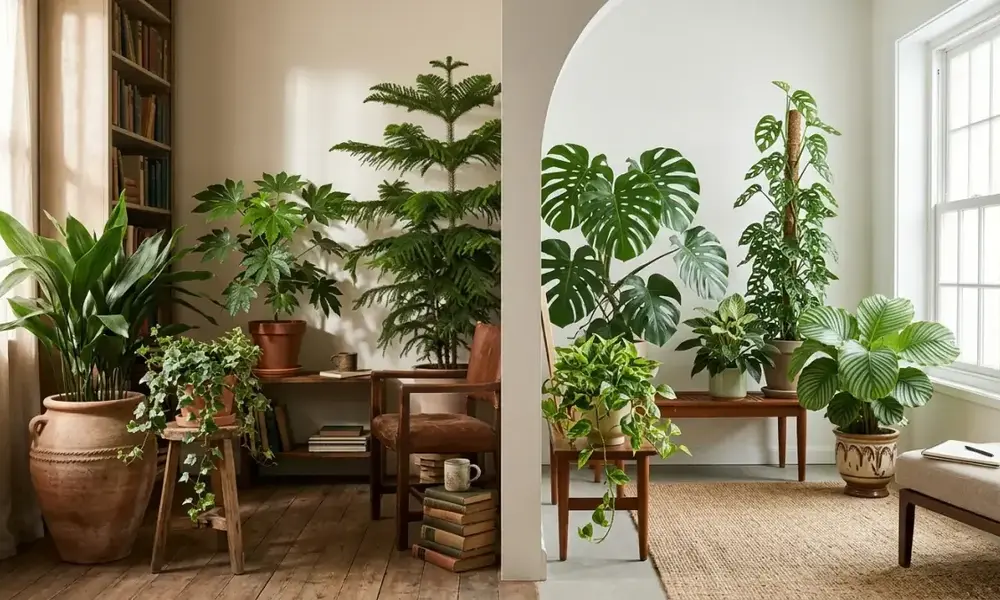
Indoor plants do not all respond to cool conditions in the same way. A useful starting point is to separate plants that naturally tolerate cooler growing conditions from tropical plants that prefer more consistent warmth.
Cool-temperature plants
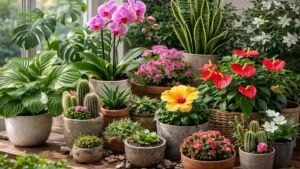
The University of Arkansas Cooperative Extension describes a group of cool-temperature houseplants that can grow in approximately 50–60°F daytime temperatures and 45–55°F nighttime temperatures.
Its list includes:
- Cast iron plant
- English ivy
- Cacti and succulents
- Japanese aralia
- Norfolk Island pine
- Creeping fig
- Tradescantia
These plants are generally more suitable for cooler indoor conditions than warmth-loving tropical foliage plants.
Warm-temperature plants
Many popular indoor plants come from tropical environments. Monstera, philodendron, pothos, Scindapsus, and calathea generally prefer warmer conditions. Brief cool exposure may not immediately kill them, but repeated or prolonged cold can cause stress.
Anthurium, Alocasia, and many Hoya varieties also need more protection from low temperatures than cool-room plants.
Aglaonema is another plant that deserves caution. It appears on some general lists of hardy houseplants, but it can show visible chilling injury around 50°F.
Cacti and arid succulents
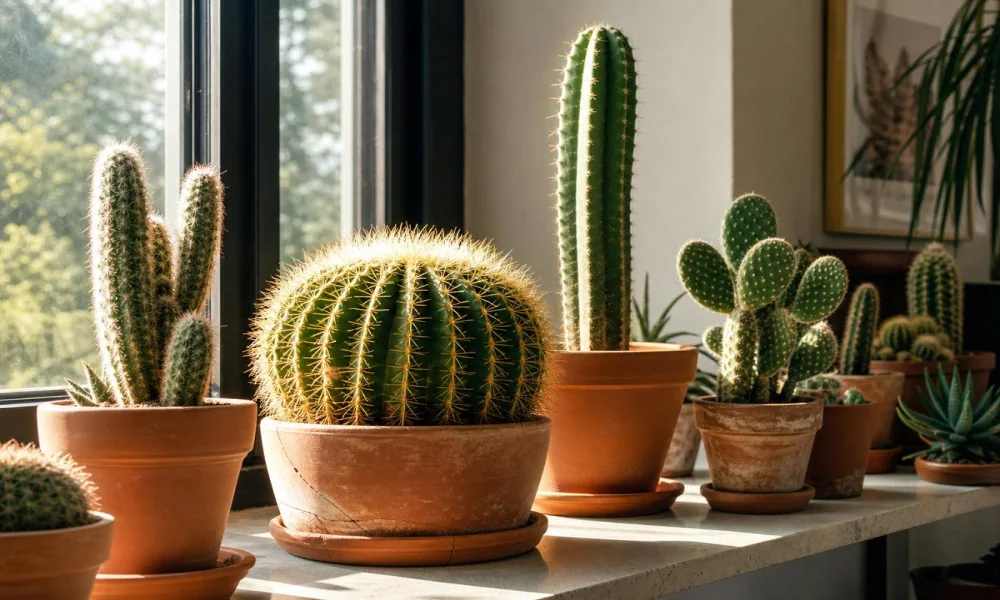
Cacti and arid succulents form a separate group. Many tolerate cool winter temperatures when their growing medium stays dry. Cold combined with wet soil is much more dangerous because roots are vulnerable to rot.
Our guide to indoor succulent plants covers their broader growing requirements.
Minimum Temperature Table for Cold Tolerant Indoor Plants

The table below compares 13 indoor plant types and their reported or supported lower temperature limits.
These figures are not guarantees. A plant’s response depends on exposure time, moisture, light, airflow, and the actual temperature around its leaves and roots.
| Plant | Reliable or reported minimum | Important note | Evidence grade |
| Cast iron plant | About 45°F for short periods | Ideal range is around 60–75°F; one of the tougher foliage plants | Confirmed |
| English ivy | About 50°F; happiest around 50–70°F | Prefers cooler conditions and dislikes hot, dry air | Confirmed |
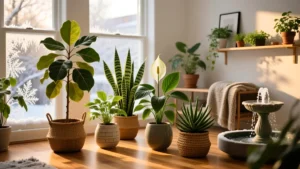
| Snake plant | About 45–50°F; below 40°F is risky | Protect it from freezing glass and cold drafts | Reported |
| ZZ plant | About 45–50°F | Temperature figure is reported; allow the soil to dry before winter watering | Reported for temperature |
| Jade plant | About 41–50°F | Cool conditions are more manageable when the growing medium stays dry | Confirmed |
| Cacti and arid succulents | About 41–50°F | Many tolerate a cool winter rest if kept dry | Confirmed |
| Cyclamen | Around 50°F nights | Cool conditions suit it; buds can fail in excessive warmth | Confirmed |
| Holiday or Christmas cactus | Around 50–60°F nights for bud formation | Cool nights and short days help initiate flowering | Confirmed |
| Norfolk Island pine | Around 45–55°F nights | Tolerates cooler conditions but should be protected from drafts | Confirmed |
| Japanese aralia (Fatsia) | Around 45–55°F nights | A cool-temperature plant with large, architectural leaves | Confirmed |
| Tradescantia | Around 45–55°F nights | Tolerates cool conditions, though dim light can reduce its color | Confirmed |
| Pothos | Around 50°F as a lower limit | Growth slows considerably in cooler conditions | Confirmed |
| Parlor palm | Keep around 60°F or warmer | Some growers report tolerance near 50°F, but that lower figure is less certain | Confirmed at 60°F; lower figure reported |
How to understand the evidence grades
- Confirmed: The temperature guidance is supported by extension, university, or other cited plant-care information.
- Reported: The figure comes from grower or community experience rather than equally strong temperature guidance. Treat it as an estimate and leave a safety margin.
The snake plant and ZZ plant figures should not be treated as guaranteed safe limits. For a ZZ plant, reliable watering guidance is clearer than its exact cold threshold: allow the growing medium to dry thoroughly before watering again.
The parlor palm also needs careful interpretation. Some sellers and growers describe it as tolerant of temperatures near 50°F, but extension guidance for indoor palms supports keeping them closer to 60°F or warmer. Our parlor palm care guide explains its broader growing needs.
Cyclamen is an interesting exception because it prefers cooler growing conditions than many flowering houseplants. Read our guide to caring for cyclamen indoors for its seasonal care requirements.
How to Read the Minimum Temperature Table in a Real House
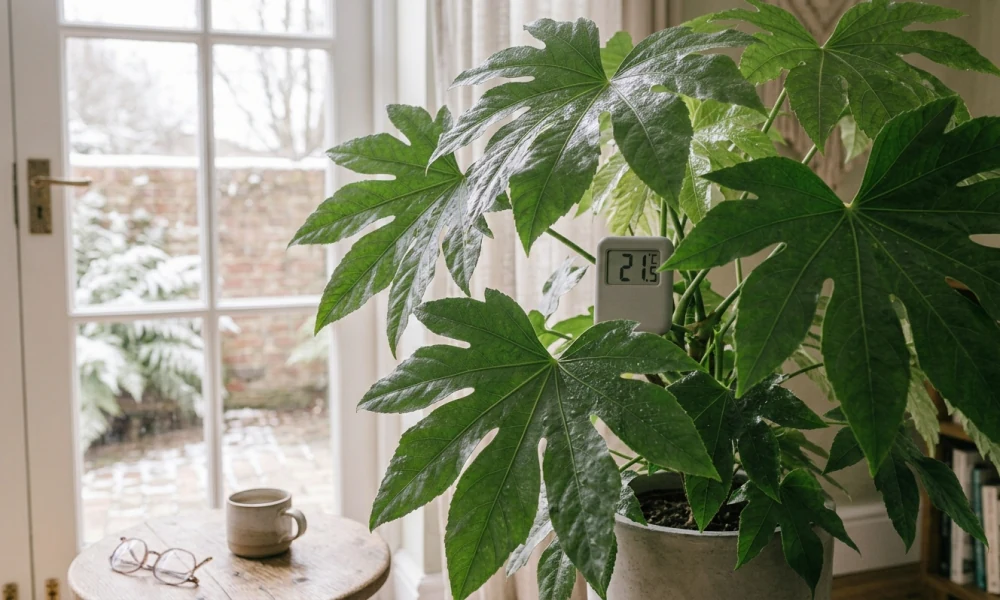
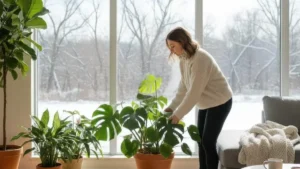
A thermostat reading does not always tell you what temperature your plant experiences. The air near a window, exterior wall, or floor can be colder than the center of the room.
Three factors help you use the table correctly.
1. Measure temperature where the plant sits
Place a basic thermometer near the plant, especially if it stands beside a window or exterior wall. Check the reading overnight, when indoor temperatures may fall.
This is particularly important for single-pane windows. The glass can become much colder than the surrounding room, exposing nearby leaves and roots to a colder microclimate.
2. Consider how long the plant stays cold
A brief overnight drop to 48°F is not the same as keeping a plant at 48°F for an entire week.
The minimums in the table should be treated as short-exposure estimates unless the cited guidance specifically describes a longer growing range. If your room stays cold for extended periods, choose a plant with a wider safety margin rather than relying on its lowest reported tolerance.
3. Remember that cold and wet soil create extra risk
Succulents and cacti may tolerate cool conditions when their soil is dry. If their roots remain in cold, wet growing medium, the risk of root damage and rot increases.
The same principle applies to other houseplants: do not water automatically just because the calendar says it is time. Check the soil and account for slower drying in cool conditions.
A practical example: a pothos beside a cold window
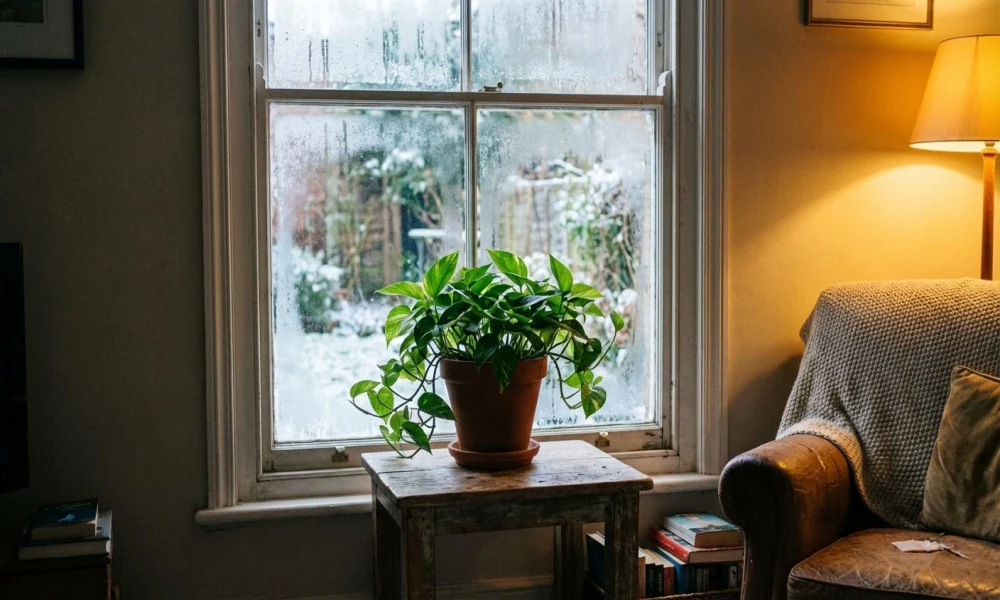
Imagine your thermostat is set to 62°F overnight, but your pothos sits on a windowsill with single-pane glass. The air and pot near the glass may become much colder than the room itself.
The plant may not show damage right away. Instead, repeated cold exposure can slow growth, cause leaves to drop, or damage foliage.
Moving the pot farther from the glass can be more effective than changing the thermostat for the entire home. A thermometer placed at plant height helps you identify the problem.
For more practical seasonal advice, see our guide to winter houseplant care.
Cold-Tolerance Claims That Do Not Hold Up
Some online lists use the phrase “cold tolerant” too broadly. A plant may survive a brief temperature dip without being suitable for a consistently cold room.
Monstera and philodendron are not cold-room plants
Monstera and philodendron sometimes appear on general cold-tolerant houseplant lists. However, they are tropical foliage plants that prefer warmer conditions.
They may tolerate a brief cool spell, but that does not make them good choices for rooms that regularly fall below the mid-50s°F. Repeated exposure can slow growth and increase the risk of chilling injury.
Peace lilies still need protection from cold
Peace lilies are sometimes described as hardy because they can adapt to indoor conditions. That should not be confused with cold tolerance. They are tropical plants and can suffer chilling injury when temperatures become too low.
A plant’s ability to survive low light or recover from occasional care mistakes does not mean it can handle cold temperatures.
Aglaonema is more sensitive than some lists suggest
Aglaonema is another example of a plant that should not be treated as cold hardy. It can show visible injury around 50°F, so it is a poor choice for a room that regularly reaches that temperature.
“Cold tolerant” does not mean frost tolerant
Most common indoor plants are tropical or subtropical. Even the more cold-tolerant choices in this guide are not suitable for freezing conditions.
Cacti and arid succulents can handle some cool temperatures, but their tolerance varies by species. Never assume that every cactus or succulent can withstand frost.
The safest interpretation is simple: cold tolerance means a plant can handle cooler indoor conditions better than a more sensitive houseplant. It does not mean the plant can live outdoors through winter.
The University of Florida IFAS guidance on chilling injury explains why tropical foliage plants can be damaged by cool temperatures well above freezing.
FAQ: Cold Tolerant Indoor Plants
What indoor plant tolerates cold the best?
Cast iron plant is one of the strongest foliage choices for cooler indoor conditions. It can tolerate brief temperatures around 45°F, although its preferred growing range is warmer. Some dry-growing cacti and succulents tolerate lower temperatures, but their limits vary by species.
What temperature is too cold for houseplants?
For many tropical houseplants, temperatures below 50°F increase the risk of chilling injury. Damage becomes more likely as temperatures approach 40°F, although the exact threshold depends on the species and exposure time. Some cool-tolerant plants and dry-growing succulents can handle lower temperatures.
Can a plant recover from chilling injury?
Some plants recover if the damage is limited. Move the plant to a stable, warmer location and avoid adding fertilizer while it is stressed. Check soil moisture before watering. Wait until new growth appears before removing badly damaged leaves, because some foliage may still be supporting the plant.
Do succulents need cold temperatures in winter?
Succulents do not need cold temperatures to survive, but some benefit from a cooler, drier rest period. Keep the soil dry enough for the species and protect the plant from frost. Cold combined with wet soil is a major risk.
Are snake plants actually cold tolerant?
Snake plants are more tolerant of cool conditions than many tropical houseplants, but they are not frost-hardy. Growers commonly place their lower tolerance around 45–50°F, with greater risk below 40°F. Keep them away from freezing window glass and unheated entryways.
Can pothos survive in a room at 50°F?
Pothos may survive brief exposure near 50°F, but growth slows in cooler conditions. A room that stays at that temperature for long periods is not ideal. Keep the plant away from cold glass and drafts, and avoid leaving its soil wet.
Final Thoughts
The best cold tolerant indoor plants depend on how low your home’s temperature actually gets. Cast iron plant, English ivy, Japanese aralia, Norfolk Island pine, and several cacti or succulents are better suited to cooler conditions than many tropical foliage plants.
Use the minimum-temperature table as a guide, not a promise. Measure the temperature near your plants, consider how long the room stays cold, and keep cool-growing succulents from sitting in wet soil. A little attention to placement can prevent more damage than choosing a plant based on a temperature claim alone.
Disclaimer: Minimum temperatures are approximate and can vary by species, variety, plant health, moisture, and exposure duration. The figures in this article are not guarantees of survival. When in doubt, keep indoor plants warmer than their reported minimums and protect them from frost and sudden temperature changes.