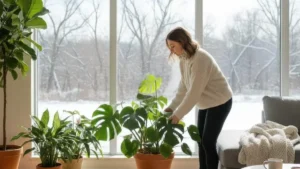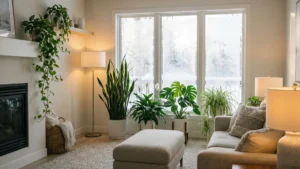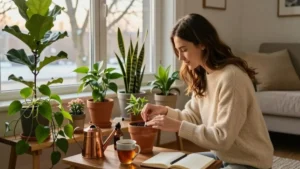

The best plants for indoor winter gardens depend on the setup you have. A sunny windowsill is ideal for mint, parsley, and chives. A shelf with a grow light can produce lettuce, spinach, and herbs, while a cool spare room can become a winter conservatory for cyclamen, English ivy, and cast iron plants. Choose plants that match your space, light, and room temperature, and you can enjoy fresh growth throughout winter.
The trick is not to grow every plant in the same conditions. Herbs, leafy vegetables, and flowering houseplants have different needs. A cool room that suits cyclamen may be too cold for basil, while a dark windowsill may keep a plant alive without producing much food.
Here are three practical indoor winter garden setups, what to grow in each, and what you can realistically expect by the end of the season.
What Makes a Good Plant for an Indoor Winter Garden?

Before choosing plants, look at three things: temperature, available light, and what you want to harvest or enjoy.
Temperature matters. Some herbs grow well in ordinary cool indoor conditions, while leafy greens prefer cooler temperatures than many summer vegetables. Flowering plants such as cyclamen also perform better in cooler rooms.
Light determines what you can produce. A bright windowsill may provide enough light for a few herbs, but lettuce and spinach usually need additional lighting for reliable winter growth indoors.
Decide what your garden should produce. If you want fresh ingredients for cooking, grow herbs. If you want edible leaves for meals, choose leafy greens. If your goal is to bring colour into a cool room, flowering and foliage plants are a better fit.
One useful rule is to build around the conditions you already have. Don’t try to grow a warmth-loving plant in a cold room if another plant would thrive there with less effort.
Build 1: The Windowsill Herb Garden – Mint, Parsley, and Chives
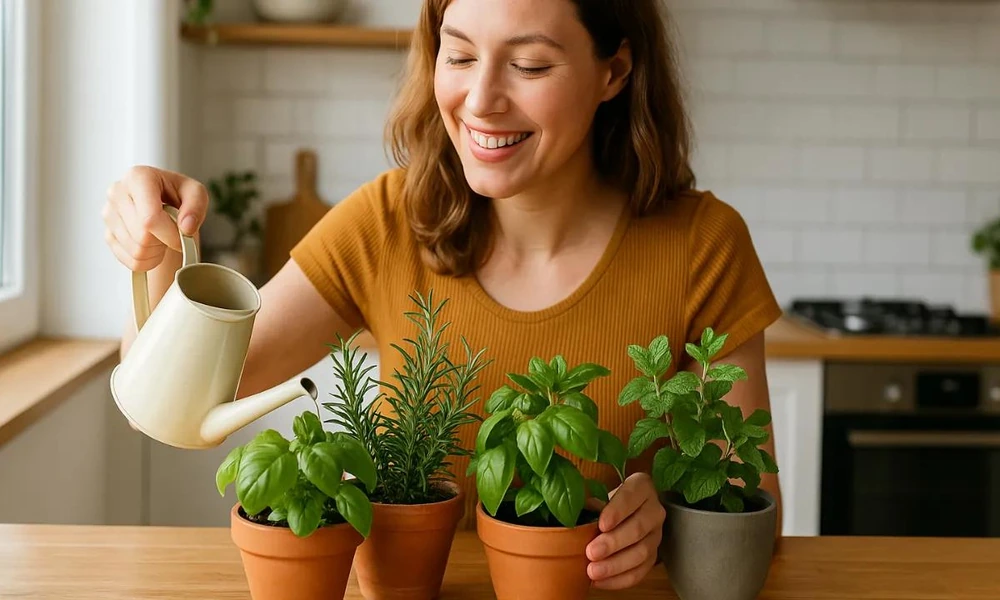
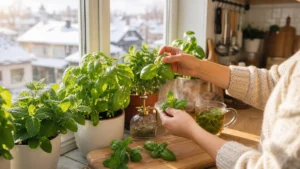
A windowsill herb garden is the simplest indoor winter garden to start. You need a bright window, three or four small pots, drainage holes, and a suitable potting mix. Mint, parsley, and chives are useful choices because they can grow indoors without requiring a large garden space.
Mint
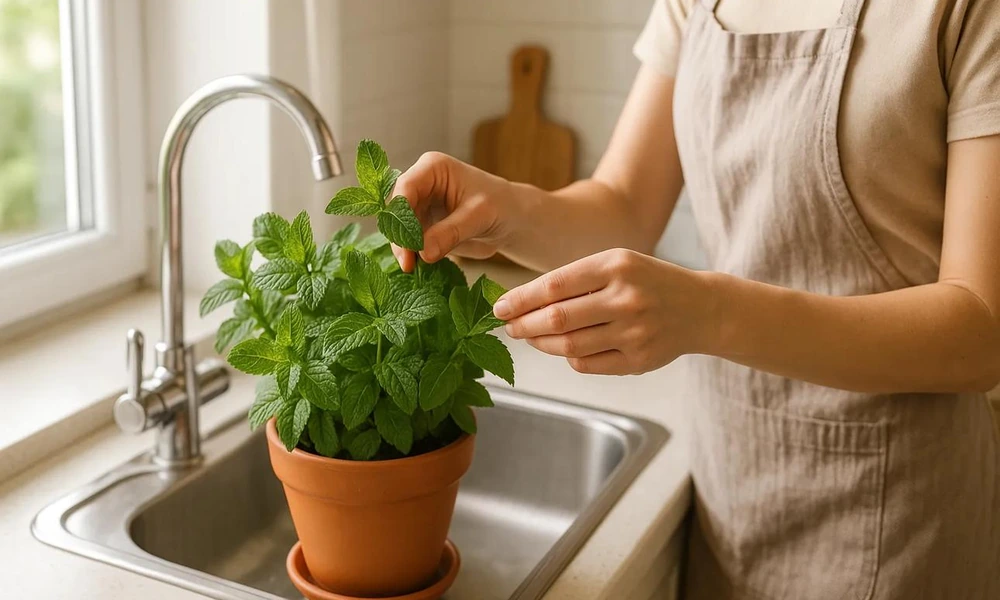
Mint is a practical herb for beginners. It grows well in containers and produces leaves you can use in tea, drinks, salads, and cooking. Give it bright natural light and keep the soil lightly moist without allowing the pot to sit in water. Mint can spread quickly, so grow it in its own container rather than mixing it with slower-growing herbs.
Parsley
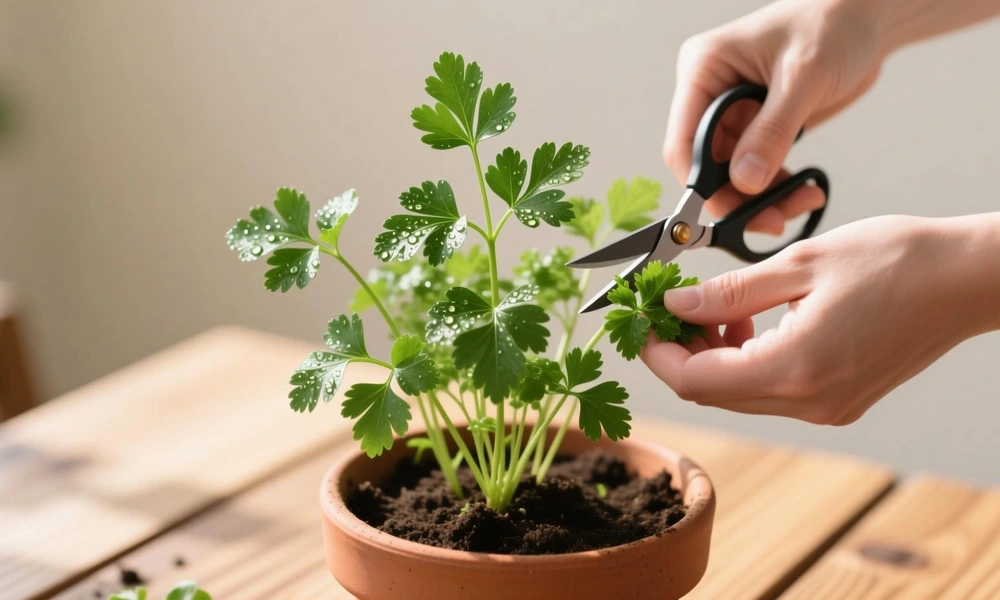
Parsley is useful for everyday cooking, but it grows more slowly than mint. Give it the brightest position available and avoid letting the soil dry out completely for long periods. You may not get a large harvest immediately, so be patient while the plant establishes itself.
Chives
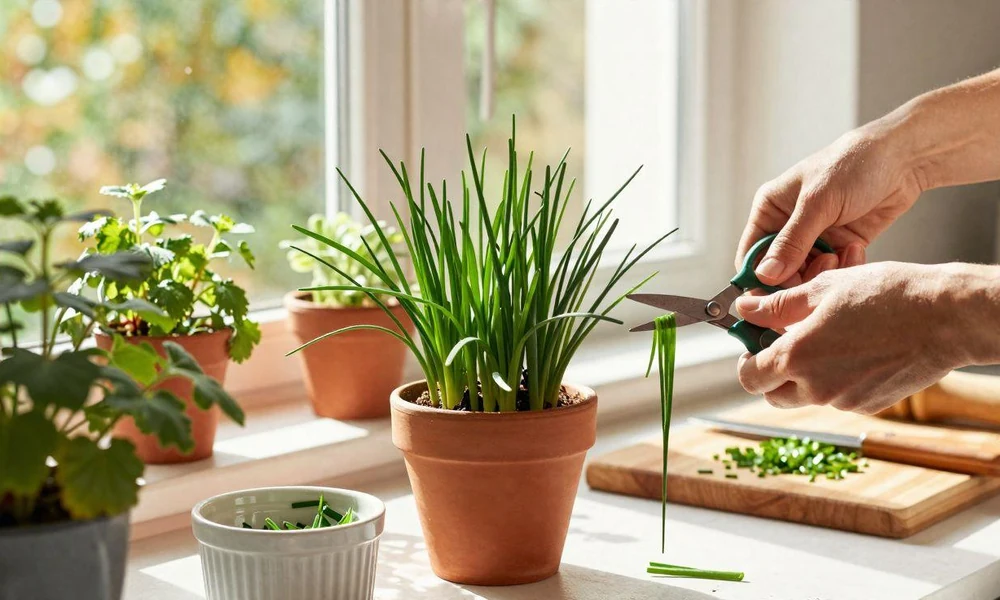
Chives are another good windowsill choice. Their narrow leaves can be cut as needed and added to soups, eggs, and other meals.
If you already have an established outdoor clump, you may be able to divide and pot a section for indoor growing. Give it good light and use a container with drainage.
For more practical advice on choosing and growing kitchen herbs, see our guide to indoor kitchen plants and herbs.
What this build produces: Small, regular harvests for flavouring meals and drinks. A windowsill garden won’t provide enough herbs to replace every grocery-store purchase, but it can give you fresh leaves whenever you need them.
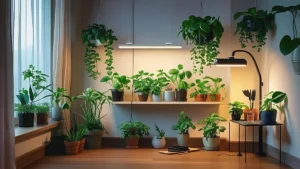
Build 2: The Grow-Light Shelf Garden – Lettuce, Spinach, and Herbs
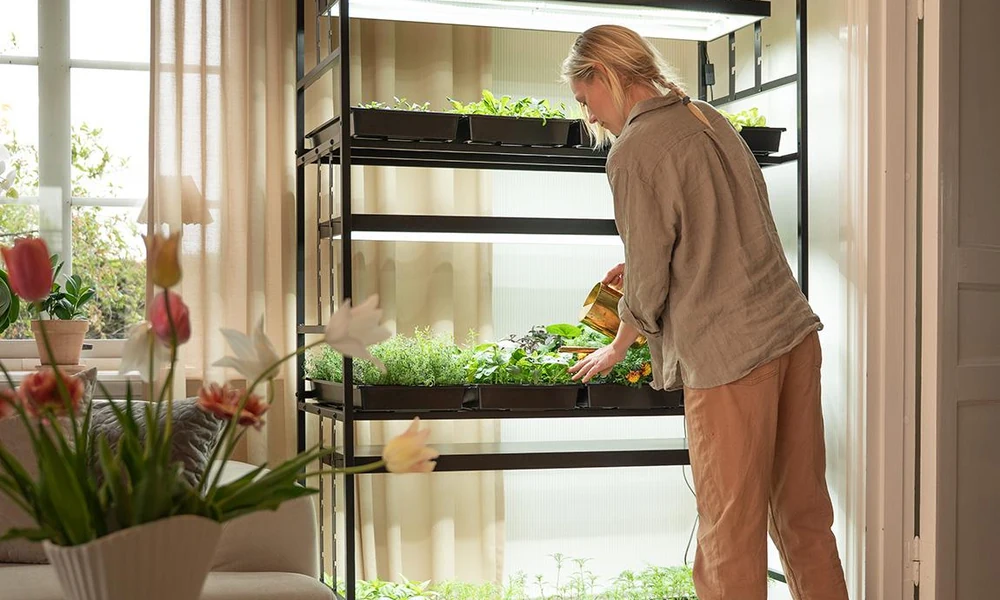
If you want more than a few herbs, a grow-light shelf is a better option. It gives you room for several containers and lets you control how much light your plants receive.
A basic setup includes:
- A sturdy shelf or plant rack
- An LED grow light suitable for edible plants
- Small pots or growing trays with drainage
- Quality potting mix
- Seeds for lettuce, spinach, and suitable herbs
Position the light above the plants and follow the manufacturer’s recommended distance. Many indoor growing setups use around 12–14 hours of supplemental light daily, although the exact requirement depends on the light and crop.
Lettuce
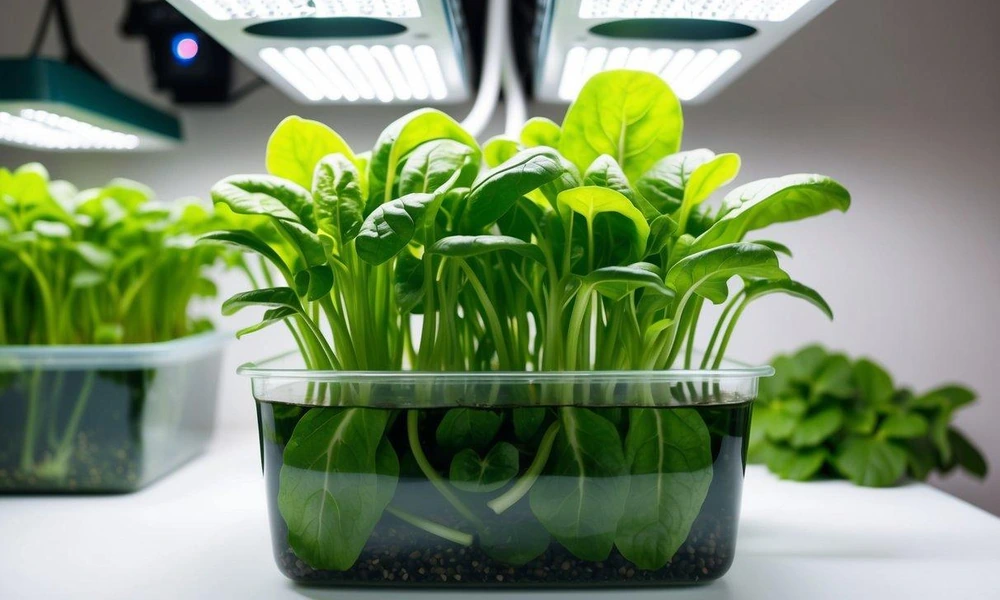
Loose-leaf lettuce is one of the most practical vegetables for an indoor winter garden. You can harvest the outer leaves while allowing the centre to continue growing.
Choose compact or loose-leaf varieties that fit your available shelf space. Sow small batches at intervals rather than planting everything at once. This helps spread out your harvest.
Lettuce generally prefers cooler growing conditions. TheUniversity of Wisconsin–Madison Extension guide to growing salad greens explains suitable temperatures and growing conditions for leafy crops.
Spinach
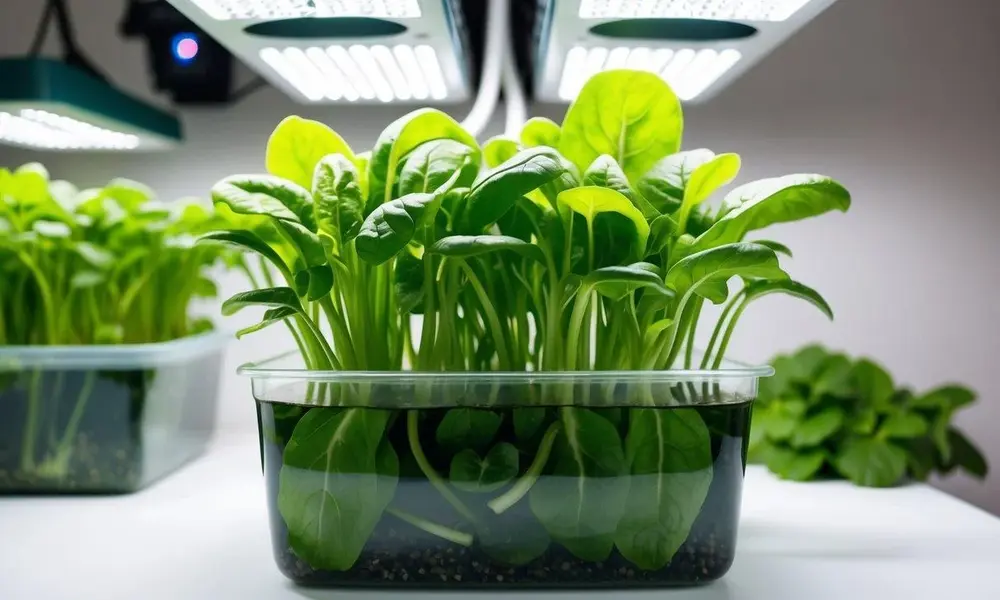
Spinach is another cool-season crop that can work well indoors under suitable lighting. It prefers cooler conditions and can struggle when temperatures become too warm.
Use a container with enough depth for its roots, keep the soil evenly moist, and provide sufficient light. Harvest young leaves when the plants are established.
Basil and Other Herbs
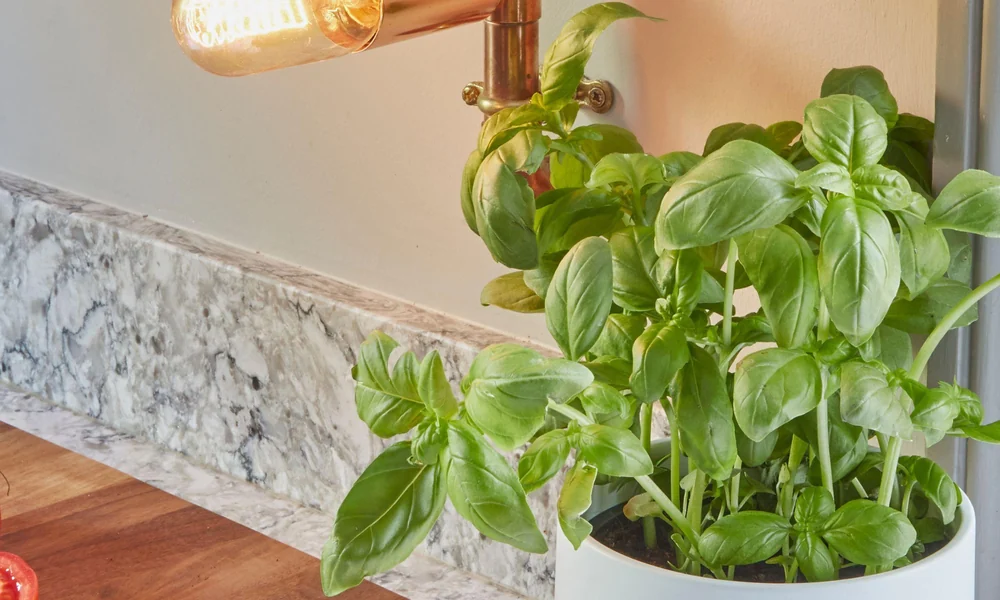
Basil can grow indoors during winter, but it needs warmer conditions and good light compared with cool-season greens.
If you’re growing basil alongside lettuce and spinach, place it where it receives suitable warmth and light. Don’t assume every herb will thrive at the same temperature.
What this build produces: Fresh leafy greens for salads, sandwiches, and cooking. Harvests depend on the variety, light strength, growing space, and how consistently you sow new seeds.
Can You Use a Hydroponic Setup Instead?
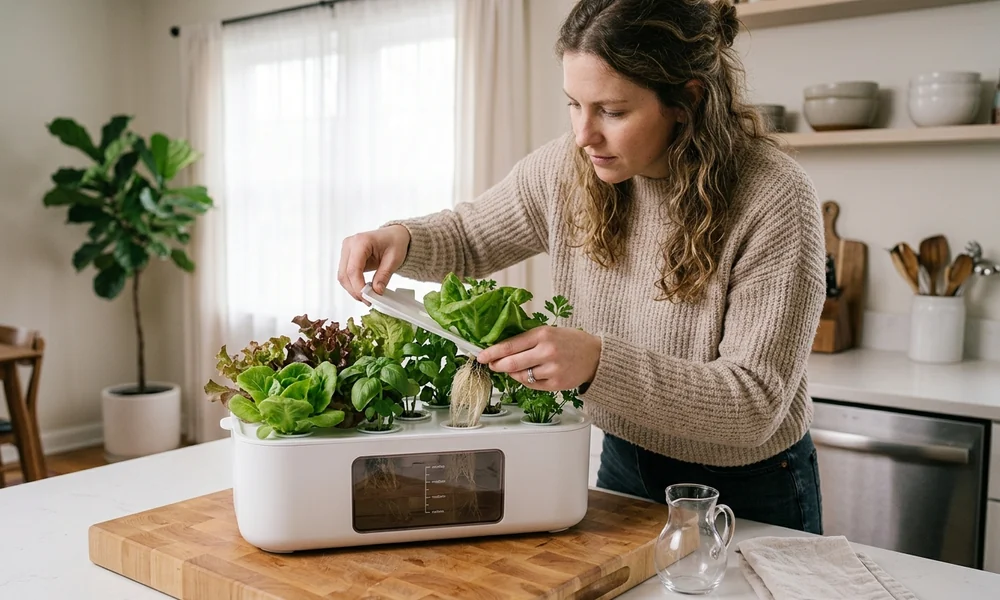
Yes. A hydroponic system grows plants without traditional soil by supplying water and nutrients to their roots. It can be useful when you have limited space or prefer a more controlled growing setup. Leafy greens and some herbs are common choices.
However, hydroponics still requires attention. You need to monitor the nutrient solution, water level, lighting, and cleanliness of the system. It isn’t automatically easier than growing plants in pots.
Build 3: The Cool-Room Winter Conservatory – Cyclamen, Ivy, and Cast Iron Plant
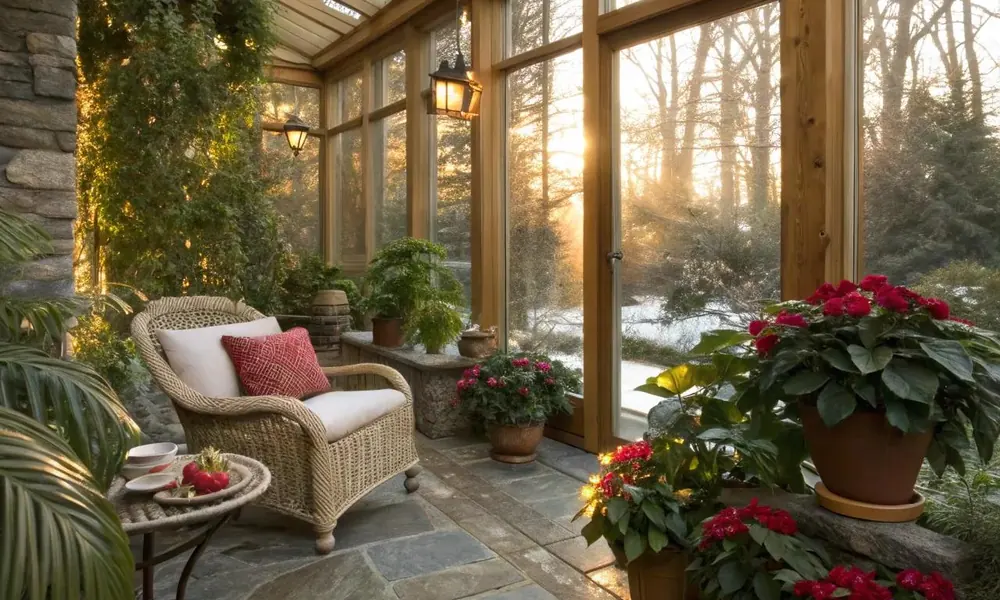
Not every indoor winter garden needs to produce food. If you have a cool spare room, enclosed porch, or bright area that stays cooler than the rest of your home, you can create a small winter conservatory. This setup focuses on plants that appreciate cooler indoor conditions and add flowers or greenery during the colder months.
Cyclamen
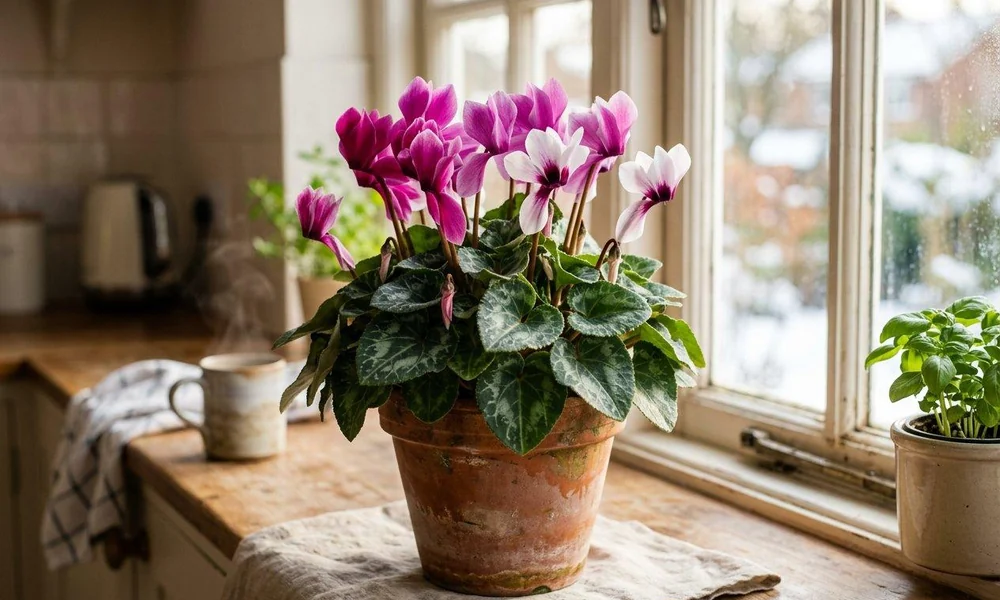
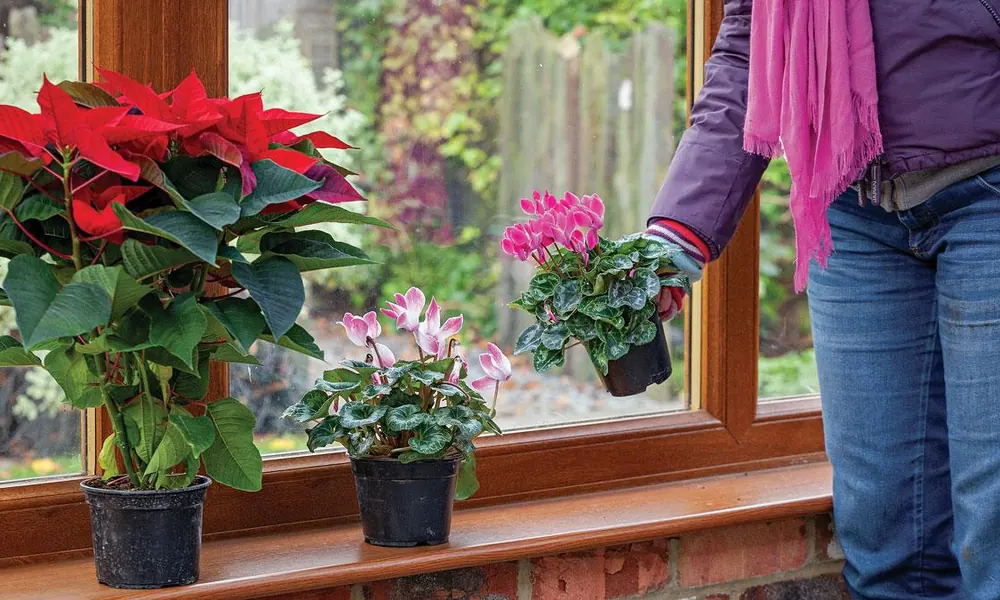
Cyclamen is one of the most attractive choices for a cool winter room. It produces colourful flowers and patterned leaves, making it a good seasonal centrepiece.
It generally prefers cool conditions, with daytime temperatures around 60–65°F and cooler nights. Warmer rooms can shorten flowering and cause the plant to struggle.
Give it bright, indirect light and avoid keeping its soil constantly wet. Water carefully around the edge of the pot or from below, allowing excess water to drain.
Our indoor cyclamen care guide explains its watering, light, and seasonal needs.
English Ivy
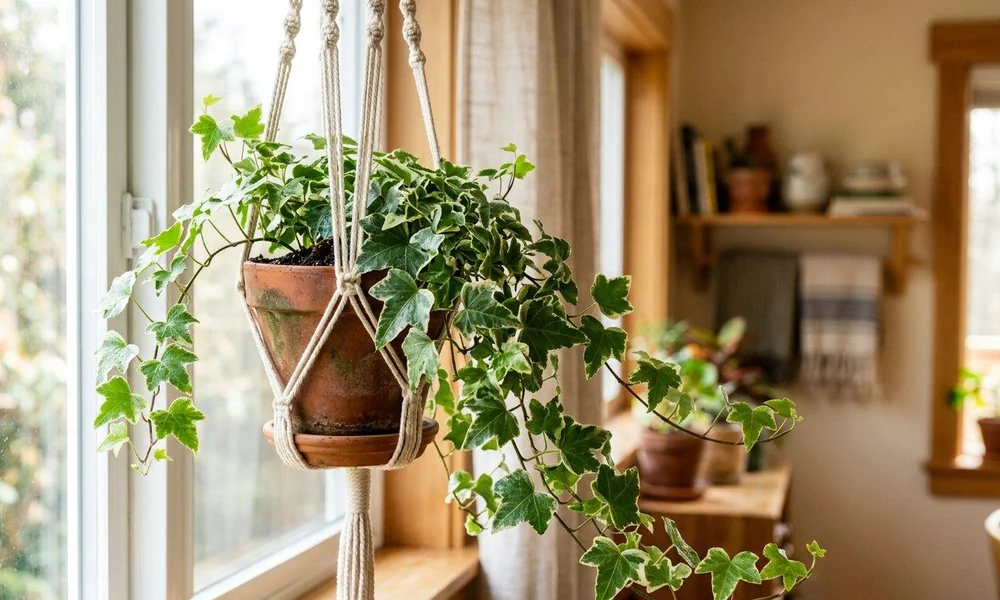
English ivy is useful when you want trailing greenery. Its vines can grow along shelves, hang from containers, or cover a small support.
It generally prefers cooler conditions and does not appreciate hot, dry air. Give it bright indirect light or suitable partial shade, depending on the variety.
Keep the soil lightly moist but not waterlogged, and check the leaves regularly for pests.
You can find more detailed advice in our guide to caring for ivy indoors.
Cast Iron Plant
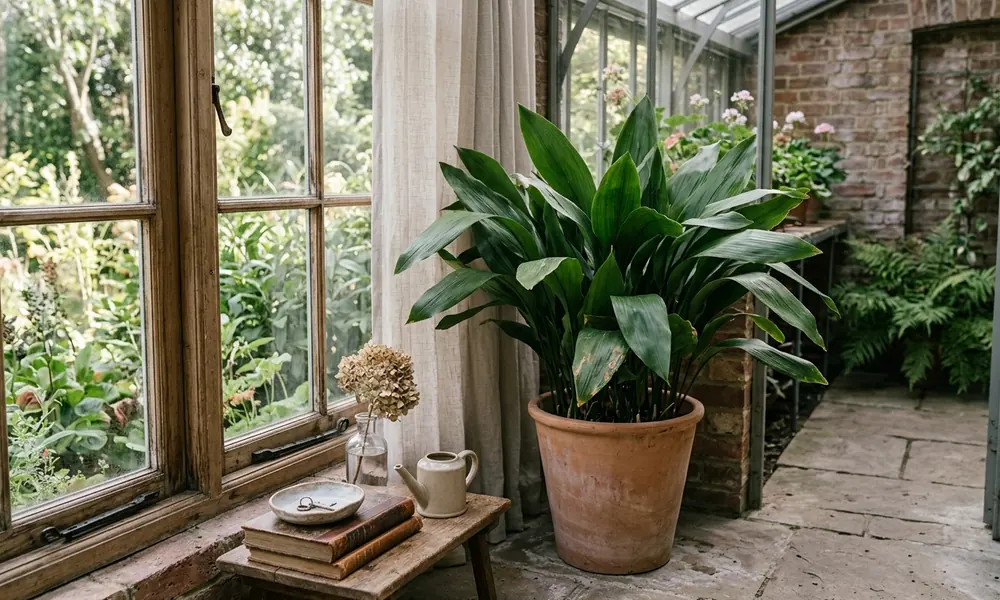
Cast iron plant is a good option for a corner that doesn’t receive strong natural light. Its broad green leaves add structure and contrast to a winter plant display.
It grows slowly and tolerates lower-light conditions better than many indoor plants. However, it still needs some natural or suitable artificial light.
Water when the upper soil begins to dry and make sure the pot drains properly. Keep it away from freezing windows and sudden temperature changes.
What this build produces: A greener, more colourful room during winter. Cyclamen provides seasonal flowers, while ivy and cast iron plant add lasting foliage.
Comparing the Best Plants for Indoor Winter Gardens
Choosing between the three setups becomes easier when you compare their space, lighting, and results.
| Indoor garden setup | Space needed | Light requirements | Best plants | Expected results |
| Windowsill herb garden | Small windowsill | Bright natural light | Mint, parsley, chives | Fresh herbs for cooking |
| Grow-light shelf garden | Shelf or plant rack | Supplemental LED lighting | Lettuce, spinach, basil | Harvestable leafy greens |
| Cool-room conservatory | Spare room or cool area | Bright or suitable indirect light | Cyclamen, ivy, cast iron plant | Winter flowers and greenery |
Choose the windowsill setup if you want something inexpensive and easy to manage. Choose the grow-light shelf if your priority is fresh vegetables. If you mainly want to enjoy flowers and foliage, the cool-room conservatory is the better fit.
You can also combine setups. For example, keep herbs on the kitchen windowsill and grow lettuce under a light in another corner.
Indoor Winter Garden Care: Less Water, Better Light
Once your indoor winter garden is ready, a few simple habits will help keep it healthy.
Water According to the Plant
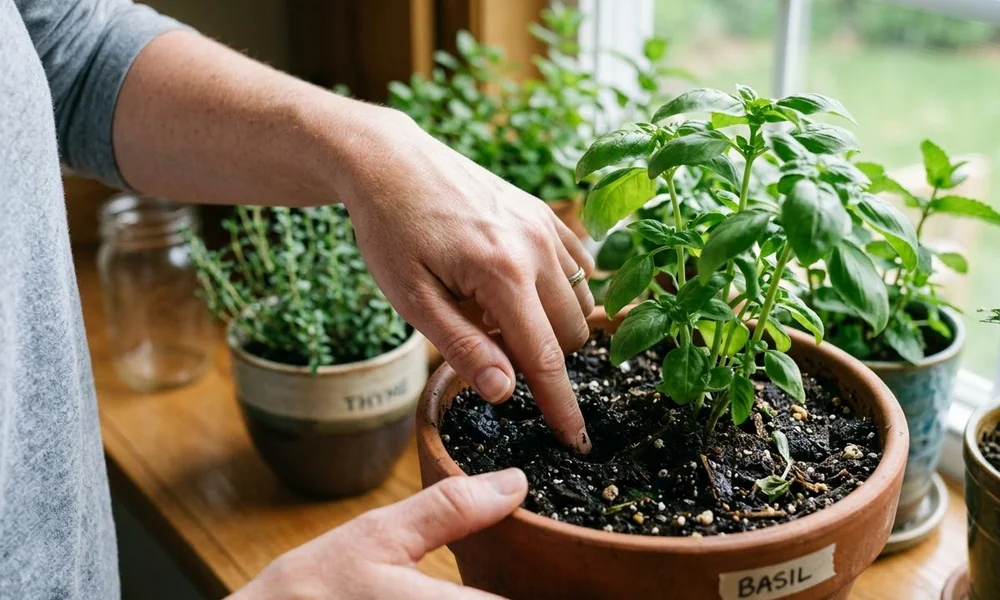
Don’t give every pot the same amount of water on the same schedule. Herbs and leafy vegetables may need more consistent moisture while actively growing. Succulent or foliage plants have different requirements. Check the soil before watering. If it is still wet, wait. Make sure every container has drainage holes and remove excess water from trays.
Give Edible Plants Enough Light
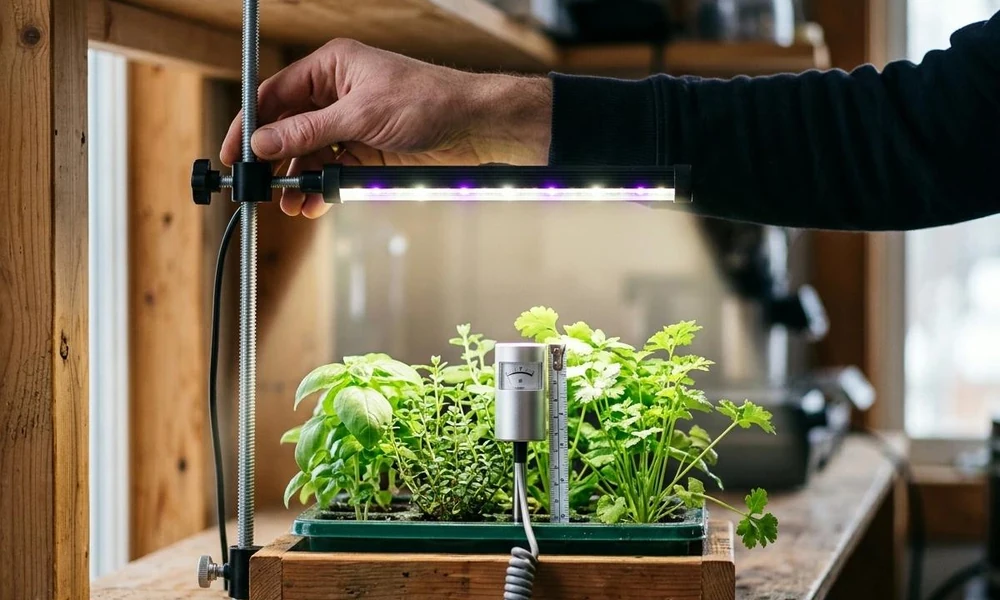
Winter daylight is often insufficient for growing vegetables indoors, especially in rooms with small windows or limited sun exposure. If your lettuce and spinach look stretched or produce weak leaves, check their lighting first. A suitable grow light can provide more consistent conditions.
Avoid Overcrowding
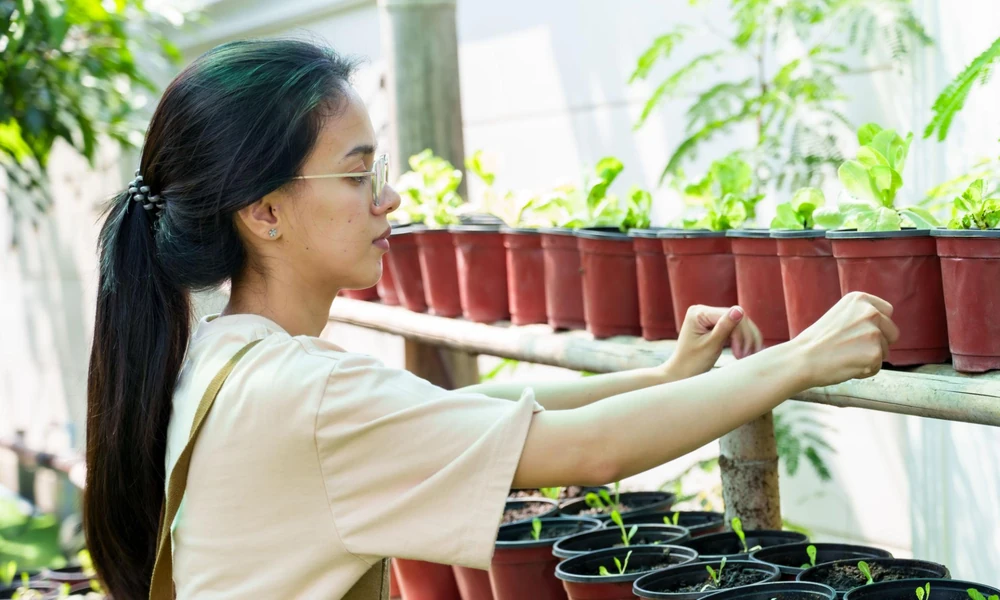
Plants need room for air movement and healthy growth. If leaves overlap heavily or containers are packed together, move some pots to another shelf. Good spacing also makes it easier to inspect leaves and notice pests early.
Don’t Expect Every Plant to Grow Quickly
Some plants grow slowly during winter, even indoors. Herbs may take time to establish, while leafy greens can produce more quickly when they receive enough light. Keep your expectations realistic. A small indoor garden can provide useful harvests, but it won’t necessarily replace the vegetables and herbs you normally buy.
Be Careful With Fertilizer
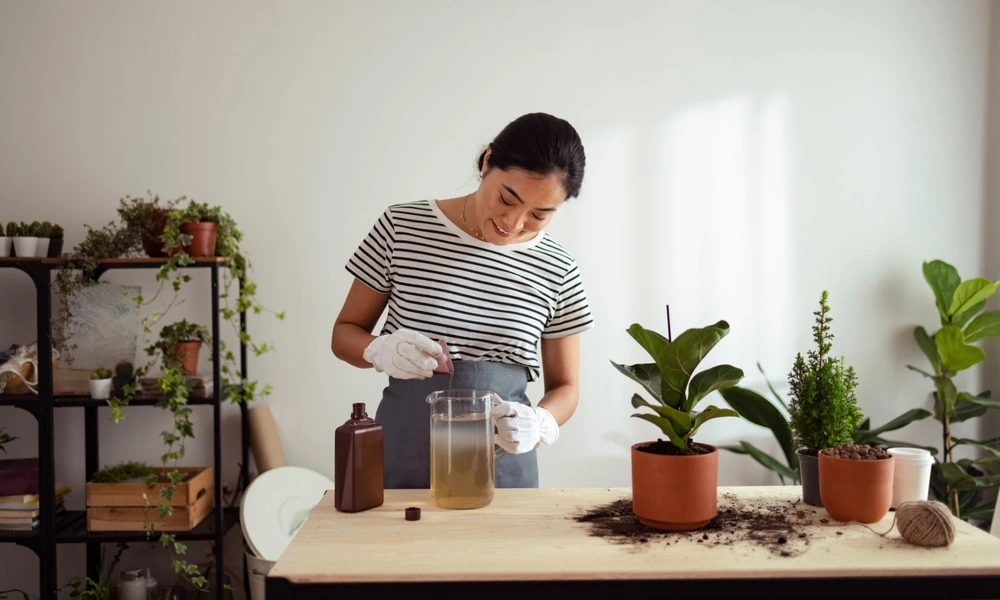
Edible plants growing actively under lights may need nutrients as they develop. Follow the instructions for the growing medium and fertilizer you use. For ornamental plants that are resting or growing slowly, avoid unnecessary feeding. Too much fertilizer can create more problems than it solves.
For broader seasonal guidance, our winter houseplant care guide covers the basic adjustments indoor plants need during colder months.
FAQ: Best Plants for Indoor Winter Gardens
What can I grow in an indoor winter garden?
You can grow herbs, leafy vegetables, and cool-loving ornamental plants. Mint, parsley, and chives suit bright windowsills. Lettuce and spinach can grow under suitable LED lights, while cyclamen, English ivy, and cast iron plants add flowers and foliage to cooler rooms.
Do I need a grow light for an indoor winter garden?
Not always. A bright windowsill may provide enough light for a small herb garden. However, lettuce and spinach usually need supplemental lighting for reliable indoor winter production. Ornamental plants may manage with natural window light if the room is bright enough.
What temperature does an indoor winter garden need?
It depends on what you grow. Indoor herbs generally do well around 60–70°F. Lettuce prefers cooler conditions, with daytime temperatures around 65–70°F and nights around 45–55°F. Cyclamen prefers cool rooms, with daytime temperatures around 60–65°F and cooler nights.
Which herbs grow best indoors in winter?
Mint, parsley, and chives are useful choices for a bright indoor windowsill. They offer different flavours and can be harvested in small amounts for cooking. Basil can also grow indoors, but it generally needs warmer conditions and stronger light than these cool-season herb choices.
Is an indoor winter garden worth it?
Yes, if you want fresh herbs, small vegetable harvests, or greenery during the colder months. A windowsill herb garden is inexpensive to start, while a grow-light shelf requires more equipment. The main benefit is having fresh growth at home rather than expecting the garden to replace all your grocery shopping.
Can I grow vegetables other than leafy greens indoors in winter?
Yes, but your options depend on space and lighting. Radishes, green onions, and microgreens can be suitable choices under the right conditions. Fruiting plants such as tomatoes and peppers generally need stronger light, more space, and warmer conditions, making them more demanding winter projects.
Start With the Indoor Winter Garden That Fits Your Home
The best indoor winter garden isn’t necessarily the biggest one. It is the setup that matches your available light, room temperature, space, and expectations.
Start with a few herbs if you have a sunny windowsill. Add a grow-light shelf if you want fresh lettuce and spinach. Choose cyclamen and foliage plants if you want to bring life into a cool room.
You can always expand later. A small garden that produces a few useful harvests or keeps a room looking green is a better starting point than an ambitious setup that becomes difficult to maintain.
Disclaimer: Plant growth, harvest size, and flowering depend on plant variety, indoor temperature, lighting, watering, and growing conditions. Temperature ranges are general growing guidance, not guarantees. Always follow the care requirements of the specific varieties you choose.