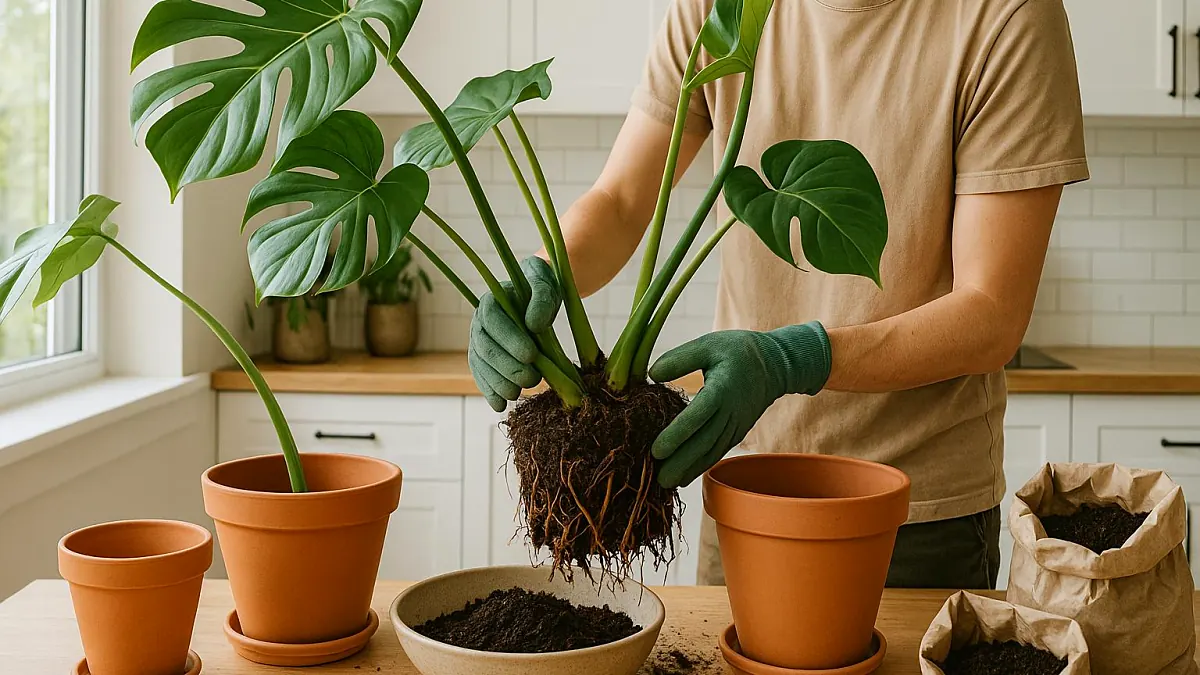
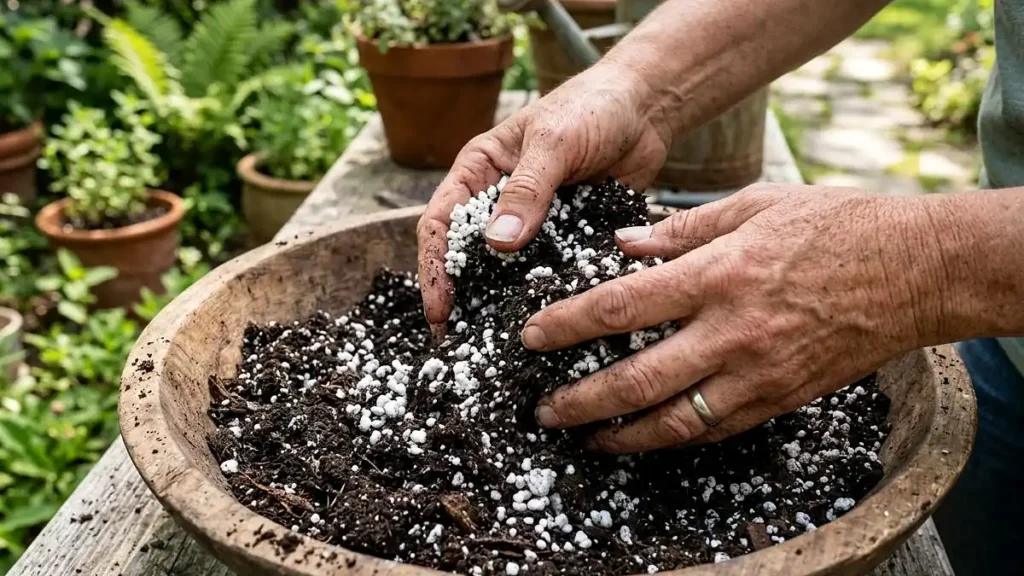
Potting mix aeration means keeping enough air spaces in your plant’s growing medium for roots to receive oxygen. When the potting mix becomes compacted or stays saturated, those spaces shrink, making it harder for roots to function properly. You can improve aeration by choosing suitable ingredients such as perlite, pumice, and bark, and by refreshing old, compacted mix when necessary.
Watering is only part of healthy plant care. Roots need oxygen too. If your pots stay wet for too long, water pools on the surface, or your plants struggle despite regular care, compacted potting mix may be contributing to the problem.
Key Takeaways
- Healthy roots need both moisture and oxygen.
- Compacted potting mix loses the air spaces roots need.
- Perlite improves airflow and drainage, while vermiculite helps retain moisture.
- Pumice and bark create longer-lasting spaces in suitable mixes.
- Mix ratios should match the plant, climate, and watering habits.
- Gentle loosening may help some pots, but badly compacted or rootbound plants may need fresh mix.
AI Overview: How Do You Aerate Potting Mix?
To aerate potting mix, use ingredients that create air spaces throughout the growing medium. Perlite and pumice help improve airflow, while chunky bark adds structure. Choose a mix suited to your plant, avoid pressing the soil down too firmly, and check for compaction over time. If the mix has become sour, dense, or heavily rootbound, refreshing it during repotting is usually more effective than simply loosening the surface.
Why Roots Need Air as Much as Water
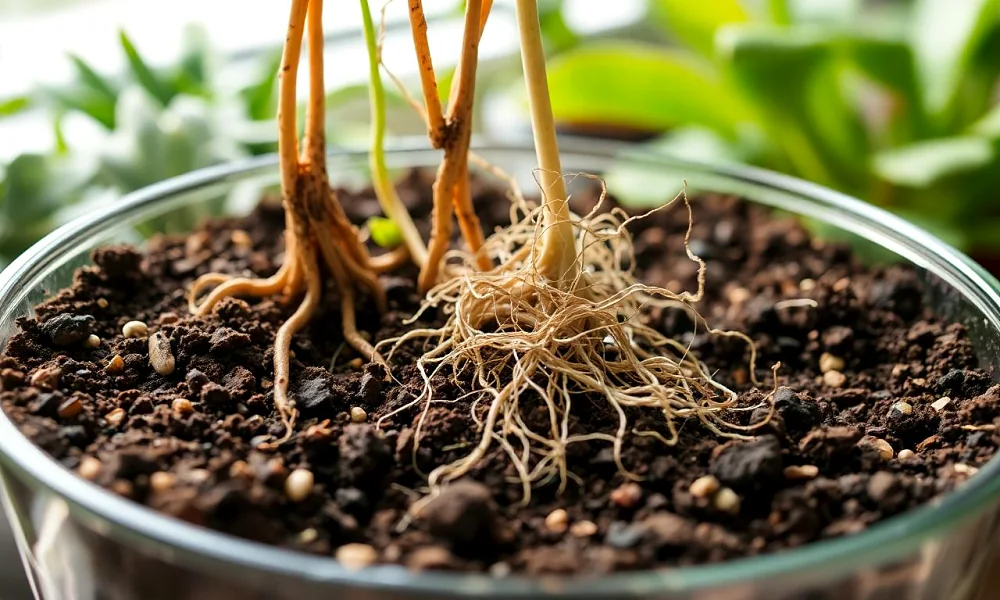
Plant roots need oxygen to carry out the processes that support water and nutrient uptake. Healthy potting mix contains small spaces between its particles. These spaces hold both air and water, giving roots access to what they need.
When the mix remains saturated, water fills many of those air spaces. Roots can then struggle to get enough oxygen. If the problem continues, growth may slow and root damage can develop.
Compaction makes the situation worse. Repeated watering causes fine particles and organic materials to settle. As the mix becomes denser, water and air move through it less effectively.
This is why a plant can wilt even when its soil feels wet. Damaged or oxygen-starved roots may not absorb water properly.
Signs Your Potting Mix Is Compacted
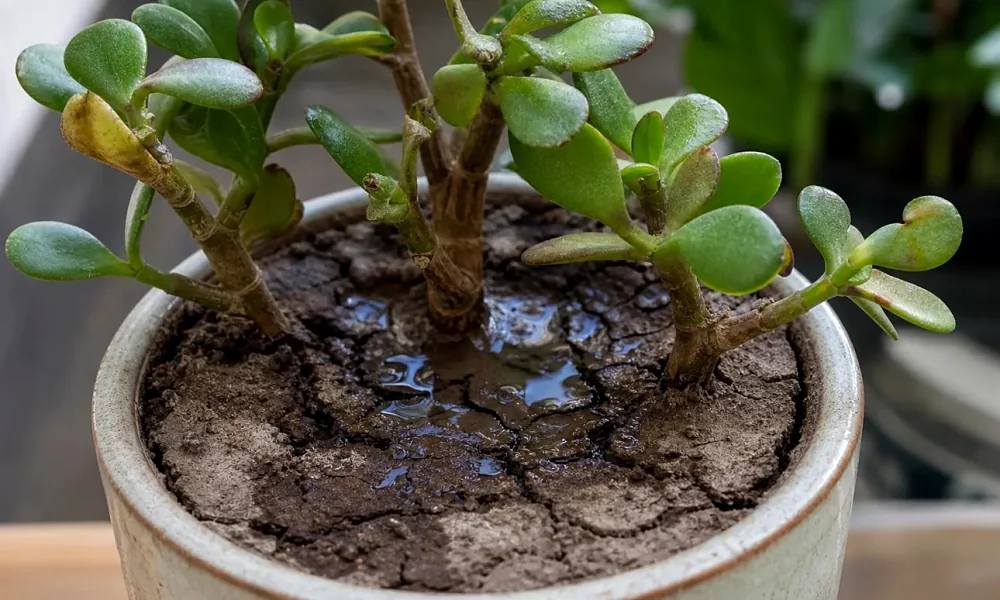
A compacted growing medium often shows several warning signs. Check your pot if it stays wet for an unusually long time or your plant stops growing without an obvious reason.
Look for these symptoms:
- Water pools on the surface: Water takes a long time to soak into the mix.
- A hard surface crust forms: The top layer becomes firm, making watering less effective.
- The mix pulls away from the pot: Water may run down the sides instead of soaking the root ball.
- The pot stays heavy: The growing medium remains damp long after watering.
- Growth slows: Leaves may yellow or the plant may wilt despite moist soil.
- The mix smells unpleasant: A sour or swampy smell can indicate persistently wet conditions.
One sign alone does not prove compaction. Check the watering routine, drainage holes, and roots before deciding what the plant needs.
Ingredients That Keep Potting Mix Airy
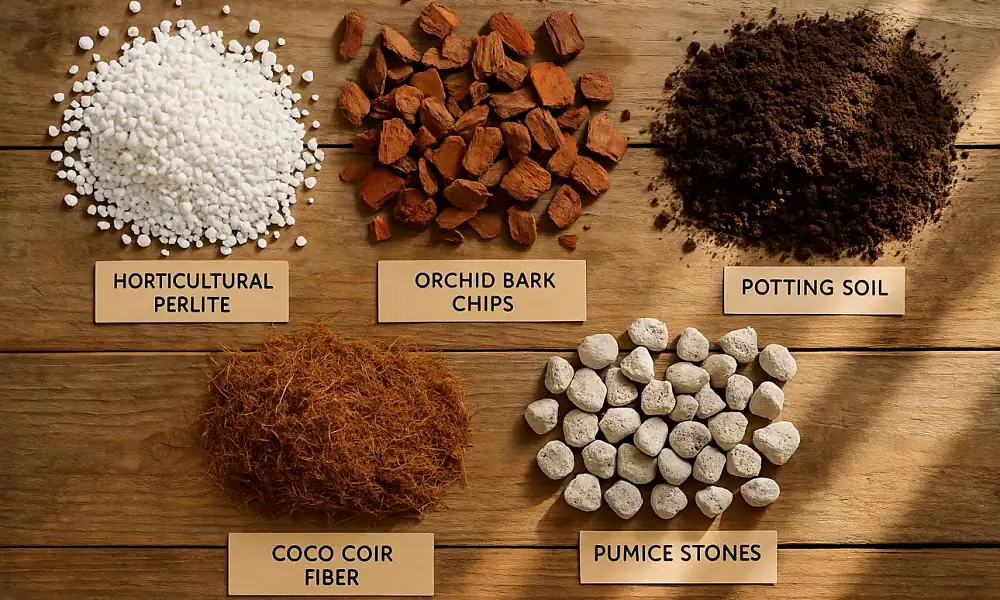
The right amendments help create a balance of air, water, and structure. Four common materials can improve a growing medium, but they do not all perform the same job.
Perlite
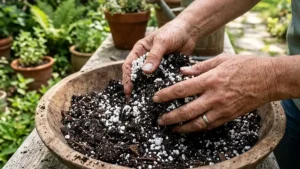
Perlite is a lightweight material made from expanded volcanic glass. Its porous particles help create air spaces and allow excess water to move through potting mix.
It is useful for many houseplants, especially those that need a more freely draining growing medium. You will often see small white particles of perlite in commercial potting mixes.
Vermiculite
Vermiculite is a mineral amendment that helps retain moisture and nutrients. It is useful for plants and growing situations that need a more moisture-retentive medium, including some seed-starting mixes.
It is not a direct substitute for perlite. Choose it when moisture retention is important rather than using it as the main ingredient for a mix that needs to dry quickly.
Pumice
Pumice is a porous, heavier material that helps maintain air spaces in potting mix. It is more resistant to crushing than some lightweight amendments, making it useful in mixes where a longer-lasting structure is desirable.
Bark Fines and Orchid Bark
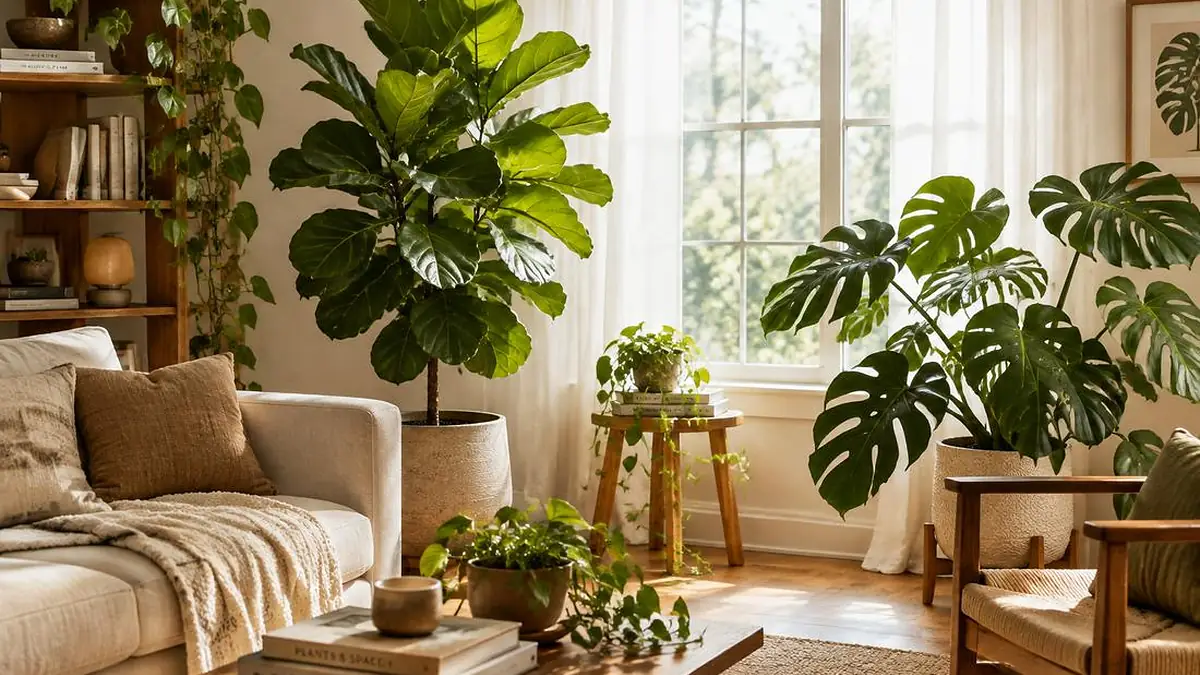
Bark pieces create larger spaces within a growing medium. They are particularly useful in chunky mixes for aroids such as monstera and philodendron.
Choose a suitable horticultural bark size for the container and plant. Very large pieces may leave excessive gaps in smaller pots.
Perlite and vermiculite are often compared, but they serve different purposes.
How to Choose a Good Bag of Potting Mix
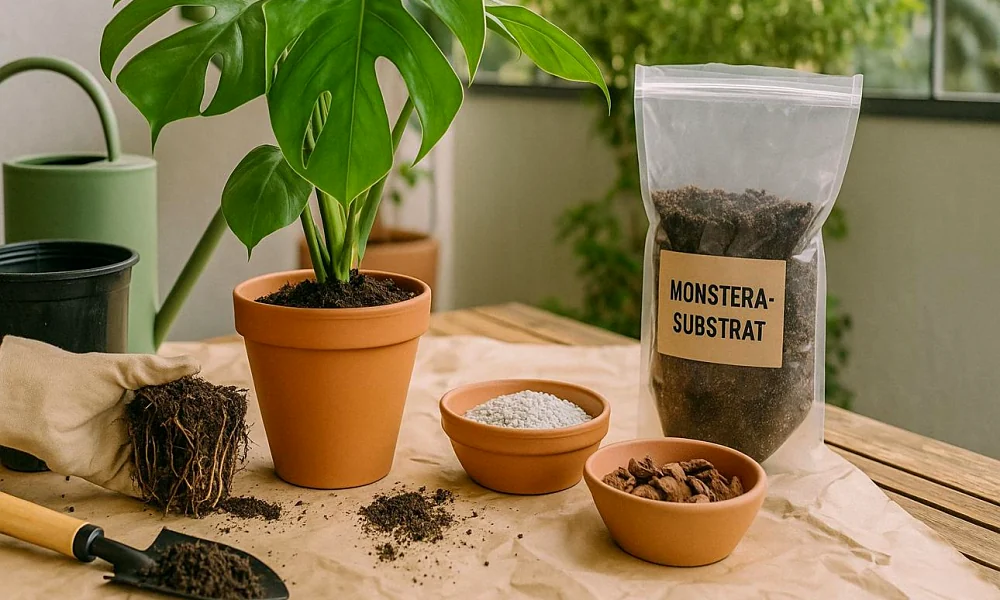
Good aeration starts with the growing medium you bring home. Before buying a bag, look at its texture, condition, and ingredients.
Check the texture: A suitable mix should feel reasonably loose rather than like dense, wet mud. It should not remain compressed like a hard brick after being squeezed.
Look at the ingredients: Visible perlite, bark, or other suitable amendments can indicate that the mix contains materials intended to improve its structure. The best combination depends on the plants you want to grow.
Check the bag condition: Avoid bags that are torn, sitting in standing water, or noticeably sour-smelling when opened.
Consider its weight: An unusually heavy bag may contain excess moisture. Check its condition rather than judging quality by weight alone.
No single visual check guarantees a good growing medium. Read the ingredient information and choose a product suited to your plant.
Simple Potting Mix Aeration Ratios by Plant Type
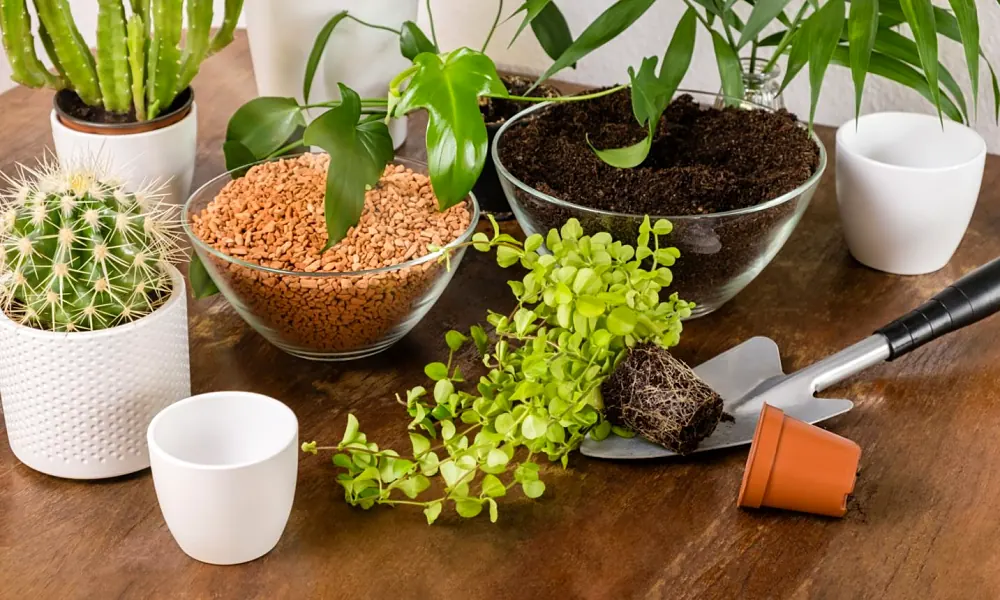
Different plants need different balances of moisture and air. The following recipes are practical starting points, not fixed horticultural standards.
| Plant type | Starting recipe | Main goal |
| Standard tropicals, such as pothos and spider plants | 3 parts all-purpose mix to 1 part perlite | Retain moisture while improving airflow |
| Succulents and cacti | 1 part potting mix, 1 part coarse sand or perlite, 1 part grit | Create a fast-draining mix |
| Aroids, such as monstera and philodendron | Roughly equal parts potting mix, orchid bark, and perlite | Build a chunky, airy growing medium |
| Seed starting | Fine seed-starting mix or coir lightened with perlite | Keep the medium light and suitable for young roots |
Adjust these ratios to your growing conditions. Climate, humidity, container material, and watering habits all affect how quickly a mix dries.
For example, a plant in a warm, dry room may need a more moisture-retentive mix than the same plant in a cool, humid space. Avoid treating any recipe as a universal formula.
How to Aerate Potting Soil Without Repotting
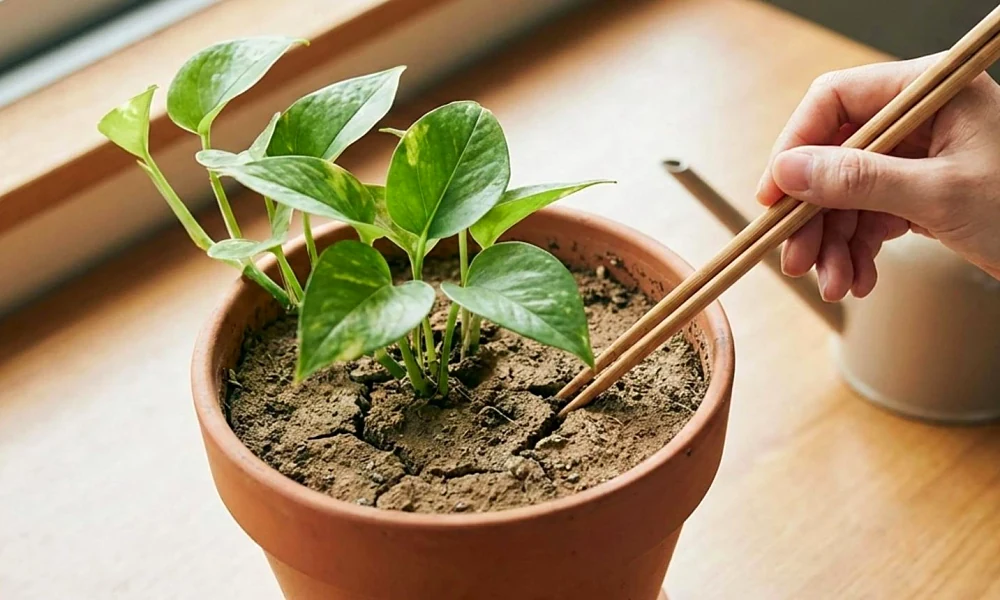
If the mix is only mildly compacted, you may be able to improve its surface structure without replacing everything.
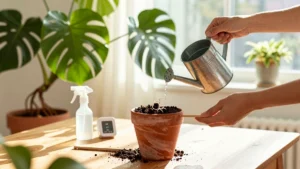
One gentle method uses a wooden chopstick or blunt plant stake. Insert it carefully into a few areas of the mix, avoiding the main root zone where possible. Move it gently rather than forcing it through resistance.
This may open small channels in the growing medium, but it is not a permanent solution for badly compacted soil. Avoid the method around plants with delicate or densely packed roots, because inserting a stick can cause damage.
You can also remove a thin layer of crusted surface material and replace it with fresh potting mix. Do not scrape deeply or disturb exposed roots.
If water still drains poorly or the pot remains wet for too long, check the drainage holes and consider whether the plant needs fresh growing medium.
When Potting Mix Aeration Is Not Enough
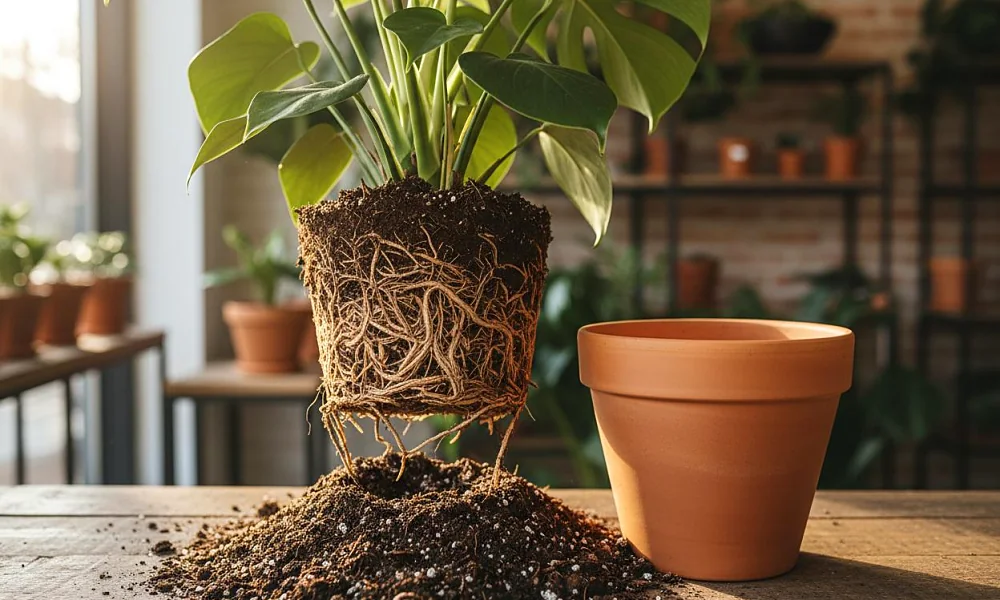
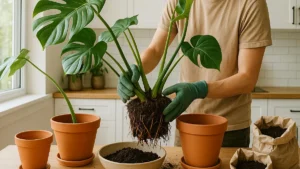
Sometimes loosening the mix will not solve the problem. A growing medium that has broken down, developed a sour smell, or become heavily compacted may need replacing.
Rootbound plants also need more than surface aeration. When roots form a dense mass around the root ball, they can leave very little usable growing medium. The Royal Horticultural Society explains that congested roots can interfere with drainage and contribute to root rot.
Check the rootbound plant signs if you suspect the roots have outgrown their container.
When repotting is necessary, choose a fresh growing medium that suits the plant rather than simply adding more perlite or bark to the old mix. The RHS repotting guide explains how to inspect roots and refresh container compost.
You can also make use of suitable reused garden materials for some container projects. Explore our ideas for recycled garden ideas.
Potting Mix Aeration FAQs
1. What is potting mix aeration?
Potting mix aeration is the process of maintaining air spaces within a growing medium so plant roots can receive oxygen. A well-structured mix holds enough moisture for the plant while allowing excess water to move through.
2. How do I aerate potting soil?
Use suitable amendments such as perlite, pumice, or bark to improve the structure of the mix. For mild surface compaction, gently loosen the top layer without disturbing the roots. If the mix is badly compacted, replacing it may be the better option.
3. Does perlite help aerate potting mix?
Yes. Perlite creates pore spaces that help air and water move through the growing medium. It is commonly added to houseplant mixes to improve aeration and drainage.
4. What is the difference between perlite and vermiculite?
Perlite is mainly used to improve airflow and drainage, while vermiculite is better known for retaining moisture and nutrients. Choose perlite when you want a more freely draining mix and vermiculite when the growing medium needs to hold more moisture.
5. How do I know if my potting mix needs aeration?
Signs include water pooling on the surface, a hard soil crust, slow growth, and a pot that remains damp for an unusually long time. A sour smell may also indicate that the mix has stayed too wet. Check the roots and drainage before choosing a fix.
6. Can I aerate potting soil without repotting?
Sometimes. You can gently loosen the surface or replace a thin crusted layer with fresh mix. These methods may help with mild compaction, but they will not restore a growing medium that has broken down or become heavily compacted.
7. How often should I aerate potting mix?
There is no fixed schedule for every plant. Check the condition of the growing medium during routine plant care. If it remains loose and drains appropriately, there is no need to disturb it. Avoid repeatedly poking the soil because this can damage roots.
8. When should I replace the compacted potting mix?
Replace it when the mix has become dense, smells sour, drains poorly, or no longer supports healthy root growth. If the plant is also rootbound, repotting with a fresh, suitable growing medium is usually more effective than trying to loosen the old mix.
Keep Your Plant’s Roots Breathing
A healthy potting mix needs the right balance of air, moisture, and structure. Perlite, pumice, and bark can help create that balance, while vermiculite is useful when a mix needs to retain more moisture. Choose ingredients according to the plant rather than following one recipe for every pot.
If the growing medium has become badly compacted or the roots have filled the container, refresh the mix instead of relying on surface fixes. A suitable growing medium gives roots a better environment to absorb water, take in oxygen, and support steady plant growth.