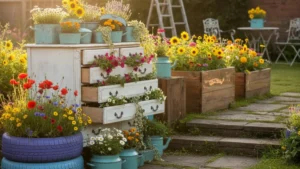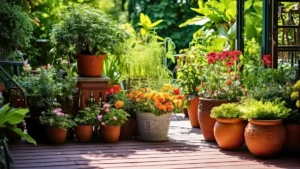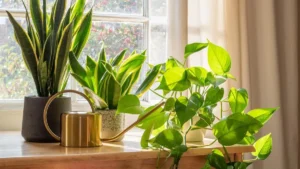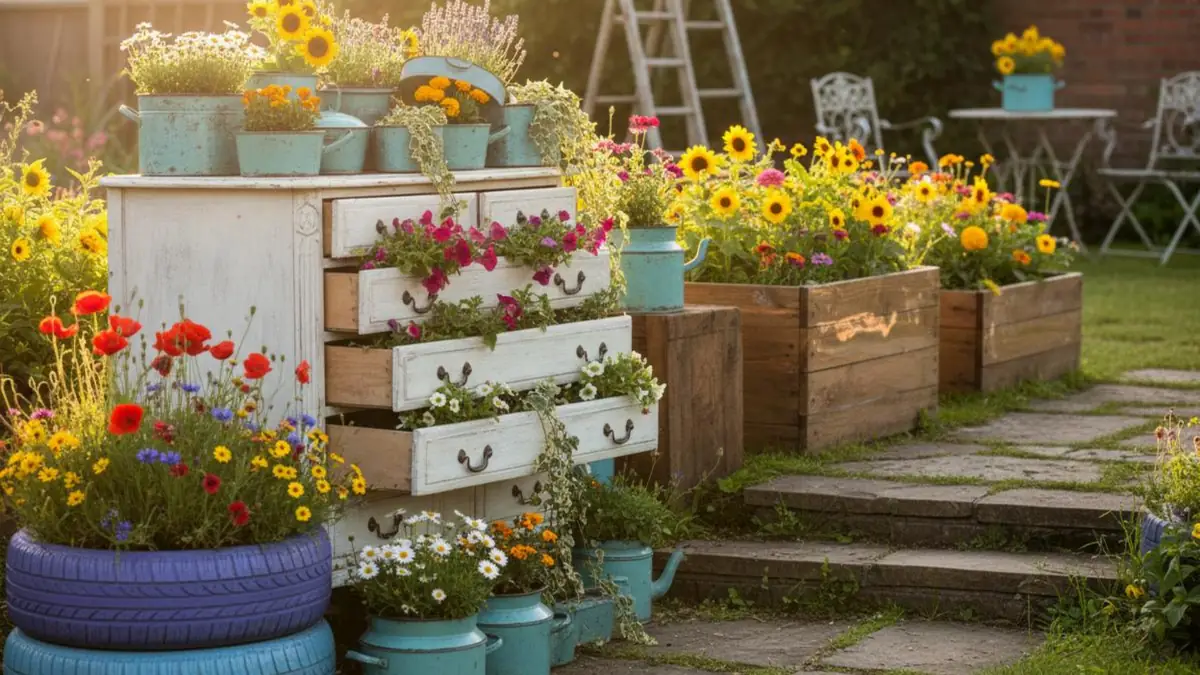
You do not need to buy traditional plant pots to create an interesting garden. Everyday objects such as colanders, wooden crates, old drawers, and enamel basins can become useful planters. Explore these creative planter ideas for more inspiration on turning ordinary household items into unique garden decorations.
However, a container must do more than look attractive. It needs proper drainage, enough room for roots, and a material that can handle the conditions where you plan to use it. These three checks will help you choose containers that look good and give plants a healthy place to grow.
Three Things to Check Before Using an Unusual Planter

Before turning an old object into a planter, check its drainage, depth, and material. These simple tests can help you avoid many common container-gardening problems.
1. Check Whether Water Can Drain Out
Good drainage is one of the most important features of a plant container. Roots need both water and air. When excess water stays around the roots, the soil can become waterlogged and increase the risk of root rot.
Look for objects that already have holes in the bottom. Colanders, some old sinks, and certain garden carts may work well because water can escape naturally.
If a container has no holes, you may be able to add them:
- Plastic: A suitable drill bit can make drainage holes. Work carefully to avoid splitting the plastic.
- Metal: Use an appropriate metal punch or drill bit. Wear eye protection and secure the container before working.
- Ceramic and terracotta: Use a suitable diamond or ceramic drill bit at low speed. Apply light pressure and follow the tool manufacturer’s safety instructions.
- Wood: Use a standard drill bit to make holes. A piece of mesh over the bottom can help stop soil from escaping.
Not every container should be drilled. Some materials may crack, bend, or become unsafe to work with. If you are unsure, use the container as a decorative outer pot instead.
Does gravel improve drainage?
Adding gravel or broken pottery to the bottom of a pot does not replace drainage holes. Water can collect in the soil above the gravel rather than moving out of the container. This can leave the lower soil too wet for healthy roots.
A proper drainage hole is a better solution. If you cannot make one, use the cachepot method explained later in this article.
2. Choose the Right Container Depth
A container may have good drainage and still be unsuitable for a plant if it is too shallow. Roots need enough room to grow, and different plants have different space requirements.
Choose the plant first, then find a container that can support its roots.
| Plant | Suggested minimum depth | Useful container ideas |
| Lettuce, salad greens, and most herbs | 4–6 inches | Drawers, gutters, and shallow boxes |
| Strawberries | 6–8 inches | Wide basins and hanging planters |
| Peppers, eggplant, and bush beans | 8–12 inches | Deep crates and large containers |
| Short carrot varieties | 8–12 inches | Deep boxes with loose soil |
| Tomatoes | 12–18 inches | Large pots and sturdy containers |
These are general starting points, not fixed rules for every variety. Check the growing instructions for the plant you choose, especially for larger vegetables.
Container size also affects watering. Small pots hold less soil and usually dry out faster than large ones. On the other hand, an oversized container can hold more wet soil than a small plant can use.
Choose a size that suits the plant instead of forcing a plant into a container simply because it looks attractive.
3. Check Whether the Material Can Handle the Weather
The container material affects how long your planter will last.
Galvanized metal, cedar, and suitable food-grade plastic can be practical choices for outdoor use. Terracotta and enamel containers can also work, although they may chip or crack over time. If you plan to build a larger outdoor setup, explore creative ideas for an upcycled container vegetable garden to see how galvanized tubs and raised structures hold up over time.
Thin tin, untreated plywood, and low-quality plastic may deteriorate more quickly, particularly when exposed to rain and sunlight.
Cold weather creates another problem. Water trapped in cracks can freeze, expand, and damage a container. If you live in an area with freezing winters, empty outdoor containers and store vulnerable planters in a sheltered, dry place.
Also consider the container’s weight. A large planter filled with wet soil can become very heavy. Check that balconies, shelves, and other surfaces can safely support it before adding soil.
Creative Planter Ideas From Everyday Kitchen Items
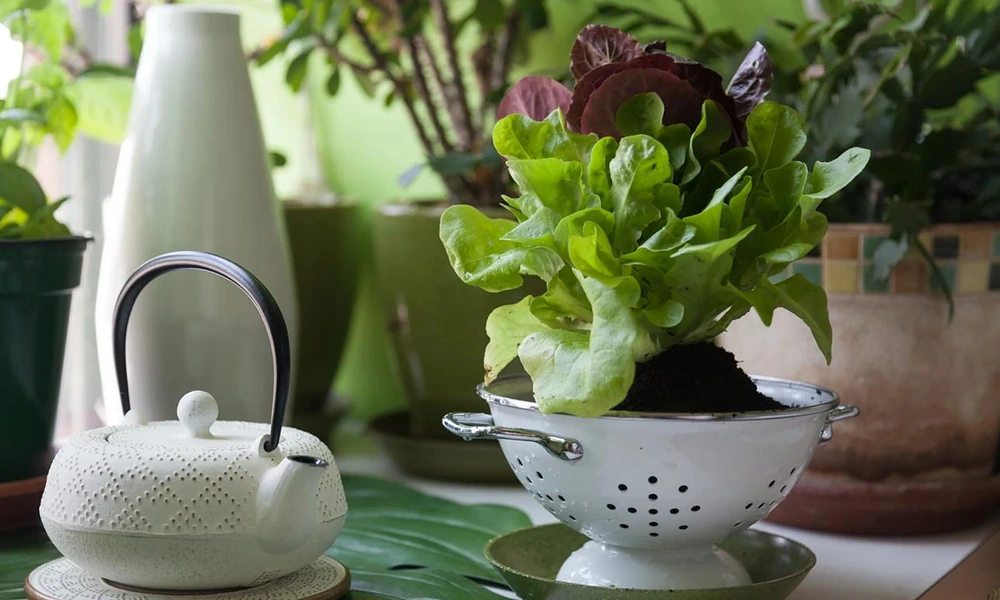
Your kitchen may already contain several objects that can become unusual plant containers. Before using one, make sure it is clean and suitable for the plant you want to grow.
1. Colanders and Old Steamers
Herbs, small flowers, and trailing plants.
Colanders are naturally useful as planters because their holes allow excess water to escape. Their handles can also make them easy to hang.
Place a piece of suitable mesh or landscape fabric inside to help keep the potting mix in place. Then add the growing medium and choose plants that suit the container’s depth.
2. Enamel Teapots and Pitchers
Small flowers and decorative plants. Old enamel teapots and pitchers can make attractive planters for patios, windowsills, or sheltered garden corners.
Check the inside for rust, damaged coatings, or sharp edges. If the container has no drainage hole, use it as an outer decorative pot with a separate nursery pot inside.
3. Wooden Wine and Produce Crates
Wooden crates provide more space than many small household containers. Their shape also makes them useful for arranging several plants together.
Check that the wood is clean and has not been treated with chemicals unsuitable for growing edible plants. If the sides have gaps, line them with suitable fabric to reduce soil loss. Make sure excess water can still escape from the bottom.
Thrift-Store and Secondhand Planter Ideas
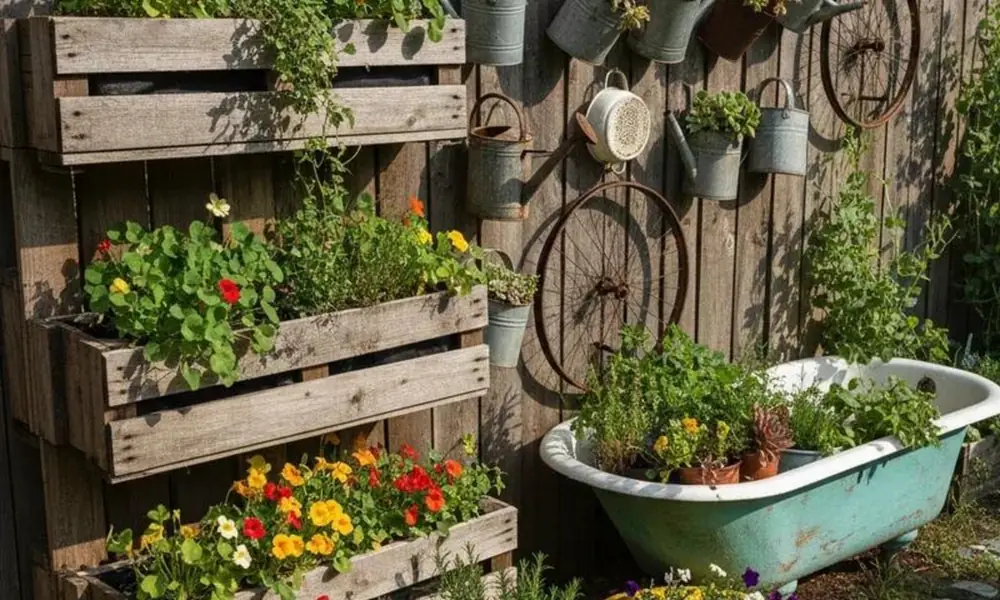
Thrift shops, flea markets, and secondhand stores can be good places to find unusual plant containers. Check each item carefully before filling it with soil.
4. Old Dresser Drawers
Old dresser drawers can become wide planters for small plants. Their shallow shape makes them more suitable for greens and herbs than for deep-rooted vegetables.
Make drainage holes if the material allows it. If the wood is untreated and porous, use a suitable liner while keeping the drainage openings clear.
You can also place several drawers at different heights to create a simple vertical display. Make sure the supporting structure is stable and can carry the weight of wet soil.
5. Old Toolboxes
An old toolbox can give a garden a distinctive look. Its depth depends on the design, so measure the inside before choosing plants.
Remove loose parts, clean the container, and check for rust or old chemical residue. Avoid using toolboxes with unknown coatings or contamination for edible plants.
6. Wheelbarrows and Garden Carts
Flowers, herbs, and mixed seasonal displays. A retired wheelbarrow can make a practical mobile planter. You can move it to follow sunlight or protect plants from harsh weather.
Check whether the base already has drainage holes. If it does not, add suitable holes where possible. Before planting, inspect the metal for sharp edges, deep rust, and damage.
7. Enamel Basins and Milk Churns
Herbs, strawberries, and decorative plants.
Wide enamel basins provide room for plants that spread across the surface. Deeper milk churns may suit plants that need more root space.
Inspect the base carefully for rust-through and check the inside coating. If the container cannot safely hold soil and water, use it as a decorative outer planter instead.
8. Old Rain Boots and Shoes
Small flowers and shallow-rooted annuals.
Old boots can become playful garden planters. Their unusual shape works well in small garden displays.
Make drainage holes through the soles if the material allows it. Add potting mix and choose small plants that do not need much root space.
These containers may only last one or two seasons, especially when left outdoors. Treat them as temporary planters rather than permanent garden fixtures.
Unusual Planters for Small Spaces and Outdoor Gardens
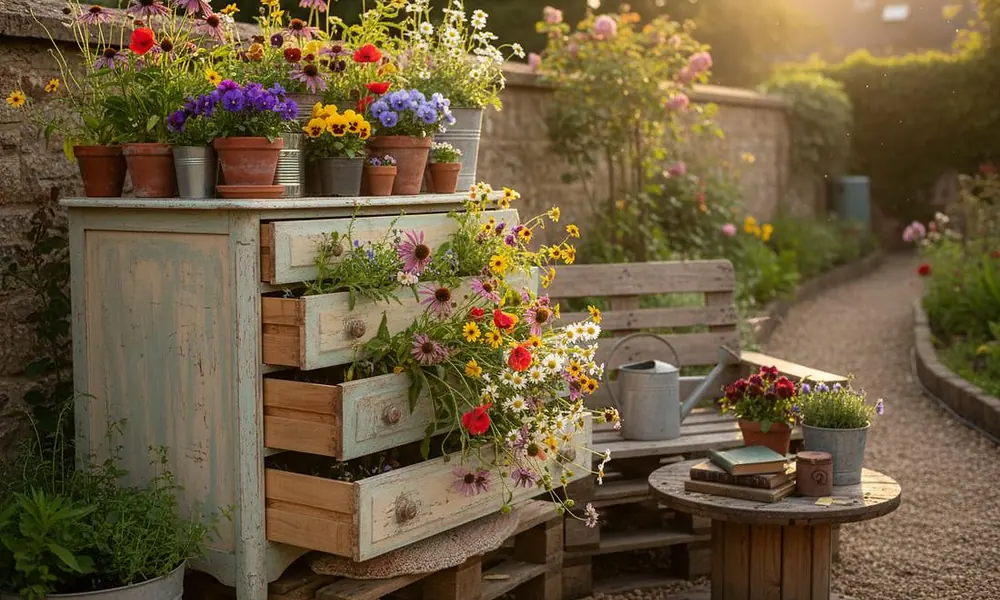
Some of the most interesting planter ideas use parts of the home or garden that would otherwise go unused.
9. Rain Gutter Planters
Lettuce, salad greens, and small herbs.
Old rain gutters can be mounted along a fence or another suitable support to create a narrow planting space.
Cap the ends and add drainage holes along the base. Secure the gutter properly so it cannot fall when filled with wet soil.
Most gutters are shallow, so they are not suitable for every vegetable. Choose plants with modest root requirements and check the depth before planting.
10. Cinder-Block Herb Planters
Small herbs and flowers.
The openings in cinder blocks can hold small amounts of potting mix and create individual planting spaces.
Place the blocks on a stable, level surface before adding plants. Choose suitable herbs or flowers based on the depth and width of each opening.
Check that the blocks are clean and have not been exposed to chemicals. Avoid building a tall or unstable structure.
11. Laundry-Basket Potato Planters
Growing potatoes in a container.
A sturdy laundry basket with open sides can provide drainage and space for a potato plant to grow.
Line the basket with suitable landscape fabric or another breathable material that allows water to escape. Add potting mix and plant suitable seed potatoes.
As the plant grows, more growing medium can be added gradually around the stems, following a reliable potato-growing guide. The basket’s depth, strength, and drainage will affect how well the method works.
12. Hanging Shoe Organizers
Small herbs and trailing plants.
A fabric shoe organizer can turn an unused wall or fence into a vertical planting area.
Fill each pocket with a suitable potting mix, leaving room for the plant. Choose small plants because the pockets have limited space and can dry out quickly.
Hang the organizer securely and choose a location with suitable light. Check the pockets regularly because fabric containers may lose moisture faster than ordinary pots.
13. Old Bathtubs
A larger flower or salad garden.
An old bathtub can provide plenty of room for several plants. It may already have a drain opening, which can make it easier to prepare than a sealed container.
Check the drain, surface condition, and weight before using it. A bathtub filled with soil and water can be extremely heavy, so place it on a suitable ground-level surface.
Filling a large bathtub also requires a considerable amount of growing medium. Plan the cost and effort before starting.
Indoor Planter Ideas: Use the Cachepot Method
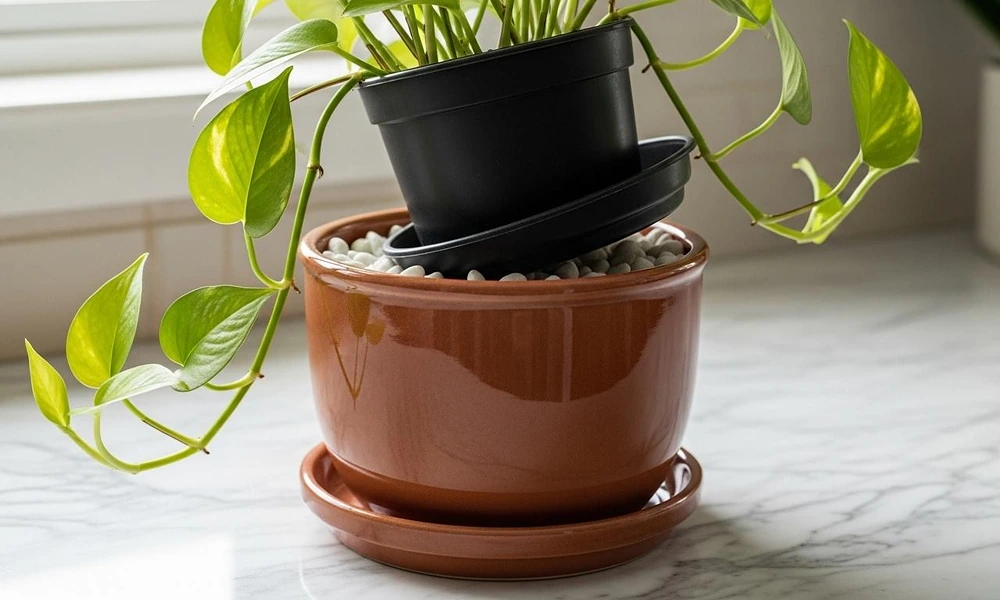
Not every decorative container needs to be drilled. This is especially useful indoors, where a drainage hole could allow water to leak onto furniture or floors.
The cachepot method lets you use a decorative container without planting directly into it.
Here is how it works:
- Keep the plant in its original nursery pot, which should have drainage holes.
- Place that pot inside your decorative container.
- When watering, remove the nursery pot and water it over a sink.
- Let excess water drain completely.
- Empty any water collected in the decorative container.
- Return the nursery pot to its place.
You can use this method with old teapots, ceramic bowls, decorative tins, and vintage containers.
If you want to raise the inner pot slightly, use a suitable stand or pot insert. Do not allow the plant’s roots to sit in collected water.
Remember that the container does not determine whether a plant will thrive indoors. Light, watering, temperature, and plant choice are still important.
Frequently Asked Questions
What unusual objects can be used as planters?
Colanders, wooden crates, old drawers, wheelbarrows, enamel basins, rain gutters, and sturdy baskets can all become planters. Choose an object with enough depth, suitable material, and a way to manage excess water.
Can I plant directly in a container without drainage holes?
It is possible, but it requires careful watering and a suitable container. For a simpler and safer indoor option, keep the plant in a drained nursery pot and place it inside the decorative container using the cachepot method.
What can I grow in shallow containers?
Lettuce, salad greens, and many herbs can grow in relatively shallow containers. Strawberries may also work in containers with enough depth. Check the requirements of the variety before planting.
How do I drill a hole in a ceramic planter?
Use a drill bit designed for ceramic or glass, work slowly, and apply light pressure. Follow the tool manufacturer’s instructions and wear suitable eye protection. Some ceramic containers may crack during drilling, so using a separate nursery pot can be a better option.
Are old painted containers safe for growing vegetables?
Not always. Older paint may contain lead, and the history of some metal containers or coatings may be unknown. If you cannot confirm that a container is safe for growing food, use it for ornamental plants instead.
Do metal planters rust?
Some metal containers rust when exposed to moisture and weather. Galvanized metal and well-maintained enamel containers may last longer, while thin untreated metal can deteriorate more quickly. Inspect the base and inside before planting.
Final Thoughts
Creative planter ideas can help you turn ordinary household objects into useful garden containers. You do not need an expensive pot, but you do need one that suits the plant.
Before planting, check three things: drainage, depth, and material. These simple checks can help you avoid waterlogged soil, restricted root growth, and containers that fall apart too quickly.
Start with an easy option such as a colander, wooden crate, or old basin. If you want to explore more ways to reuse materials in the garden, read our guide to recycled garden ideas. You can also find more everyday reuse projects in our repurposing household items guide.
Disclaimer: Container suitability depends on the plant, material, weather, and growing conditions. Check the safety and condition of secondhand materials before using them, especially for edible plants.