Choosing the best fertilizer for flowering plants is less about finding the strongest “bloom booster” and more about giving a plant the nutrients it actually needs. For many flowering plants, fertilizer can support healthy flowering.
A simple starting point is a complete fertilizer with a moderate NPK ratio, such as 5-10-10 or a similar formulation, rather than automatically choosing the highest-phosphorus product. Penn State Extension lists 5-10-5 and 5-10-10 among suitable formulations for many perennials, while the RHS explains that potassium supports flowering and fruiting. Soil testing helps show whether extra phosphorus or potassium is needed in practice.
Key Takeaways
- The best fertilizer for flowering plants depends on the plant, soil, and growing conditions.
- A complete fertilizer with moderate nitrogen and relatively higher phosphorus and potassium can suit many flowering plants.
- Phosphorus is important, but extra phosphorus does not automatically create more flowers.
- Potassium is associated with flowering and fruiting and is commonly used in bloom-stage feeds.
- Container plants often need more regular feeding than established plants in healthy garden soil.
- Soil testing is the most reliable way to decide whether extra phosphorus or potassium is needed.
- Always follow the fertilizer label and avoid overfeeding.
What Is the Best Fertilizer for Flowering Plants?
For most flowering plants, the best fertilizer supplies nitrogen, phosphorus, and potassium in sensible amounts without pushing any nutrient far beyond what the plant can use. A fertilizer with relatively more phosphorus and potassium than nitrogen is commonly used during flowering, especially for container plants.
That does not mean “more phosphorus equals more flowers.” If the soil already contains enough phosphorus, adding more may not improve flowering and can create nutrient imbalances. Colorado State University Extension recommends soil testing to determine the need for phosphorus and warns that excessive phosphorus can contribute to iron and zinc problems.
For a simple home garden, look for a flowering plant food with a moderate NPK ratio. Always compare the label with the plant’s needs instead of choosing a fertilizer only because the word “bloom” appears on the package.
How Does NPK Help a Flowering Plant?
The three numbers on a fertilizer bag represent nitrogen, phosphorus, and potassium, usually called NPK. They tell you the fertilizer’s nutrient analysis, not a score for how powerful it is.
What does nitrogen do?
Nitrogen mainly supports leafy, green growth. A flowering plant still needs nitrogen, but too much can push it toward lots of leaves and stems instead of the flowering display you want. Penn State Extension notes that overfertilized perennials can develop excessive soft growth and produce few flowers.
Why does phosphorus matter?
Phosphorus plays an important role in root development and plant reproduction. That is why phosphorus fertilizer is often included in products marketed for flowering.
Still, phosphorus is not a magic switch for blooms. Plants benefit from additional phosphorus when their available supply is inadequate. Excess phosphorus can interfere with the availability of other nutrients.
What does potassium do?
Potassium supports several plant processes and is associated with flowering and fruiting. RHS guidance notes that potassium-rich feeds can be useful for encouraging flowering, particularly in container-grown plants.
This is why a fertilizer with a higher potassium level can make sense during the flowering stage.
What NPK Ratio Should You Choose for Blooms?
There is no single NPK ratio that works perfectly for every flowering plant. A useful general approach is to choose a complete fertilizer with moderate nitrogen and comparatively higher phosphorus and potassium.
For example, 5-10-10 provides nitrogen for growth, phosphorus for roots and reproductive processes, and more potassium for flowering and fruiting. A 5-10-5 formulation is another general garden option. Penn State Extension lists both among formulations suitable for many perennials.
The key is not to chase the biggest numbers. A concentrated fertilizer used too heavily can damage roots, while a sensible product applied according to its label can provide what the plant needs.
Is Phosphorus Fertilizer Really Better for Flowers?
Sometimes, but not automatically.
The idea that every flowering plant needs a high-phosphorus fertilizer is too simple. Phosphorus is essential, but plants only benefit from additional phosphorus when their available supply is inadequate. Colorado State University Extension says a soil test is the best way to determine the need for phosphorus fertilizer.
What Is the Best Fertilizer for Potted Flowering Plants?
Container plants often need more regular feeding than established plants growing in the ground because their roots have access to a limited amount of growing media.
For potted flowering plants, a complete liquid fertilizer can be practical during active growth. RHS also notes that slow-release fertilizers can steadily release nutrients over time.
Do not fertilize a plant growing in completely dry soil. Water first when appropriate, then follow the fertilizer directions. If you are caring for flowering houseplants at home, the same basic idea applies to the plants featured on Peeacelily: understand the plant first, then feed according to its growth stage rather than following a one-size-fits-all schedule.
When Should You Use Flowering Plant Food?
The best time to fertilize is usually when the plant is actively growing and able to use the nutrients. Annual bedding plants and container flowers may benefit from repeated feeding during active growth. Established garden plants may need much less. RHS guidance says many ornamental plants in the ground do not need routine feeding when the soil is healthy.
Avoid treating fertilizer like a rescue product for every plant problem. Yellow leaves, weak growth, or poor flowering can have several causes, and adding more nutrients can sometimes make the situation worse.
How Do You Apply Bloom Fertilizer Safely?
Start by reading the fertilizer label. Check the NPK numbers, recommended dilution, application frequency, and whether the product is intended for containers, garden beds, or a specific plant group.
Apply only the recommended amount. More fertilizer does not mean more flowers. Overfeeding can cause root injury, excessive leafy growth, salt buildup, or nutrient imbalance.
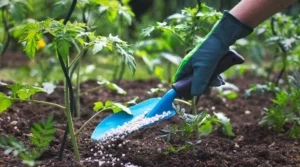
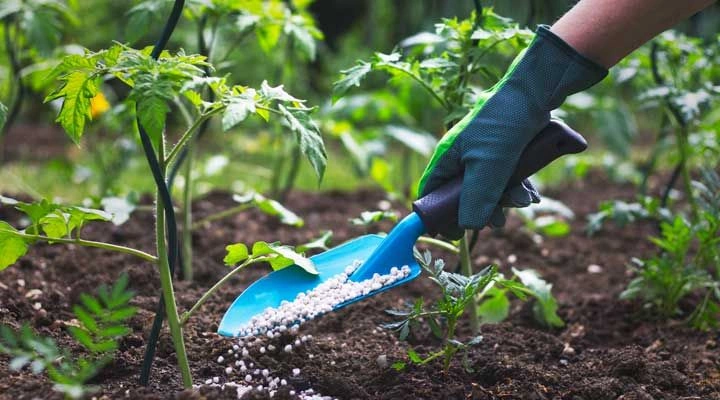
For granular fertilizer, spread it as directed around the plant rather than piling it against the stem. For liquid fertilizer, dilute it exactly as instructed.
Why Is Your Flowering Plant Not Blooming?
Before changing fertilizer, check the basics.
Light: Many flowering plants need enough light to produce flowers. A plant kept in a location that is too dark may stay leafy even when fertilizer is available.
Water: Both drought stress and constantly wet soil can reduce flowering. Poorly functioning roots cannot use nutrients effectively.
Good growing conditions matter because nutrient problems can sometimes look like other plant problems. RHS specifically notes that growing conditions can resemble nutrient deficiencies.
Sources Note
This guide is based on horticultural guidance from the Royal Horticultural Society, Penn State Extension, and Colorado State University Extension. Their guidance supports the main points about NPK nutrients, soil testing, flowering plants, container feeding, and the risks of excessive fertilizer. Recommendations can vary by plant species, soil, climate, and fertilizer formulation.
Frequently Asked Questions
What is the best fertilizer for flowering plants?
A complete fertilizer with moderate nitrogen and suitable phosphorus and potassium is a good general starting point. The exact formula should match the plant and soil conditions.
Is high phosphorus fertilizer best for blooms?
Not always. Phosphorus supports important plant functions, but adding extra phosphorus helps mainly when the plant or soil actually needs it.
Is potassium or phosphorus better for flowering?
They do different jobs, so neither is universally better. Phosphorus supports roots and reproductive processes, while potassium supports flowering and several other plant functions.
How often should I fertilize flowering plants?
It depends on the plant and fertilizer. Container flowers often need feeding during active growth, while many established garden plants need little or no routine fertilizer. Follow the product label.
Can too much fertilizer stop flowers?
Yes. Excess fertilizer can encourage soft leafy growth, damage roots, and create nutrient imbalances. More fertilizer is not automatically better.
Should I use liquid or slow-release fertilizer?
Both can work. Liquid fertilizer is convenient for regular feeding, while slow-release products provide nutrients gradually. Choose based on the plant, growing system, and product instructions.
Disclaimer
This article is for general gardening and educational purposes. Fertilizer needs vary between plant species, soil conditions, climates, and growing systems. Always check the fertilizer label and use a soil test when practical before applying additional nutrients.