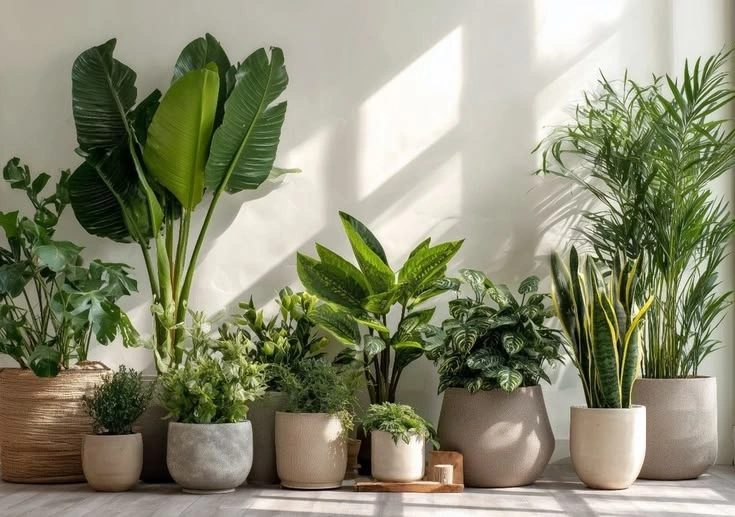
A healthy houseplant does not need a new pot just because another year has passed. Repotting works best when the plant shows a real need for more root space, fresh potting mix, or better drainage. For many houseplants, that may mean every one to three years, while slower-growing plants can stay in the same container much longer. The right schedule depends on growth rate, pot size, plant type, and the condition of the roots and mix.
At Peeacelily, the simplest rule is this: watch the plant, not the calendar. A plant growing well may be perfectly happy where it is, while tightly packed roots or poor drainage can signal a need for attention.
Key Takeaways
- Repot when roots become crowded or the potting mix has broken down, rather than following a rigid yearly schedule.
- Spring or early summer is generally the easiest time because many houseplants are entering active growth.
- Move the plant into a pot only slightly larger than the current one.
- Always use a suitable houseplant potting mix and a container with drainage.
- Some plants can remain in the same pot when you refresh the mix or manage the roots.
How Often Should You Repot Houseplants?
For many houseplants, checking them every year and repotting when needed is more useful than automatically repotting every year. RHS guidance notes that houseplants may be potted on every two to three years, while general container plants can sometimes go three to five years between repotting. These ranges are not a rule for every indoor plant because vigorous growers can fill a pot faster than slow-growing plants.
A fast-growing pothos, monstera, or other vigorous foliage plant may need attention sooner if its roots quickly fill the container. A slow-growing plant may remain comfortable for several years. The condition of the potting mix also matters because old mix can compact and lose some of its useful structure over time.
The best approach in practice is to use the calendar as a reminder to inspect the plant, not as an automatic repotting date.
Signs Your Houseplant Needs Repotting
Roots Are Growing Out of the Drainage Holes
Roots coming through the drainage holes are one of the clearest signs that the plant has been using most of the available space. One root alone does not always mean an urgent repot is needed, but several roots emerging from the bottom deserve a closer inspection.
Roots Are Circling the Root Ball
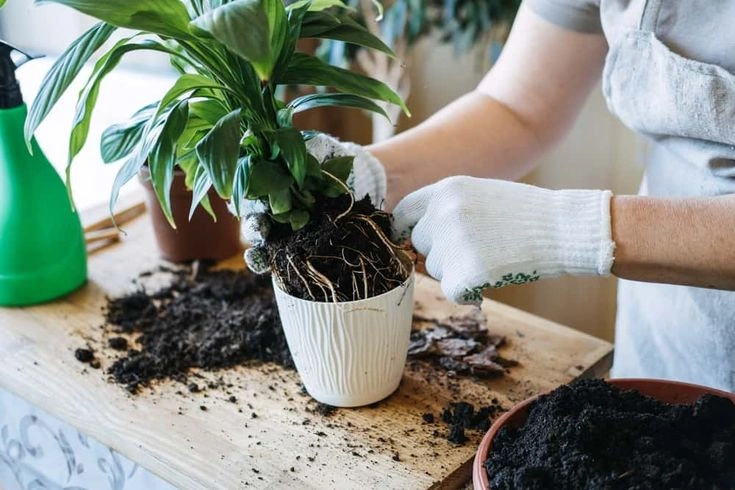
When you gently remove the plant from its pot, look at the root ball. If roots are densely circling the outside and very little potting mix is visible, the plant may be root-bound. Penn State Extension recommends checking for tightly circling roots or a root ball so dense that little mix remains visible.
The Soil Dries Much Faster Than Before
If a plant suddenly needs watering much more often even though light and conditions have not changed, crowded roots may be part of the reason. A heavily rooted pot contains less usable potting mix, so it can lose moisture faster.
Growth Has Slowed
Slower growth can have many causes, so it should not be treated as proof that repotting is needed. However, if growth has slowed alongside crowded roots, poor drainage, or a tired-looking potting mix, repotting may help restore better growing conditions.
Water Is Not Moving Through the Pot Properly
Old or compacted potting mix can make watering difficult. Water may sit on top, drain unusually slowly, or move through channels instead of evenly soaking the mix. Because roots need both moisture and air, poor drainage can create unhealthy conditions.
The Potting Mix Looks Degraded
Potting mix does not stay the same forever. Organic materials break down, the mix can compact, and its ability to hold air and drain well can change. If the plant is otherwise healthy but the mix has visibly deteriorated, refreshing it can be useful even when a larger pot is unnecessary.
When Is the Best Time to Repot Houseplants?
Spring is usually the best time to repot houseplants because many plants begin more active growth as light and temperatures increase. Repotting during active growth gives the plant a better opportunity to adjust and produce new roots.
Early summer can also work for many plants. Avoid repotting simply because spring has arrived if the plant is already happy in its container.
How Much Bigger Should the New Pot Be?
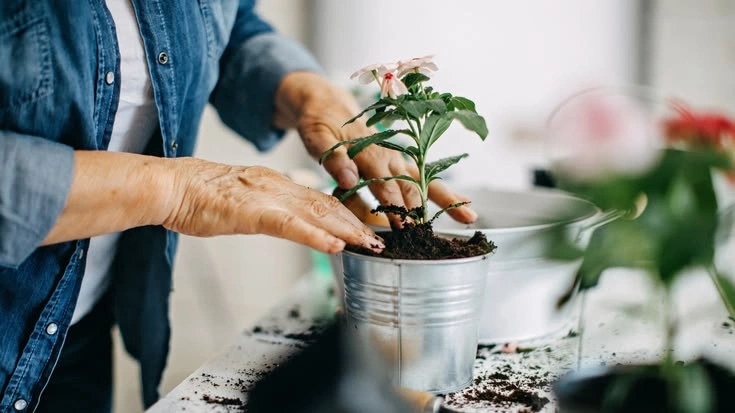
Bigger is not automatically better. A pot that is much larger than the root ball can hold excess moisture for longer, especially when the plant is not using the additional mix quickly. That can increase the risk of root problems.
For most houseplants, choose a container only one size larger. A modest increase gives growing roots fresh space without surrounding them with a large volume of unused wet mix. RHS guidance similarly recommends a relatively small increase rather than moving a plant into an oversized container.
The new container should also have drainage. If you prefer a decorative cover pot without drainage, keep the plant in a separate nursery pot that can be removed for watering.
How to Repot a Houseplant Without Overdoing It
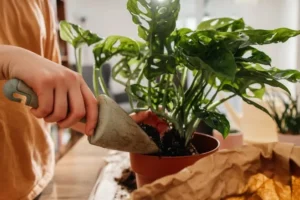
Gently remove the plant and inspect the roots. Focus on severe circling, damaged roots, or a root ball packed tightly with roots.
If roots are tightly circling, loosen some gently rather than tearing the entire root ball apart. Remove clearly dead or rotten roots with clean tools when appropriate.
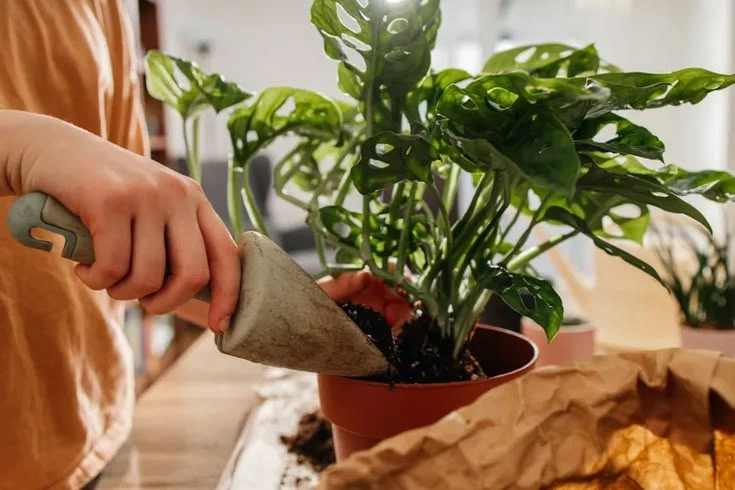
Add fresh mix so the plant sits at approximately the same depth as before. Center the root ball, fill around it, and lightly firm the surface. Do not bury the stem deeper than it was originally planted.
Water thoroughly after repotting, then allow excess water to drain. Avoid leaving the pot sitting in collected water.
What Potting Mix Should You Use?
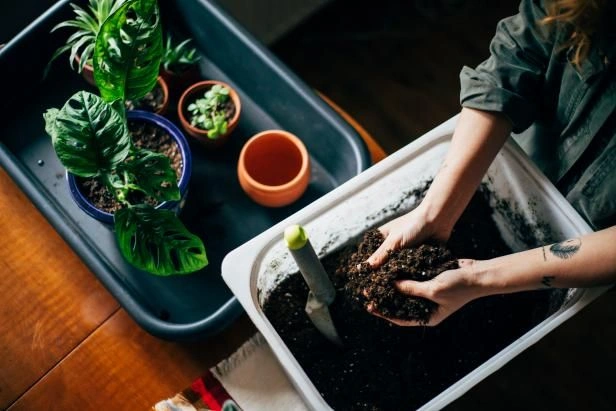
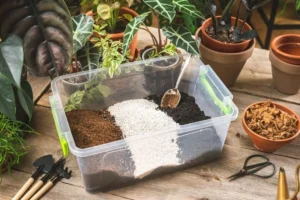
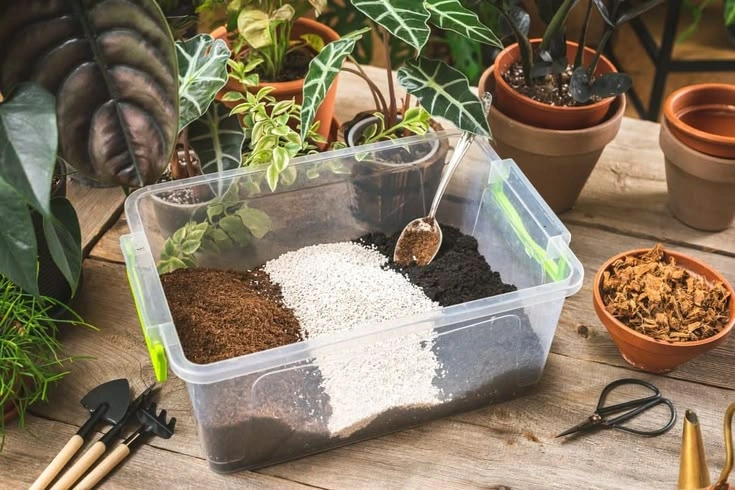
Use a quality potting mix made for indoor containers rather than ordinary garden soil. Garden soil can drain poorly in containers and may introduce unwanted pests or disease organisms.
The ideal mix depends on the plant. General foliage plants can use a suitable houseplant mix, while orchids, cacti, succulents, and other plants with special root requirements may need a more specific blend. Penn State Extension notes that commercial soilless mixes may contain materials such as perlite, vermiculite, coir, or peat-based ingredients, depending on the product.
Always match the mix to the plant instead of assuming one formula works for every houseplant.
Should You Repot If the Plant Is Not Root-Bound?
Not necessarily. Repotting is not only about making a plant’s pot bigger. If the roots still have reasonable space and the plant is growing well, there may be no reason to disturb them.
If the mix has become old or compacted, you can sometimes refresh part of the mix without dramatically increasing the pot size. RHS guidance also notes that some plants can remain in the same container when compost is refreshed or roots are lightly managed.
This is especially useful when you want to keep a mature plant at roughly its current size.
Expert Note and E-E-A-T
Repotting advice varies because houseplants do not all grow at the same speed or respond identically to root disturbance. The guidance in this article is based on current horticultural information from the Royal Horticultural Society and university extension resources, including Penn State Extension and Illinois Extension. These sources consistently emphasize checking root condition, potting-mix quality, drainage, and active growth rather than relying on one universal schedule.
For unusual or sensitive plants, identify the species first and follow care guidance specific to that plant. Good houseplant care starts with observing what the plant is actually showing.
Frequently Asked Questions
How often should houseplants be repotted?
Many houseplants can be checked annually and repotted roughly every two to three years when needed. Fast-growing plants may need it sooner, while slow-growing plants can often remain in the same pot for longer.
Can I repot a houseplant every year?
You can, but you do not always need to. If the roots have plenty of space, the mix drains well, and the plant is growing normally, unnecessary repotting can add stress without providing much benefit.
What month is best for repotting houseplants?
Spring is generally the best period because many houseplants enter active growth. Early summer can also be suitable for many plants.
How do I know if my plant is root-bound?
Check the root ball. Dense roots circling the sides or bottom, roots emerging from drainage holes, and very little visible potting mix can indicate that the plant has become root-bound.
Should I water after repotting?
Yes. Water thoroughly after repotting so the fresh mix becomes evenly moist, then allow excess water to drain. Do not leave the plant sitting in standing water.
Does repotting make houseplants grow faster?
Repotting can support healthier growth when crowded roots, degraded mix, or poor drainage are limiting the plant. It will not automatically make a healthy plant grow faster if those problems are not present.