Key Takeaways
- Peace Lily Drooping Leaves: Dry soil is one of the most common reasons a peace lily droops.
- Wet soil and wilting can point toward overwatering or root damage.
- Root rot becomes more likely when soil stays wet for long periods.
- Use a container with proper drainage.
- Give peace lilies bright, indirect light.
- Protect them from extreme heat, cold drafts, heaters, and harsh sunlight.
- Check humidity when leaf edges become brown and dry.
- Inspect leaves regularly for pests.
- Do not follow a rigid watering calendar.
- Always check the soil before watering again.
Quick Answer
If your peace lily is drooping, first check the soil before adding more water.
If the top few centimetres of soil feel dry, water the plant thoroughly and allow excess water to drain. A peace lily that is simply thirsty can often perk up fairly quickly after watering.
On the other hand, if the soil is already wet and the leaves are still drooping, do not water again. Check the roots and drainage because consistently wet soil can damage roots and eventually cause root rot.
1. Lack of Water
Underwatering is one of the first things to check when a peace lily suddenly becomes wilted.
Peace lilies can droop dramatically when they become too dry. Their leaves may hang over the sides of the pot, but the plant can recover after receiving enough water.
How to tell if your peace lily is thirsty
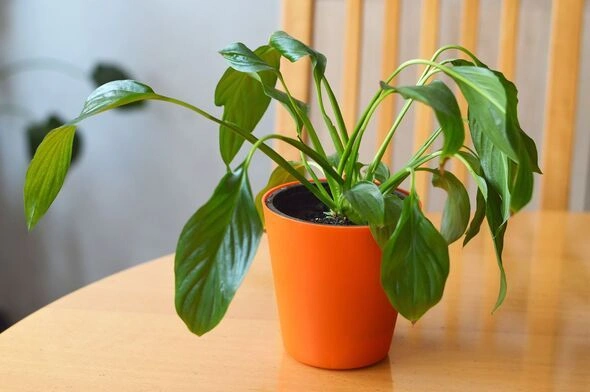
Push your finger a few centimetres into the potting mix. If it feels noticeably dry, your plant probably needs water.
Do not rely only on a calendar. A plant may need water more frequently during hot weather and less often when growth slows or the room is cool.
What to do
Water slowly and thoroughly until some water comes through the drainage holes. Then empty any water collected underneath the pot.
Avoid giving just a few drops every day. The goal is to moisten the root area properly while still allowing excess water to escape.
2. Too Much Water
It is easy to assume that a drooping plant needs more water. However, overwatering can create almost the same visual problem.
When soil remains wet for too long, roots can suffer from poor oxygen availability. Damaged roots cannot take up water effectively, so the plant may look thirsty even though the pot is wet.
| What you notice | More likely cause |
|---|---|
| Drooping + dry soil | Underwatering |
| Drooping + wet soil | Overwatering or root problems |
| Yellow leaves + constantly wet soil | Possible root stress |
| Brown tips + dry air | Low humidity or watering stress |
| Drooping + rotten roots | Root rot |
Therefore, always check the soil before watering again.
3. Root Rot
Root rot is one of the more serious reasons a peace lily may stay wilted.
It commonly develops when the potting mix stays wet for long periods, particularly when drainage is poor. Roots may become brown, soft, damaged, or rotten.
Signs of root rot
Look for several symptoms together:
- Soil that stays wet for a long time
- Yellowing leaves
- Persistent wilting
- Slow or weak growth
- Brown or black soft roots
- An unpleasant smell from badly deteriorated soil
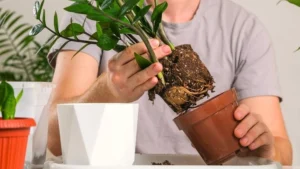
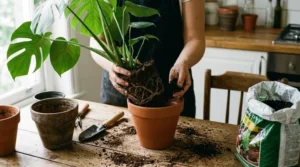
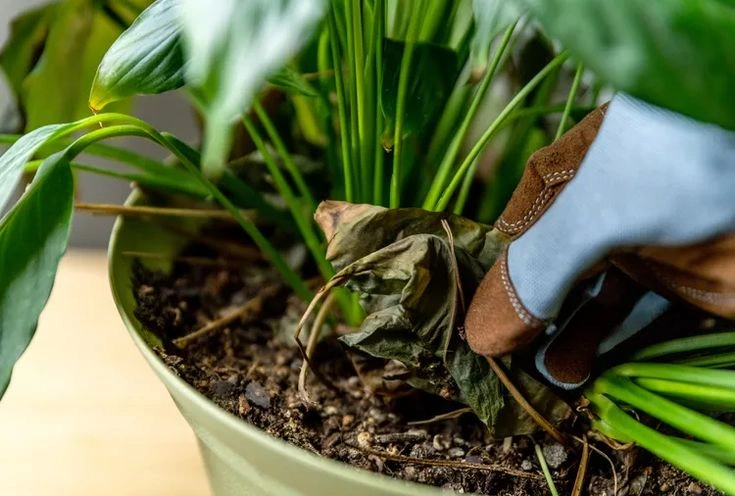
If you suspect root rot, gently remove the plant from its pot and inspect the roots.
Healthy roots should have firm tissue. Rotten roots are often soft and damaged.
Remove clearly rotten material with clean tools and repot the remaining healthy plant in fresh, well-draining mix. If most of the root system has been destroyed, recovery becomes much more difficult.
4. Poor Drainage
Even if you water correctly, your peace lily can struggle if excess water has nowhere to go.
A container without proper drainage can keep the roots surrounded by wet soil. Similarly, a very heavy potting mix may stay damp much longer than the plant needs.
For that reason, choose a pot with drainage holes and a loose, well-draining potting mix.
The RHS also recommends avoiding an unnecessarily large pot because extra compost can remain wet for too long and increase the risk of root problems.
5. Low Humidity
Peace lilies are tropical plants, so dry indoor air can affect their appearance.
Low humidity may cause brown leaf edges, while dry air can also increase water loss from leaves. This becomes particularly noticeable in rooms with strong heating, air conditioning, or very dry weather.
This matters differently around the world. In humid parts of Pakistan, the problem may be less noticeable during the monsoon season, whereas an air-conditioned room can still create a much drier microclimate around the plant.
You can increase local humidity by grouping plants, using a humidifier, or placing the pot near a tray of damp pebbles without allowing the pot itself to sit in water.
6. Too Much Direct Sun
Peace lilies prefer bright, filtered or indirect light rather than strong direct sunlight.
Too much intense sun can scorch the foliage and create pale, tan, or brown damaged areas. Moving a plant suddenly from shade into strong sunlight can also cause stress.
A bright room with filtered light is usually a better choice than placing the plant directly against a window receiving harsh afternoon sun.
If you live in a hot region, be particularly careful with strong summer sunlight. A sheer curtain can help soften intense rays.
7. Heat or Temperature Stress
Peace lilies prefer warm conditions, but excessive heat can increase water loss from the leaves.
Hot rooms, strong sunlight, heaters, air conditioners, and cold drafts can all create sudden environmental changes. Houseplant guidance from UC IPM notes that sudden changes in light, temperature, humidity, or root conditions can contribute to wilting.
Therefore, keep your peace lily away from direct blasts of air conditioning, heaters, and very hot windows.
In Pakistan, this is especially worth remembering during extremely hot weather. A plant sitting beside a hot window can dry out much faster than one kept in a cooler room with filtered light.
8. The Plant Is Rootbound
Sometimes the problem is not the amount of water but how quickly the potting mix loses it.
If water seems to disappear extremely quickly and the plant repeatedly becomes thirsty soon after watering, check whether the roots have filled most of the container. The RHS notes that compost drying very quickly can indicate a rootbound peace lily.
What should you do?
Slide the plant carefully from its container and check the root ball.
If the roots are tightly packed, consider moving the plant into a slightly larger pot. Do not jump into a very large container because excessive unused soil can stay wet for too long.
9. Pests
Pests are not always the first cause people consider, but they can weaken a peace lily and contribute to poor-looking foliage.
Common indoor pests associated with peace lilies include mealybugs, fungus gnats, spider mites, and scale insects.
Check underneath leaves, around leaf joints, and near the central crown.
White cotton-like material may indicate mealybugs. Fine webbing and tiny speckles can point toward spider mites, while small flies around consistently damp soil can indicate fungus gnats.
If you find pests, isolate the affected plant from other houseplants and identify the pest before choosing a treatment.
10. Fertilizer or Salt Buildup
More fertilizer does not necessarily mean more growth.
Peace lilies have relatively low fertilizer needs, and excessive feeding can cause leaf-tip or root damage. Salt buildup from fertilizer or water can also contribute to leaf problems.
If you notice brown tips after recently increasing fertilizer, stop adding fertilizer for the moment and review the product instructions.
When feeding again, use the recommended dilution rather than assuming a stronger solution will work faster.
How to Save a Drooping Peace Lily
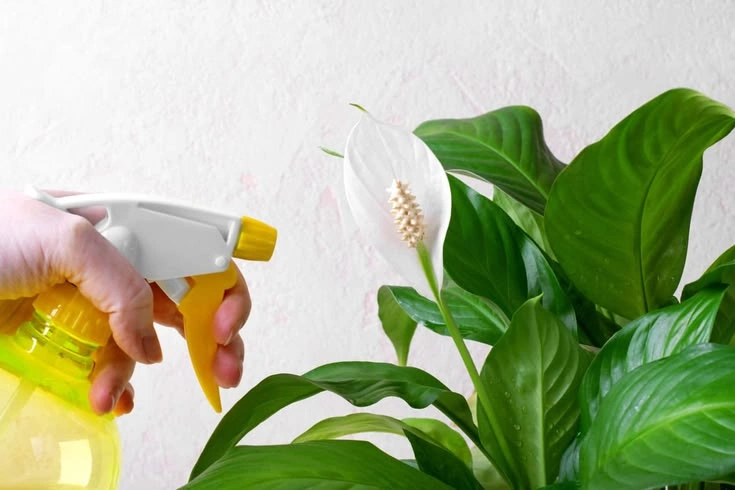
Before doing anything drastic, follow this simple process.
Step 1: Check the soil
Feel the top few centimetres of the potting mix.
If it is dry, water thoroughly. If it is wet, wait and investigate why it is staying wet.
Step 2: Check the drainage
Make sure the container has drainage holes and that water can actually escape.
Never allow the pot to sit permanently in standing water.
Step 3: Check the roots if necessary
If the plant remains wilted despite wet soil, inspect the roots for signs of damage or rot.
Step 4: Check the location
Move the plant away from harsh direct sunlight, heaters, strong air conditioning, or cold drafts.
Step 5: Inspect the leaves
Look underneath leaves and around the crown for insects, webbing, cottony patches, or unusual marks.
Step 6: Give it time
Do not keep changing everything at once. Once you correct the actual problem, give the plant time to respond.
Peace Lily Watering Guide

There is no universal rule such as watering every three or seven days.
Instead, check the potting mix regularly and water when the top few centimetres have dried. The RHS recommends regular but moderate watering, allowing the compost to dry somewhat between waterings.
| Situation | What to do |
| Top soil is dry | Water thoroughly |
| Soil is still wet | Wait |
| Pot has no drainage | Fix the container first |
| Plant wilts but soil is wet | Investigate roots |
| Very hot weather | Check soil more frequently |
| Cooler or darker conditions | Water less frequently |
| Brown edges with dry air | Improve humidity |
Watering needs will naturally change with season, room temperature, pot size, light, humidity, and soil type.
What About Tap Water?
Water quality can sometimes affect peace lily foliage.
The RHS notes that fluoride in tap water can damage foliage and recommends rainwater or filtered water when possible.
This does not mean every peace lily must have bottled or distilled water. If your plant is healthy with your local water, there may be no reason to change immediately.
However, if you repeatedly notice leaf-tip problems despite good watering and lighting, water quality is one factor worth considering.
Common Mistakes to Avoid
Watering every day
A fixed schedule can easily lead to overwatering. Check the soil instead.
Keeping the pot in water
Standing water around the roots can encourage serious root problems.
Putting it in harsh sunlight
Peace lilies prefer bright indirect light, not strong direct summer sun.
Fertilizing a stressed plant heavily
Extra fertilizer will not solve dehydration or root rot and can make root or leaf damage worse.
Repotting into a huge container
A much larger pot can hold excess moisture around the roots for too long.
Cutting every damaged leaf
Do not remove healthy green foliage simply because it has a few cosmetic marks. The remaining leaves still help the plant recover.
Frequently Asked Questions
Why is my peace lily drooping but the soil is wet?
Wet soil combined with persistent wilting can indicate overwatering, poor drainage, or root damage. Check the roots rather than adding more water.
Will a wilted peace lily recover?
Often, yes. If underwatering caused the wilting and the roots are still healthy, the plant can recover after proper watering. Severely damaged roots, however, can make recovery much harder.
Should I water a drooping peace lily immediately?
Only if the soil is dry. If the soil is already wet, watering again can make the underlying problem worse.
How often should I water a peace lily?
There is no perfect number of days. Check the soil and water when the top few centimetres have dried. Your plant may need more frequent checks during hot weather and fewer waterings during cooler periods.
Can low humidity make a peace lily droop?
Dry air can stress peace lilies and contribute to brown leaf edges and increased water loss. However, severe drooping should still prompt a soil and root check.
Why is my peace lily drooping after repotting?
Repotting can temporarily stress a plant, especially if the roots were disturbed or its new environment differs significantly. Keep conditions stable, provide indirect light, and avoid excessive watering while it settles.
Can a peace lily recover from root rot?
It can recover if enough healthy roots remain and the underlying moisture problem is corrected. Severely rotted root systems have a much lower chance of recovery.
Why is my peace lily drooping after watering?
If the soil was already wet, additional water may not solve the problem. Poor drainage or damaged roots can prevent the plant from taking up water even when plenty is present.
Conclusion
A drooping peace lily is usually your plant’s way of telling you that something about its growing conditions needs attention. In many cases, the solution is simple: check the soil and correct the watering routine.
However, if the soil is already wet, look deeper. Poor drainage, root rot, temperature stress, low humidity, pests, or compacted roots may be responsible.
The good news is that peace lilies are often forgiving when their basic needs are met. Give yours indirect light, sensible watering, good drainage, and a stable environment. With consistent care, a wilted peace lily can often return to healthy, upright growth.
For more peace lily care advice, you can also explore related guides on Peeacelily, especially topics covering peace lily watering, root rot, yellow leaves, humidity, and general indoor plant care.