Key Takeaways
- Bedroom scents can help create a calm and relaxing sleep environment.
- Lavender, chamomile, sandalwood, cedarwood, bergamot, and vanilla are among the most popular choices.
- Aromatherapy supports relaxation but is not a treatment for sleep disorders.
- Use fragrances lightly to avoid overwhelming the room.
- Pair calming scents with healthy sleep habits for the best results.
- Choose high-quality products made with natural ingredients whenever possible.
- A consistent bedtime routine often has a greater impact than fragrance alone.
Quick Answer
The best bedroom scents for sleep are calming natural fragrances such as lavender, chamomile, sandalwood, cedarwood, bergamot, and vanilla. These scents may help create a peaceful atmosphere, reduce stress, and make it easier to relax before bedtime. While fragrances alone cannot treat insomnia, they work well alongside a consistent sleep schedule, a dark bedroom, and limited screen time.
Why Smell Has Such a Strong Effect on Sleep
Your sense of smell is closely connected to the parts of your brain that process emotions and memories. Because of this connection, certain scents can instantly make you feel relaxed, comfortable, or refreshed.
When you enter a bedroom with a pleasant fragrance, your brain quickly recognizes the scent and begins associating it with rest. Over time, this repeated experience can become part of your bedtime routine, making it easier to unwind each night.
That is one reason why many people include relaxing scents for sleep in their evening habits.
The Connection Between Aromatherapy and Better Sleep

Aromatherapy is the practice of using natural plant extracts, usually essential oils, to create a calming environment. It has been used for generations in many cultures to encourage relaxation and support overall well-being.
Although research continues to explore exactly how aromatherapy affects sleep, many people find that certain scents help them feel calmer before bed. The greatest benefit often comes from combining fragrance with other healthy sleep habits instead of relying on scent alone.
Best Bedroom Scents for Sleep
Not every fragrance has the same effect. Some scents are energizing, while others encourage relaxation. Choosing the right one depends on your personal preference because everyone’s sense of smell is different.
Lavender
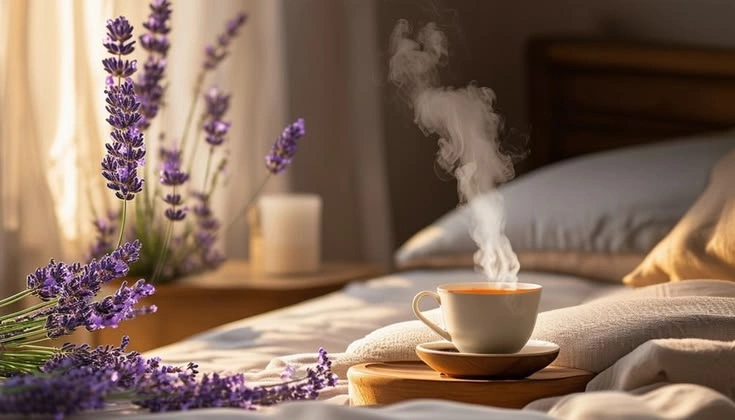
Lavender is one of the most popular choices for bedtime. Its gentle floral aroma is widely associated with relaxation and peaceful evenings.
Many people enjoy using lavender in diffusers, pillow sprays, or linen mists before going to sleep.
Best for:
- Evening relaxation
- Creating a calming bedroom
- Daily bedtime routines
Chamomile
Chamomile is already well known as a soothing herbal tea, but its fragrance can also help create a peaceful atmosphere.
Its light, sweet scent works well for people who prefer subtle fragrances that are not too strong.
Best for:
- Gentle relaxation
- Quiet bedtime routines
- Cozy bedrooms
Sandalwood
Sandalwood offers a warm, woody aroma that many people describe as comforting and grounding.
Instead of filling the room with a powerful fragrance, it creates a soft background scent that encourages relaxation.
Best for:
- Meditation before bed
- Reading at night
- Creating a peaceful bedroom
Cedarwood
Cedarwood has a clean, earthy scent that reminds many people of nature. It pairs well with minimalist bedrooms and helps create a warm, comfortable atmosphere.
People who enjoy forest-inspired fragrances often choose cedarwood as one of their favorite calming smells for the bedroom.
Best for:
- Nature lovers
- Cozy nighttime spaces
- Relaxing evening routines
Bergamot
Unlike many citrus fragrances that feel refreshing, bergamot has a softer and more balanced aroma. It combines fresh citrus notes with gentle floral undertones.
Many people enjoy bergamot because it feels uplifting without being overly stimulating.
Best for:
- Reducing evening stress
- Relaxing after work
- Fresh yet calming bedrooms
Vanilla
Vanilla is warm, sweet, and familiar. It often reminds people of comfort, home, and pleasant memories.
Because emotional comfort plays an important role in relaxation, vanilla can become a great addition to a bedtime routine.
Best for:
- Cozy bedroom environments
- Winter evenings
- Soft, comforting fragrance lovers
Which Bedroom Scent Is Right for You?
The perfect fragrance depends on your personality, bedroom style, and scent preference.
| If you want… | Try this scent |
|---|---|
| Deep relaxation | Lavender |
| Soft floral fragrance | Chamomile |
| Warm woody aroma | Sandalwood |
| Fresh natural feeling | Cedarwood |
| Light citrus scent | Bergamot |
| Cozy comforting smell | Vanilla |
If you’re new to aromatherapy sleep routines, start with one fragrance instead of mixing several. This makes it easier to discover which scent helps you relax the most.
Ways to Add Relaxing Scents to Your Bedroom
There are several easy ways to enjoy calming fragrances before bed.
Essential Oil Diffusers
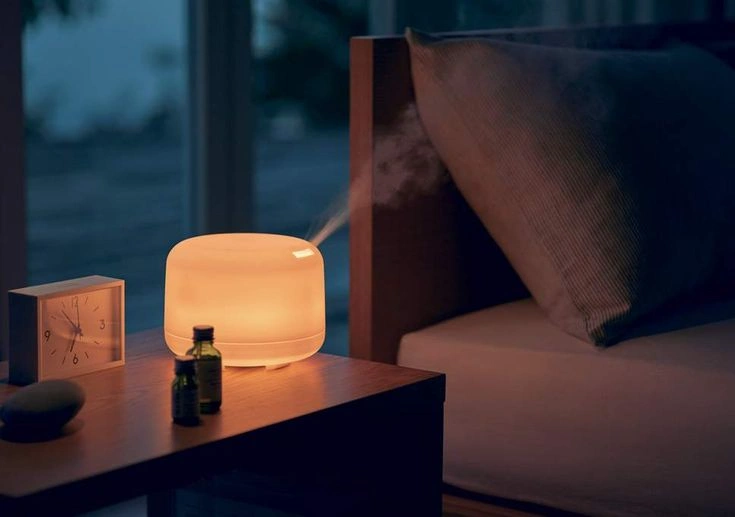
Diffusers slowly spread fragrance throughout the room without becoming overwhelming. Many include timers, making them ideal for nighttime use.
Pillow Sprays
A light mist on your pillow or bedsheets adds a gentle fragrance without filling the entire room.
Linen Sprays
Linen sprays help keep blankets, sheets, and pillowcases smelling fresh while creating a relaxing bedtime atmosphere.
Scented Candles
Candles can make your bedroom feel warm and peaceful. However, always blow them out before falling asleep to reduce fire risk.
Reed Diffusers
These provide a continuous fragrance without electricity or flames. They are a good choice for people who prefer low-maintenance options.
Build the Perfect Bedtime Scent Routine
Finding the right scent is only the first step. How you use it also matters. A simple routine can help your brain connect a particular fragrance with bedtime, making it easier to relax over time.
About 30 to 60 Minutes Before Bed
Start your diffuser or apply a light linen spray before you get into bed. This gives the fragrance enough time to gently fill the room without becoming overpowering.
At the same time, dim the lights and reduce screen time. Together, these habits tell your body that it’s time to wind down.
Keep the Fragrance Light
A stronger scent does not mean better sleep. In fact, an intense fragrance may become distracting instead of calming.
A soft, natural aroma is usually enough to create a peaceful atmosphere.
Stay Consistent
Using the same scent every night can help build a relaxing bedtime habit. As the days go by, your mind may begin to associate that familiar fragrance with sleep.
Consistency is often more effective than constantly switching between different scents.
Bedroom Scents Comparison Table
| Scent | Aroma | Best For | Works Well In |
|---|---|---|---|
| Lavender | Floral and fresh | Relaxation | Every bedroom |
| Chamomile | Sweet and gentle | Quiet evenings | Guest rooms |
| Sandalwood | Warm and woody | Meditation | Modern bedrooms |
| Cedarwood | Earthy and natural | Cozy spaces | Rustic interiors |
| Bergamot | Citrus with floral notes | Stress relief | Small bedrooms |
| Vanilla | Sweet and comforting | Cozy atmosphere | Family homes |
Benefits of Using Bedroom Scents for Sleep
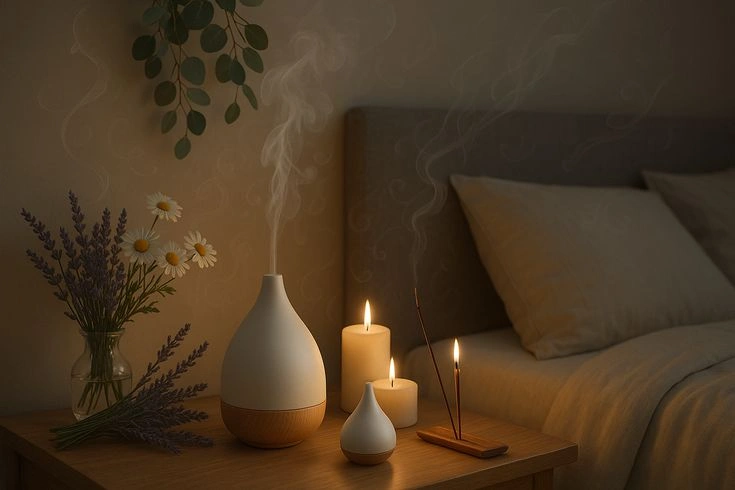
Adding fragrance to your bedroom is not a replacement for healthy sleep habits, but it can make your nighttime routine more enjoyable.
Some potential benefits include:
- Creating a relaxing bedroom atmosphere.
- Helping your mind transition from a busy day to bedtime.
- Making bedtime routines feel more consistent.
- Encouraging moments of mindfulness before sleep.
- Adding freshness to your bedroom.
- Supporting an overall sense of comfort and calm.
For many people, relaxing scents for sleep become part of a routine that includes reading, meditation, or gentle stretching.
Are There Any Drawbacks?
Although many people enjoy scented bedrooms, fragrances are not suitable for everyone.
Some individuals are sensitive to strong smells, while others may experience headaches or irritation from certain products.
Potential drawbacks include:
| Possible Issue | How to Avoid It |
|---|---|
| Fragrance feels too strong | Use fewer drops or a lighter spray |
| Allergic reactions | Test new products before regular use |
| Artificial perfumes | Choose products with natural ingredients |
| Candle safety | Never leave candles burning unattended |
| Overusing multiple scents | Stick with one or two complementary fragrances |
If you have asthma, allergies, or other respiratory conditions, speak with your healthcare provider before regularly using essential oils or heavily scented products.
Expert Tips for Better Sleep
Bedroom fragrance works best when paired with good sleep habits.
Keep Your Bedroom Cool
A cool room is generally more comfortable for sleeping than one that is too warm.
Reduce Noise
If outside sounds disturb you, consider earplugs, white noise, or a quiet fan.
Limit Screen Time
Blue light from phones, tablets, and televisions can make it harder to feel sleepy. Try putting devices away at least 30 minutes before bed.
Choose Comfortable Bedding
Soft pillows, breathable sheets, and a supportive mattress can improve overall comfort.
Avoid Strong Food Odors
Heavy meals or lingering cooking smells can compete with your calming bedroom scent.
Keep the Room Clean
Fresh air, clean bedding, and an organized space help create a bedroom that feels relaxing before you even notice the fragrance.
Common Mistakes to Avoid
Many people don’t get the most from calming smells in the bedroom because of a few simple mistakes.
Using Too Much Fragrance
An overpowering scent can become distracting instead of relaxing.
Mixing Too Many Scents
Combining several fragrances at once may create an unpleasant smell. Start with one scent and only blend fragrances if they complement each other.
Choosing Poor-Quality Products
Cheap products often contain artificial fragrances that smell harsh. Look for reputable brands that clearly list their ingredients.
Ignoring Ventilation
Your bedroom should have fresh airflow. Even pleasant scents can feel overwhelming in a room with poor ventilation.
Expecting Instant Results
Fragrance alone cannot fix poor sleep habits. It works best as part of a healthy bedtime routine.
Bedroom Sleep Routine Checklist
Use this simple checklist before going to bed:
| Task | Done |
|---|---|
| Bedroom cleaned and organized | ☐ |
| Lights dimmed | ☐ |
| Phone put away | ☐ |
| Diffuser or pillow spray used | ☐ |
| Comfortable room temperature | ☐ |
| Relaxing book or quiet activity | ☐ |
| Same bedtime each night | ☐ |
Frequently Asked Questions
What is the best bedroom scent for sleep?
Lavender is one of the most popular choices because many people associate its gentle floral aroma with relaxation. However, chamomile, sandalwood, cedarwood, bergamot, and vanilla are also excellent options depending on personal preference.
Can aromatherapy cure insomnia?
No. Aromatherapy for sleep is not a medical treatment for insomnia. It may help create a calming environment, but persistent sleep problems should be discussed with a healthcare professional.
Should I keep a diffuser running all night?
Most people do not need to. Running a diffuser for 30 to 60 minutes before bedtime is often enough to lightly scent the room. Always follow the manufacturer’s safety instructions.
Are essential oils safe for everyone?
Not always. Some people have allergies, asthma, or skin sensitivities. Children, pregnant women, and people with certain medical conditions should seek professional advice before using essential oils regularly.
Can scented candles improve sleep?
They can help create a relaxing atmosphere before bedtime. However, candles should always be extinguished before you fall asleep.
Can I mix different scents?
Yes, but keep the combination simple. Pairing two complementary scents, such as lavender and vanilla, often creates a balanced aroma without overwhelming the room.
Conclusion
A peaceful bedroom is about more than a comfortable mattress or soft lighting. The fragrance in your room can also influence how relaxed you feel at the end of the day. Choosing the right bedroom scents for sleep can help create a calming environment that supports a consistent bedtime routine.
Whether you prefer the floral notes of lavender, the warmth of sandalwood, or the comforting sweetness of vanilla, the best scent is the one that helps you unwind naturally. Combine your favorite fragrance with healthy sleep habits, and you’ll be creating a bedroom that truly encourages rest. At peeacelily, we believe that small, thoughtful changes to your sleep environment can make your evenings more peaceful and your mornings more refreshing.