Key Takeaways
- Beautiful spaces can support lower stress by creating a calm environment.
- Clean and organized rooms reduce visual distractions.
- Natural light plays an important role in emotional well-being.
- Indoor plants help bring nature into everyday living.
- Soft colors often create a more peaceful atmosphere.
- Comfortable furniture improves relaxation.
- Personal decorations strengthen emotional connection to a space.
- Small design improvements often have lasting benefits.
- A calming home works best alongside healthy habits like sleep, exercise, and stress management.
- You do not need a large budget to create a more relaxing environment.
Quick Answer
Beautiful spaces can help lower stress by creating an environment that feels safe, comfortable, and pleasant. Clean layouts, natural light, calming colors, indoor plants, and balanced design may support lower cortisol levels while improving mood, focus, and emotional well-being. Although design alone cannot eliminate stress, it can become an important part of a healthier lifestyle.
What Makes a Space Feel Beautiful?
Beauty means different things to different people, but certain design features tend to make most people feel comfortable.
A beautiful room usually feels balanced rather than crowded. It has enough light, comfortable furniture, pleasant colors, and objects that have personal meaning. These features work together to reduce visual overload and make the space feel welcoming.
Many people also prefer rooms that include natural materials such as wood, stone, cotton, or linen. These textures often create a softer and warmer atmosphere compared to rooms filled with hard, shiny surfaces.
Common Features of Beautiful Spaces
| Design Element | How It Helps |
|---|---|
| Natural light | Makes rooms feel open and improves mood |
| Indoor plants | Brings nature indoors and creates freshness |
| Soft colors | Encourages relaxation and comfort |
| Organized layout | Reduces visual stress |
| Comfortable furniture | Supports physical relaxation |
| Natural materials | Creates warmth and balance |
| Personal decorations | Builds emotional connection |
A beautiful space doesn’t have to follow one design style. Whether your home is modern, traditional, or minimalist, comfort and harmony matter more than trends.
The Connection Between Aesthetics and Stress Hormones
Our brain constantly scans the environment around us. It looks for signs of safety, danger, comfort, and disorder. This happens automatically without conscious effort.
When the brain detects a stressful environment, it activates the body’s stress response. One of the main hormones involved is cortisol.
This explains why discussions about aesthetics and cortisol have become more common among psychologists, architects, and wellness experts. The goal isn’t to claim that beautiful rooms magically change hormone levels. Instead, attractive and comfortable surroundings can support healthier emotional responses over time.
Several environmental factors work together, including:
- Lighting
- Color
- Organization
- Temperature
- Noise
- Natural views
- Air quality
- Personal comfort
Each one contributes to how safe and relaxed the brain feels throughout the day.
How Cortisol Affects Your Mind and Body
Cortisol is often called the body’s primary stress hormone. It plays an important role in daily life.
Your body naturally releases cortisol to help you wake up in the morning, respond to challenges, and maintain normal body functions.
Problems usually appear when stress continues for long periods without enough recovery.
Healthy Cortisol vs High Cortisol
| Healthy Cortisol | Long-Term High Cortisol |
|---|---|
| Supports energy | Constant tiredness |
| Helps focus | Poor concentration |
| Maintains normal body functions | Sleep problems |
| Helps respond to challenges | Increased anxiety |
| Returns to normal after stress | Ongoing emotional strain |
Daily habits such as exercise, quality sleep, healthy eating, and spending time in relaxing environments all play a role in maintaining healthy stress responses.
Why Pretty Rooms Feel More Relaxing
Many people describe certain homes, cafés, hotels, or libraries as peaceful. Often, these places share similar design qualities even if they look completely different.
The reason is that our brain enjoys environments that feel predictable, organized, and visually balanced.
Less Visual Clutter Means Less Mental Clutter
A room filled with scattered items constantly competes for your attention. Your brain has to process more information, even when you’re trying to relax.
An organized room reduces these distractions. Instead of constantly shifting your attention, your mind can slow down and focus on what matters.
This is one reason why pretty rooms stress levels often feel lower than cluttered environments.
Soft Lighting Supports Relaxation
Bright fluorescent lighting can sometimes feel harsh, especially during the evening.
Natural daylight during the morning and warm lighting at night create a more comfortable atmosphere. Light also helps regulate the body’s internal clock, making it easier to feel alert during the day and sleepy at night.
Comfortable Design Creates Emotional Safety
When furniture feels comfortable and objects are placed thoughtfully, people often experience a greater sense of control.
Feeling in control is closely connected with lower perceived stress.
Design Elements That Naturally Reduce Stress
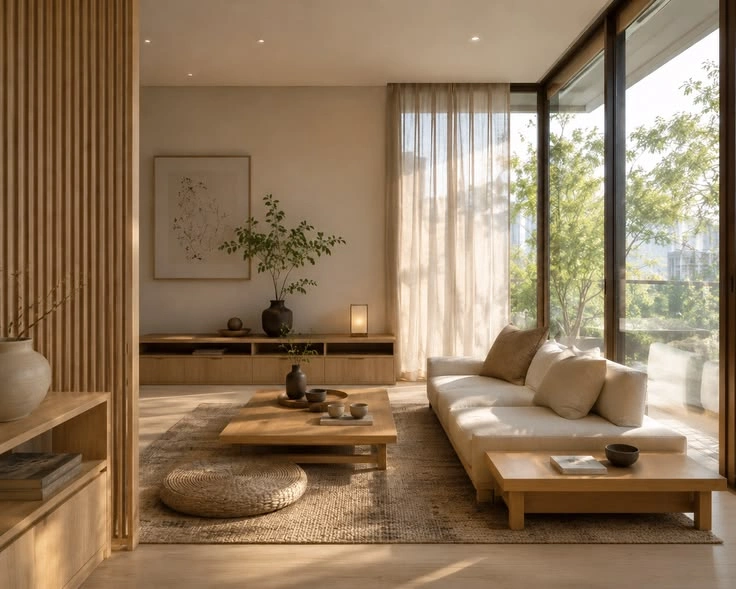
Beautiful spaces rarely depend on one expensive decoration. Instead, they combine several small details that work together.
Natural Light
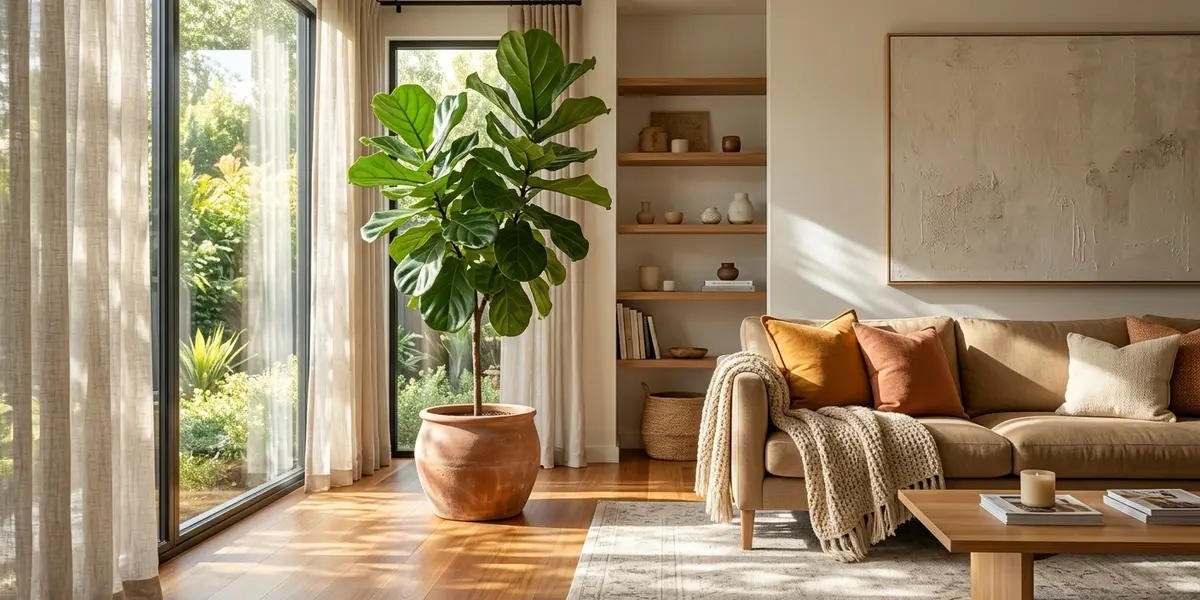
Sunlight remains one of the most effective ways to improve the feeling of a room.
Open curtains during the day whenever possible. Position desks or reading chairs near windows to enjoy more daylight.
Indoor Plants
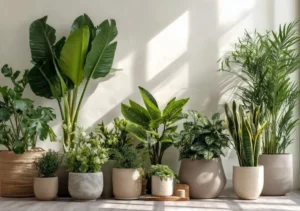
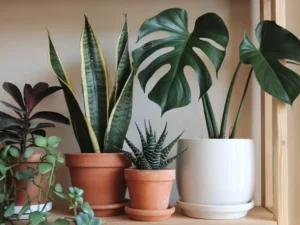
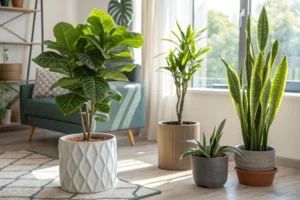
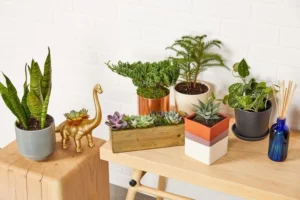
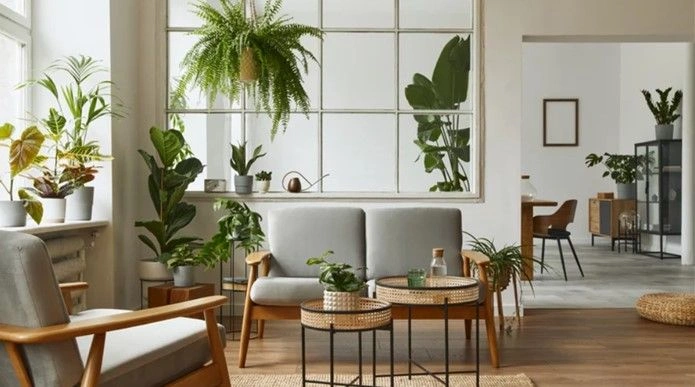
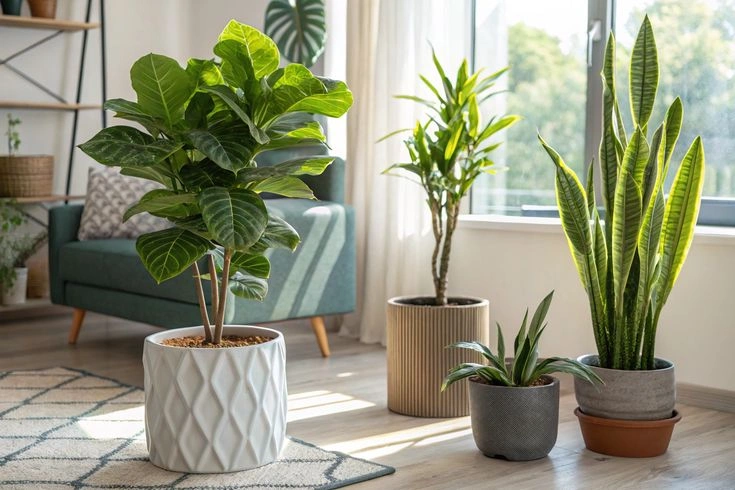
Plants add color, texture, and life to indoor spaces.
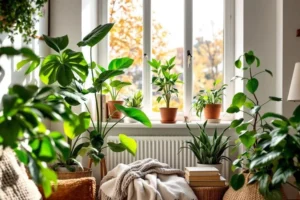
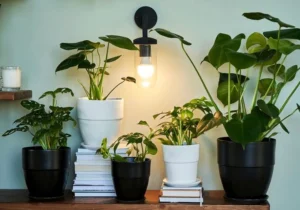
Many people report feeling calmer when surrounded by greenery. Plants can also encourage people to spend more time caring for their environment, creating positive daily routines.
Popular beginner-friendly options include:
- Snake Plant
- Pothos
- Spider Plant
- ZZ Plant
- Peace Lily
Calming Colors
Color affects emotional perception more than many people realize.
Soft blues often create a peaceful atmosphere. Gentle greens remind us of nature. Warm beige and cream colors add comfort without overwhelming the senses.
Highly saturated colors can work well as accents but may become tiring when used throughout an entire room.
Comfortable Textures
Soft blankets, cotton cushions, linen curtains, and natural wood furniture create warmth.
Texture gives a room depth while making it feel more welcoming.
Personal Meaning
Rooms become even more relaxing when they include meaningful items such as family photographs, artwork, travel souvenirs, or handmade decorations.
These objects remind us of positive memories and strengthen emotional comfort.
The Role of Nature in Calming Spaces
Humans have spent most of history surrounded by natural environments. Because of this, many researchers believe we still respond positively to elements of nature today.
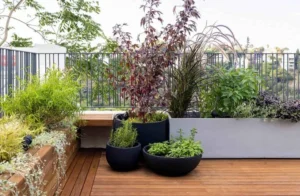
Large windows overlooking trees, indoor gardens, wooden furniture, flowing water, and natural stone can all contribute to a peaceful atmosphere.
Even simple additions like fresh flowers or landscape artwork may help create a stronger connection with nature when outdoor access is limited.
This idea is often called biophilic design, which focuses on bringing natural elements into indoor environments to support comfort and well-being.
Color Psychology and Emotional Well-Being
Color shapes how we experience a room. It cannot solve stress on its own, yet it can influence whether a space feels calm, energetic, or distracting. Choosing colors that match the purpose of a room makes it easier to create a comfortable environment.
Colors That Often Feel Calming
| Color | Common Effect | Best Places to Use |
|---|---|---|
| Soft Blue | Peaceful and relaxing | Bedroom, office |
| Sage Green | Refreshing and balanced | Living room, study |
| Warm White | Bright and clean | Any room |
| Beige | Cozy and welcoming | Living room, bedroom |
| Light Gray | Calm and modern | Home office |
Bright colors still have a place. However, using them in moderation usually creates better visual balance than covering an entire room with bold shades.
Room by Room Ideas for a More Relaxing Home
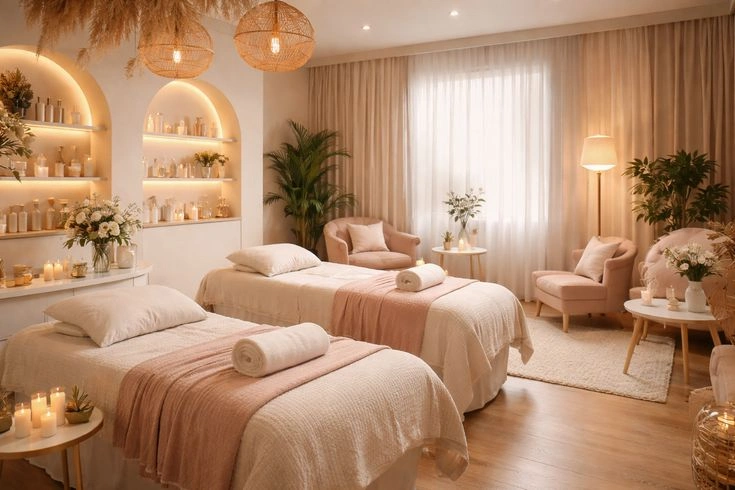
Every room serves a different purpose. As a result, each one benefits from slightly different design choices.
Bedroom
The bedroom should help your mind slow down before sleep. Soft bedding, blackout curtains, warm lighting, and fewer electronic devices can make the room feel more restful.
Living Room
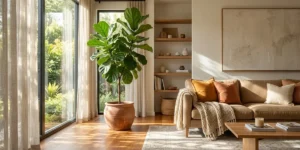
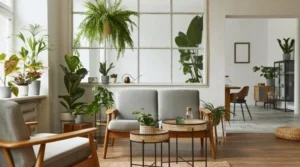
A relaxing living room encourages conversation and downtime. Comfortable seating, natural textures, indoor plants, and a tidy layout often create a welcoming atmosphere.
Home Office
A workspace should improve focus without feeling overwhelming. Keep only essential items on your desk, position it near natural light when possible, and add one or two plants for a fresh look.
Bathroom
Even small bathrooms can feel calming. Soft towels, simple storage, pleasant scents, and a clean countertop can make everyday routines more enjoyable.
Beautiful Spaces and Stress: Home vs. Clutter
The difference between a calming room and a stressful one often comes down to everyday habits rather than expensive furniture.
| Calming Space | Stressful Space |
|---|---|
| Clean and organized | Cluttered surfaces |
| Natural light | Dark lighting |
| Soft color palette | Harsh color combinations |
| Comfortable seating | Uncomfortable furniture |
| Indoor plants | No natural elements |
| Personal touches | Random decorations |
Small improvements made consistently usually have a greater impact than one large redesign.
Practical Ways to Create a Calming Space
You do not need a professional designer to improve your home. Start with one room and make gradual changes.
- Declutter one area at a time.
- Let in more natural light whenever possible.
- Add a few indoor plants.
- Choose soft lighting for evenings.
- Use calming colors for walls or décor.
- Keep frequently used items organized.
- Include artwork or photographs that make you smile.
- Reduce unnecessary noise with rugs or curtains.
- Open windows regularly to improve airflow.
- Create a quiet corner for reading or relaxing.
These simple habits support a space that feels more comfortable and easier to enjoy.
Common Mistakes That Increase Stress at Home
Some decorating choices unintentionally make a room feel more tiring.
Ignoring Lighting
A beautiful room can still feel uncomfortable if the lighting is too harsh or too dim.
Keeping Too Much Clutter
Decorating is different from overcrowding. Too many objects compete for your attention and make cleaning more difficult.
Choosing Style Over Comfort
Furniture should look good, but it should also feel comfortable. A room that is difficult to use becomes frustrating over time.
Forgetting Personal Preferences
Trends change quickly. Your home should reflect what makes you feel relaxed rather than what is currently popular.
Expert Tips for Designing a Less Stressful Home
Interior designers and wellness professionals often recommend focusing on comfort before decoration.
- Choose quality over quantity.
- Leave open space instead of filling every corner.
- Mix natural materials for warmth.
- Use pleasant scents carefully without overwhelming the room.
- Keep storage solutions simple and easy to maintain.
- Refresh your space with seasonal flowers or plants.
- Make cleaning part of your weekly routine.
These habits help maintain a peaceful environment throughout the year.
Quick Checklist
Use this checklist to evaluate your space.
| Checklist | Yes |
|---|---|
| Natural light enters the room | ☐ |
| Clutter is under control | ☐ |
| Comfortable seating is available | ☐ |
| Plants or natural elements are present | ☐ |
| Colors feel calm and balanced | ☐ |
| Storage keeps items organized | ☐ |
| Lighting is soft in the evening | ☐ |
| Personal decorations bring joy | ☐ |
The more boxes you can check, the more likely your space will feel relaxing and welcoming.
Frequently Asked Questions
Can beautiful spaces really lower stress hormones?
A beautiful environment cannot directly treat stress, but calming surroundings may help reduce stress responses. Combined with healthy habits, attractive spaces can support emotional well-being.
What is the connection between aesthetics and cortisol?
Researchers continue to study aesthetics and cortisol, but pleasant surroundings may help reduce feelings of stress, which can support a healthier stress response over time.
Why do pretty rooms reduce stress?
Many pretty rooms combine natural light, comfortable furniture, organized layouts, and calming colors. Together, these features create an environment that feels safe and relaxing.
Are expensive home renovations necessary?
No. Decluttering, improving lighting, adding plants, and choosing calming colors can make a noticeable difference without spending a large amount of money.
What is the best color for relaxation?
Soft blues, gentle greens, warm whites, and neutral earth tones are commonly associated with calm and comfort. Personal preference also plays an important role.
Conclusion
The connection between beautiful spaces and stress is more than a design trend. The environments around us influence how we think, feel, and respond to everyday challenges. While a beautiful room cannot remove every source of stress, it can become a place where your mind and body recover more easily.
Simple changes such as reducing clutter, bringing in natural light, adding greenery, and choosing calming colors can transform the way a space feels. The goal is not perfection. Instead, create a home that supports comfort, focus, and peace every day.