New to Plants? Start here 💚 Get More Info

Peace Lily Care: Expert Watering, Light and Growing Guide

Peace Lily Care: Expert Watering, Light and Growing Guide

Peace lily care starts with bright, indirect light, evenly moist but well-drained soil, and moderate to high humidity. Water only when the top layer of soil feels dry, feed during active growth, and avoid direct afternoon sun. Most common problems, including yellow leaves, brown tips, and drooping, result from incorrect watering, poor drainage, or unsuitable light rather than serious disease.

Peace lily care is easier than most people think, yet small mistakes with light or watering can quickly lead to yellow leaves, drooping stems, or fewer blooms. At Peeacelily, we have learned that healthy peace lilies thrive when you respond to what the plant needs instead of following a fixed care schedule.

Key Takeaways

  • Peace lilies grow best in bright, indirect light, but they can tolerate lower light with slower growth.
  • Water only after the top 1 to 2 inches of soil become dry instead of following a weekly schedule.
  • Use well-draining, moisture-retentive soil to reduce the risk of root rot.
  • Higher humidity encourages healthier leaves and more consistent flowering.
  • Yellow leaves, brown tips, and drooping usually signal watering or light issues that you can correct early.
  • Peace lilies contain insoluble calcium oxalate crystals and are toxic to cats and dogs if chewed.

Peace Lily Care Quick Chart

Care Factor Best Practice
Botanical Name Spathiphyllum species
Common Name Peace Lily
Plant Type Evergreen tropical houseplant
Light Bright, indirect light
Water When the top 1–2 inches of soil are dry
Soil Loose, well-draining potting mix with organic matter
Temperature 65–85°F (18–29°C)
Humidity 50–70% preferred
Fertilizer Balanced liquid fertilizer every 6–8 weeks during spring and summer
Blooming Season Usually spring through early summer with proper care
USDA Hardiness Zones 11–12 outdoors
Pet Safety Toxic to cats and dogs if ingested

What Is a Peace Lily?

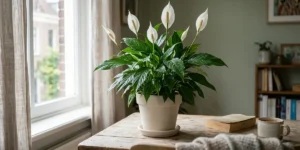
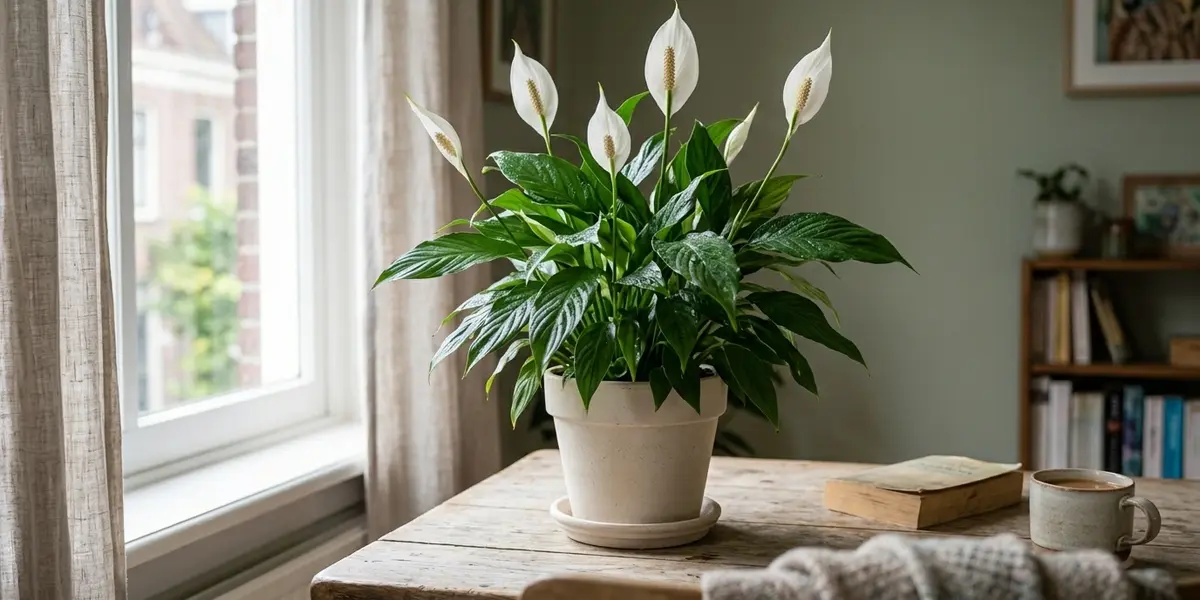
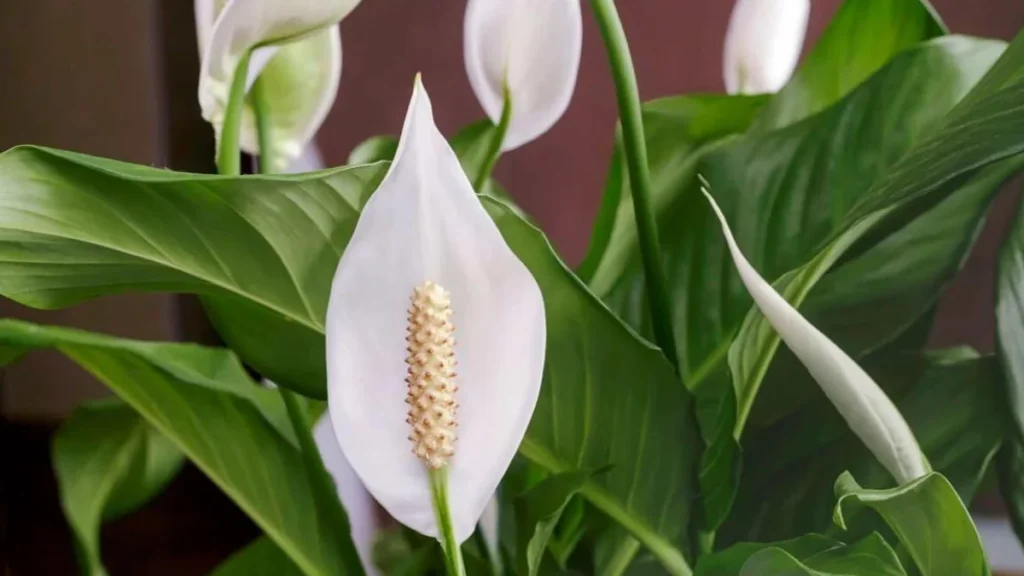
A peace lily is a tropical evergreen plant from the genus Spathiphyllum. It belongs to the Araceae family and grows naturally on the shaded forest floor of Central and South America. Its glossy leaves and elegant white blooms make it one of the world’s most popular indoor plants.

Unlike its name suggests, a peace lily is not a true lily. That distinction matters because true lilies can cause severe kidney damage in cats, while peace lilies mainly cause irritation from insoluble calcium oxalate crystals. Even so, you should always keep the plant away from curious pets and young children.

Peace lilies have remained a favorite houseplant for decades because they combine attractive foliage with relatively simple care. They also adapt well to typical indoor conditions, so they suit beginners, apartment dwellers, and experienced plant collectors alike.

Why do people love peace lilies?

People choose peace lilies because they offer more than attractive flowers.

  • They grow well in most indoor living spaces.
  • Their glossy foliage stays decorative throughout the year.
  • Mature plants produce elegant white blooms under the right conditions.
  • They clearly show when they need water, making care easier for beginners.
  • They pair beautifully with modern, minimalist, and natural home décor.

Best Light for Peace Lily Care

What kind of light does a peace lily need?

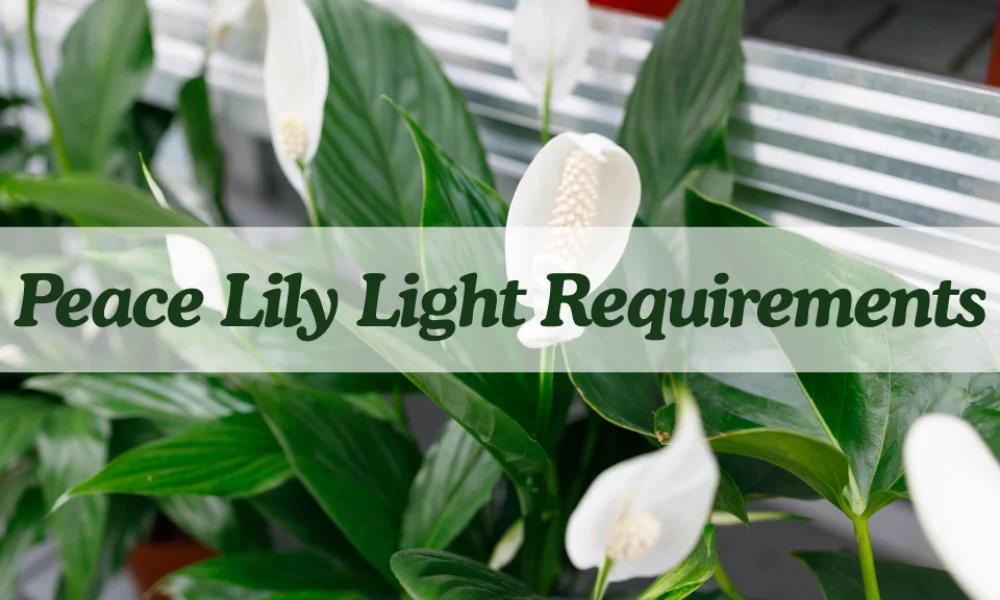
Peace lilies grow best in bright, indirect light. This light level supports steady growth, healthy leaves, and regular flowering. In their native tropical forests, these plants grow beneath a tree canopy, so they rarely receive strong direct sunlight.
Best Light for Peace Lily Care

Place your peace lily near an east-facing window or a few feet back from a south or west-facing window with a sheer curtain. This setup gives the plant enough light without exposing the leaves to harsh afternoon sun.

Can a peace lily survive in low light?

Yes, it can. Yet surviving and thriving are not the same.

A peace lily in low light often grows more slowly, produces smaller leaves, and blooms less often. If your goal is lush foliage and white flowers, increase the amount of indirect light instead of adding more fertilizer.

Signs your peace lily gets the wrong light

Plant Signal What It Usually Means What You Should Do
Pale or yellow leaves Too much direct sunlight Move the plant away from the window or filter the light
Brown, crispy patches Sun scorch Trim damaged leaves and provide indirect light
Small leaves and no blooms Not enough light Move closer to a brighter window
Leaning toward one side Uneven light exposure Rotate the pot every one to two weeks

My experience

I once placed a peace lily beside a sunny west-facing window because I wanted faster growth. Within days, the leaves developed dry brown patches. After moving it about four feet away behind a sheer curtain, fresh leaves appeared healthier, and the next bloom lasted much longer. Small changes in placement often make a bigger difference than extra plant food.

How Often to Water a Peace Lily

How often should you water a peace lily?

Water your peace lily only when the top 1 to 2 inches of soil feel dry. Do not follow a fixed weekly schedule because indoor conditions change throughout the year. Light, temperature, humidity, pot size, and soil all affect how quickly the soil dries.

Spring and summer usually require more frequent watering because the plant grows actively. During fall and winter, growth slows, so the soil stays moist longer.

The finger test works better than a calendar

Push your finger about two inches into the soil.

  • If the soil feels dry, water thoroughly.
  • If it still feels damp, wait another day or two.
  • If the soil feels wet, do not add more water.

This simple habit prevents the most common peace lily problem: overwatering.

How to water correctly

Water slowly until excess water drains from the bottom of the pot. Then empty the saucer after a few minutes so the roots never sit in standing water. Good watering keeps the soil evenly moist, not constantly wet.

Seasonal watering guide

Season Typical Watering Frequency
Spring Every 6 to 8 days
Summer Every 4 to 7 days
Fall Every 7 to 10 days
Winter Every 10 to 14 days

These are starting points. Always check the soil before watering.

Common watering mistakes

  • Watering every Sunday without checking the soil.
  • Leaving water in the saucer for hours.
  • Using a pot without drainage holes.
  • Giving small amounts of water instead of soaking the root ball.

Best Soil and Pot for Peace Lily Care

What soil works best for peace lilies?

Peace lilies prefer loose, rich, well-draining soil that holds enough moisture without becoming waterlogged. Dense soil traps water around the roots, and that creates the perfect environment for root rot.

A quality indoor potting mix works well, especially when it contains ingredients that improve both drainage and moisture retention.

The ideal mix usually includes:

  • Peat moss or coco coir for moisture retention.
  • Perlite for better drainage.
  • Pine bark or orchid bark for airflow around the roots.
  • Compost or organic matter for steady nutrition.

Choosing the right pot

The pot matters almost as much as the soil. Choose a container with drainage holes so excess water can escape easily. A pot that is too large holds extra moisture for longer periods, and that increases the chance of root problems.

When repotting, move up only one pot size, usually about one to two inches wider than the current container.

When should you repot?

Repot your peace lily every 18 to 24 months, or sooner if you notice:

  • Roots growing through the drainage holes.
  • Water running straight through the pot.
  • Slower growth despite proper care.
  • Soil breaking down into a dense, compact mass.

Fresh soil improves drainage, restores nutrients, and gives the roots room to expand.

Temperature and Humidity Needs

What temperature does a peace lily prefer?

Peace lilies grow best between 65°F and 85°F (18°C to 29°C). Most homes naturally stay within this range, so temperature rarely becomes a problem. Keep the plant away from heating vents, fireplaces, air conditioners, and drafty windows because sudden temperature changes can stress the leaves.

If indoor temperatures drop below 55°F (13°C) for long periods, growth slows and leaf damage becomes more likely.

Does a peace lily need high humidity?

Yes. Peace lilies come from tropical rainforests where humidity stays much higher than in most homes. Aim for 50% to 70% humidity whenever possible.

If your home feels dry, especially during winter, you can:

  • Place the pot on a pebble tray filled with water.
  • Group it with other houseplants.
  • Use a room humidifier.
  • Keep it in naturally humid rooms with bright indirect light.

Signs the air is too dry

Watch for these early warning signs:

  • Brown leaf tips.
  • Crispy leaf edges.
  • Slow new growth.
  • Flowers that fade more quickly.

My experience

One winter, my peace lily kept developing brown tips even though I watered it correctly. The problem was not the soil. My heating system had reduced indoor humidity below 35%. After adding a small humidifier nearby, new leaves emerged clean and healthy, and the brown tips almost disappeared. Sometimes the air around the plant matters just as much as the water in the pot.

How to Fertilize a Peace Lily

Does a peace lily need fertilizer?

Yes, but only during active growth. A peace lily grows well without heavy feeding, and too much fertilizer often causes more harm than good. Excess fertilizer builds up in the soil, burns the roots, and leaves brown tips along the edges.

Feed your plant only when it actively produces new leaves, which usually happens from spring through early fall.

Which fertilizer works best?

Choose a balanced liquid houseplant fertilizer, such as 10-10-10 or 20-20-20, and dilute it to half the strength recommended on the label.

A diluted solution gives steady nutrition without overwhelming the roots.

Fertilizing schedule

Season What to Do
Spring Feed once every 6 to 8 weeks
Summer Continue every 6 to 8 weeks
Fall Reduce feeding as growth slows
Winter Skip fertilizer unless the plant actively grows under strong indoor light

Signs your peace lily needs nutrients

Look for these changes:

  • New leaves appear much smaller.
  • Growth slows during spring and summer.
  • Mature leaves lose their rich green color.
  • The plant produces fewer flowers despite good light.

These signs do not always mean fertilizer is the answer. Check light, watering, and root health first because those issues cause similar symptoms.

Avoid these fertilizing mistakes

  • Feeding dry soil instead of moist soil.
  • Fertilizing every week.
  • Using full-strength fertilizer every time.
  • Feeding during winter dormancy.

My experience

I once thought more fertilizer would produce more flowers. Instead, the leaf tips turned brown within two weeks. After flushing the soil with clean water and reducing feeding to once every two months, healthy new growth returned. Since then, I treat fertilizer as a supplement, not the main source of healthy growth.

How to Make a Peace Lily Bloom

Why isn’t my peace lily flowering?

The most common reason is insufficient light. Many people believe peace lilies bloom in dark corners because they survive there. They do survive, but they rarely flower without enough indirect light.

Healthy blooms depend on several conditions working together.

Five conditions for more flowers

  • Bright, indirect light for several hours each day.
  • Mature plant with a well-developed root system.
  • Regular watering without soggy soil.
  • Moderate humidity.
  • Light feeding during the growing season.

Blooming checklist

Requirement Ideal Condition
Light Bright, indirect light
Water Evenly moist soil, never waterlogged
Humidity Around 50–70%
Fertilizer Balanced liquid feed every 6–8 weeks
Plant Age Mature, established plant

Should you remove old flowers?

Yes. Cut faded flower stalks near the base once they begin turning green or brown. Removing old blooms helps the plant direct its energy toward healthy leaves and future flowers instead of aging flower stalks.

My experience

One of my peace lilies produced leaves for almost two years without a single flower. I moved it from a dim hallway to an east-facing window, and I changed nothing else. Within a few months, the first white bloom appeared. That experience taught me that light controls flowering far more than fertilizer.

How to Prune and Clean a Peace Lily

Does a peace lily need pruning?

Yes, but only for maintenance. Regular pruning keeps the plant tidy and also helps it focus energy on healthy growth.

Remove:

  • Yellow leaves.
  • Brown leaves.
  • Broken stems.
  • Spent flower stalks.

Always use clean, sharp scissors or pruning shears to reduce the risk of spreading disease.

Should you clean the leaves?

Absolutely.

Large peace lily leaves collect household dust over time. Dust blocks some sunlight from reaching the leaf surface, and that reduces photosynthesis. Every few weeks, wipe each leaf gently with a soft damp cloth. Avoid commercial leaf shine sprays because they can clog tiny pores on the leaves.

Repotting Peace Lily

When should you repot a peace lily?

Most peace lilies benefit from repotting every 18 to 24 months. Some fast-growing plants need fresh soil sooner, while slow-growing plants may stay happy longer.

Watch the plant instead of the calendar.

Signs your peace lily needs repotting

  • Roots grow through drainage holes.
  • Water drains too quickly.
  • The soil dries much faster than before.
  • Growth slows despite proper care.
  • The root ball pushes above the soil surface.

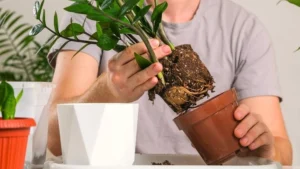
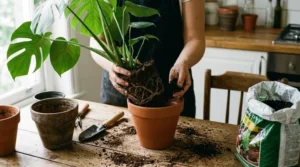
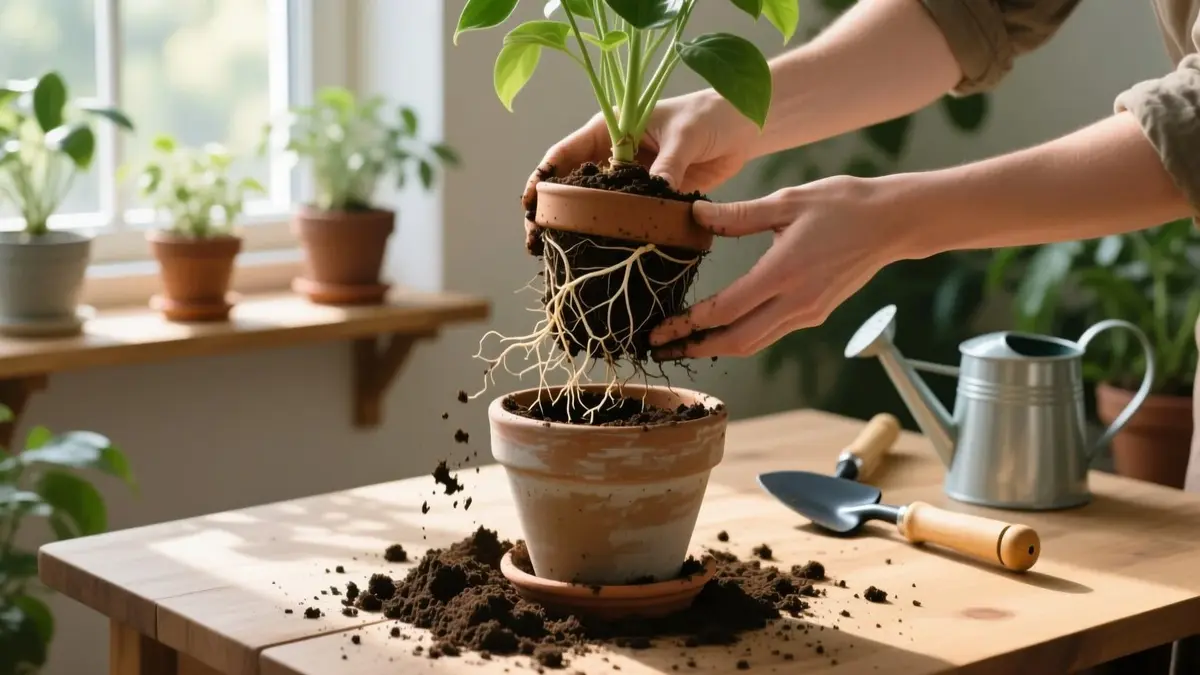
How to repot successfully

  1. Water the plant one day before repotting.
  2. Choose a pot only one size larger.
  3. Fill the new container with fresh, well-draining potting mix.
  4. Place the plant at the same soil level as before.
  5. Water thoroughly after repotting.
  6. Keep the plant out of direct sunlight for several days while it settles.

Should you divide your peace lily?

Yes, if the plant becomes crowded. During repotting, gently separate healthy clumps with their own roots and leaves. Plant each division into its own container. Division gives you healthy new plants and also prevents overcrowding in the original pot.

The Peeacelily Healthy Growth Framework

Most care guides focus on schedules. I prefer watching the plant itself. I use the Peeacelily Healthy Growth Framework, which follows five simple checks each week.

  1. Look: Check the leaves first. Healthy leaves should feel firm, glossy, and rich green. Yellowing, drooping, or brown edges tell you something needs attention before the problem spreads.
  2. Feel: Touch the soil before reaching for the watering can. If the top layer still feels damp, wait another day or two.
  3. Check the Light: Notice where sunlight falls throughout the day. If strong afternoon sun reaches the leaves, move the plant slightly farther from the window. If growth slows and blooms disappear, increase indirect light instead.
  4. Watch New Growth: New leaves reveal how well your care routine works. Large, upright leaves usually signal healthy roots and balanced care. Smaller leaves or distorted growth often point to poor light, root crowding, or nutrient shortages.
  5. Adjust Slowly: Change only one thing at a time. Move the plant, adjust watering, or improve humidity, then watch for changes over the next two weeks. Small adjustments usually solve problems faster than making several changes at once.

This simple framework has helped me prevent far more problems than any fixed watering calendar. Peace lilies communicate clearly. Once you learn to read their signals, caring for them becomes much easier and far more rewarding.

Common Peace Lily Problems and Fixes

Even healthy peace lilies show warning signs before serious damage happens. Check the leaves and soil first because they usually reveal the real problem.

Problem Most Likely Cause Quick Fix
Yellow leaves Overwatering Let the soil dry slightly before watering again
Brown tips Low humidity or fertilizer buildup Increase humidity and reduce fertilizer
Drooping Soil too dry or too wet Check soil moisture before watering
No blooms Low light Move to brighter indirect light
Brown patches Direct sunlight Keep the plant out of harsh afternoon sun

Why Are Peace Lily Leaves Turning Yellow?

Why do leaves turn yellow?

Overwatering causes yellow leaves more often than anything else. Wet soil limits oxygen around the roots, so the leaves begin to fade.

You may also see yellow leaves because of:

  • Natural aging
  • Poor drainage
  • Rootbound growth
  • Fertilizer buildup

How to fix it

  • Water only when the top 1 to 2 inches of soil feel dry.
  • Remove yellow leaves.
  • Improve drainage if the soil stays wet.

Why Does a Peace Lily Have Brown Tips?

Brown tips usually mean the air is too dry or fertilizer has built up in the soil.

How to fix it

  • Keep humidity around 50% to 70%.
  • Feed lightly during spring and summer.
  • Flush the soil with clean water every few months.

Why Is My Peace Lily Drooping?

A drooping peace lily usually needs attention, but not always more water.

Always check the soil first.

  • Dry soil: Water thoroughly.
  • Wet soil: Stop watering and let the soil drain.

This simple check prevents one of the most common care mistakes.

Root Rot

Root rot develops when the roots stay wet for too long.

Signs

  • Yellow leaves
  • Drooping despite wet soil
  • Soft, dark roots
  • Bad smell from the pot

Trim damaged roots and repot the plant in fresh, well-draining soil.

Common Peace Lily Pests

Peace lilies rarely suffer from serious pest problems, but watch for:

  • Spider mites
  • Mealybugs
  • Scale insects
  • Fungus gnats

Inspect the leaves every week and treat early with insecticidal soap or neem oil if needed.

Peace Lily Care Myths

Myth Reality
Water every week Water only when the soil starts to dry.
Peace lilies love dark rooms They survive in low light but bloom best in bright, indirect light.
More fertilizer means more flowers Too much fertilizer damages roots and leaf tips.

Conclusion

Peace lily care becomes simple once you understand what your plant is telling you. Bright indirect light, proper watering, well-draining soil, and steady humidity will keep your plant healthy for years. At Peeacelily, we believe observing your plant is the best care routine because small adjustments often solve problems before they become serious.

Frequently Asked Questions

How often should I water a peace lily?

Water your peace lily when the top 1 to 2 inches of soil feel dry. The exact timing depends on light, temperature, humidity, and pot size.

Why are my peace lily leaves turning yellow?

Yellow leaves usually result from overwatering, poor drainage, or natural aging. Check the soil before watering again to identify the real cause.

Can a peace lily grow in low light?

Yes. Peace lilies tolerate low light, but they grow faster and bloom more often in bright, indirect light.

Why isn’t my peace lily flowering?

Most peace lilies stop blooming because they do not receive enough indirect light. A mature plant with proper watering and occasional feeding will flower more reliably.

Should I mist my peace lily?

Misting offers only short-term humidity. A humidifier or pebble tray provides more consistent moisture, especially during dry winter months.

Table of Contents

Scroll to Top