For centuries, hibiscus has existed quietly in gardens, traditional medicine cabinets, and cultural rituals across Asia, Africa, and Latin America. Most people know it as a vibrant flower. Fewer realize it has become one of the fastest-rising ingredients in modern wellness.
In 2026, hibiscus is no longer simply a decorative plant growing in tropical climates. It is increasingly appearing in herbal teas, functional beverages, skincare formulations, haircare products, and natural health supplements as consumers shift toward plant-based wellness alternatives.
The global wellness industry is constantly searching for ingredients that combine tradition, scientific credibility, and multifunctional health benefits. Hibiscus happens to check every box.
What once sat quietly in home gardens is now becoming one of the most valuable botanical ingredients in modern health culture.
Hibiscus Has Moved Beyond Being Just a Flower
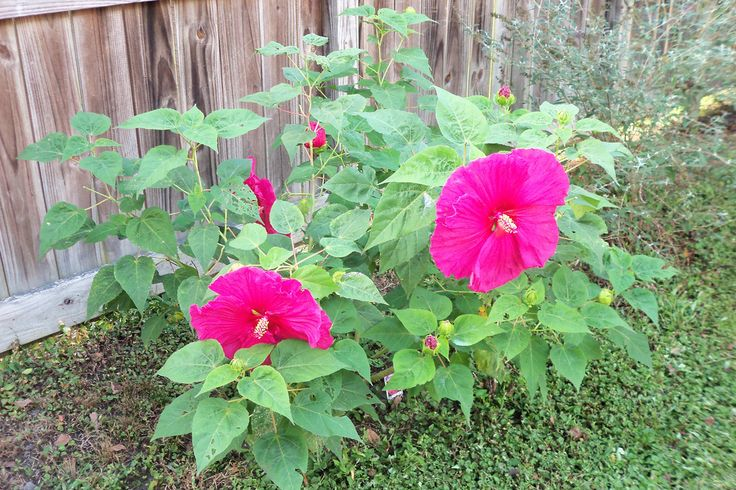
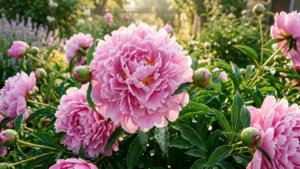
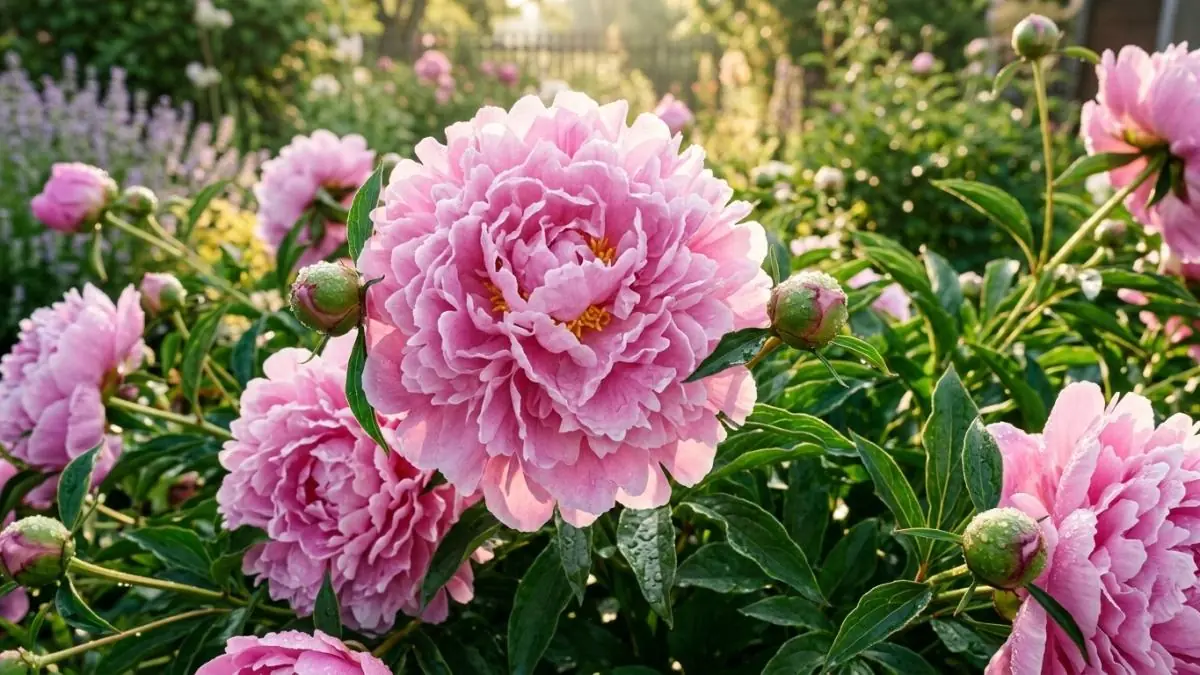
Most people recognize Hibiscus for its large colorful petals and tropical appearance.
But beneath its ornamental reputation lies a remarkably functional plant.
Certain varieties, particularly Hibiscus sabdariffa, have been used for generations in herbal medicine because of their dense concentration of beneficial plant compounds.
Traditionally, hibiscus has been consumed in multiple ways.
Across different cultures it is used as:
- Herbal tea
- Natural cooling beverage
- Hair treatment ingredient
- Skin remedy
- Digestive aid
- Traditional medicinal tonic
What makes hibiscus increasingly valuable today is that modern science is beginning to validate what traditional medicine understood centuries ago.
The flower is no longer appreciated simply for beauty.
It is increasingly valued for function.
The Wellness Industry Is Searching for Botanical Ingredients
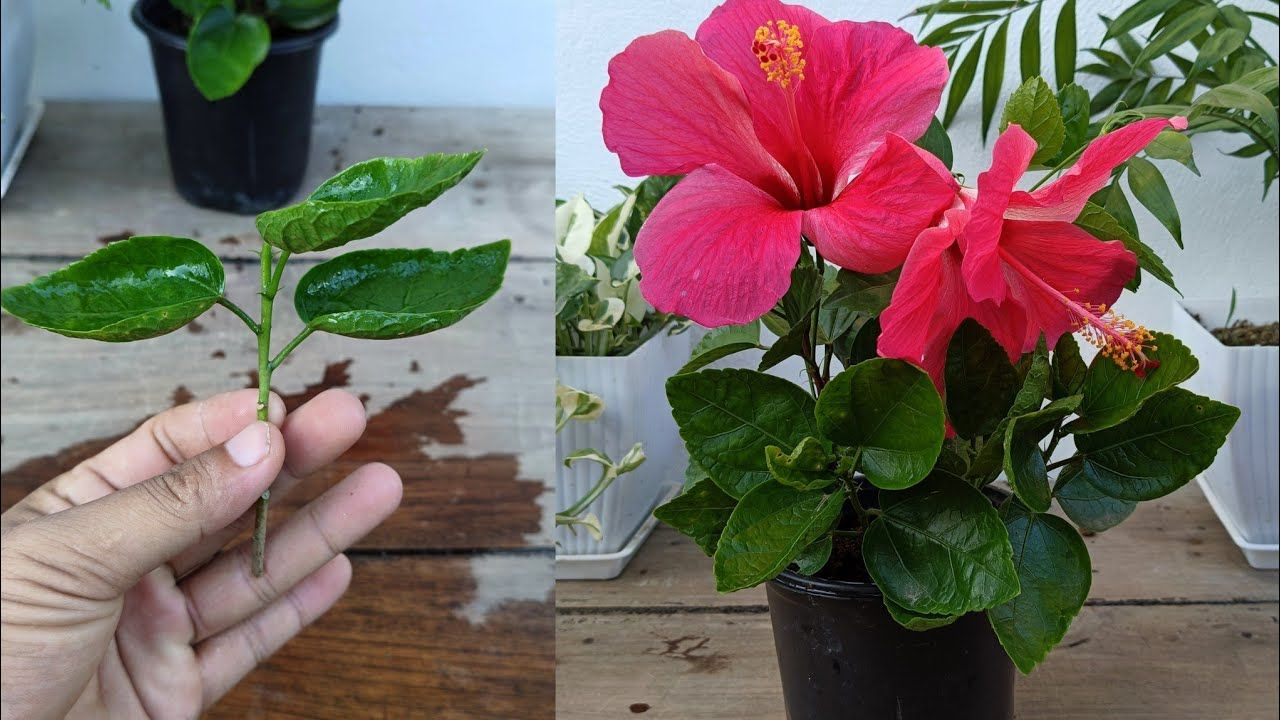
Consumer behavior around health has fundamentally changed.
The shift away from synthetic ingredients continues accelerating across nearly every wellness category.
Consumers increasingly want products built around natural compounds rather than heavily processed alternatives.
This has created explosive demand for plant-based ingredients.
Hibiscus has quietly emerged as one of the strongest candidates.
Why?
Because it naturally combines several properties modern consumers actively seek.
It contains:
- Natural antioxidants
- Plant polyphenols
- Anti-inflammatory compounds
- Natural acids beneficial for skin
- Vitamins supporting immune health
Scientific research published through PubMed Central continues to explore the plant’s broad physiological effects on human health.
In other words, wellness companies are not experimenting randomly.
They are following science.
Hibiscus Tea Is Becoming a Functional Beverage Alternative
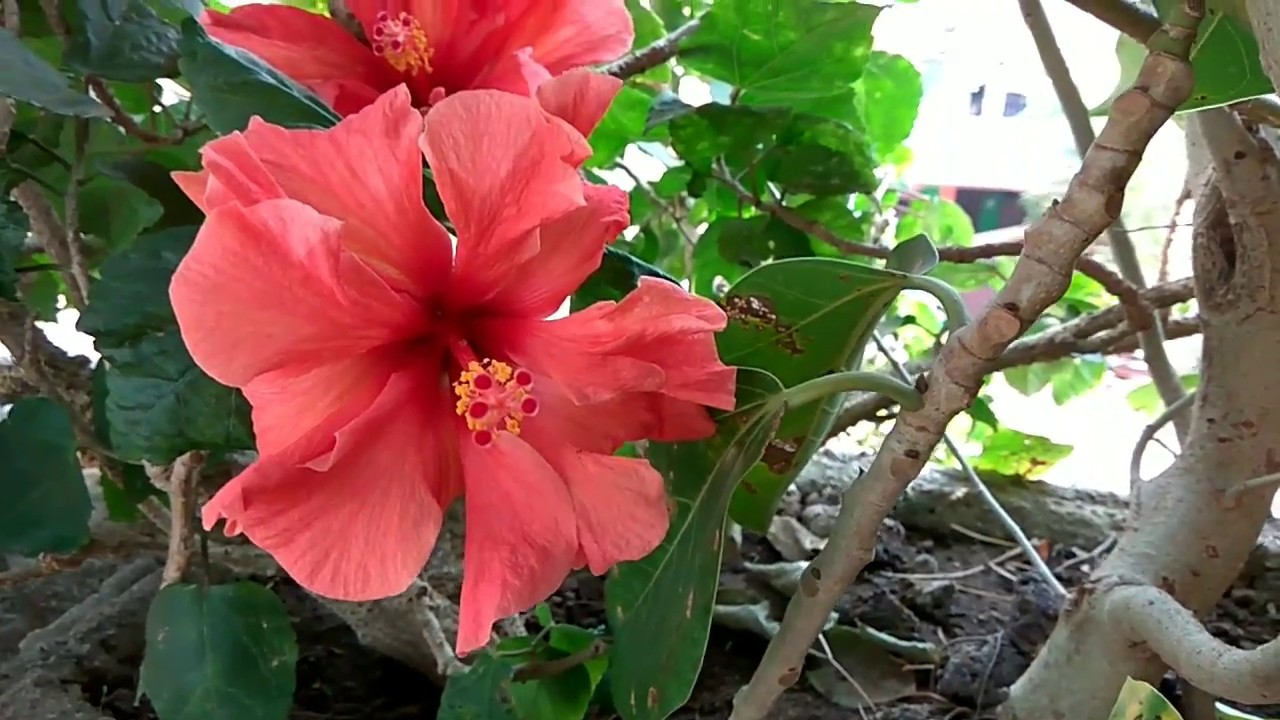
One of the biggest shifts happening globally involves beverages.
Consumers increasingly avoid high-sugar drinks, synthetic energy drinks, and overly processed beverages.
The replacement market is growing rapidly.
Functional beverages now dominate modern wellness culture.
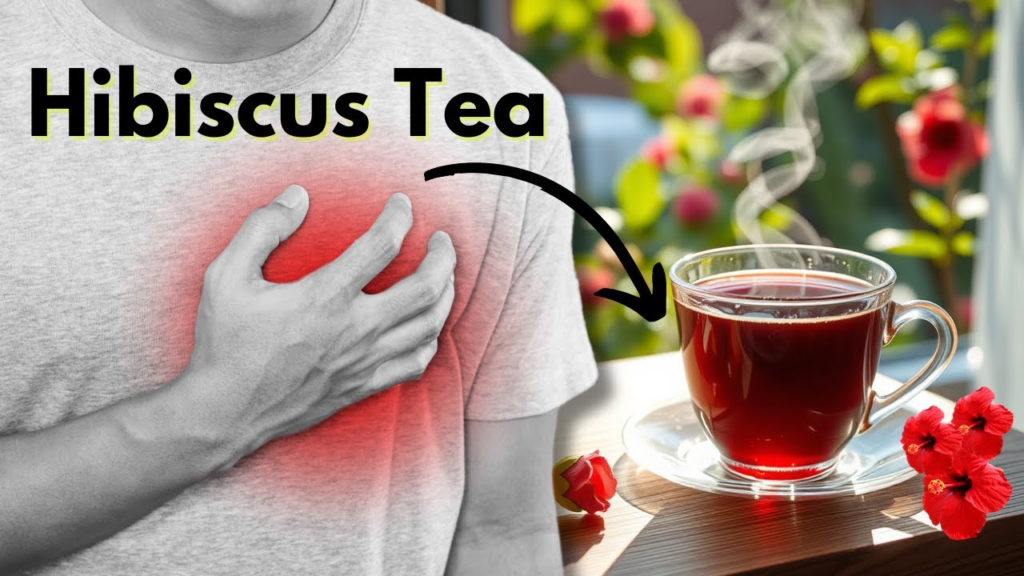
Hibiscus tea sits directly inside that trend.
Unlike standard tea varieties, hibiscus tea offers both flavor and function.
It has a naturally tart profile while delivering high concentrations of plant compounds associated with hydration, oxidative stress reduction, and cardiovascular support.
Consumers increasingly choose hibiscus-based drinks because they offer:
- Zero caffeine options
- Natural hydration support
- Lower sugar alternatives
- Plant-based wellness benefits
- Refreshing antioxidant intake
The rise of herbal beverages is quietly transforming consumer health habits.
Hibiscus is becoming one of the category leaders.
Science Is Driving Hibiscus Demand
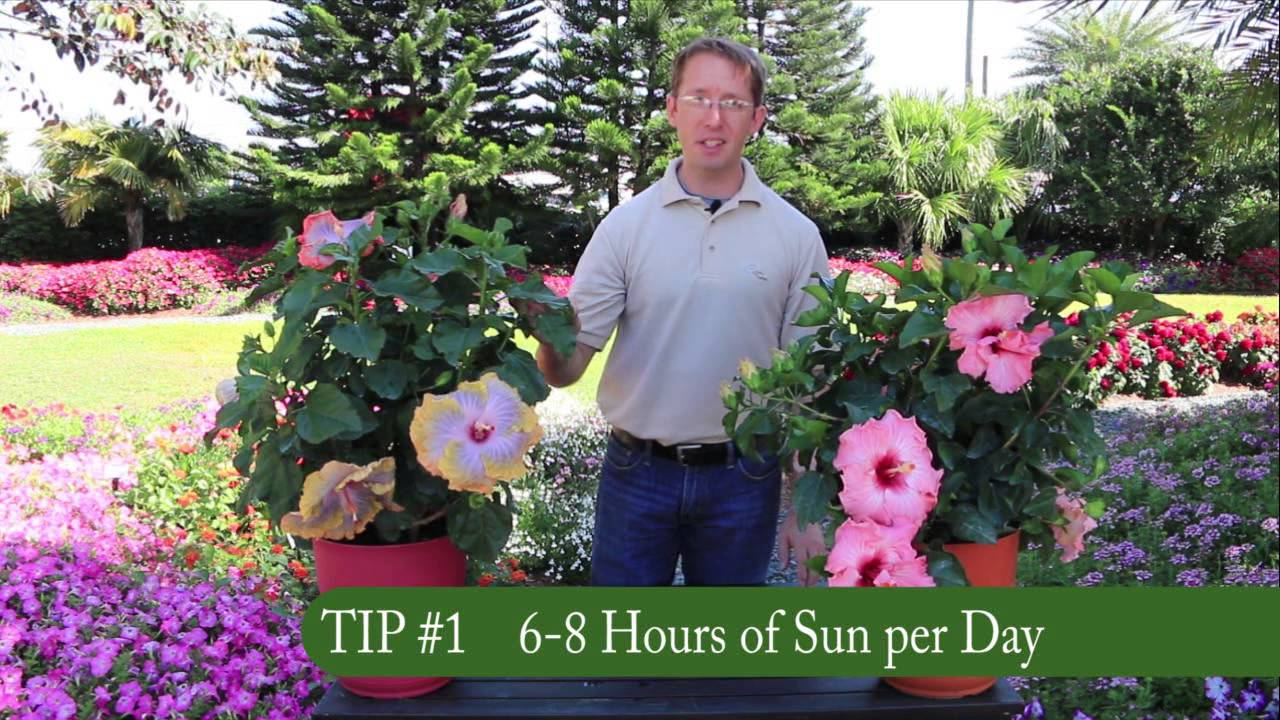
The modern wellness industry no longer depends purely on tradition.
Consumers increasingly expect evidence.
This is where hibiscus stands out.
Research continues linking hibiscus consumption with several promising health-supportive properties.
Scientists continue studying its effects on:
- Blood pressure regulation
- Cardiovascular support
- Oxidative stress reduction
- Metabolic health
- Digestive balance
- Inflammatory response management
The plant contains exceptionally high concentrations of Polyphenols and anthocyanins, compounds widely recognized for their protective antioxidant behavior.
Unlike many wellness ingredients built around marketing trends, hibiscus increasingly benefits from legitimate scientific interest.
This dramatically increases consumer trust.
The Beauty Industry Has Quietly Adopted Hibiscus
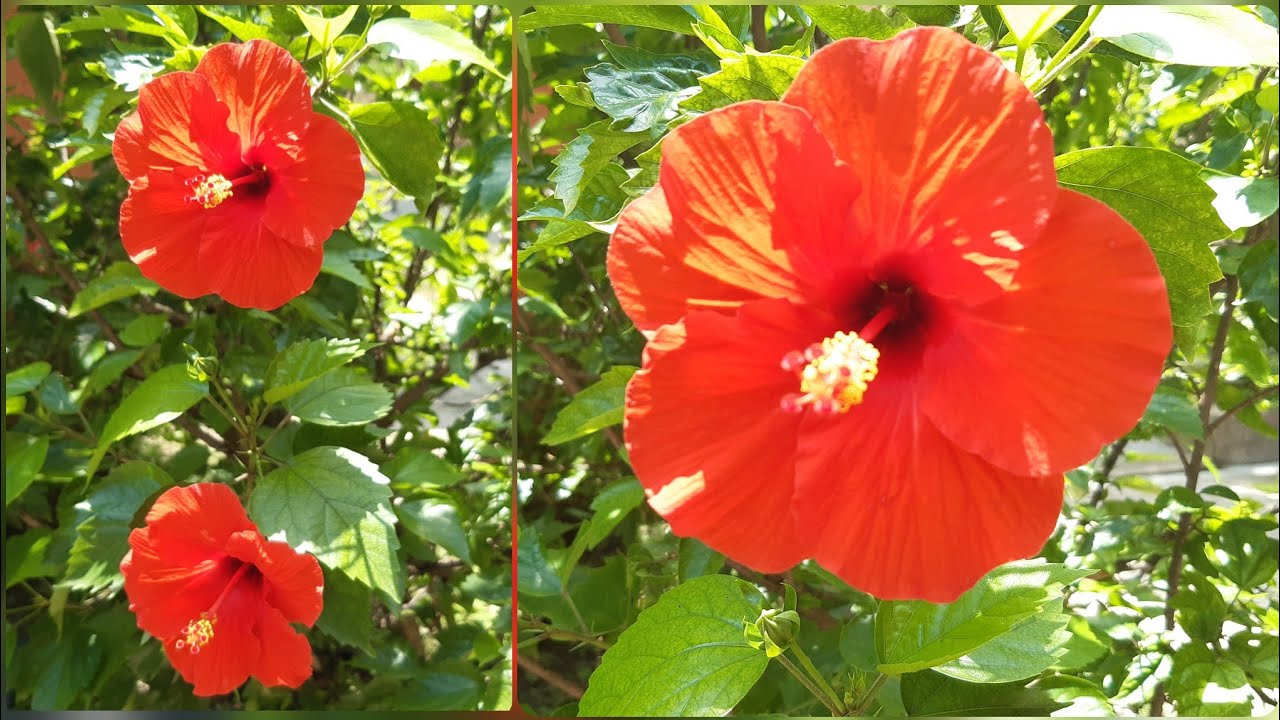
The skincare and beauty world constantly searches for multifunctional botanical ingredients.
Hibiscus has quietly become one of the most interesting natural compounds entering beauty formulations.
Why?
Because hibiscus naturally contains organic acids known for gentle exfoliating properties.
These acids help remove dead skin cells while supporting smoother skin texture.
Beauty companies increasingly use hibiscus extract inside:
- Facial serums
- Botanical cleansers
- Anti-aging formulations
- Scalp treatments
- Hair repair masks
- Natural exfoliating products
According to Healthline, hibiscus has long been associated with cosmetic and medicinal applications across traditional medicine systems.
Consumers increasingly trust botanical ingredients that serve multiple wellness functions.
Hibiscus performs extremely well in that category.
Hibiscus Has Become a Haircare Ingredient Worldwide
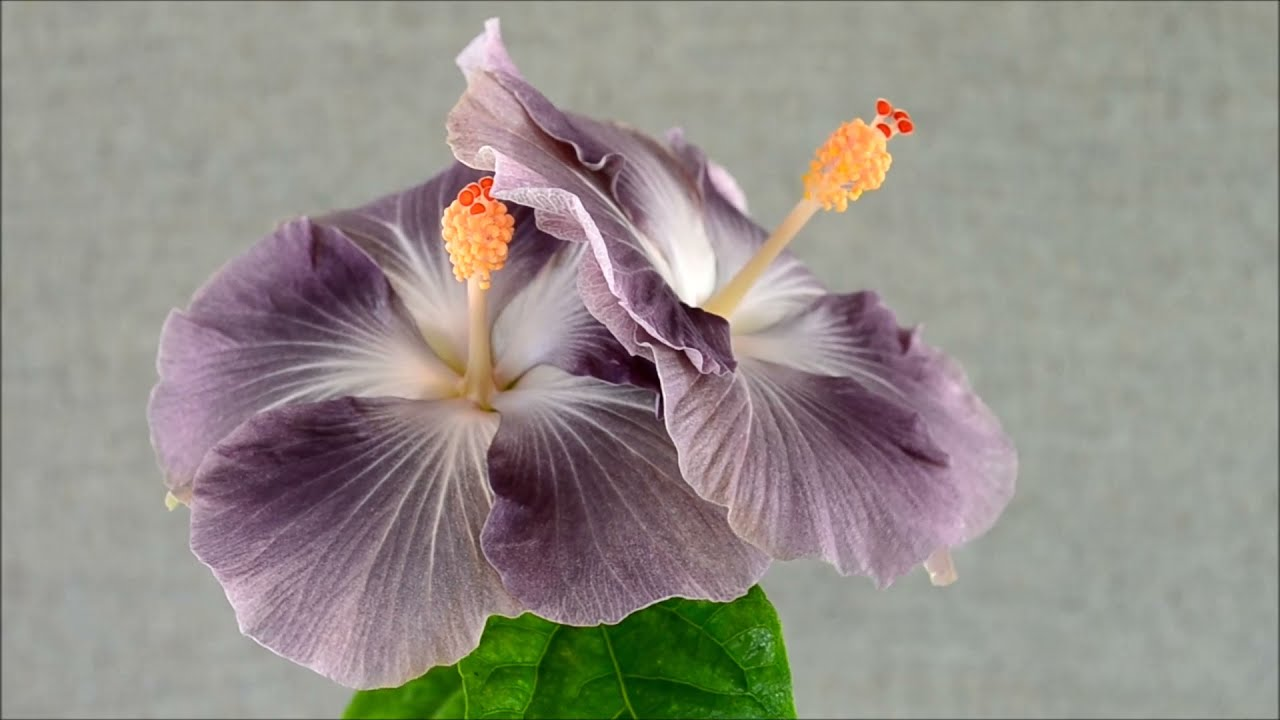
In South Asia, hibiscus has been used for generations in natural haircare rituals.
In Pakistan and India, the flower is commonly known as Gudhal.
For decades families have used crushed hibiscus leaves and flowers in homemade treatments designed to improve scalp health and strengthen hair.
What was once traditional practice has now entered mainstream beauty markets.
Hibiscus extracts increasingly appear inside:
- Hair oils
- Scalp serums
- Sulfate-free shampoos
- Herbal conditioners
- Hair strengthening masks
The appeal is simple.
Consumers increasingly reject harsh chemical-heavy formulations.
Natural haircare continues growing rapidly.
Hibiscus has become part of that transition.
Consumers Are Returning to Ancient Wellness Systems
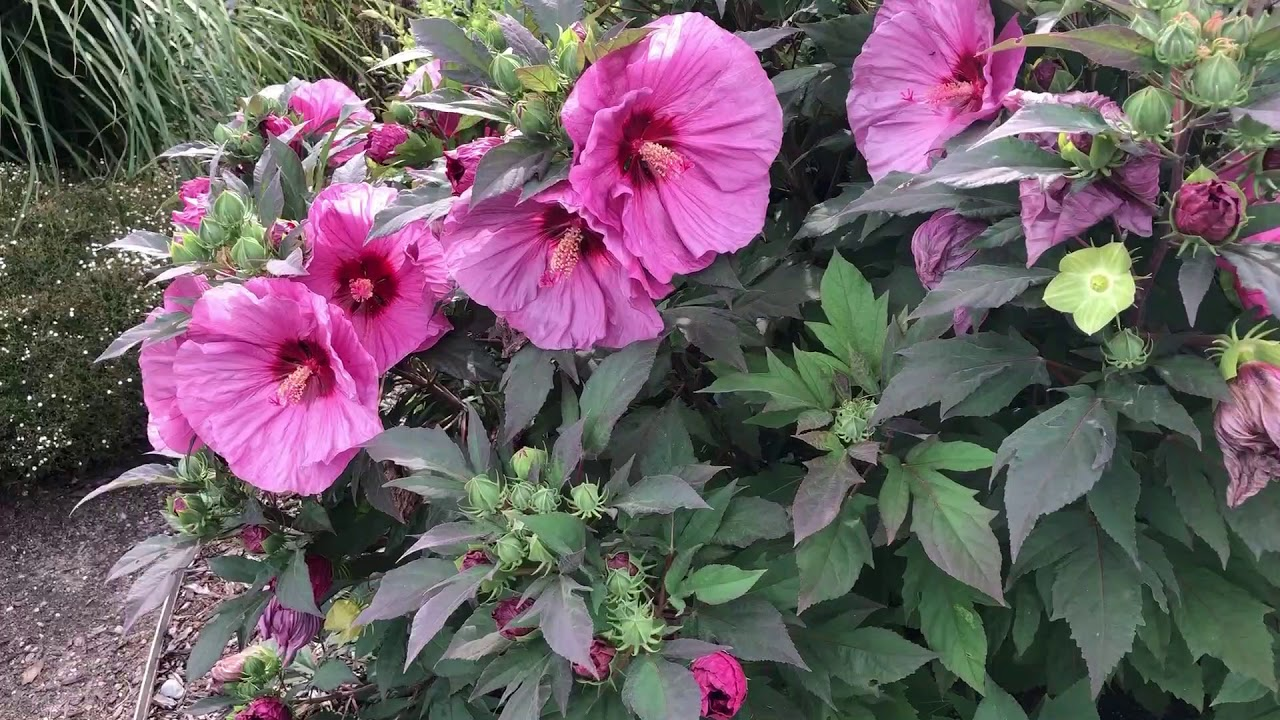
One of the most interesting consumer shifts involves trust.
For decades, wellness culture favored pharmaceutical intervention and synthetic solutions.
That trend is reversing.
Consumers increasingly return to ancient wellness traditions.
This includes growing interest in:
- Herbal medicine
- Ayurvedic remedies
- Plant-based nutrition
- Botanical skincare
- Traditional healing systems
Hibiscus benefits from this exact movement.
It sits at the intersection of tradition and modern validation.
The most powerful wellness ingredients today are not necessarily new discoveries.
They are ancient ingredients rediscovered by modern consumers.
Hibiscus perfectly represents this transition.
The Wellness Economy Is Rewarding Multifunctional Ingredients
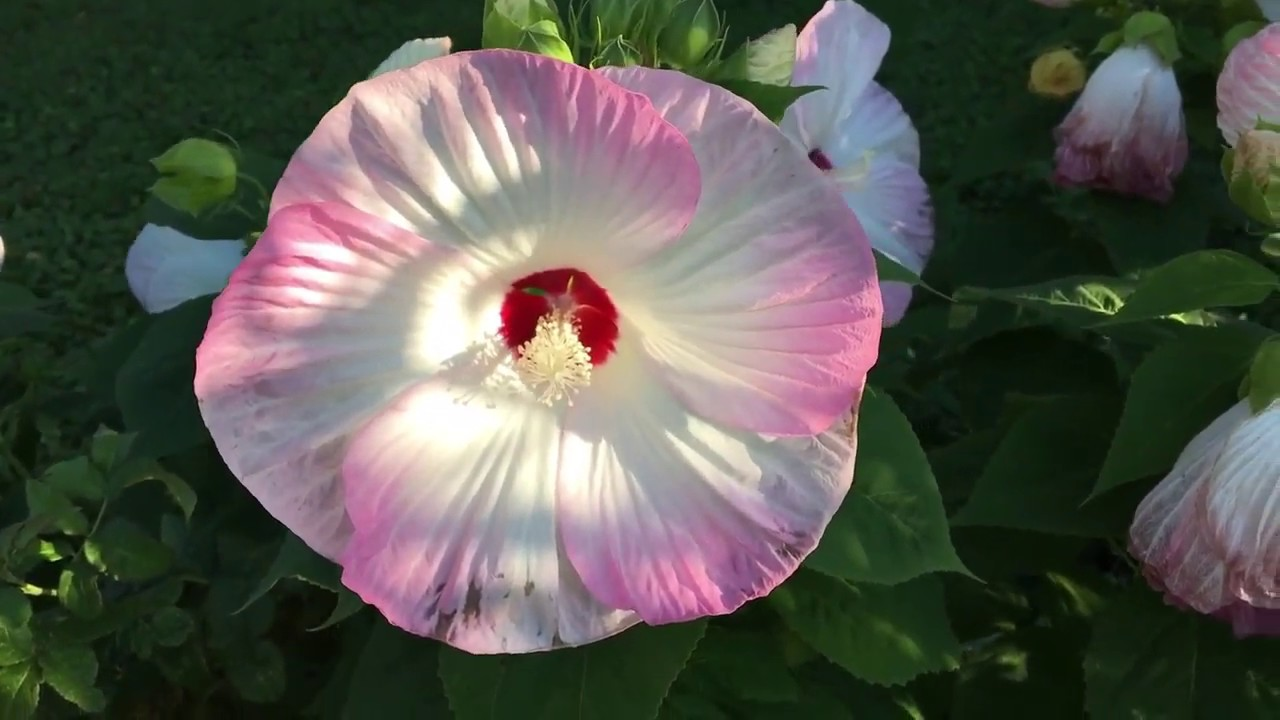
The modern wellness industry values efficiency.
Consumers increasingly prefer ingredients that serve multiple health functions simultaneously.
A single ingredient that helps hydration, supports cardiovascular health, benefits skin health, and improves hair quality naturally becomes more commercially valuable.
Hibiscus performs unusually well here.
Potential benefits continue making it attractive across multiple industries.
Health sector:
- Herbal supplements
- Functional beverages
- Natural wellness products
Beauty sector:
- Skin repair products
- Natural anti-aging formulas
- Hair growth treatments
Nutrition sector:
- Herbal teas
- Antioxidant beverages
- Plant extract supplements
The versatility itself creates market value.
This explains why hibiscus demand continues accelerating globally.
Hibiscus Is Becoming Part of Premium Wellness Culture
Wellness has become increasingly premium.
Consumers now willingly spend more on ingredients perceived as clean, natural, and multifunctional.
Hibiscus increasingly appears inside premium wellness categories because it aligns perfectly with modern consumer psychology.
It feels natural.
It feels scientifically credible.
It carries cultural authenticity.
It offers broad functionality.
This combination is extremely rare.
Unlike short-lived wellness trends, hibiscus possesses something far stronger.
Longevity.
The future of wellness increasingly belongs to ingredients rooted in both nature and evidence.
Hibiscus stands firmly inside that future.
Why Hibiscus Matters More Than Ever
The world is shifting toward natural wellness faster than most people realize.
Consumers increasingly reject overly processed solutions and aggressively search for plant-based alternatives.
Hibiscus is benefiting directly from that movement.
It has quietly transformed from ornamental flower into a high-value botanical ingredient influencing:
- Wellness beverages
- Herbal medicine
- Functional nutrition
- Natural skincare
- Haircare innovation
- Premium health products
Sometimes the most powerful wellness ingredients are not newly invented.
They have simply been waiting for the modern world to rediscover them.
Hibiscus may be one of the clearest examples.
Frequently Asked Questions
What is hibiscus used for?
Hibiscus is commonly used in herbal teas, skincare products, haircare treatments, natural supplements, and traditional medicine systems.
Is hibiscus tea good for health?
Hibiscus tea contains antioxidants and plant compounds currently being studied for cardiovascular, metabolic, and wellness-related benefits.
Does hibiscus help hair growth?
Hibiscus has traditionally been used in scalp treatments and natural haircare routines to support stronger and healthier hair.
Why is hibiscus becoming popular in wellness?
Consumers increasingly seek plant-based ingredients backed by both traditional usage and scientific research, making hibiscus highly attractive.
Is hibiscus used in skincare?
Yes. Hibiscus extract increasingly appears in cleansers, serums, exfoliating formulas, and anti-aging skincare products.
What nutrients does hibiscus contain?
Hibiscus contains antioxidants, anthocyanins, polyphenols, vitamins, and various bioactive plant compounds studied for health-supportive properties.