Introduction
Some ingredients quietly shape entire industries.
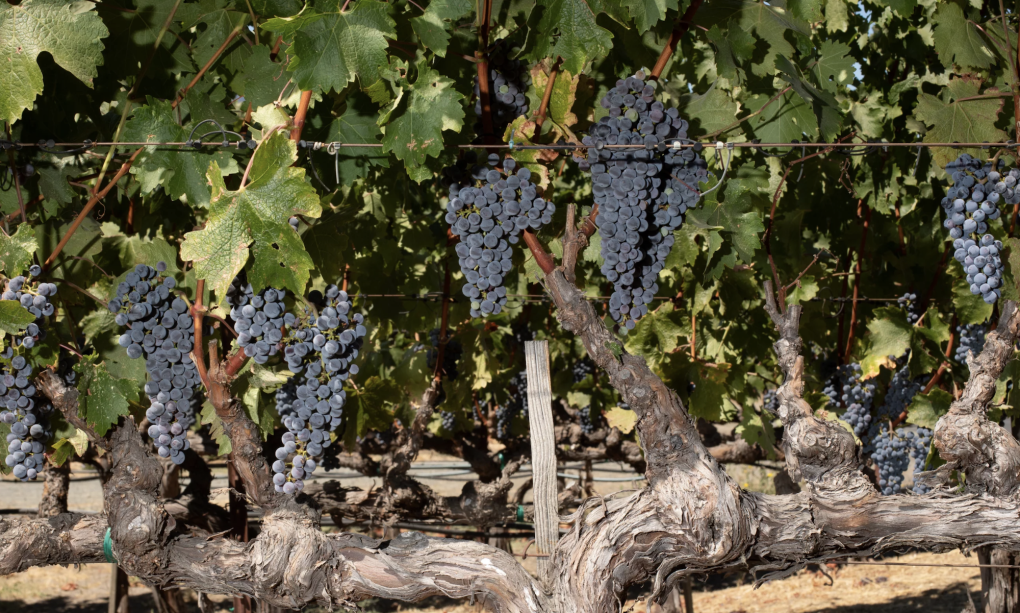
Few agricultural products have influenced fine dining and luxury beverage culture more than the Cabernet grape.
Recognized worldwide for producing some of the most celebrated red wines ever created, Cabernet has become synonymous with sophistication, craftsmanship, and premium winemaking.
From historic French vineyards to world-famous wine estates across multiple continents, this grape variety has earned extraordinary global respect.
Its bold structure, complex flavor profile, and aging potential continue making it a favorite among sommeliers, collectors, and wine enthusiasts alike.
But what exactly makes Cabernet grapes so important?
What Is a Cabernet Grape?
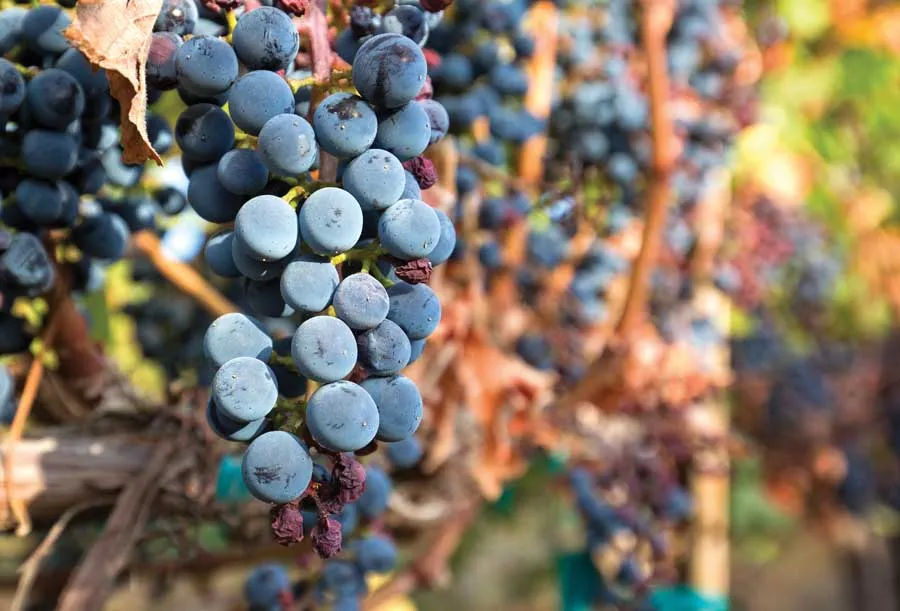
The Cabernet grape most commonly refers to Cabernet Sauvignon, one of the world’s most recognized red wine grape varieties.
It originated in France as a natural cross between two grape varieties:
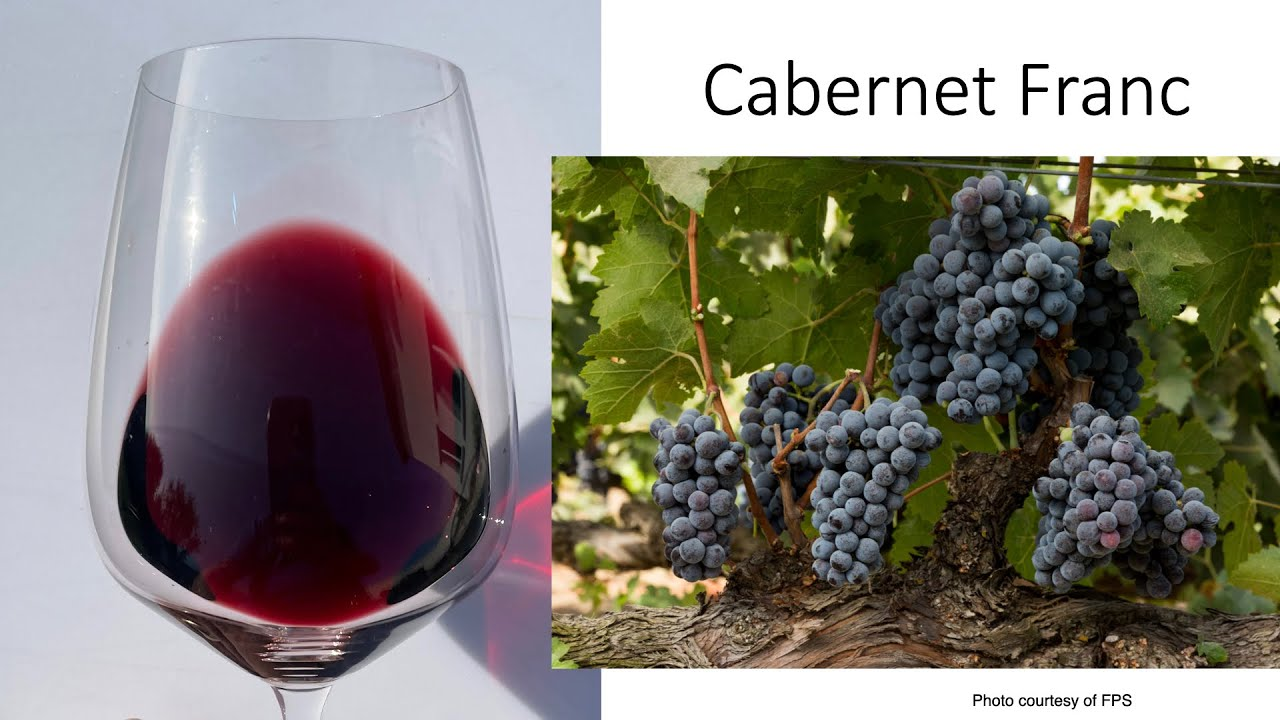
- Cabernet Franc
- Sauvignon Blanc
This unique genetic combination created a grape capable of producing wines known for bold tannins, deep color, and exceptional aging potential.
Today, Cabernet Sauvignon remains one of the most widely planted wine grapes globally.
Its influence on wine culture is enormous.
Why Cabernet Sauvignon Became So Popular
Many grape varieties exist.
Few achieve the universal reputation Cabernet Sauvignon enjoys.
Its popularity comes from several strengths.
Exceptional Structure
Cabernet wines often develop strong tannin structures, creating fuller body and remarkable aging potential.
Complex Flavor Profile
The grape naturally produces rich flavor notes such as:
- Black currant
- Dark cherry
- Blackberry
- Plum
- Cedar
- Tobacco
- Vanilla
- Spice
This complexity creates highly sophisticated tasting experiences.
Adaptability Across Regions
Cabernet grapes grow successfully across many climates.
This flexibility helped global expansion significantly.
Few grape varieties perform this consistently worldwide.
Where Cabernet Grapes Grow Best
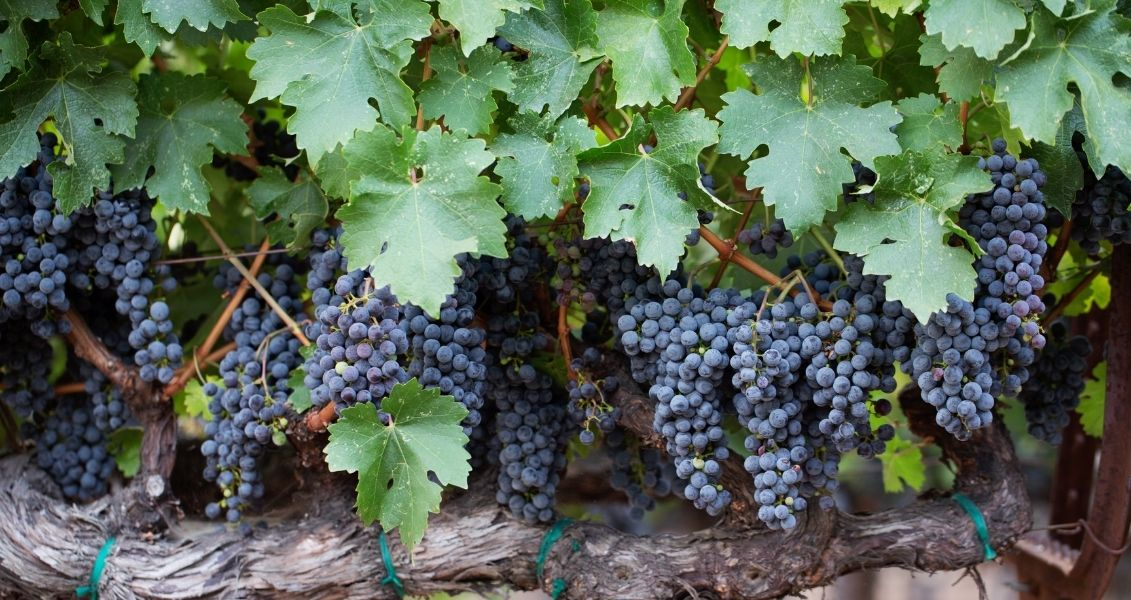
Although originating in France, Cabernet grapes now thrive internationally.
Major wine-producing regions include:
Bordeaux
Napa Valley
Australia
Tuscany
Chile
Argentina
Each climate influences flavor differently.
Regional variation creates unique wine characteristics.
What Does Cabernet Taste Like?
One reason wine enthusiasts admire Cabernet is its powerful flavor structure.
In cooler climates, Cabernet often develops:
- Bell pepper notes
- Herbal characteristics
- Structured acidity
In warmer climates, flavors become richer.
Common warm-climate notes include:
- Jammy dark fruits
- Blackberry
- Plum
- Dark chocolate
- Vanilla
Oak barrel aging frequently adds additional complexity.
The result often feels bold and elegant.
Why Cabernet Defines Luxury Wine Culture
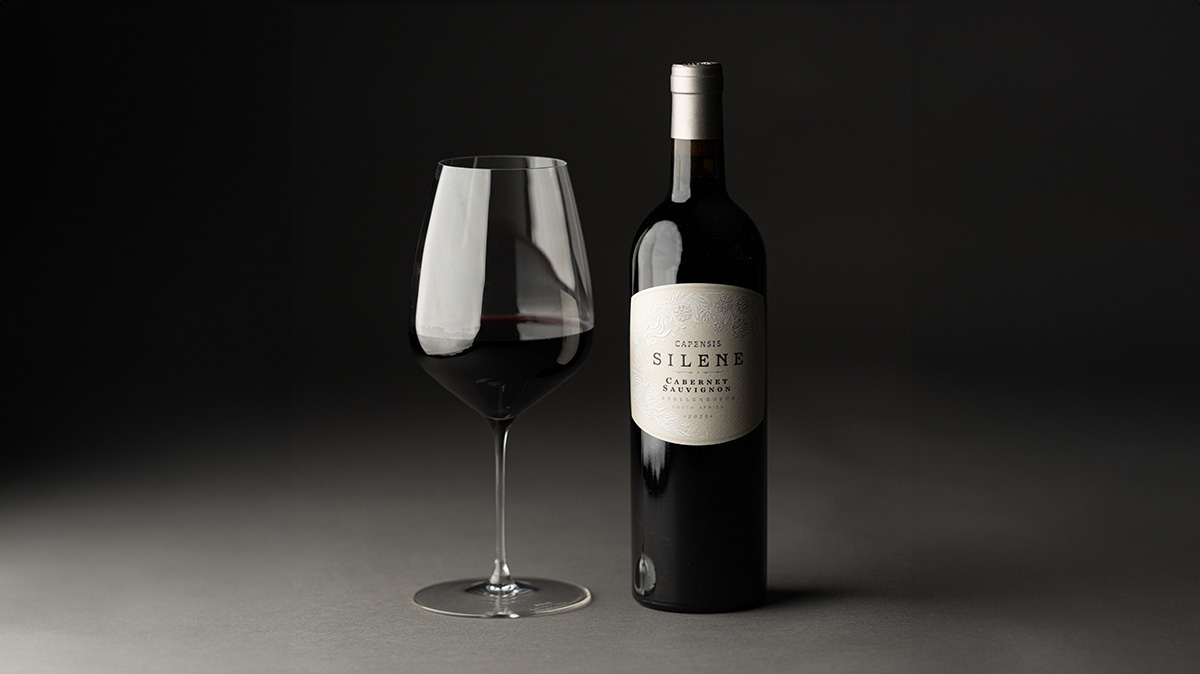
Certain wines become symbols of sophistication.
Cabernet Sauvignon achieved this status largely because of aging potential and structure.
High-quality Cabernet wines often improve significantly over time.
Collectors frequently age premium bottles for years or even decades.
This rarity creates prestige.
Luxury dining culture often values wines capable of evolving gracefully.
Cabernet performs exceptionally well here.
Few wines age as beautifully.
Best Food Pairings for Cabernet
The bold structure of Cabernet makes it ideal for rich dishes.
Classic pairings include:
- Grilled steak
- Lamb chops
- Aged cheeses
- Roasted mushrooms
- Truffle dishes
- Slow-cooked short ribs
Because of strong tannins, lighter foods often feel overwhelmed.
Rich proteins create balance.
This pairing flexibility makes Cabernet popular in fine dining.
Why Wine Knowledge Reflects Taste Culture
Understanding wine goes beyond drinking.
Wine appreciation often reflects cultural understanding of craftsmanship, geography, agriculture, and refined taste.
Cabernet represents centuries of agricultural expertise.
Its continued popularity proves that quality ingredients remain timeless.
The world’s finest culinary traditions frequently begin with exceptional raw ingredients.
Cabernet grapes remain one of them.
Final Thoughts
The Cabernet grape has shaped modern wine culture more than almost any other grape variety.
Its complex flavor profile, remarkable aging potential, and global prestige make it one of the defining ingredients in luxury dining and fine wine appreciation.
From historic French vineyards to premium wine collections worldwide, Cabernet continues representing craftsmanship at the highest level.
Sometimes true sophistication begins long before the bottle is opened.
And Cabernet proves exactly why.
Frequently Asked Questions
1. What is a Cabernet grape?
A Cabernet grape usually refers to Cabernet Sauvignon, a red wine grape variety known for producing bold, full-bodied wines with excellent aging potential.
2. Where did Cabernet Sauvignon originate?
Cabernet Sauvignon originated in France as a natural cross between Cabernet Franc and Sauvignon Blanc, likely in the Bordeaux region.
3. What does Cabernet wine taste like?
Cabernet wines often feature black currant, blackberry, plum, cedar, tobacco, vanilla, and spice notes, depending on climate and aging methods.
4. Why is Cabernet Sauvignon so popular?
Its rich flavor, strong tannin structure, aging potential, and ability to grow successfully in many wine regions make it globally respected.
5. What foods pair best with Cabernet Sauvignon?
Cabernet pairs well with grilled steak, lamb, aged cheeses, roasted mushrooms, and other rich dishes that balance its bold tannins.