Why do flowers make us happy is a question that feels simple, yet it runs deep. So here at Peeacelily, I think about this every day. And the short answer is this. Flowers reach us through color, scent, shape, and memory all at once. So that mix sparks a quick lift, and it tends to stick. But let me show you why.
But the full story is richer than a quick mood bump. So let me walk you through it.
What Actually Happens in Your Brain
When you see a flower, your brain does not pause to analyze it. It reacts. Bright petals catch your eye, and the visual reward system fires. Researchers at Rutgers studied this and found that flowers produced what they called true, honest signals of happiness. People smiled the kind of smile that reaches the eyes, the one you cannot fake.
That same study found the mood boost was not fleeting. People who received flowers reported feeling less anxious and more satisfied days later. So the lift is real, and it lingers.
Scent of Flowers
Scent plays a big role too. The smell of a rose or a hyacinth travels straight to the limbic system, the part of the brain tied to emotion and memory. That is why one whiff of jasmine can pull you back to a summer night from years ago. Your nose and your memories are wired together in a way no other sense matches.
Colors of Flowers
Color matters as much as scent. Warm tones like yellow and orange feel energizing. Soft pinks and whites feel calm and clean. Blue and purple blooms tend to soothe. So the palette you bring home actually shapes the mood you create.
Why We Are Wired to Love Blooms
There is an evolutionary thread here, and I find it fascinating. For most of human history, flowers meant something practical. A flowering plant signaled food was coming. Blooms turned into fruit, seeds, and harvest. So our ancestors who paid attention to flowers likely ate better.
Over thousands of years, that attention became pleasure. We learned to feel good around blooms because, on some level, they promised abundance. That instinct still hums quietly inside us. You do not have to think about it. You just feel lighter when the tulips open.
Flowers also signal the season turning. The first daffodil of spring tells us the cold is ending. That sense of renewal hits hard after a long winter, and it is one reason a single stem can shift a whole mood.
The Peeacelily Bloom Joy Framework
I built a simple model, because I wanted something I could actually use. So I call it the Four S Framework. And it answers why do flowers make us happy by breaking the floral mood boost into four parts you can tune on purpose.
1. Sight. Color and shape grab attention and trigger reward. Choose hues that match the feeling you want.
2. Scent. Fragrance links to memory and calm. A lightly scented bloom near a doorway greets you every time you pass.
3. Story. Flowers carry meaning, like a birthday rose or a friend’s gift. That personal tie deepens the joy.
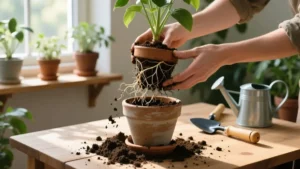
4. Stewardship. Caring for a living bloom adds routine and small wins. Watering, pruning, and watching buds form give you purpose.
When all four line up, the happiness lands harder and lasts longer. So when I want a real mood shift, I aim for a flower that hits at least three of the four.
Fresh Cut Flowers vs Flowering Houseplants
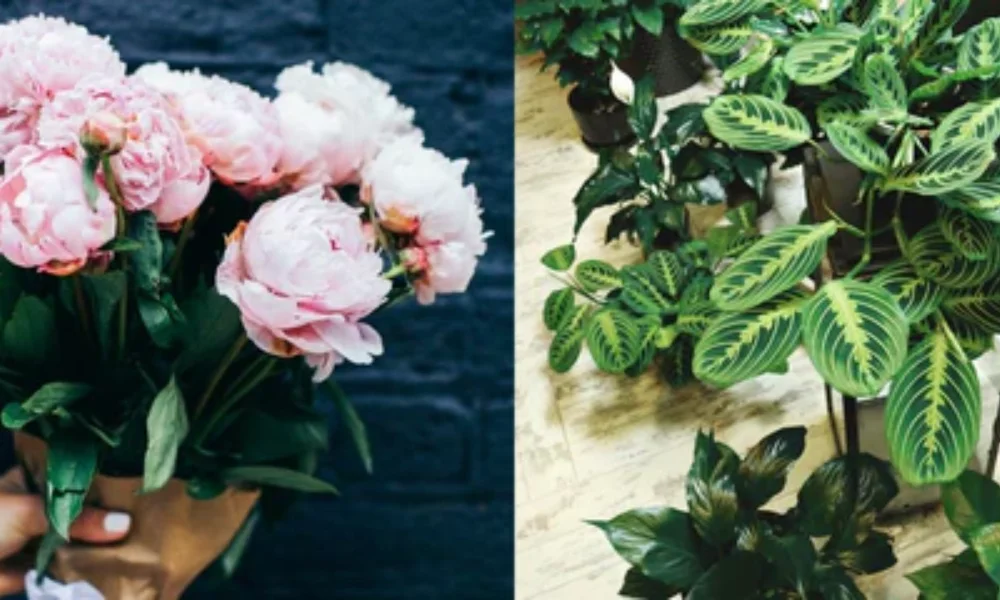
People often ask whether they should buy a bouquet or grow a blooming plant. Both work, and they work in different ways. So here is a quick comparison to help you choose.
| Factor | Fresh Cut Flowers | Flowering Houseplants |
|---|---|---|
| Speed of joy | Instant, full color right away | Builds over weeks as buds open |
| Lasting time | About 5 to 10 days | Months to years with care |
| Care effort | Low, just fresh water | Moderate, light and watering needed |
| Stewardship boost | Small | Large, daily care pays off |
| Cost over time | Repeats each purchase | One plant, many bloom cycles |
| Best for | Quick lifts, gifts, events | Long-term mood and routine |
Fresh flowers give you that instant hit. A flowering houseplant gives you the slow, steady reward of watching something thrive under your hands. I keep both in my home for that reason.
Easy Flowering Plants That Boost Mood Indoors
If you want the lasting kind of joy, a blooming houseplant is the way to go. So let me share a few of my favorites, with honest care notes from my own shelves.
Peace Lily (Spathiphyllum)
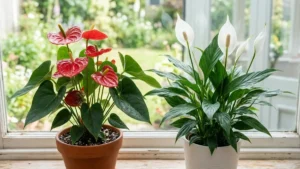
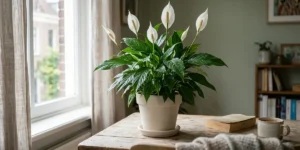
This one is close to my heart. It throws up elegant white blooms and forgives the occasional missed watering. It likes low to medium light and droops dramatically when thirsty, which is oddly helpful since it tells you exactly what it needs. One safety note. Peace lilies are toxic to cats and dogs, so keep them out of reach if you have curious pets.
African Violet (Saintpaulia)
Small, cheerful, and almost always in bloom if you treat it right. It loves bright, indirect light and warm rooms. Water from the bottom to avoid spotting the fuzzy leaves. The first time mine rebloomed after I moved it near an east window, I felt absurdly proud.
Anthurium
Glossy red or pink heart-shaped blooms that last for weeks. It wants bright, indirect light and steady moisture. Anthuriums are also toxic to pets, so place them with care.
Phalaenopsis Orchid
The blooms can last two to three months, which makes the payoff huge. Give it indirect light and water with a few ice cubes or a small splash once a week. People fear orchids, but this one is forgiving once you stop overwatering.
Kalanchoe
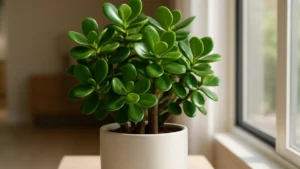
A succulent that bursts with tiny clustered flowers. It thrives on neglect and bright light, so it is perfect for beginners or sunny windowsills.
Match the Bloom to the Room
Different rooms call for different floral effects. So here is how I place blooms around a home for the best lift.
- Bedroom. Soft, lightly scented blooms work best. A peace lily or a small lavender plant calms the mind before sleep. Skip strong fragrances that might keep you up.
- Kitchen. Bright, cheerful color wakes up the space. A pot of kalanchoe or a cut bunch of tulips adds energy where you start your day.
- Home office. A flowering plant on the desk can ease stress during long work blocks. Research suggests greenery and blooms near a workspace lower tension and lift focus.
- Living room. This is your stage. A statement anthurium or a fresh arrangement sets the mood for guests and for you.
- Entryway. A scented bloom by the door greets you with a small joy each time you come home.
Benefits Beyond the Mood Boost
why do flowers make us happy, the happiness is the headline, but flowers do more. So let me lay out the wider benefits.
- Lower stress. Studies tie flowers and greenery to reduced cortisol and calmer moods.
- Better connection. Giving flowers strengthens bonds. The Rutgers research found people felt closer to those who gave them blooms.
- Sharper focus. Plants and blooms in a workspace can improve concentration and memory.
- Cleaner feeling air. Many flowering houseplants add humidity and a fresh quality to a room, which simply feels better to breathe.
- A reason to slow down. Tending blooms pulls you into the moment. That mindful pause is its own quiet gift.
Common Mistakes That Kill the Joy
I see these slip-ups all the time, and they are easy to fix.
- Overwatering blooming plants. Soggy roots rot fast. Let the top inch of soil dry before you water most flowering houseplants.
- Wrong light. Most bloomers need bright, indirect light to flower. A dim corner gives you leaves but no blooms.
- Ignoring fading cut flowers. Old water turns slimy and shortens vase life. Change the water every two days and trim the stems.
- Picking high-maintenance plants too soon. New plant parents sometimes grab a fussy gardenia and get discouraged. Start with a kalanchoe or peace lily instead.
Conclusion
So why do flowers make us happy? Because they speak to us on every level at once. And they hit the eye with color, the nose with scent, and the heart with memory. So the brain rewards that rare blend with a real, lasting lift. And here at Peeacelily, my advice is simple. So bring a bloom into your space this week, and watch what it does to your days. The happiness starts with a single flower.
Frequently Asked Questions
Do flowers really improve your mood, or is it just a placebo?
So yes, the emotional impact of flowers is real. And research found people who got flowers showed honest smiles. So the lift came from color, scent, and memory, not placebo.
Which flowers are best for boosting happiness at home?
So bright, lightly scented blooms work best. And tulips and sunflowers energize, but peace lilies calm. So the link between flowers and happiness grows with houseplants that bloom for months.
Why do flowers make us feel calm and less stressed?
So soft colors and gentle scents reach the limbic system. And studies tie blooms to lower cortisol. So the floral mood boost eases tension and creates calm.
How long does the happiness from flowers last?
So the lift can last beyond the moment. And people reported better moods days later. So cut flowers boost you for a week, but houseplants reward you for months.
Are flowering houseplants safe to keep around pets?
So some are not. And peace lilies, anthuriums, and true lilies are toxic to cats and dogs. But African violets and kalanchoe are safer, so check the ASPCA list first.