Winter flowering plants are the secret to keeping your home alive with color when the world outside turns gray and bare. I learned this the hard way during my first winter in a small apartment with one north-facing window. By January, every leafy plant I owned looked tired, and so did I.
That season pushed me to test bloomers instead of just green foliage. The first amaryllis bulb I forced sent up a stalk taller than my coffee mug, and the flower was the size of my open hand. I was hooked.
Since then, I have grown dozens of winter flowering plants across rentals, drafty old houses, and one very dark studio. Some thrived. Some sulked. A few died fast and taught me exactly what not to do.
This guide pulls all of that together. You will learn which plants bloom indoors in cold months, how to care for each one, and how to trigger flowers on purpose. I will also flag the ones that can hurt curious pets.
Key Takeaways
- Winter flowering plants bring color indoors when gardens go quiet and daylight fades.
- The easiest picks for beginners are Christmas cactus, amaryllis, and phalaenopsis orchids.
- Most winter bloomers need bright but indirect light, cool nights, and less water than summer plants.
- Several popular holiday plants are toxic to cats and dogs, so check before you buy.
- A short rest period in fall often triggers the biggest, healthiest winter blooms.
What Makes a Plant Bloom in Winter
Many winter bloomers are wired to flower when days grow short and nights grow cool, which mimics their native seasons.
Most houseplants slow down in winter because they get less light. A special group does the opposite. Plants like Christmas cactus and poinsettia are short-day bloomers. They set buds when nights stretch past 12 hours.
Other winter flowering plants, like amaryllis and paperwhites, store energy in bulbs. You can force them to bloom indoors with warmth and water, even while snow falls outside.
A third group, like phalaenopsis orchids, gets nudged into bloom by a small drop in night temperature. A 10-degree dip between day and night often does the trick.
Understanding these triggers changes everything. Once I stopped treating all my plants the same, my bloom rate jumped. I now plan light and temperature on purpose instead of hoping for luck.
The 12 Best Winter Flowering Plants for Indoor Color
Here are the indoor winter flowering plants I reach for again and again. Each one earned its spot through real seasons on my windowsills.
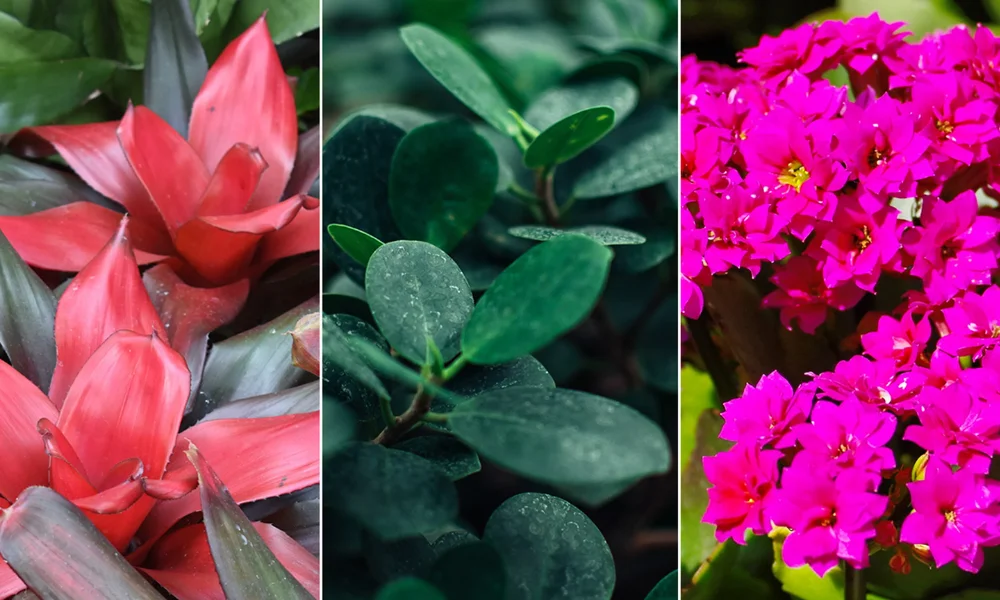
1. Amaryllis (Hippeastrum)
Big, dramatic, and beginner-friendly. You plant the bulb in fall, water sparingly, and watch a thick stalk shoot up. Blooms appear in 6 to 8 weeks. Give it bright light and turn the pot daily so the stalk grows straight. Note: toxic to cats and dogs.
2. Christmas Cactus (Schlumbergera)
This one is my sentimental favorite. My grandmother’s plant is still blooming after 40 years. It likes bright, indirect light and cool nights. Let the top inch of soil dry between waterings. Good news for pet homes: it is non-toxic.
3. Phalaenopsis Orchid
The moth orchid blooms for months, often all winter long. It wants bright indirect light, weekly watering, and that cool night dip to set new spikes. Orchids look fussy but forgive a lot. They are also pet-safe.
4. Poinsettia (Euphorbia pulcherrima)
The holiday classic. The red petals are actually colored leaves called bracts. Keep it warm, away from cold drafts, and in bright light. Its reputation as deadly is overblown, but the sap can still upset a pet’s stomach.
5. Cyclamen (Cyclamen persicum)
Heart-shaped leaves and swept-back flowers in pink, red, and white. Cyclamen loves cool rooms and hates soggy soil. Water from the bottom to keep the crown dry. Warning: the tubers are toxic to pets.
6. Kalanchoe (Kalanchoe blossfeldiana)
A succulent that bursts into tiny clustered flowers. It needs very little water and loves a sunny sill. Easy and cheerful. Keep it away from pets, since it is toxic to cats and dogs.
7. Paperwhites (Narcissus)
Force these bulbs in pebbles and water for blooms in just 3 to 5 weeks. The scent is strong, so place them where you can enjoy it. They are toxic to pets and people if eaten.
8. African Violet (Saintpaulia)
A compact bloomer that flowers on and off all year, including winter. Give it bright indirect light and water from below with room-temperature water. Cold water spots the leaves. Pet-safe and forgiving.
9. Clivia (Clivia miniata)
Orange or yellow flower clusters on strappy leaves. Clivia needs a cool, dry rest in fall to bloom in late winter. It is slow but stunning once established. Toxic to pets in large amounts.
10. Cyclamen’s cousin: Florist Azalea (Rhododendron)
Mounds of frilly blooms in deep color. It wants cool rooms and steady moisture. Treat it as a seasonal guest, since it rarely lives long indoors. Highly toxic to pets, so keep it out of reach.
11. Rieger Begonia (Begonia x hiemalis)
Rose-like blooms in warm tones. It likes bright indirect light and even moisture. Pinch spent flowers to keep new ones coming. Toxic to cats and dogs, especially the roots.
12. Hyacinth (forced bulbs)
Plant bulbs in fall or buy them pre-chilled, then watch fragrant spikes rise indoors. Keep them cool and bright. The scent fills a whole room. Bulbs are toxic to pets.
Winter Bloomer Care at a Glance
| Plant | Light Need | Watering | Bloom Length | Pet-Safe? |
|---|---|---|---|---|
| Amaryllis | Bright | Light, then steady | 2 to 3 weeks | No |
| Christmas Cactus | Bright indirect | When top inch dry | 4 to 8 weeks | Yes |
| Phalaenopsis Orchid | Bright indirect | Weekly | 2 to 4 months | Yes |
| Poinsettia | Bright | When soil dry | 6 to 8 weeks | Mildly toxic |
| Cyclamen | Bright, cool | Bottom water | 6 to 12 weeks | No |
| Kalanchoe | Full sun | Sparingly | 6 to 8 weeks | No |
| African Violet | Bright indirect | Bottom water | Year-round | Yes |
| Paperwhites | Bright | Keep roots wet | 1 to 2 weeks | No |
The Peeacelily 3-T Winter Bloom Framework
After years of trial and error, I built a simple system to trigger flowers on purpose. I call it the 3-T Framework: Temperature, Timing, and Thirst.
This works for most winter flowering plants, and it took the guesswork out of my fall routine.
T1: Temperature. Many winter bloomers need a cool stretch to set buds. Drop night temps into the 55 to 65°F range for a few weeks in fall. A cool bedroom or an unheated porch works well. The day-to-night swing matters more than the exact number.
T2: Timing (light). Short-day plants like Christmas cactus and poinsettia need 12 to 14 hours of complete darkness each night for about 6 weeks. A closet or a covered box does the job. Skip even one night and you reset the clock.
T3: Thirst. Most bloomers want less water during their fall rest. Let the soil dry more than usual. This mild stress signals the plant to flower instead of growing leaves. Once buds form, return to normal watering.
Run all three T’s together for about six weeks, and your plants get a clear message: winter is coming, time to bloom. I keep a sticky note on my fridge with the start date so I do not forget.
Step-by-Step: Forcing Amaryllis for Holiday Blooms
Amaryllis is the best starter project for new plant parents. Here is my exact routine.
- Pick a firm, heavy bulb in October or November. Heavier means more stored energy.
- Plant it in a pot just one inch wider than the bulb. Snug pots bloom better.
- Leave the top third of the bulb above the soil line.
- Water once, then wait. Do not water again until you see green growth.
- Place it in a warm, bright spot. A south window is ideal.
- Once the stalk appears, water lightly and turn the pot daily.
- Expect blooms in 6 to 8 weeks. Move it out of direct sun to make flowers last longer.
The first time I tried this, I overwatered and the bulb rotted. The second bulb, kept nearly dry until growth started, gave me four huge blooms. Patience really is the trick.
Matching Plants to Your Space
Low-light apartments: Phalaenopsis orchids and African violets handle modest light better than most bloomers. Keep them near your brightest window.
Cool bedrooms: Cyclamen and azalea love rooms that stay around 60°F. They sulk in hot, dry air.
Sunny kitchens: Kalanchoe and amaryllis soak up direct sun and reward you with bold color.
Homes with pets. Stick to Christmas cactus, phalaenopsis orchids, and African violets. All three are non-toxic and bloom beautifully.
Beginner plant parents: Start with amaryllis or paperwhites. Both bloom fast, which builds confidence.
Kids’ plant projects: Forcing paperwhites in a clear jar lets children watch roots grow. It is a great rainy-day activity and ties into a fun DIY.
Benefits of Growing Winter Flowering Plants
The biggest benefit is mood. Studies on indoor plants link greenery and flowers to lower stress and better focus. After a dark December, a single blooming cyclamen on my desk genuinely lifts my day.
Winter flowering plants also keep your growing habit alive in the off-season. They give you something to tend when outdoor beds are frozen.
They make thoughtful, low-cost gifts too. A potted amaryllis or orchid outlasts cut flowers by months. I gift Christmas cactus cuttings every year, and friends still have them.
Limitations and What to Watch For
Not every winter bloomer is easy. Some need precise conditions, and a few are short-lived indoors.
Florist azaleas and cyclamen often fade after one season unless you nail the cool temps. I treat them as seasonal joy, not lifelong plants.
Forced bulbs like paperwhites rarely rebloom indoors. After they finish, most people compost them. That is normal, not failure.
Heated homes can be a problem. Dry, hot air shortens bloom time and invites spider mites. A pebble tray or a small humidifier helps a lot.
Common Mistakes With Winter Flowering Plants
Overwatering: This kills more winter bloomers than anything else. Cool, low-light conditions mean plants drink slowly. Always check the soil before you water.
Skipping the dark or cool period: Christmas cactus and poinsettia will not bloom without it. I once kept a poinsettia under a lamp all night and got zero color.
Hot, dry placement: Heat vents and radiators dry out blooms fast. Move plants away from direct heat sources.
Cold drafts: A poinsettia by a frequently opened door drops its leaves quickly. Steady warmth keeps it happy.
Ignoring pet safety: Many holiday favorites are toxic. Always place risky plants out of reach or skip them in pet homes.
Best Practices for Long-Lasting Blooms
Group humidity-lovers together to raise moisture naturally. Plants release water vapor, so a little cluster creates a friendlier microclimate.
Deadhead spent flowers on begonias, violets, and orchids. Removing old blooms pushes the plant to make new ones.
Feed lightly during active bloom. A diluted bloom-boosting fertilizer every 2 to 4 weeks supports color without burning roots. I cut feeding once flowers fade.
Rotate pots a quarter turn each week so growth stays even. Plants lean toward light, and a turn keeps them balanced.
Clean the leaves of glossy plants like orchids and clivia. Dust blocks light, and more light means stronger blooms.
Expert Tips From the Windowsill
Royal Horticultural Society guidance and university extension services agree on one core point: light and temperature drive winter bloom more than fertilizer. I have found this true every season.
For phalaenopsis orchids, the cool night trick is gold. I move mine near a chilly window in October, and new flower spikes appear by December like clockwork.
For Christmas cactus, do not panic if buds drop. Bud drop usually means the plant got moved or over- or under-watered during budding. Pick a spot and leave it there.
For amaryllis, save the bulb after blooming. Keep feeding the leaves through spring and summer, give it a dry rest in fall, and it will bloom again next winter. Mine has rebloomed three years running.
Seasonal Considerations Through the Year
Winter bloom starts in fall. October and November are your setup months. This is when you plant bulbs, start cool rest periods, and begin dark treatments.
December and January bring peak color. Keep watering light and humidity steady. Watch for pests, since indoor air gets dry.
By late winter, clivia and forced hyacinths often take their turn. Stagger your plants so something is always blooming.
Come spring, shift focus to recovery. Feed bulbs, repot crowded orchids, and let plants rest before the next cycle. Good summer care sets up next winter’s show.
Conclusion
Growing winter flowering plants turned my darkest season into my favorite one. There is real joy in watching an amaryllis stretch toward the light while frost coats the window.
Start small. Pick one easy bloomer like a Christmas cactus or a forced paperwhite, and learn its rhythm. Use the 3-T Framework to trigger flowers on purpose, and watch the soil so you never overwater.
Check pet safety before you buy, lean on bright indirect light, and give your plants a cool fall rest. Do that, and your home will glow with color all winter long. Your turn. Choose one plant from this list, set your fall start date, and give it a try. The blooms are worth the wait.
Frequently Asked Questions
What is the easiest winter flowering plant for beginners?
Amaryllis is the easiest winter flowering plant to start with. You plant the bulb, water it once, and give it bright light. Blooms appear in 6 to 8 weeks with little fuss. Christmas cactus is another forgiving choice, and it is safe around pets, which makes it ideal for first-time growers.
Which winter flowering plants are safe for cats and dogs?
Christmas cactus, phalaenopsis orchids, and African violets are all non-toxic and safe around pets. Avoid amaryllis, cyclamen, kalanchoe, azalea, and paperwhites, since these are toxic if chewed. Always check the ASPCA toxic plant list before buying, and place any risky plants well out of your pet’s reach.
Why are my winter flowering plants not blooming?
Most winter flowering plants fail to bloom because they miss a needed trigger. Short-day plants like Christmas cactus need long, dark nights for several weeks. Others need a cool fall rest with less water. Too much warmth, light at night, or overwatering can all stop buds from forming. Adjust these factors and blooms usually follow.
How often should I water winter flowering plants?
Water most winter flowering plants only when the top inch of soil feels dry, which is often less than weekly in cool, low-light homes. Bulbs like amaryllis need almost no water until growth starts. Always empty drainage trays, since soggy roots cause rot. When in doubt, wait an extra day before watering.
Can I make my winter flowering plants bloom again next year?
Yes, many winter flowering plants rebloom with the right care. Save amaryllis and clivia bulbs by feeding the leaves through summer, then giving a dry, cool rest in fall. Phalaenopsis orchids rebloom after a cool night period. Forced paperwhites rarely rebloom indoors, so most growers compost them after flowering.