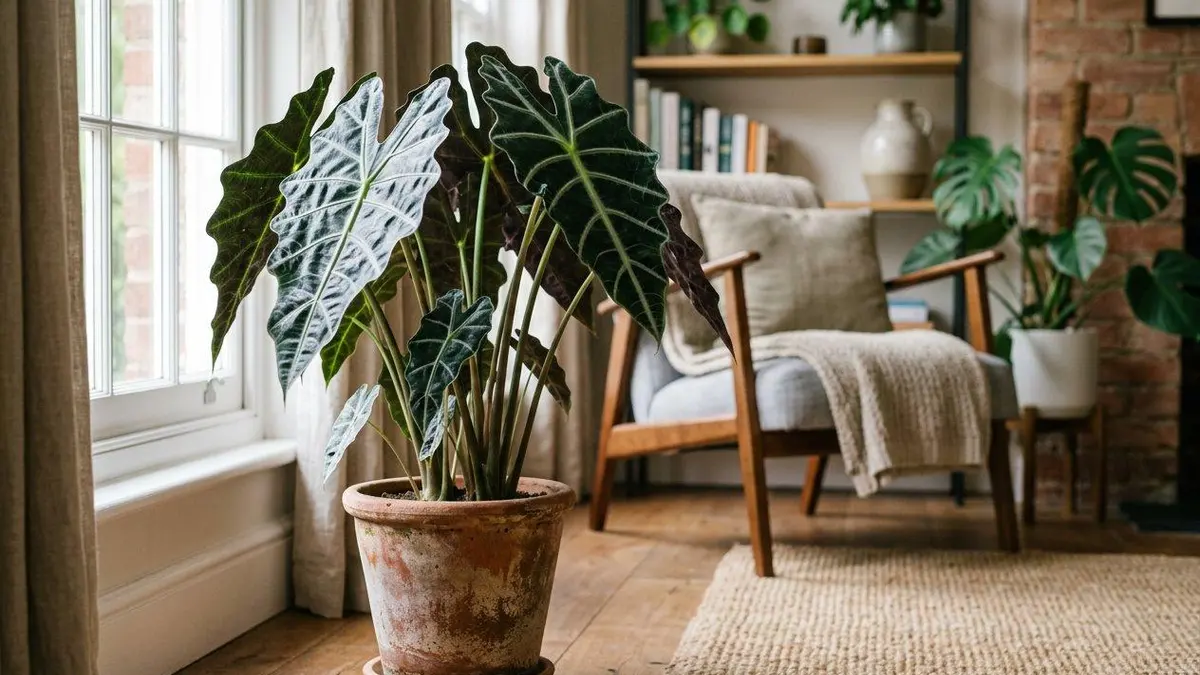
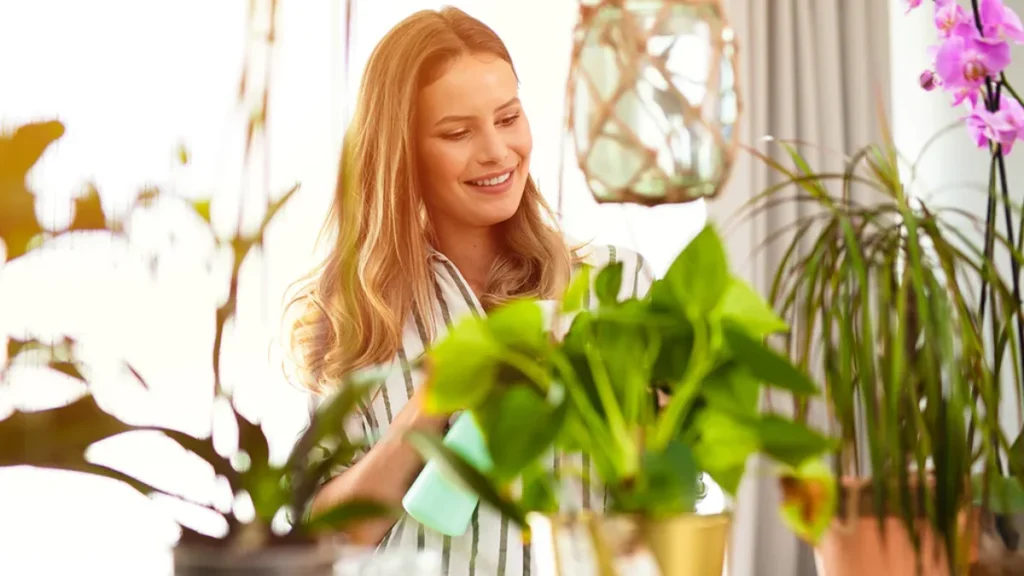
Green space wellness is the simple idea that being near plants and natural light helps your mind settle and your body relax. I did not believe it at first. My desk faced a blank wall, and most days felt gray and tight in my chest.
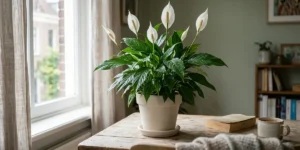
Then I put a peace lily next to my monitor. Within a week I caught myself breathing slower while I checked its leaves each morning. That tiny ritual changed my whole day.
This guide shares what I learned bringing nature indoors on a small budget. You will get a real plant list, a placement plan, and honest tips so your green corner thrives instead of dying by week two.
What Green Space Wellness Really Means
It is the practice of using plants, greenery, and natural views to support mental and physical health.
The idea grew from a human trait called biophilia, our built-in pull toward living things. Researchers have studied this for decades. A famous 1984 study by Roger Ulrich found that hospital patients with a window view of trees recovered faster than those facing a brick wall.
Attention Restoration Theory, developed by Rachel and Stephen Kaplan, adds more. It suggests nature gives your tired focus a gentle place to rest. Your brain stops grinding and starts to recover.
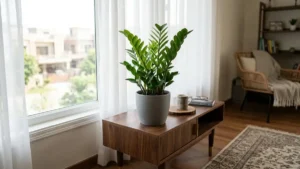
You do not need a forest for this. Indoor green space wellness brings a smaller dose of the same calm into your home. A single healthy plant on a sunny sill counts.
Plant Therapy Benefits You Can Actually Feel
Yes, research links indoor greenery with lower stress, better focus, and a calmer mood, though plants support wellbeing rather than replace medical care.
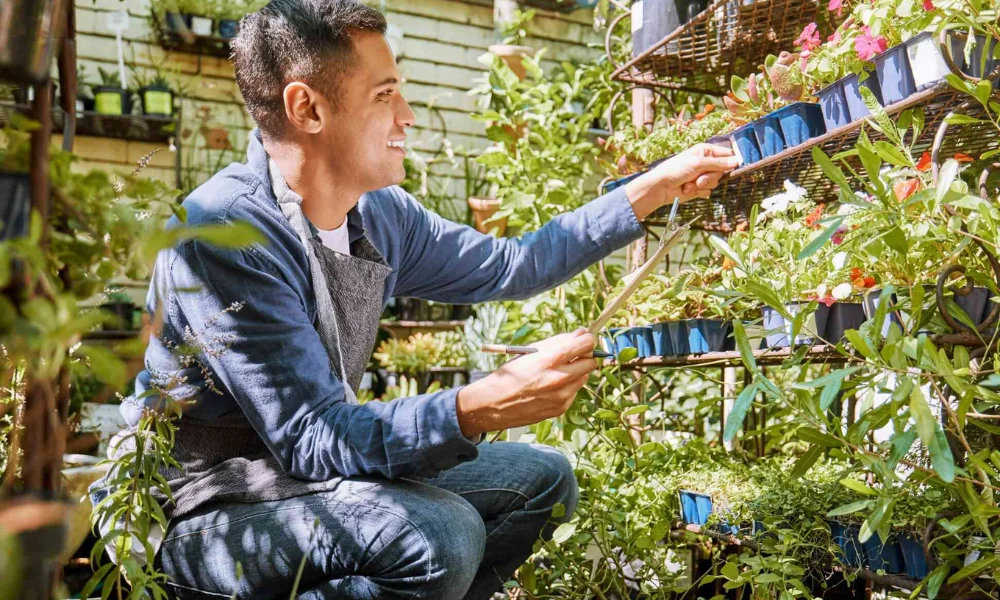
Here are the plant therapy benefits I noticed and that studies back up:
- Lower stress. Caring for a plant gives your hands a slow, simple task. That breaks the loop of racing thoughts.
- Better focus. Greenery in a workspace is tied to improved attention and a small bump in productivity.
- Mood lift. Watching new growth gives a real sense of progress and reward.
- Cleaner-feeling air and humidity. Plants release moisture, which softens dry indoor air. Their air-cleaning power is modest in real rooms, so do not buy plants only for that reason.
A quick honesty note. The well-known NASA clean air study was done in sealed chambers. In a normal home you would need many plants to match those results. The calming, mood-side benefits are the real prize here.
The Peeacelily 3-3-3 Green Space Wellness Framework
I built this simple model after killing more plants than I want to admit. It keeps green space wellness doable for busy beginners.
3 Plants. 3 Spots.3 Minutes a day.
- 3 Plants to start. Begin with three forgiving species. More than that overwhelms most beginners and turns a calm hobby into a chore.
- 3 Spots that match light. Place one plant where you rest, one where you work, and one where you walk past often. Match each spot to the plant’s light need.
- 3 Minutes a day. Spend a short, slow check on your plants each morning. Touch the soil. Look for new leaves. This tiny ritual is where the wellness actually lives.
This framework works because it ties plant care to feeling, not just survival. The daily three minutes become a small anchor in a noisy day.
Best Plants for an Indoor Green Space
You want plants that forgive mistakes and still look lovely. These are my tested picks for green space wellness at home.
| Plant | Light Need | Watering | Pet Safe? | Best For |
|---|---|---|---|---|
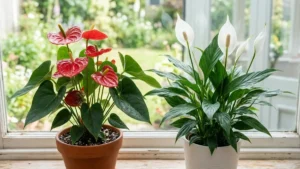
| Peace Lily (Spathiphyllum) | Low to medium, indirect | When leaves droop slightly | No, toxic to cats and dogs | Desks, calming corners |
| Snake Plant (Dracaena trifasciata) | Low to bright, indirect | Every 2 to 3 weeks | No, mildly toxic | Bedrooms, low-light rooms |
| Pothos (Epipremnum aureum) | Low to bright, indirect | When top inch is dry | No, toxic | Shelves, hanging displays |
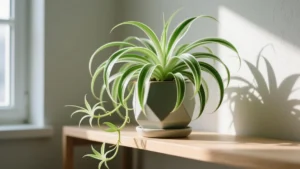
| Spider Plant (Chlorophytum comosum) | Bright, indirect | When top inch is dry | Yes, pet safe | Homes with pets |
| Parlor Palm (Chamaedorea elegans) | Low to medium | When top inch is dry | Yes, pet safe | Soft, leafy floor corners |
Pet safety note: Peace lily, snake plant, and pothos can cause mouth irritation or stomach upset in cats and dogs. If you have curious pets, lean on the spider plant and parlor palm, which the ASPCA lists as non-toxic. Always place riskier plants out of reach.
How to Match Plants to Your Real Light: The 4-Light Placement Model
Most plant deaths trace back to bad light, not bad luck. Use this quick model to read your space before you buy.
- Bright direct: A south-facing window with sun pouring in. Great for cacti and succulents.
- Bright indirect: Near a sunny window but out of harsh rays. Pothos and spider plants thrive here.
- Medium indirect: A few feet from a window, or an east-facing room. Peace lily and parlor palm do well.
- Low light: A dim corner or north-facing room. Snake plant tolerates this best.
Stand in your chosen spot at noon. Can you read a book without a lamp? That is medium to bright. If you reach for the switch, treat it as low light and pick accordingly.
If your room is truly dark, a small LED grow light fixes the problem fast. A clip-on full-spectrum light runs cheap and saves plants that would otherwise stretch and fade. Peeacelily uses affiliate links, and I only suggest gear I would actually clip onto my own shelf.
Step-by-Step: Build Your First Green Wellness Corner
Question: How do I create a calming plant corner?
Direct Answer: Pick one spot, read its light, choose two or three matching plants, add simple pots with drainage, and build a short daily care habit.
- Choose your spot: Pick a place you see often, like beside your bed or desk. The calm only helps if you are near it.
- Read the light: Use the 4-Light Model above. Be honest about what you have.
- Pick two or three plants: Match them to that light. Do not overbuy.
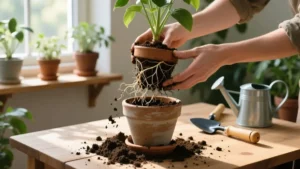
- Use pots with drainage holes: Soggy roots kill more houseplants than anything else. A pot that drains is non-negotiable.
- Add a well-draining mix: A standard indoor potting mix with some perlite works for most of these plants.
- Set a simple routine: Check soil with your finger before watering. When in doubt, wait a day.
- Add one cozy touch: A small stool, a soft lamp, or a candle turns a plant group into a true rest spot.
Use Cases: Green Space Wellness by Room
Bedroom: A snake plant on the nightstand suits low light and asks for little. Calm starts the moment you wake.
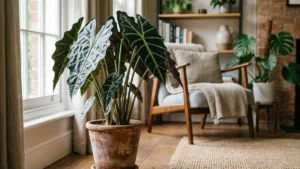
Home office: A peace lily beside the screen breaks up screen glare with soft green. The droopy-leaf signal makes watering easy to time.
Living room: A parlor palm in a floor basket softens a hard corner and feels like a small indoor tree.
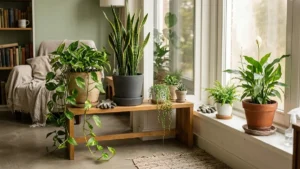
Small apartment: Go vertical. A pothos trailing from a high shelf adds green without using floor space. This pairs well with hanging and vertical displays.
Kitchen: A spider plant near a bright window handles humidity swings and stays pet safe near snacking pets.
Mindful Gardening: The Real Source of Calm
The plants matter. The act of caring for them matters more. Mindful gardening means slowing down and giving the task your full, gentle attention.
I treat my morning check like a tiny meditation and touch the soil. I rotate the pot toward the light and I wipe one dusty leaf. For three minutes, my mind is only here.
This is why green space wellness sticks where other habits fail. It rewards you with growth you can see. A new pothos leaf unfurling feels like a small, honest win.
You do not need to be good at it. You only need to show up and notice. That is the whole practice.
Benefits and Limitations
Benefits:
- Low cost compared with many wellness tools.
- A calming daily ritual built into ordinary life.
- A warmer, softer home that guests feel right away.
- A gentle reason to slow down and breathe.
Limitations / What to Watch For:
- Plants support wellbeing. They do not treat depression or anxiety on their own.
- Toxic species need careful placement around pets and small kids.
- Dark rooms limit your options without a grow light.
- Overdoing it turns calm into a chore, which defeats the point.
Common Mistakes Beginners Make
I made every one of these so you do not have to.
- Overwatering: This is the top killer. Most beginner plants want to dry out a bit between drinks.
- Wrong light: Putting a low-light plant in blazing sun, or a sun lover in a dark corner.
- No drainage: A pretty pot with no holes drowns roots quietly.
- Buying too many at once: Five new plants on day one becomes five problems by week two.
- Ignoring the ritual: People buy plants for calm, then never slow down to enjoy them.
Best Practices and Expert Tips
- Bottom water peace lilies. Set the pot in a tray of water for 20 minutes so roots drink evenly.
- Rotate pots weekly. Plants lean toward light. A quarter turn keeps them even.
- Wipe leaves monthly. Dust blocks light. A damp cloth helps your plant breathe.
- Group plants together. They raise local humidity for each other and look intentional.
- Quarantine new plants. Keep a newcomer separate for a week to spot hidden pests.
Horticulture authorities like the RHS and university extension services agree on the basics here: right light, careful watering, and good drainage cover most of plant success.
Seasonal Considerations
Spring and summer: Plants grow fast. Water a touch more often and feed lightly every few weeks with a balanced houseplant fertilizer.
Fall and winter: Growth slows. Cut watering back and stop most feeding. Shorter days mean less light, so a grow light earns its keep. Move plants away from cold drafts and hot radiators, which both stress leaves.
Your green space wellness routine shifts with the seasons. Watching that rhythm is part of the calm.
Trends and Future Outlook (2026 to 2028)
Green space wellness keeps growing as homes double as offices. I expect a few clear shifts.
- Smaller, vertical setups will rise as city apartments shrink. Expect more wall planters and shelf gardens.
- Smart grow lights and self-watering pots will get cheaper and quieter, making plant success easier for true beginners. Pet-safe plant lists will get more attention as more households add both plants and pets.
The biggest trend is mindset. People want fewer, better-loved plants over a crowded jungle. Slow, mindful care fits how tired we all feel, and it is here to stay.
Conclusion
Green space wellness is not about a perfect plant wall. It is about a small, living corner that pulls you back to the present. Start with three forgiving plants, match them to your real light, and give them three slow minutes a day. That simple loop did more for my stress than any app on my phone.
Pick your spot this week. Bring one plant home. Let it teach you to slow down. Your calmer home is closer than you think.
Frequently Asked Questions
Does green space wellness really work, or is it hype?
It works, and research supports it. Studies link indoor greenery with lower stress, better focus, and improved mood. The effect is real but gentle. Plants support your wellbeing alongside sleep, movement, and connection. They are a helpful piece, not a cure on their own.
What is the best plant for stress and anxiety?
The peace lily is a top pick. It tolerates low light, signals thirst by drooping, and its broad green leaves feel soothing. Snake plants and pothos work well too. For homes with pets, the spider plant is calming and pet safe, which removes a layer of worry.
How many plants do I need to feel a benefit?
You do not need many. Even one or two healthy plants in a spot you see daily can shift how a room feels. Most beginners do best starting with three. The calm comes more from your daily care ritual than from sheer plant count.
Are calming houseplants safe for cats and dogs?
Not all of them. Peace lily, pothos, and snake plant can irritate pets if chewed. The spider plant and parlor palm are non-toxic per the ASPCA. If you have curious pets, choose the safe options or place riskier plants well out of reach on high shelves.
Can plants improve my home in a dark apartment?
Yes, with the right picks. Snake plants and pothos tolerate low light better than most. If a room is very dim, a small full-spectrum LED grow light solves the problem cheaply. Match each plant to your true light level and your green space wellness corner will thrive.