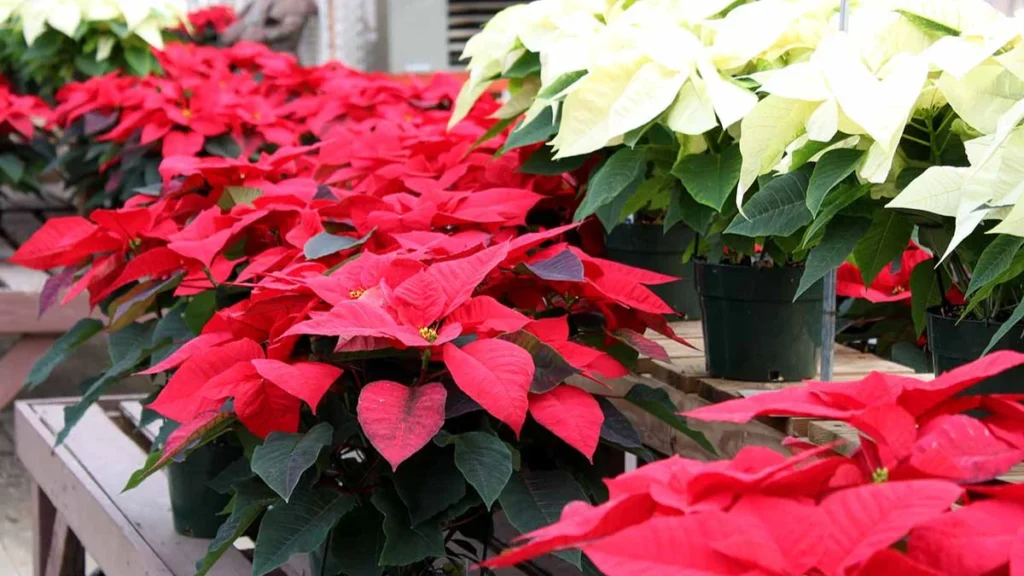
Holiday plant care starts the second a festive plant lands on your kitchen table, not in January when the decorations come down. Here at Peeacelily, we see the same little tragedy every winter. A friend brings home a glowing poinsettia, fusses over it for two weeks, then drops it in the bin the moment a few leaves let go.
My own first poinsettia did the dramatic thing. It shed half its leaves three days after I hauled it across a frozen parking lot, and I was sure I had killed it. I had not. It was simply cold-shocked, and shifting it one spot away from the icy window brought it right back. That one small rescue is the whole reason this guide exists.
Holiday Plant Care in 60 Seconds
Nearly every festive plant asks for the same three things. Bright, indirect light. A room that sits between 60 and 70°F. Water only when the top inch of soil feels dry to your finger. Keep them away from cold glass and hot air vents too, because both will stress a plant faster than almost anything else. Get those basics down and your holiday plant care is already ahead of most homes on the street.
Key takeaways:
- Bright, indirect light suits almost every holiday plant.
- Water by touch, never by the calendar.
- Cold drafts and heat vents cause most of the early leaf drop people panic over.
- Do not throw plants out once the blooms fade, because plenty of them will flower again.
Holiday Plant Care at a Glance
Each festive plant has its own little personality, so here is the fast reference before we get into the weeds. Skim it now, then circle back whenever a new plant shows up at your door.
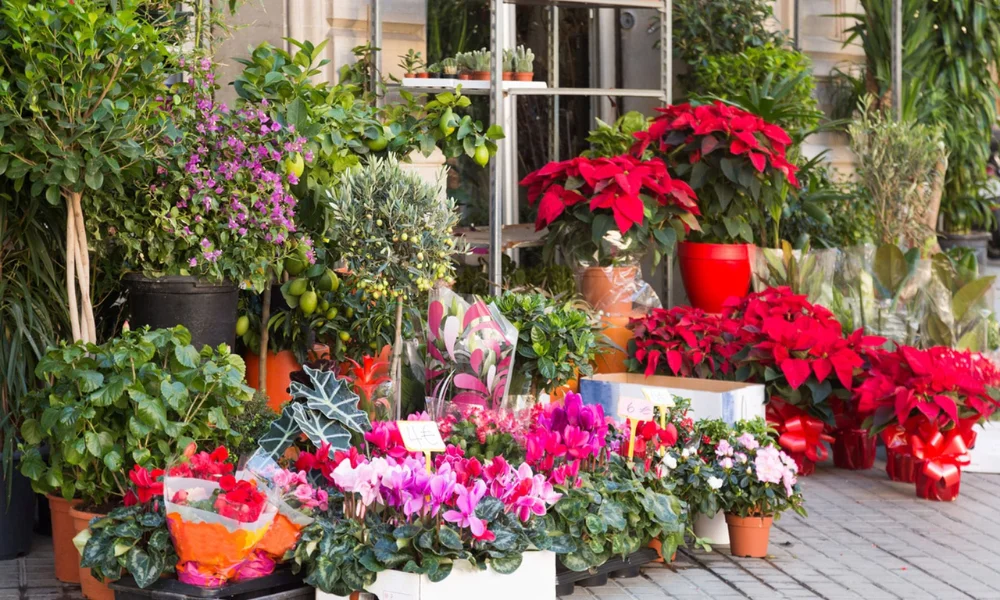
| Plant | Light | Water | Ideal Temp | Pet-Safe? | Rebloom Difficulty |
|---|---|---|---|---|---|
| Poinsettia | Bright indirect | Top inch dry | 60 to 70°F | Mildly irritating | Hard |
| Christmas cactus | Bright indirect | When soil is dry | 60 to 70°F | Safe | Easy |
| Amaryllis | Bright light | When dry | 65 to 70°F | Toxic (bulb) | Moderate |
| Cyclamen | Bright indirect | Keep evenly moist | 60 to 65°F | Toxic | Moderate |
| Paperwhite | Bright | Shallow water | 60 to 65°F | Toxic | One-and-done |
The First 48 Hours of Holiday Plant Care
The first two days quietly decide everything, and this is the stretch almost no guide bothers to mention. Your plant just rode home in a freezing car, and tropical plants truly hate that ride. So the leaf or bud drop you notice a few days later is usually plain shock, not anything you did wrong.
Run through these steps the minute you walk in the door:
- Peel off the decorative foil, or poke a few holes in it, because trapped water will rot the roots inside of days.
- Park the plant somewhere bright but out of harsh direct sun, and keep it off the cold pane of glass.
- Pull it back from radiators, fireplaces, and forced-air vents, since dry heat scorches leaves without making a sound.
- Hold off on watering. Check the soil first, and only reach for the watering can if that top inch feels dry.
Do this part well and the rest of your holiday plant care turns into the easy stuff. If reading soil moisture by feel still trips you up, our watering techniques guide walks you through it.
Holiday Plant Care by Plant Type
The basics carry you a long way, and each plant just asks for a couple of specific moves on top.
Poinsettia Holiday Plant Care
That famous ruby-red flower is not actually a flower. The bright parts are bracts, which are colored leaves, and the true blooms are those tiny yellow nubs in the middle. Poinsettias hail from Mexico, so they want warmth and bright, indirect light.
Hold them at 60 to 70°F, and let the top inch of soil dry out before you water again. Leave the fertilizer in the cupboard while the plant is blooming. The milky sap can irritate skin and lips, yet the plant is nowhere near the deadly poison old folklore made it out to be.
Christmas Cactus Holiday Plant Care
This one fools people. It is a rainforest succulent from Brazil, not a desert dweller, so it actually likes humidity and a little more moisture than you would think. Water it once the soil dries, and stand the pot on a pebble tray if your house runs dry in winter.
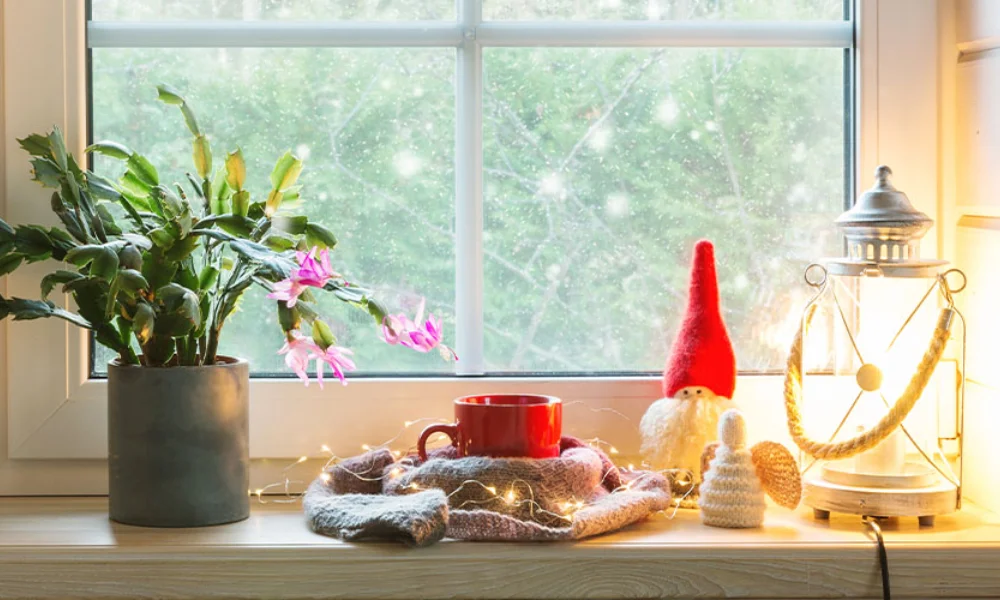
Now the detail nobody points out: a lot of plants sold as Christmas cactus are really Thanksgiving cactus. Look closely at the stem segments. Thanksgiving cactus carries two to four sharp, claw-like points, and the genuine Christmas cactus has softer, rounded edges. Treat it kindly and it can keep blooming for 20 or even 30 years.
Amaryllis Holiday Plant Care
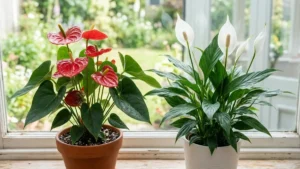
Amaryllis grows from a chunky bulb, and how deep you plant it really matters. Bury only the bottom two-thirds and leave the neck and shoulders poking out in the open air. Give it bright light, then spin the pot a quarter-turn every few days so that tall flower stalk grows straight up instead of leaning toward the window.
Once you begin watering, the blooms usually arrive in four to six weeks. The bulb is toxic to pets, so set it somewhere paws cannot reach.
Cyclamen Holiday Plant Care
Cyclamen runs cool. It is happiest at 60 to 65°F in bright, indirect light. Water it from below, or aim for the soil at the edge of the pot, and keep moisture off the crown, because a soggy crown will rot the whole plant. It flowers for weeks, and then it naturally goes quiet through summer. Do not panic when the leaves yellow and flop, since that dormancy is exactly what it is supposed to do.
Paperwhites and Other Winter Flowering Plants
Paperwhites are the easy crowd-pleaser of the winter flowering plants bunch. You can grow them in nothing but a shallow dish of pebbles and water, with no soil whatsoever, and they pay you back with sweet, fragrant white blooms in a matter of weeks.
They rarely bloom again indoors, so enjoy them as a one-season treat. For more options along the lines of cyclamen, amaryllis, and forced bulbs, wander through our indoor flowering varieties.
Winter Houseplant Care Beyond the Holidays
Solid winter houseplant care is mostly about adjusting to the season, not piling on extra chores. The days shrink, so light gets thin on the ground. Slide your plants closer to the brightest window you own, and turn them once a week so they do not grow lopsided.
Indoor heating also pulls the moisture clean out of the air, and that is the part most plants quietly suffer through in January. So cluster your plants together, run a pebble tray, or mist the ones that love humidity. Then back off the watering, because a plant in slow gear drinks far less.
Most of them drift into a half-sleep over winter, so put the fertilizer away until spring nudges them awake. Keep the leaves off cold glass and a safe distance from heat vents, and you will sidestep the two biggest winter killers in one move. Our seasonal plant care hub lays out the full cold-weather routine.
Holiday Plant Care Troubleshooting
Things still go sideways sometimes, and that is completely normal. This chart lines up the usual problems against their real causes and fixes, so you can act on the spot instead of standing there guessing.
| Problem | Likely Cause | The Fix |
|---|---|---|
| Poinsettia dropping leaves | Cold shock or a draft | Move it off the cold window and hold a steady 65°F |
| Christmas cactus will not bloom | Too much light or warmth at night | Give 14 hours of darkness and cooler nights from October |
| Amaryllis grows leaves but no flower | The bulb is running on empty | Feed it after blooming and allow a full dormant rest |
| Yellowing leaves | Overwatering | Let the soil dry out and check the drainage |
| Sudden bud drop | A jolt in light, heat, or watering | Settle the spot and steady the routine |
Look down that list and almost everything traces back to one culprit: a sudden change. So good holiday plant care really comes down to keeping conditions calm and steady.
Are Holiday Plants Toxic? Pet and Child Safety
The poinsettia scare is mostly a myth that refuses to die. Its sap can spark mild mouth or skin irritation, but it is nothing close to the killer those old warnings claimed. The plants you genuinely need to keep an eye on are usually sitting right beside it on the shop shelf.
| Plant | Risk to Cats and Dogs | Notes |
|---|---|---|
| Poinsettia | Low | Mild irritation, rarely anything serious |
| Amaryllis (bulb) | High | The bulb is the most toxic part |
| Cyclamen | High | The tubers are especially dangerous |
| Holly and mistletoe | High | The berries are the real hazard |
| Christmas cactus | Very low | Safe, with maybe a minor upset tummy |
If you share your home with a nosy cat or a curious toddler, set the riskier plants up high and sweep up any fallen berries right away. For symptom-by-symptom guidance, the ASPCA toxic plant database is the resource vets keep pointing people toward.
After-Holiday Care: How to Rebloom Holiday Plants
This is the part where patient holiday plant care quietly pays you back. A bit of effort now turns a single-season gift into a plant that flowers all over again next year.
- Poinsettia: Cut it back in spring, then starting in early October give it roughly 14 hours of complete darkness every night for 8 to 10 weeks to coax the color back.
- Christmas cactus: Pinch the tips in June, and then in autumn hand it long, cool nights so it sets buds.
- Amaryllis: After the flowers fade, snip the stalk but keep the leaves, feed it well, and then rest the bulb dry for 8 to 10 weeks before you start the cycle over.
- Cyclamen: Let it sleep right through summer, then repot the tuber in fall and start watering to wake it up.
Map out your timing with our seasonal bloom schedules.
Final Thoughts
Thoughtful holiday plant care turns a quick seasonal gift into a green friend you keep for years, and that is exactly the thing we love most here at Peeacelily. Feel the soil before you water, keep conditions steady, and fight the urge to toss anything just because the blooms have faded.
Do that much, and your poinsettia, amaryllis, and Christmas cactus will all be back to say hello next winter. When you are ready for the rest of the cold-season routine, our seasonal plant care hub is the natural next stop.
Frequently Asked Questions
How often should I water holiday plants in winter?
Water only when the top inch of soil feels dry, which often works out to once every one or two weeks. Plants sip far less in cold, low-light months, so overwatering is the trap most people fall into.
Why is my poinsettia losing its leaves?
Nine times out of ten it is cold shock or a draft. Shift it away from the cold window and any heat vent, hold a steady 65°F, and the dropping usually stops within days.
Are holiday plants safe for cats and dogs?
Poinsettia is only mildly irritating, but amaryllis bulbs, cyclamen, holly, and mistletoe are the genuinely toxic ones. Keep those well out of reach.
Can I get my amaryllis to bloom again?
You can. Hold onto the leaves after it flowers, feed the bulb, then give it 8 to 10 weeks of dry, dark rest before you restart the water and light.
What is the difference between a Christmas cactus and a Thanksgiving cactus?
It is all in the stem segments. Thanksgiving cactus has sharp, claw-like points, and the true Christmas cactus has smoother, rounded edges.
Where should I place holiday plants in my home?
A bright spot with indirect light, a steady room temperature, and no cold glass or hot vents anywhere close. That one placement decision heads off most of the problems before they ever start.