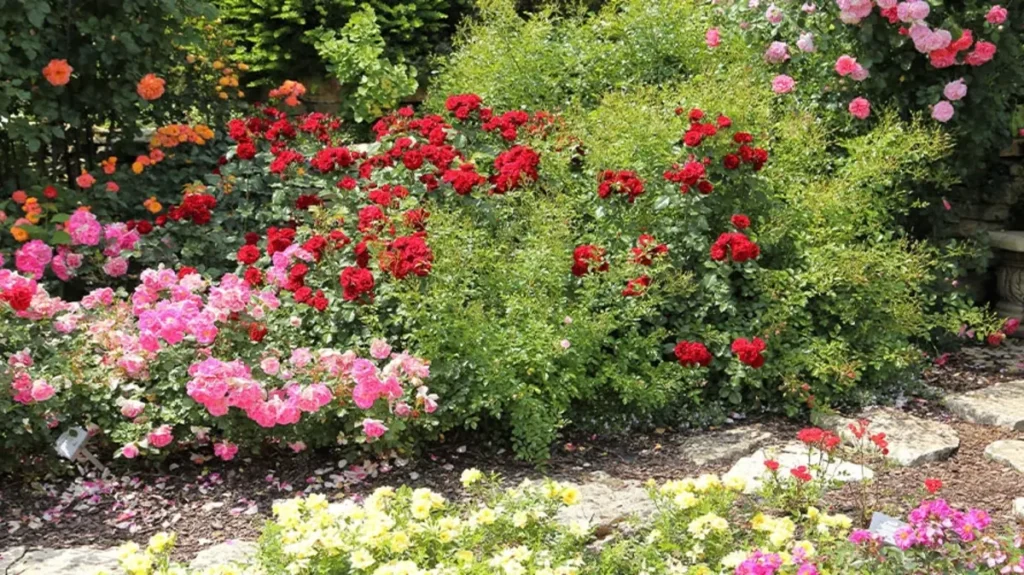
One of life’s true simple pleasures is walking into your backyard where a blend of shifting colors and sweet fragrances overwhelm your senses as spring awakens. These flower garden basics are what you need to turn your outdoor area into a flourishing sanctuary if you have always dreamt of having a yard bursting with flowers but really do not feel like you have the knack for gardening.
First of all, you don’t need a horticulture degree to start growing a flower garden. With some attention to good soil health, the correct plant selection for your climate zone and ensuring that you are watering as you should be, everyone can enjoy a lovely floral feature at home.
Everyone has a garden in themselves that they can grow beautifully at Peeacelily. We love helping you choose the right plants for making your lifestyle beautiful, but we also REALLY want to make sure that as you venture into gardening with us, you are feeling secure and happy about it.
Flower gardening is easy to understand if you follow the basic steps in this beginner’s guide on how to plan, plant, and take care of a beautiful flower garden that gives you waves of continuous blooms season after season.
Understanding Your Garden Space Before You Plant
The number one rookie mistake is going into the nursery and buying plants heir appearance alone. You have to get a sense of your quarter-acre ecosystem, before anyone spends even one dollar.
Some flowers need a lot of sun and moisture to sprout, while others can grow in a much dryer environment with little sunlight. Flowers all have different needs for adequate sunlight, moisture, or even space to spread their roots.
Evaluating Sunlight Patterns
Devote a weekend to observing where the sun moves in your yard. Areas with over six hours of direct sunshine are designated “full sun,” while those receiving three to the same number of evening time sunlight are known as “part shade.”
For example, putting a shade-loving flower such as a fuchsia in a sweltering midday sun spot will heat its tender leaves and kill it, while trying to shove a sun-lover such as a sunflower into the shadows gives weak, spindly growth with no flowers.
Checking Soil Drainage and Quality
Soil is the life support system of your flowers. Soak your soil for a drainage test: Dig a hole approximately one foot deep, fill it with water and see how long it takes to dry. Should it dry out within the hour, you have great loamy soil.
Your soil is heavy clay, it will drown roots when the water stays for hours. Nearly all soil problems can be solved with temple nutrients, minerals and vitamins, via the incorporation of organic compost into your soil, as you are born with natural and organic soil ailments.
Selecting the Right Flowers for Continuous Color
A good garden is a dynamic place, with complementary yet species-manipulative mixes that ensure one variety fades as another bursts forth into full bloom.
If you choose the balances of your plants in a way so that they are never again empty, look over your backyard, thereby saving you time.
Perennials vs. Annuals
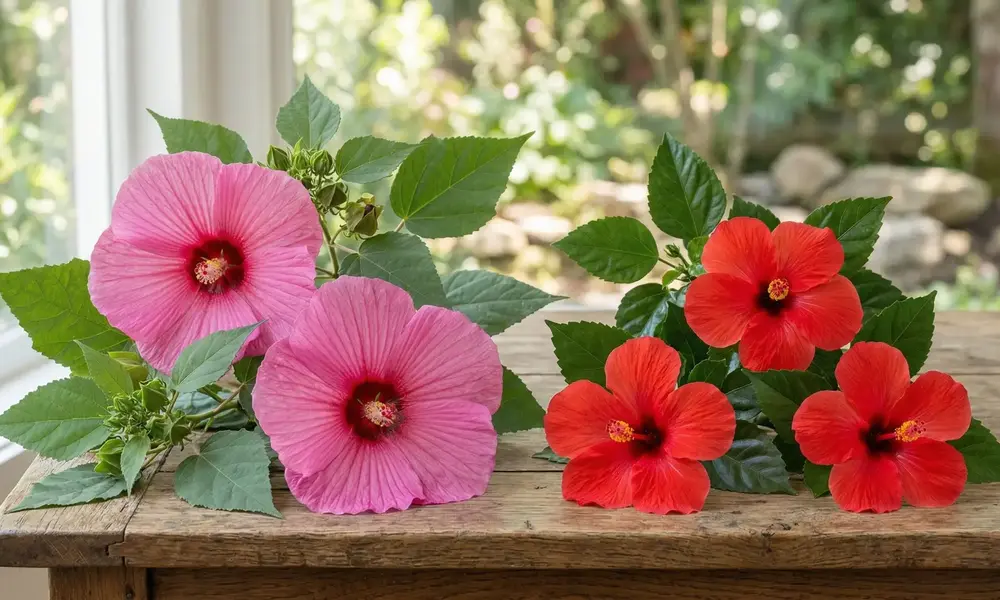
Annuals finish their life cycle within a single year, flowering like crazy from spring until the first winter frost. Perennials, on the other hand, come back each year and tend to spread out into bigger colonies over time.
This combines the instant look of a bright garden with a more permanent structural base that will save you money in the long run.
Navigating the Basics of Rose Plant Care
Roses largely have a reputation of being finicky wits and many novices avoid them. But new cultivars have made caring for rose plants very simple to start with.
Some terrific options include shrub roses and knock-out varieties, beloved for their enviable disease resistance and uncomplicated beauty without elaborate pruning rituals.
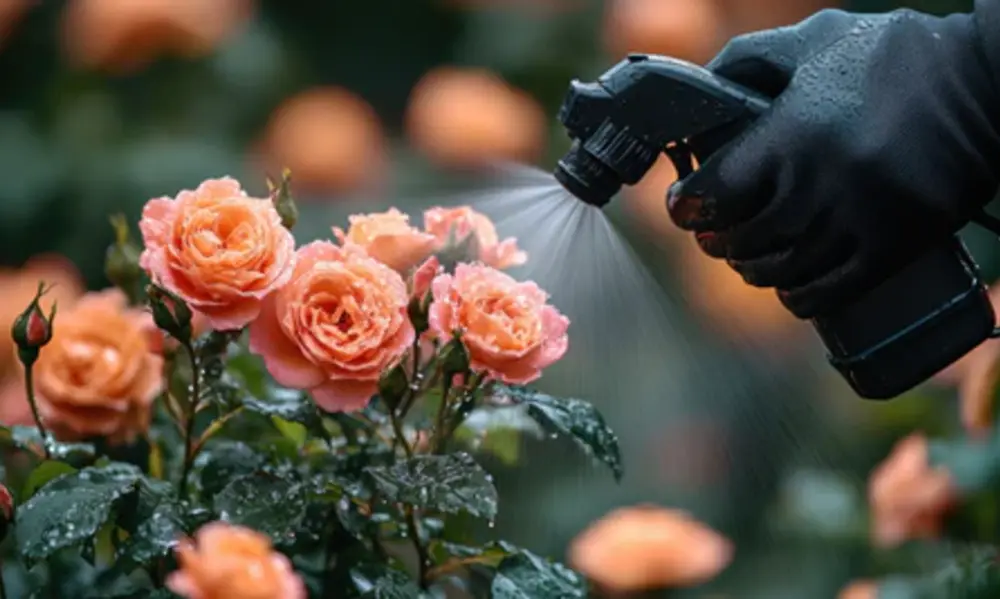
To start your rosary, select a spot that gets at least six hours of morning sunshine. Lastly, water your roses at the base of the plant instead of spraying from above (moisture on foliage is a 100% opportunity for pests and disease).
Quick Reference Guide for Beginner Flowers
To make your first trip to the local garden center completely stress-free, here is a helpful breakdown of easy-to-grow flowers that offer maximum visual impact with minimal effort.
| Flower Name | Plant Type | Sunlight Required | Estimated Bloom Time | Best For |
| Marigolds | Annual | Full Sun | Early Summer to Frost | Repelling Pests |
| Coneflowers (Echinacea) | Perennial | Full Sun to Part Shade | Mid-Summer to Fall | Attracting Pollinators |
| Hostas | Perennial | Full Shade | Mid-Summer | Gorgeous Foliage |
| Zinnias | Annual | Full Sun | Summer to Frost | Cut Flower Arrangements |
| Shrub Roses | Perennial | Full Sun | Late Spring to Autumn | Long-Lasting Fragrance |
Step-by-Step Planting Guide for Beginners
Once you have your plants and your garden bed is cleared of weeds, it is time to get your hands dirty. Proper planting techniques give your flowers the best possible start in their new home.
Digging the Perfect Hole
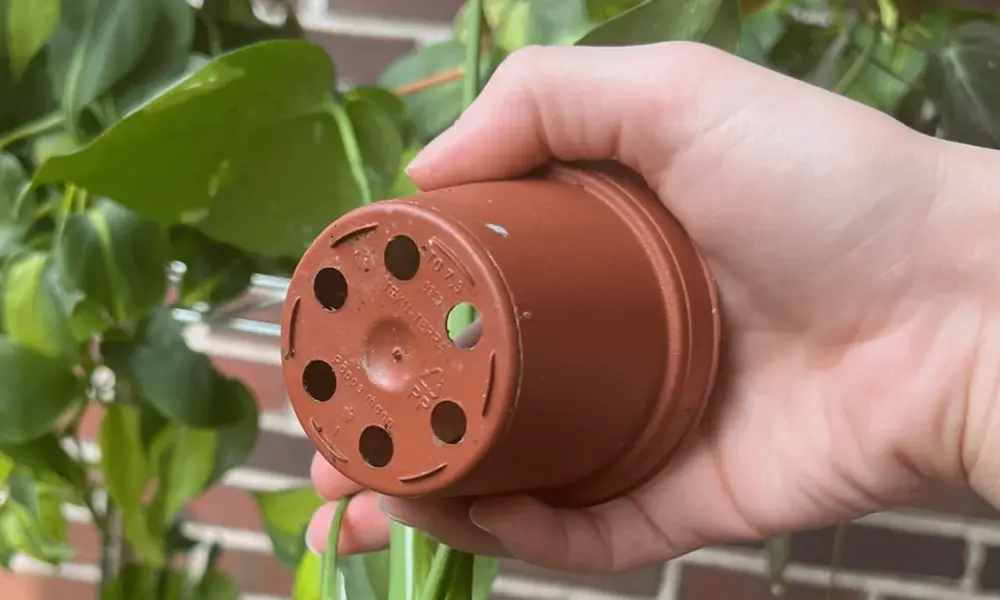
Make sure your planting hole is NEVER deeper than the item the flower came in, but ALWAYS twice as wide! Planting a plant too deeply will suffocate its crown and rot it off at the soil line.
If the roots of the plant are tightly bound in a circle, tease them more gently over and planting place in ground.
Watering In and Mulching
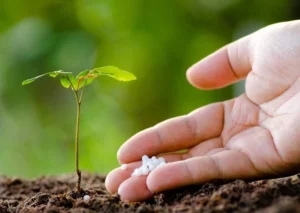
Deep water each flower immediately after planting to knock out air pockets in the dirt around the roots. Cover the entire garden bed with 2 inches of shredded bark mulch.
Mulch is a complete blanket that holds back aggressive weeds, controls soil temperatures and keeps moisture in place so you don’t have to keep watering as often.
Five Golden Rules for Flower Garden Maintenance
Its the small and regular observations that make a difference in the garden. Spending a quarter of an hour a week with your plants can help you nip serious problems in the bud. Remember these tried-and-true flower garden tips as your landscape matures.
Proactive Garden Upkeep
- Water Less, Deeply: One deep-watering twice a week allows for deeper penetration of the roots into soil and greater resilience to summer drought.
- Deadhead Frequently: Snap off faded or wilting flowers, telling the plant to stop spending energy on making seed and sunlight-bursting new buds instead.
- Balanced Fertilizer Application: Use a balanced, slow-release organic fertilizer as done in early spring so that the flowers may get the supplementary nutritional burst needed to kickstart their growth cycle.
- Secure tall varieties: Use bamboo stakes to secure top-heavy flowers such as delphiniums or peonies during the earlier part of the season so that heavy rains or summer winds do not knock them over.
- Inspect for Pests: Once a week, flip over a few leaves to look for aphids or spider mites; if you find them spray them off with a hard blast from your garden hose during seasonal blooms.
Advanced Rose Plant Care for Stellar Blooms
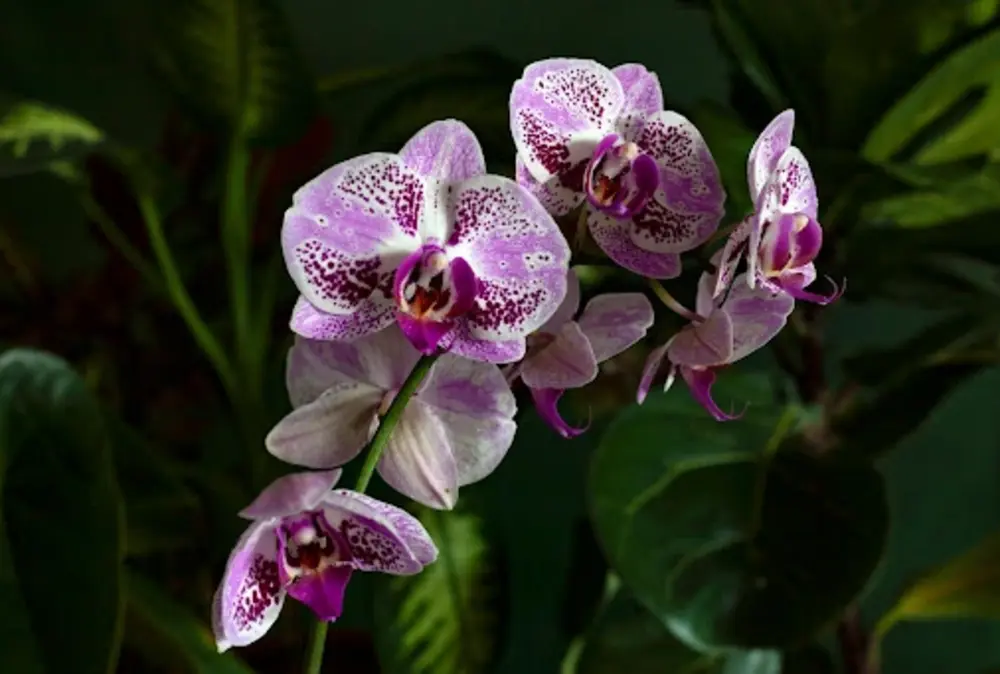
According to Peeacelily, as you build up your confidence, you can fine-tune your approach to specific varieties to unlock their true potential. Mastering the nuances of rose plant care will quickly turn your garden into the envy of the entire neighborhood.
Pruning and Feeding Routines
Prune your rose bushes in early spring just as the leaf buds begin to swell. Remove any dead, damaged, or crossing branches to open up the center of the bush, which maximizes airflow and lets sunlight reach the interior stems in seasonal blooms/
Feed your roses a specialized fertilizer once a month during the active growing season to fuel their heavy blooming habits, stopping all feeding about six weeks before your area’s estimated first frost date to allow the plant to prepare for winter dormancy.
Elevating Your Garden’s Aesthetic Appeal
Designing a garden is a form of living art. As you become more comfortable with these practical flower garden tips, you can start playing with visual themes, heights, and textures to create a cohesive landscape design.
Layering Heights and Balancing Tones
- The Theater Arrangement: Always place your tallest plants, like foxgloves or ornamental grasses, at the back of your garden bed, medium plants in the center, and low-growing border plants like sweet alyssum along the front edge.
- Complementary Color Palettes: Create a soothing, harmonious look by mixing analogous colors like pinks, purples, and blues, or make a bold statement by pairing complementary opposites like vibrant yellow marigolds alongside deep purple salvia.
Conclusion
Starting your first backyard plot is a beautiful journey filled with learning, experimenting, and watching life unfold. By implementing these foundational flower garden tips, you can confidently design an outdoor space that brings you immense pride and seasonal blooms.
Remember that gardening is a process, some plants will thrive immediately, while others might require a little troubleshooting. Take your time, enjoy the fresh air, and watch your hard work bloom into reality.
When you are ready to expand your botanical collection or need high-quality tools to perfect your rose plant care routine, let Peeacelily guide you every step of the way with our premium selections and expert advice!
FAQs
What are the easiest flowers for beginners to grow from seed?
Sunflowers, marigolds, zinnias, and nasturtiums. They germinate quickly and are low-maintenance.
How often should I water a new flower garden?
Water every 1–2 days for two weeks, then reduce to 2–3 times per week once established.
Can roses grow in pots?
Yes, compact rose varieties grow well in containers with deep pots and good drainage.
How long do flower seeds take to germinate?
Most flower seeds sprout within 5–14 days, depending on the type and soil temperature.