A step-by-step guide to creating durable, stylish concrete planters at home using simple materials. It explains mixing, molding, curing, and finishing homemade plant pots, plus drainage, sealing, and plant safety tips. The article also shares design ideas like color mixing, textures, and embedded decorations to customize modern planters for indoor or outdoor greenery.
There is something deeply satisfying about making your own garden decor. If you want to elevate your greenery with a sleek, modern look, a concrete planter DIY project is the perfect weekend activity. Making homemade plant pots is surprisingly simple, cost-effective, and allows you to customize the size and shape to fit your space perfectly. With just a few basic materials from the hardware store and a little patience, you can create durable, minimalist containers that rival high-end boutique storefronts in upcycled planters.
At Peeacelily, we believe that a beautiful home starts with a thriving connection to nature. While we love supplying you with stunning greenery, we also love helping you craft the perfect vessels for them. In this comprehensive guide, you will learn exactly how to mix, mold, and cure your own custom planters from scratch.
Why Choose a Concrete Planter DIY Project?
Plastic pots degrade in the sun, and terracotta cracks easily in freezing weather. Concrete, however, stands the test of time. It provides a heavy, stable base for top-heavy plants and offers excellent insulation for delicate root systems during sudden temperature shifts.
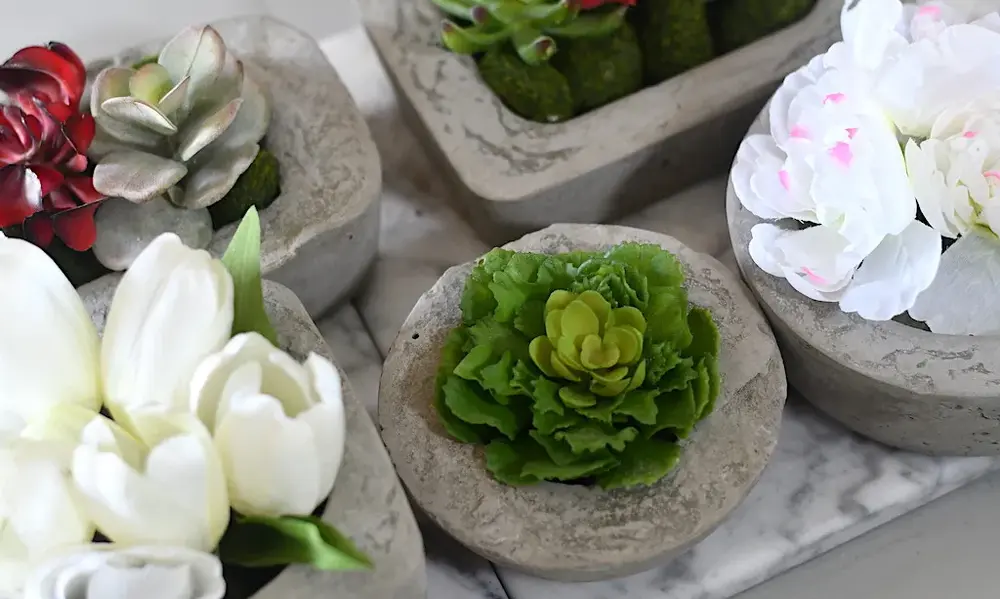
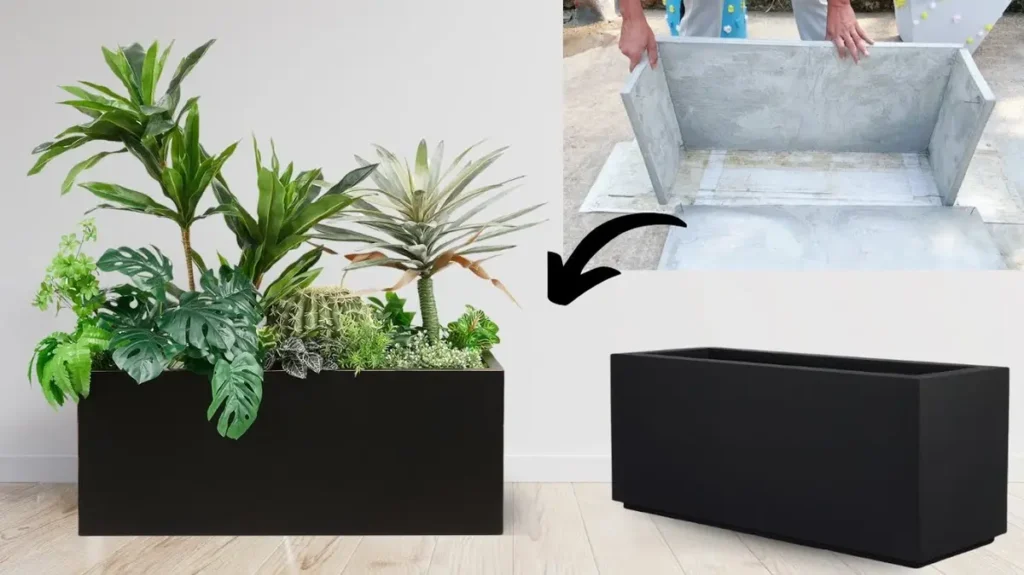
Beyond practicality, embarking on a concrete planter DIY journey unlocks endless design freedom. You aren’t limited to the standard shapes available at your local nursery for upcycled planters. By utilizing everyday household items as molds, you can craft geometric, textured, or ultra-smooth vessels that match your specific interior design aesthetic.
Gathering Your Materials and Tools
Before you get your hands dirty, you need to set up your workstation. Having everything within arm’s reach is crucial because once the concrete is mixed, you work against a ticking clock.
Essential Ingredients and Tools
- Concrete Mix: Quikrete Countertop Mix or a standard sand-and-cement mix works best for a smooth finish.
- Molds: Two plastic containers (one larger outer mold and one smaller inner mold).
- Release Agent: Vegetable oil, cooking spray, or mineral oil.
- Safety Gear: Particle mask, safety glasses, and heavy-duty rubber gloves.
- Mixing Tools: A large bucket and a sturdy trowel or stick.
- Finishing Touches: Fine-grit sandpaper and an concrete sealer.
Step-by-Step Guide to Crafting Homemade Plant Pots
Step 1: Prepare Your Molds
The secret to successful homemade plant pots lies entirely in your mold preparation. Your outer mold dictates the exterior shape of the pot, while the inner mold creates the cavity where your plant and soil will live. Ensure the gap between the two containers is at least three-quarters of an inch thick so the walls don’t crack.
Thoroughly coat the inside of the outer mold and the outside of the inner mold with your release agent. Do not skip this step. A generous layer of cooking spray ensures that your cured concrete slides out effortlessly without sticking or breaking apart.
Step 2: Mix the Concrete
Put on your mask, glasses, and gloves before opening the concrete bag. Pour your dry mix into the bucket and add water gradually, stirring continuously with upcycled planters.
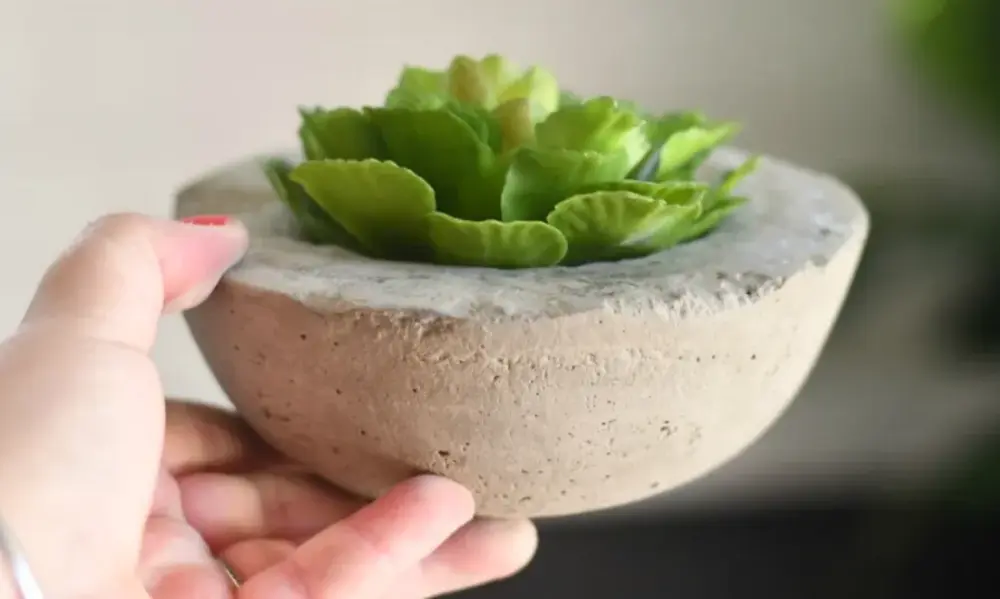
Aim for a consistency resembling thick oatmeal or cake batter. If the mixture is too runny, your final planter will be weak and brittle. If it is too dry, it will create large, unsightly air pockets along the surface of your finished piece.
Step 3: Pour and Pack the Mixture
Pour the mixed concrete into the outer mold until it fills about half the container. Tap the sides of the mold vigorously with a mallet or your hands to force trapped air bubbles to the surface.
Next, press the lubricated inner mold directly into the center of the concrete. Push it down until you reach the desired base thickness. Secure the inner mold in place by filling it with heavy rocks or hand weights so it doesn’t float upward.
Step 4: The Curing Process
Patience is your greatest asset during this stage. Leave your mold in a cool, shaded area for at least 24 to 48 hours. Covering the mold with a damp towel or plastic wrap helps retain moisture, which results in a much stronger final product.
Step 5: Unmold and Refine
Carefully remove the weights and pull the inner mold out first. Then, gently wiggle the outer mold away from the concrete. If it feels stuck, slide a thin putty knife around the edges to release the suction.
Use fine-grit sandpaper to smooth out any rough edges along the rim. If you prefer a rustic, industrial look, you can leave the minor surface imperfections exactly as they are.
Essential Specifications for Concrete Planters
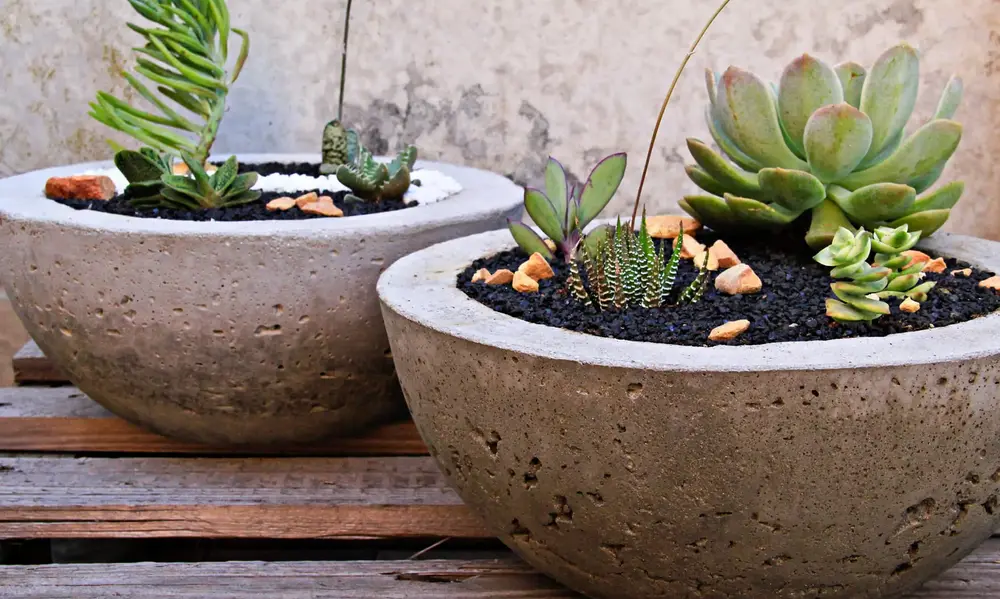
To help you plan your project, here is a quick reference table detailing estimated ratios, curing windows, and wall dimensions for standard home projects.
| Planter Size | Wall Thickness (Minimum) | Estimated Curing Time | Ideal Concrete Type |
| Small (4-6 inches) | 0.5 inches | 24 Hours | Fine Sand Mix / Cement Craft Mix |
| Medium (8-10 inches) | 0.75 inches | 36 Hours | Countertop Mix |
| Large (12+ inches) | 1.5 inches | 48 Hours | Standard Concrete with Gravel Aggregate |
Crucial Tips for Plant Health and Longevity
Creating beautiful homemade plant pots is only half the battle; you also need to ensure they provide a healthy environment for your flora. Raw concrete is highly alkaline, which can leach into the soil and harm sensitive root systems over time.
Creating Proper Drainage
Never skip drainage holes if you plan to plant directly into the container. You can easily create a drainage hole during a concrete planter DIY build by placing a small piece of a plastic straw or a greased cork at the bottom of the outer mold before pouring the mixture. Alternatively, you can use a masonry drill bit to carefully create a hole after the pot completely cures.
Sealing and Neutralizing
To protect your plants, soak the completely cured pot in water for a few days to leach out the excess lime. Once dry, apply a non-toxic concrete sealer to the interior walls. This creates a protective barrier that prevents moisture from seeping through the porous walls, keeping your Peeacelily plants hydrated and healthy.
Creative Design and Customization Ideas
Once you master the basic technique of this concrete planter DIY process, you can experiment with aesthetic variations to truly personalize your space.
Color and Texture Infusions
- Liquid Colorants: Add charcoal, terracotta, or pastel concrete dyes directly into the wet mix for a solid, vibrant look.
- The Marbling Effect: Swirl two different tinted batches together loosely just before pouring them into the mold.
- Embedded Mosaic: Press colorful seaglass, pebbles, or ceramic shards into the exposed rim while the concrete is still wet.
- Textured Finishes: Line your outer mold with bubble wrap, corrugated cardboard, or textured plastic sheets to imprint unique geometric patterns onto the exterior walls.
Conclusion
Mastering a concrete planter DIY project is an incredibly rewarding way to merge hands-on crafting with interior styling. These robust, modern vessels provide the ideal home for your favorite botanicals while adding a sophisticated, architectural element to your living space. By following these steps carefully, you will create durable, beautiful homemade plant pots that stand the test of time.
Once your custom pots are sealed, cured, and ready, visit Peeacelily to find the perfect vibrant houseplants to nestle into your brand-new creations!
FAQs
How do I prevent cracking in DIY concrete planters?
Use a thick mix, avoid excess water, and let it cure 24–48 hours. Keep it slightly damp while curing for strength.
What can I use as molds for plant pots?
Use sturdy plastic or cardboard containers like bottles, buckets, or bowls that can hold wet concrete without bending.
Do I need to seal a concrete planter?
Yes. Sealing prevents moisture loss and blocks alkaline lime from harming plant roots.