This guide provides a step-by-step process for planting tulips, emphasizing the importance of timing, soil preparation, and bulb selection. It explains the best planting depth (6-8 inches), the need for well-draining soil, and protecting bulbs from pests. It also covers care throughout the seasons, including fertilization and deadheading. The guide encourages selecting different tulip varieties for continuous blooms.
Few things rival the experience of the first tulip poking its head up through the winter-soaked soil on a brisk spring day. This tulip planting guide to providing everything you need for a display that cheers the heart, shows you when (mid-to-late autumn during weeks of soil temperatures below 15°C [60°F]) and how (6″–8″/150–200mm deep in well-draining soil).
At Peeacelily, we believe that gardening should be a rewarding journey to the extent that relaxing your mind and getting your timing right is the secret to enjoying the iconic bloom of seasonal flowers every year.
Timing Your Planting for Maximum Success
The biggest mistake gardeners make is rushing the process. Well, tulips are a little different because they need to vernalize, which is just another term for going into their cold sleep so that their internal alarm clock goes off telling them it is time to bloom. Plant them too soon, when the soil is warm, and they will simply rot or sprout too eagerly and be susceptible to frost damage.
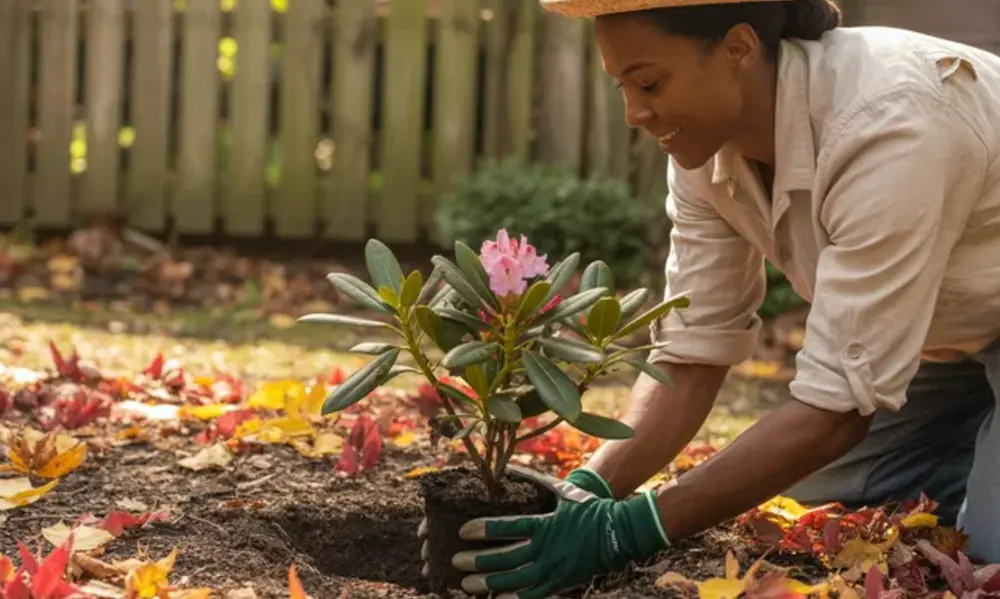
Most of the answers are in between September and November, which is the optimal period for temperate climates. Those of you in warmer parts may even be holding your breath until December. The aim is to plant before the first hard freeze, just long enough for the roots to get themselves established and not too early for the leaves to sprout.
Following this tulip planting guide means that you keep your bulbs in stasis through the winter months. The reward comes when the weather takes a turn for the warmer and your garden erupts with the heralding hues of delicately shaped seasonal blooms.
Selecting the Right Bulbs and Soil
Different bulbs perform differently. When you are purchasing, the bulbs should be firm and heavy like a good onion. And steer clear of any that feel papery or hollow, or have mold. At Peeacelily, we advise that you buy “top-size” bulbs — meaning the larger the bulb, the bigger your flower will be in due course.
Tulips are very particular about their “feet” (they hate being wet). A bulb will rot if the soil is heavy clay, meaning water just hangs around. Adding compost or grit to your garden beds for better drainage is highly recommended.
| Feature | Ideal Condition | Why it Matters |
| Soil Type | Loamy, Well-Drained | Prevents bulb rot and fungal disease |
| Sunlight | Full Sun (6+ hours) | Ensures strong stems and bright colors |
| pH Level | 6.0 to 7.0 (Neutral) | Optimizes nutrient uptake from the soil |
| Spacing | 4 to 6 inches apart | Allows for air circulation and growth |
The Step-by-Step Planting Process

If your soil is prepped and the fall air has a slight bite to it, then it’s time to dig in the dirt. Simply, it needs spring plant care. This tulip planting guide simplifies the mechanical process into a simple and repeatable format that anyone can do, even if it is their first time gardening!
Preparing the Hole
Either way, you have two options: dig separate holes for all the bulbs, or a bigger “trench” hole for a group. The latter tends to be more natural and compelling. Dig at least three times the height of the bulb down. For a normal tulip, this is typically around six to eight inches. Squirrels and temperature extremes late in the season can be deterred by planting your seeds deeper.
Positioning the Bulb
Position the bulb with the pointed tip up within that hole. This point is where the stem will come from. If you plant it sideways by mistake, the plant will generally crawl up; however, this consumes the bulb’s energy. If you want a more professional appearance of seasonal flowers, consider planting multiples of ten or even in small groups rather than thin row.
Backfilling and Watering
Loosely pack the soil on top of the bulbs and press down with your hands to get out any big air pockets. No stuffing the soil down; just make sure that the bulb is in good contact with the soil. Weed the area: water well right after planting. That “wakes” the bulb and tells it to root before winter casts its deep freeze.
Protecting Your Investment from Pests
In fact, the most difficult thing about following a tulip planting guide has little to do with gardening. The squirrels, chipmunks, and voles see the tulip bulbs as a tasty autumn treat. However, if you have bulbs looting your pots soon after planting, it may be a sign to take some extra steps.
- Hardware cloth: After planting, place a piece of chicken wire or hardware cloth over the soil surface. Stems can grow through the holes, but a paw cannot dig through metal.
- Scent repellents: If you’re struggling with those pesky burrowing animals, many gardeners have success sprinkling a handful of crushed oyster shells or gravel into the planting hole.
- Natural Repellents: Frankly, give the tulips a run for their money. They are poisonous or offensive-smelling to rodents and serve as a sort of “protective” for your tastier tulips out of bloom.
Caring for Tulips Through the Seasons
Your job ends shortly after the labor of autumn planting; now you mostly wait. Once spring approaches, just a quick bit of maintenance and your flowers will have another life! Once you see the first signs of green shoots, that is the time to apply a broad-spectrum slow-release fertilizer.
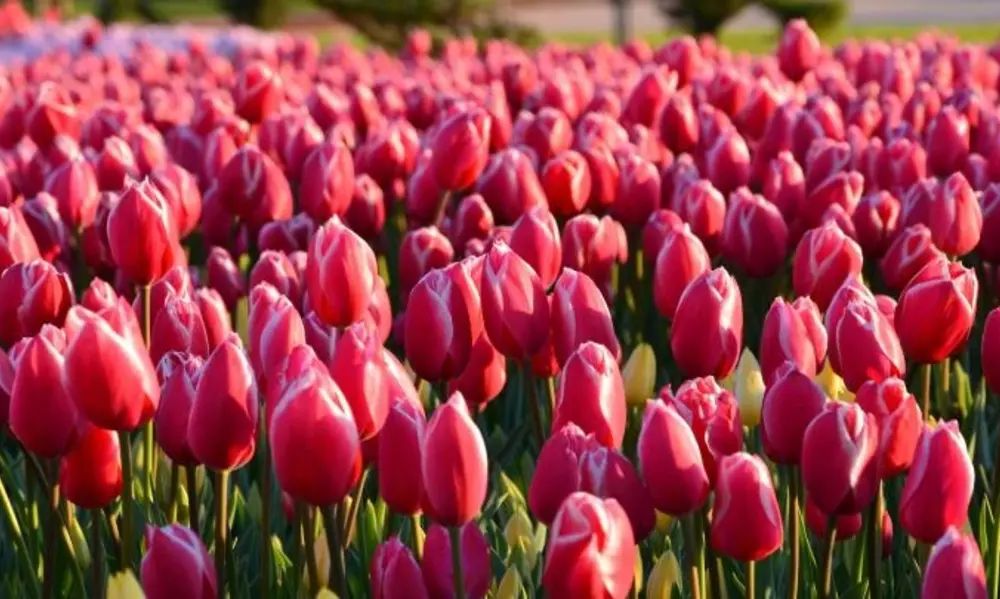
Kettlewell Gdy the flowers go over, driving them back, give up for now. It’s sorely tempting to cut everything off, really get things neat and tidy in the kitchen garden. Peeacelily experts advise against this. You will want to “deadhead the flower (cut off the spent bloom), but leave the green foliage until it turns yellow and dies back on its own. So the leaves can photosynthesize and send energy back down into the bulb for next year.
Just this one fact is fundamental to the professional tulip planting guide. Foliage is a battery charger for the bulb. If you trim it too soon, your tulips may not come back next year, or they will be much smaller than they should have been.
Choosing Varieties for Continuous Color
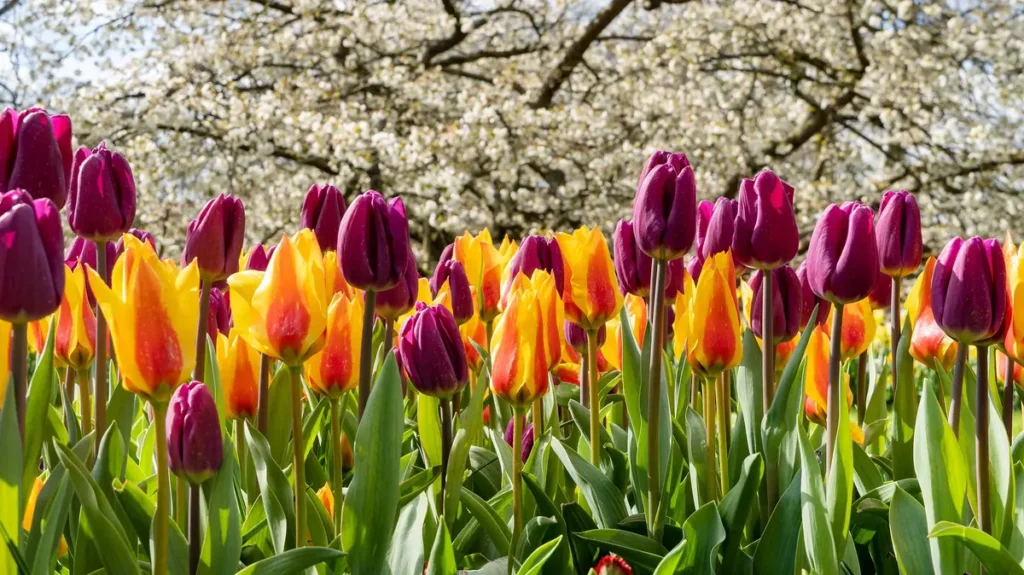
If you want your garden to be the envy of the neighborhood, don’t plant just one type of tulip. By selecting varieties with different bloom times, you can enjoy seasonal blooms for up to two months.
- Early Season: Fosteriana and Kaufmanniana tulips often bloom while the snow is still melting.
- Mid-Season: Darwin Hybrids and Triumph tulips offer the classic “tulip shape” and very sturdy stems.
- Late Season: Parrot tulips and Double Late (peony-flowered) tulips finish the season with dramatic, ruffled textures.
Using this tulip planting guide to plan a “staggered” garden ensures that as one variety fades, another is just beginning to open. This creates a constant flow of color throughout the spring months.
Common Mistakes to Avoid
Even seasoned gardeners run into trouble occasionally. To keep your garden healthy, avoid overwatering during the winter. Once the bulbs are dormant, they require very little moisture. Excessive rain or snowmelt in a spot with poor drainage is the leading cause of “missing” tulips in the spring plant care.
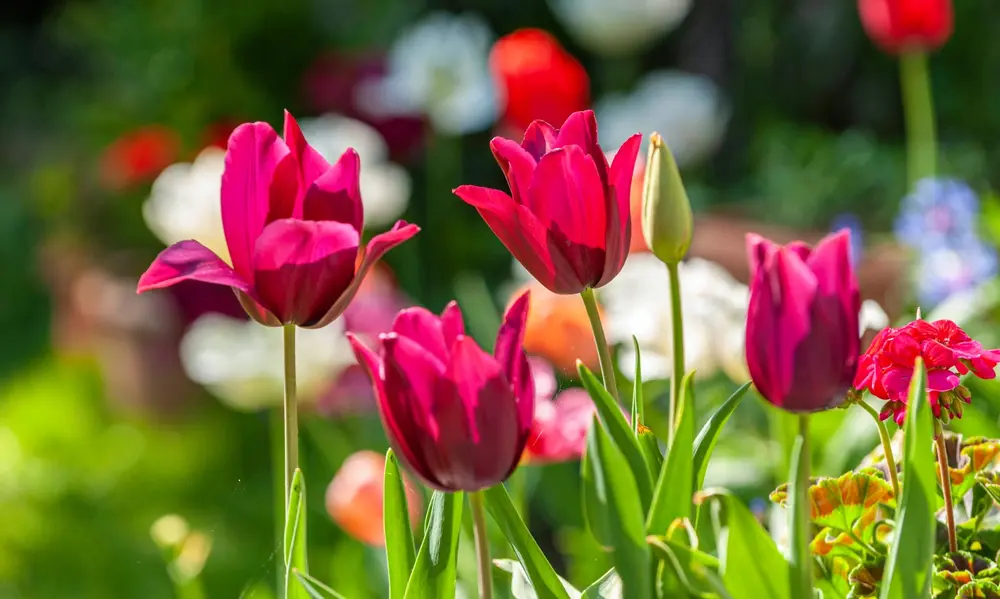
Another tip from Peeacelily is to watch your planting depth. If you plant too shallowly, the bulbs might be pushed out of the ground by the “freeze-thaw” cycle of the soil. Aim for that 6 to 8-inch sweet spot mentioned earlier in this tulip planting guide to keep them insulated and secure.
Conclusion
Gardening is an exercise in hope and anticipation. By investing a few hours in the autumn to follow this tulip planting guide, you are setting the stage for a spectacular transformation in your yard. Whether you are planting a few pots for your porch or a massive border of seasonal blooms, the principles remain the same: cold soil, deep holes, and plenty of drainage.
At Peeacelily, we love seeing how a simple bulb can turn into a masterpiece of nature. We hope this guide helps you feel confident as you head out into the garden this season. With the right preparation and a little bit of patience, your spring will be filled with the bright, cheering colors that only tulips can provide. Happy planting!
FAQs
Do I need to soak tulip bulbs?
No, soaking tulip bulbs can cause rot. Plant them dry in moist soil for natural water absorption.
Will tulips come back every year?
Modern hybrids often don’t return, but species tulips (wilder varieties) are more likely to reappear each year.
Can I grow tulips in pots?
Yes, tulips thrive in pots with drainage holes and 6 inches of soil. In cold climates, move pots to a cool place in winter.
Why did my tulips grow leaves but no flowers?
This can happen if the bulb was too small or the foliage was cut too early, preventing energy for flower buds.
When is it too late to plant?
It’s never too late if the ground is still workable. Even in January, plant bulbs to avoid them withering away.