Gardening basics sound simple until you stand in a garden centre, surrounded by seed packets, and realise you have no idea where to start. These gardening starter tips are for that exact moment: the decisions every absolute beginner has to make first, from what kind of garden to grow to which few tools and habits matter most.
First, Decide What Kind of Garden You Want
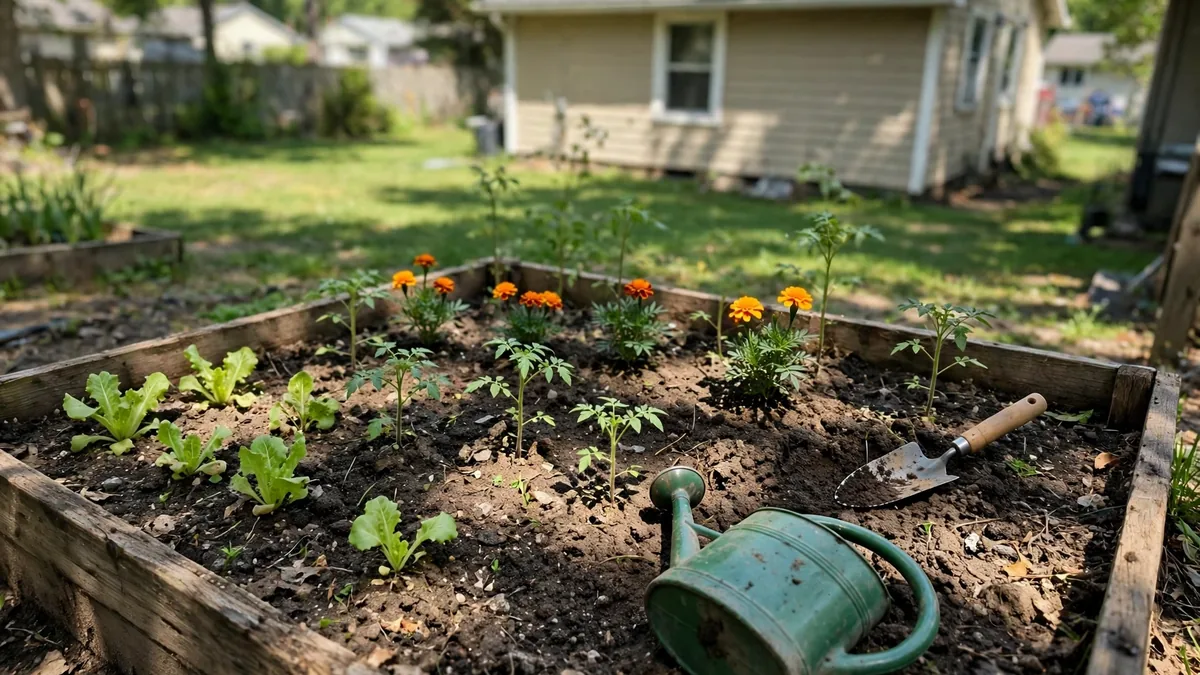
Most beginners fail before they plant anything, because they try to grow everything at once. A garden that feeds you, a garden that looks beautiful, and a garden that gives you fresh herbs for cooking are three different projects.
Ask yourself one honest question: what would make you walk outside and smile in six weeks? If the answer is picking something for dinner, start with vegetables. If it is colour outside your window, start with flowers. If it is snipping fresh basil onto pasta, start with herbs.
Once you have picked a direction, go deeper with a guide written for that garden. Our guide on how to start a vegetable garden for beginners walks through a first food garden step by step, while our guide on how to start a flower garden does the same for a bed grown for colour. This article stays with the choices that come before either one.
Start Smaller Than You Think
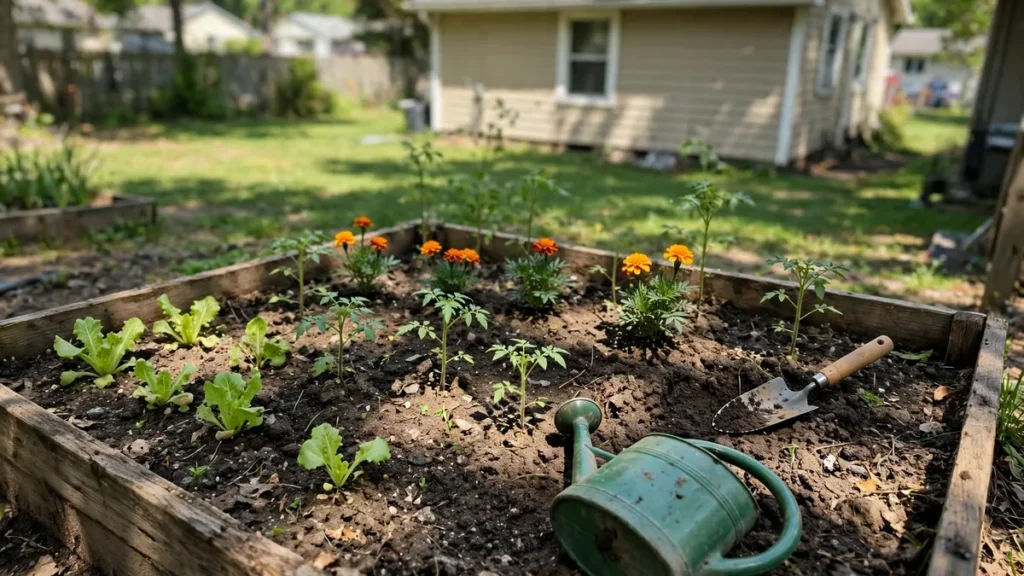
The classic beginner mistake is digging up half the yard in spring and losing interest by midsummer. A single bed about 4 feet wide and 8 feet long is plenty for a first season. Four feet matters because you can reach the middle from either side without stepping on the soil and squashing it. If you have no yard at all, a few large pots on a sunny patio or balcony will teach you just as much.
Small also means finishable. You can clear, dig, and plant one bed in a weekend.
Read Your Sun Before You Dig
Sun is the one thing you cannot fix later, so check it before you choose a spot. Watch your yard for a day and note which patches get direct sun in the morning, at midday, and in the late afternoon. Most vegetables and flowers want at least six hours of direct sun a day.
Also think about water. A garden near a tap gets watered far more reliably than one at the far end of the yard. If you want to map your light properly, our guide on how to plan a garden layout for beginners shows how to draw it out on paper before you lift a spade.

The Only Tools You Need to Begin
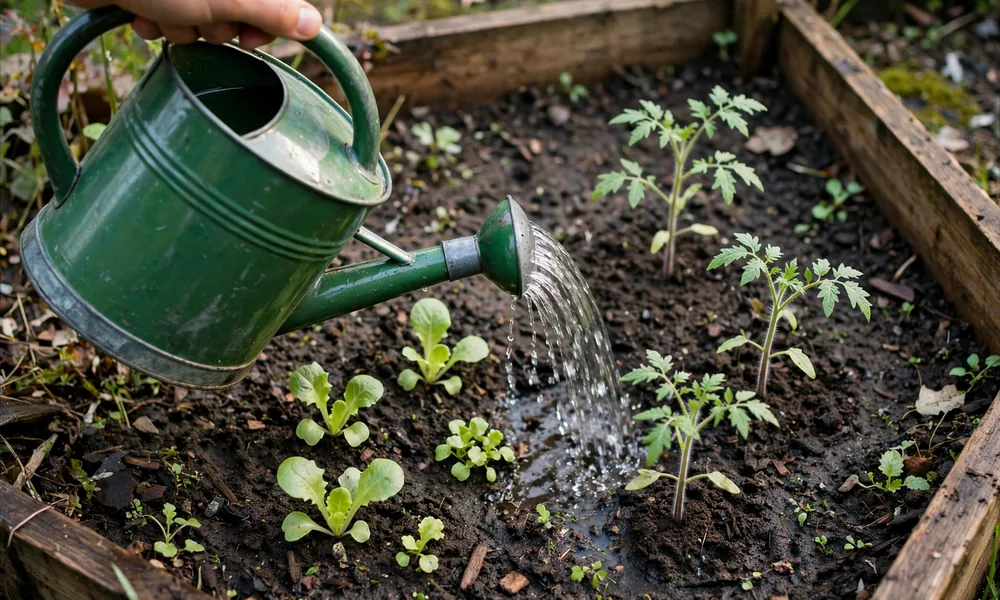
You do not need a shed full of equipment. Five things will handle almost everything in a first garden: a hand trowel for planting, a hand fork for loosening soil and weeding, a pair of secateurs for cutting stems, a pair of gloves that actually fit, and a watering can with a rose head that spreads water gently instead of blasting the soil.
Buy the sturdiest versions you can afford rather than the cheapest set in a box. A trowel that bends on its first day teaches you nothing except frustration.
Soil Basics: The Squeeze Test
Good gardening starts underground. Pick up a handful of damp soil and squeeze it. If it holds together in a ball and then crumbles when you poke it, you have workable soil. If it stays in a sticky lump, it is heavy clay. If it falls apart instantly, it is sandy and will dry out fast.
Whatever you start with, compost improves it. Spread 2 to 3 inches of well-rotted compost over the bed and mix it into the top 8 to 10 inches of soil before planting. Compost helps clay drain, helps sand hold water, and feeds the soil life that feeds your plants.

What to Plant First
Choose plants that forgive you. Forgiving plants germinate easily, grow fast, and still produce something even if your watering is uneven or your soil is imperfect. For a first vegetable patch, try lettuce, radishes, courgettes, and bush beans. For herbs, try basil, mint in a pot so it cannot take over, and chives. For colour, try marigolds, zinnias, and nasturtiums, which bloom in their first season and ask for very little.
Read the seed packet before you buy. It tells you when to sow, how deep, and how far apart. Planting too closely is one of the most common beginner errors: a bed that looks empty on planting day will be crowded by midsummer.
Watering: Less Often, More Deeply
New gardeners usually water a little every day, which keeps only the top inch of soil damp and trains roots to stay shallow. Most plants prefer the opposite: a deep soak once or twice a week, so water reaches the roots below.
Check before you water. Push a finger an inch into the soil. If it feels dry at that depth, water. If it feels damp, wait a day. Newly planted seedlings need water every day for their first week, then you can ease off as their roots settle in.
A Simple Routine for Your First Month
Gardening rewards a small, regular routine more than occasional heroic effort. In your first month, walk the garden for ten minutes every couple of days. Check the soil with your finger, water if it is dry, and pull weeds while they are small and easy.
Once a week, do a slightly longer check. Deadhead faded flowers so new ones keep coming, tie up any tall stems that are flopping over, and note what is growing fast and what is struggling.
Beginner Mistakes Worth Skipping
Planting too much, too early, is the big one. Seeds sown before the last frost often rot or stall, so check your last frost date and trust the packet over your impatience. Planting in shade because the spot looked convenient is another: a plant that needs full sun will never thrive in the shadow of a fence, no matter how much you water it.
Overfeeding is a quieter mistake. More fertiliser does not mean more growth; it often means soft, leafy plants that attract pests and produce little. Start with compost and feed lightly, if at all.

What a Good First Season Looks Like
A good first season is not a perfect garden. It is a small bed that is mostly alive, a few meals or bouquets you grew yourself, and a short list of lessons for next year.
By late summer, you should have a bed full of growth and a much better idea of what to plant next. Next spring, you will not be starting from scratch. You will be starting from experience, with a garden that is already yours.