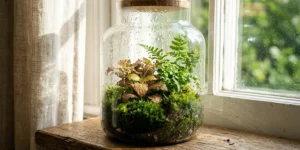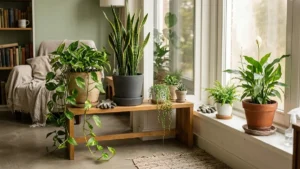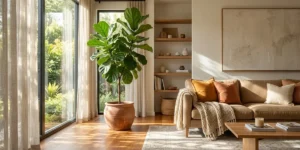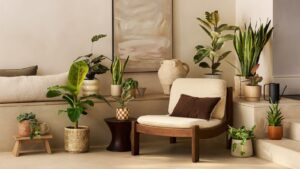
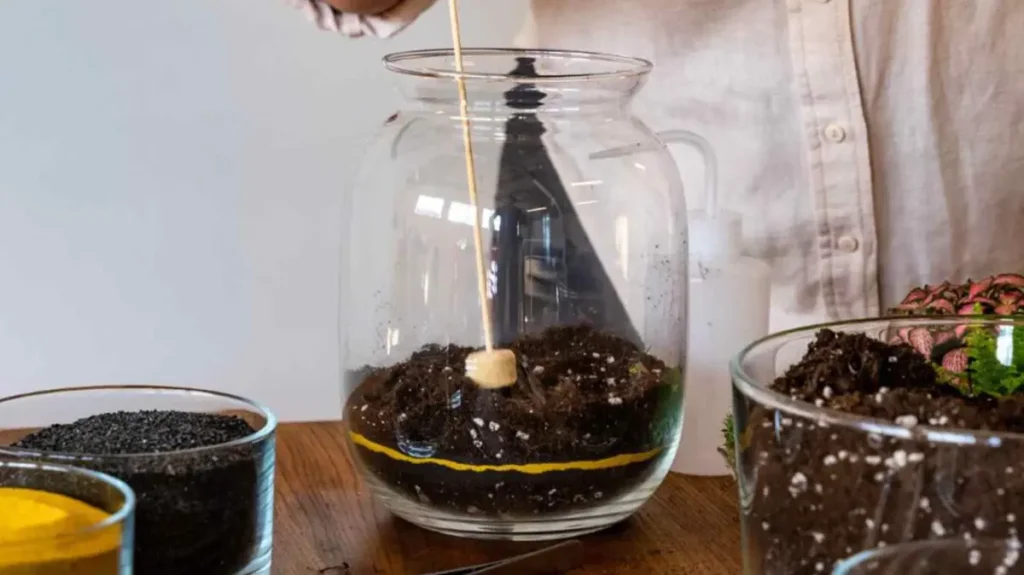
This guide talks about a DIY terrarium, a miniature indoor rainforest perfect for any space. It explains the necessary materials, including a glass container and drainage layers, and offers step-by-step instructions. By following the guide, you can get plant shelf ideas, self-sustaining ecosystem that brings nature indoors, offering both aesthetic appeal and a sense of calm.
Introduction
Image you have a mini, self-sustaining rainforest sitting on your coffee table. How to make a DIY terrarium — the ideal way to inviting the relaxing spirit of nature into your home without having millions of acres in backyard.
In order to create a productive DIY terrarium all you need is space, drainage layers with specialized soil, and moisture-loving plants and of course your trusty glass container. Utilizing a particular method of layering, you create an ecosystem that recycles its own water. At Peeacelily, we believe sustainable gardening is about what you already have (and probably unique upcycled planters for your new green world).
Closed or open glass gardens are just what you need whether you’re a master at keeping plants alive or someone who kills cacti. This project goes beyond the visual, it is an ecology lesson and a therapeutic hobby. We’re here with the step by step guide for every nuance of the process until your first DIY terrarium can thrive for years.
Why a DIY Terrarium is the Perfect Home Project
Now in 2026, the world is moving so fast but we are all looking for a way to unplug from the screens and plug back into the planet. DIY terrariums are a low-effort solution for apartment-dwelling urbanites without access to outdoor garden space.
Since closed terrariums provide their own microclimate via transpiration and condensation, they need far less watering (often NEVER watering!) in comparison to traditional potted plants.
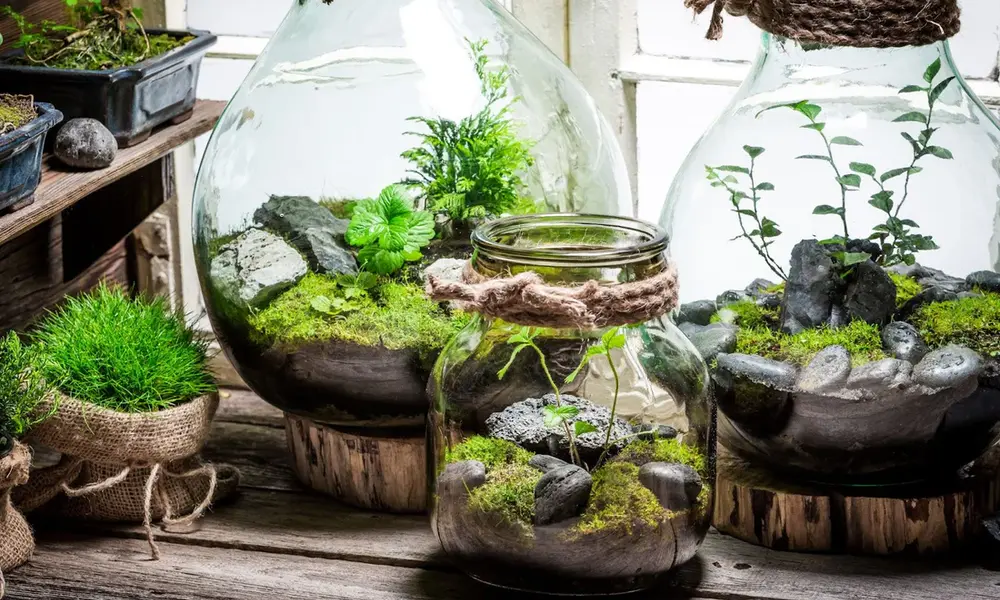
We promote the use of upcycled planters at Peeacelily to reduce waste, such as old pickle jars, vintage glass bulbs, and even glass teapots.
I also love using an upcycled planter because not only do you save money, but it gives your project a unique and soulful quality that the commercial kits cannot replicate. Apparently millions of glass jars end up in landfills every year; if you can turn one into a garden, that is a small but real victory for the planet.
Gathering Your Materials: The Foundation of Success
The first thing you need, before you even get started with the digging. A terrarium can be considered a cake; the layers are extremely important for what you will obtain finally. You can pinky-promise that you will buy fancy kits, but the most delightful results, in our opinion anyway, come from sourcing things piecemeal or discovering a great quality upcycled planter right in your home cabinets.
| Component | Purpose | Pro Tip from Peeacelily |
| Glass Container | Houses the ecosystem | Ensure it is clear, not tinted, for maximum light. |
| Pebbles/Gravel | Provides drainage | Use river stones or recycled glass beads. |
| Activated Charcoal | Keeps water fresh | Prevents mold and odors from developing. |
| Sphagnum Moss | Barrier layer | Stops soil from falling into the drainage rocks. |
| Potting Soil | Nutrient base | Use a light mix (peat moss or coco coir works best). |
| Small Plants | The stars of the show | Choose slow-growing, humidity-loving species. |
Step 1: Preparing Your Upcycled Planters
Any DIY terrarium project should start by top-notch hygiene. For example, if using upcycled planters, an old mason jar or a glass cookie jar, you will need to clean them well in warm soapy water. Food, labels and other residues can introduce bacteria or fungi that may exterminate your tender plants in a sealed environment.
Next, dry the glass completely to avoid streaking. If your upcycled planter has a very tight lid, you are prepared for a “closed” system (ideal for ferns and moss). If it is open-topped you are going to create an “open” environment, well adapted for growing dry air or high light happy system plants like succulents or cacti.
Step 2: The Critical Drainage Layer
Since the bottom of a DIY terrarium does not have drainage holes, there is no place for water to escape. You create a ‘false bottom’ to avoid root rot. First, add approximately 1 to 2 inches of pebbles or gravel at the bottom of your glass container. This helps excess water drain off of the soil and plant roots.
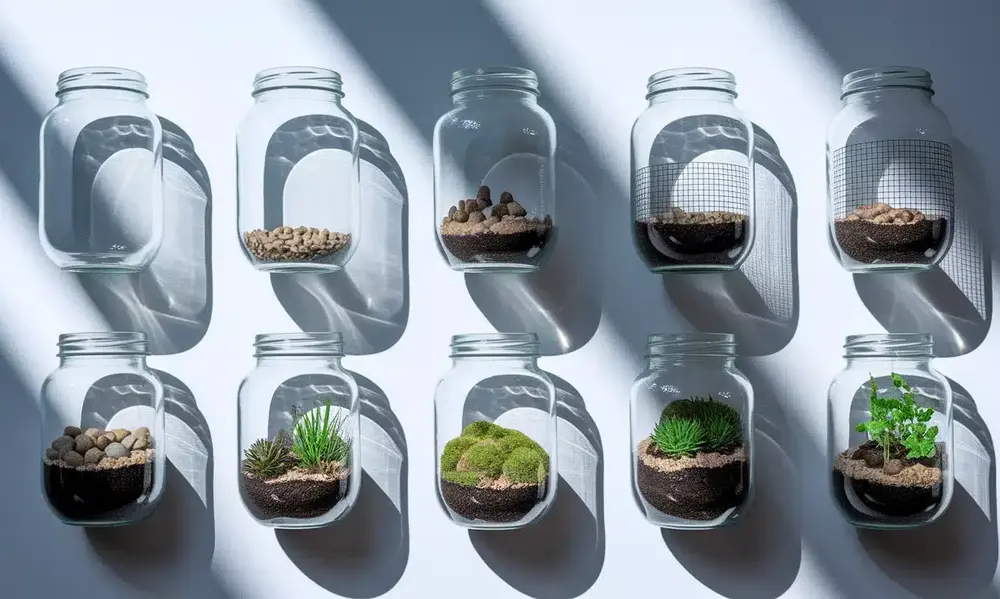
At Peeacelily, we recommend to place a thin layer of activated charcoal over the stones. This serves as a filtration element of the water, allowing air to remain inside the jar sweet, and preventing that swampy smell that you can have in many closed glass habitats. This is a tiny step that will open up new horizons in the sustainability of your ecosystem.
Step 3: Adding the Barrier and Soil
If you want your DIY terrarium to look professional and neat you will need a barrier between the rocks and the soil. If you skip this step, soil will eventually wash down into the pebbles creating a soup and clogging up your drains. Have a very thin slice of desiccated sphagnum moss, or frankly, also an item of fine plastic mesh reduced to fit your container.
Next, fill it with your premium potting soil. The amount of dirt will depend on the type of container and how deep the roots are, — about two to three inches. Do not use regular garden soil because it is too heavy and may harbor pests. Opt for a light, airy mix that is specifically designed for houseplants if you want your DIY terrarium to be healthy.
Step 4: Selecting and Planting Your Greenery
This is where the really creative work happens. And during selection of plants for your DIY terrarium look for “miniature” varieties. For closed containers, we recommend:
- Nerve Plants (Fittonia)
- Polka Dot Plants (Hypoestes)
- Minifern (Lemon Button or Maidenhair)
- Cushion Moss
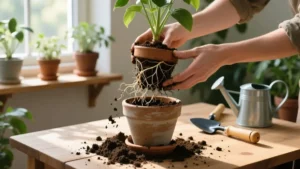
With a spoon or long pair of tweezers, dig little holes in the soil. Carefully remove your plant from its original pot, tease its roots a little and place it in the ground. At Peeacelily, we suggest planting the taller species in the rear or center, and smaller mosses toward the front to provide a sense of depth and scale.
Step 5: Maintenance and Long-Term Care
After you have potted your DIY terrarium, mist it with a spray bottle. Try not to pour water directly into it because the small amount of soil inside gets overly saturated very easily. You may see condensation on the glass if you use a closed lid. This is normal! But if the tank glass is so cloudy you can barely see the plants, remove the lid for some hours (or more) to release humidity.
Put your garden in an area with plenty of indirect bright sunlight. Full sun will create a little greenhouse in your glass jar and actually bake your plants. Check your soil a few times every 1-2 weeks using your finger. If it feels dry, just add a little water. An upcycled planter with a lid may only need watering once every few months.
Mastering the Art of the Upcycled Planter
One of the best parts about a DIY terrarium is that this can be so versatile. You don’t have to break the bank on nice glassware. Find upcycled planters close around your home. A used goldfish bowl, an old glass pitcher whose handle broke off, or a large wine bottle can become a show stopper.
A planters that have been upcycled, encourages a makedo and mend type of approach which resonates with us here at Peeacelily. It encourages the contemplation of the type of container and its aperture—narrow neck bottles are notoriously tricky but make gorgeous ship-in-a-bottle style gardens, while wide mouth jars are beginner-friend just to allow for some hand room.
Conclusion
Building a DIY terrarium is a rewarding experience that combines art, science, and sustainability. By following these steps, from selecting the perfect upcycled planters to mastering the layering technique, you create a piece of living decor that brings peace to your environment.
At Peeacelily, we hope this guide inspires you to look at that old glass jar in your recycling bin with new eyes. With a little patience and a few handfuls of soil, you can curate a tiny, thriving world that serves as a constant reminder of nature’s resilience. Happy building!
FAQs
How long does a DIY terrarium last?
A well-maintained closed terrarium can last for years, even decades, as it recycles its nutrients and water.
Why is my terrarium turning yellow or brown?
This usually means too much water or direct sunlight. Dry out soggy soil and move the terrarium away from harsh sunlight if needed.
Can I use succulents in a closed DIY terrarium?
No, succulents need low humidity and airflow. They’ll likely rot in a closed container.
Do I need to use fertilizer?
Fertilize rarely. Only use half-strength fertilizer once a year if plants are growing too slowly.