A plant based lifestyle at home doesn’t have to mean changing your whole life overnight. It can be as simple as growing a few herbs or eating more plant based meals and using less stuff than you normally would.
The nice thing about this lifestyle is that there isn’t one perfect way to do it. You can take the parts that make sense for your home and leave the rest. UNEP also describes sustainable living as something shaped by everyday choices around food and homes and consumption and other parts of daily life.
For some people a plant based lifestyle starts with food. For someone else it starts with plants around the house or less waste. What matters is making choices that feel realistic enough to keep doing.
What does a plant based lifestyle really mean?
A plant based lifestyle is basically about bringing more plant focused and nature friendly choices into everyday life.
That could mean eating more vegetables and fruits or growing herbs at home or choosing reusable items instead of constantly buying disposable ones. It can also mean using natural textures and plants to make your home feel more connected to nature.
It doesn’t mean you have to throw away everything made from plastic. It doesn’t mean your home needs to look like a greenhouse either. Think of it more like changing the direction of your everyday habits.
Why are people interested in this lifestyle?
A lot of people simply want their homes to feel calmer and less cluttered. Others want to reduce waste or make more thoughtful buying decisions.
There is also growing interest in bringing nature into indoor spaces. Research around biophilic design looks at ways of adding natural elements into buildings and homes. Recent research has found promising links between nature based design and wellbeing although researchers also point out that more long term evidence is needed.
So you don’t need to believe every big claim you see online. A few plants won’t magically fix indoor air quality or solve every problem. Still there is something nice about having greenery around you and making your home feel less disconnected from the natural world.
How can you start a plant based lifestyle at home?
Start smaller than you think. You don’t need to spend a weekend completely redesigning your house. Pick one area that you use every day and make a small change there.
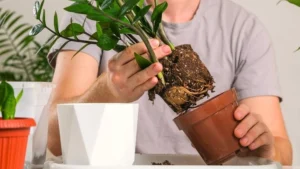
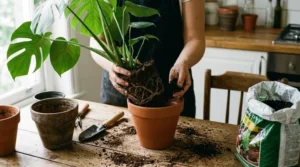
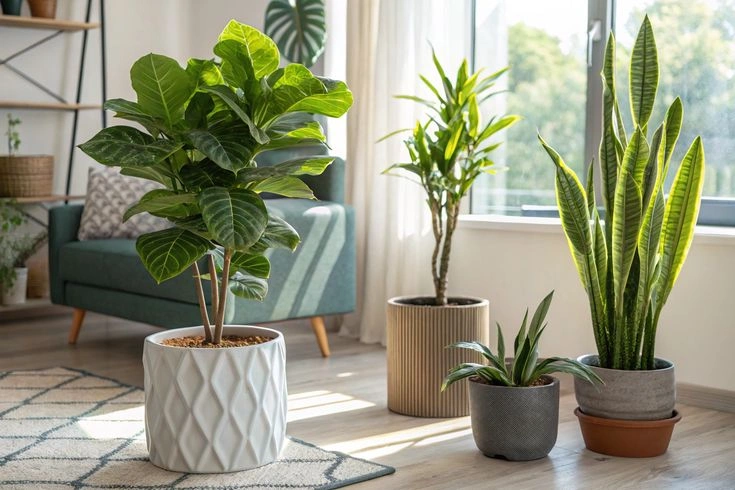
Start with plants you can actually look after
This sounds obvious but it matters. People often buy plants because they look beautiful in pictures. Then they find out the plant needs more sunlight or more water than their home can provide.
Choose plants according to your actual space. If your kitchen gets good light you could try growing herbs there. If your room has limited sunlight then look for plants that can handle those conditions.
The goal isn’t having the biggest plant collection. The goal is having healthy plants that fit naturally into your routine.
Let natural light do more of the work
Look around your home during the day. Could you open the curtains more often? Could you move a desk closer to a window? Could you arrange furniture so daylight reaches the areas where you spend most of your time? These little changes cost nothing.
Natural light is also one of the easiest ways to make a room feel more open. It works especially well when you combine it with plants and simple natural materials.
What are some easy green living ideas?
Good green living ideas don’t always look exciting. Sometimes the best change is simply using something for longer instead of replacing it because a newer version looks better.
Try these simple habits:
- Fix stuff instead of tossing it if it’s still usable.
- Reuse jars and containers for storage instead of buying new ones.
- Carry a reusable bottle when you need one, saves buying plastic every time.
- Hang onto the shopping bags you already have.
- Buy second hand when it actually makes sense to.
- Don’t buy something just because it’s slapped with a “green” label.
- Eat your leftovers instead of letting them go bad in the fridge.
- Grow a few herbs you actually cook with often.
- Donate stuff that’s still useful instead of throwing it out.
- When you genuinely need something new, go for the one that’ll actually last.
The bigger idea is to reduce unnecessary consumption. UNEP has highlighted everyday consumption choices as an important part of sustainable lifestyles. That includes what people buy and eat and how they use their homes and other resources.
Can food be part of a plant based lifestyle?
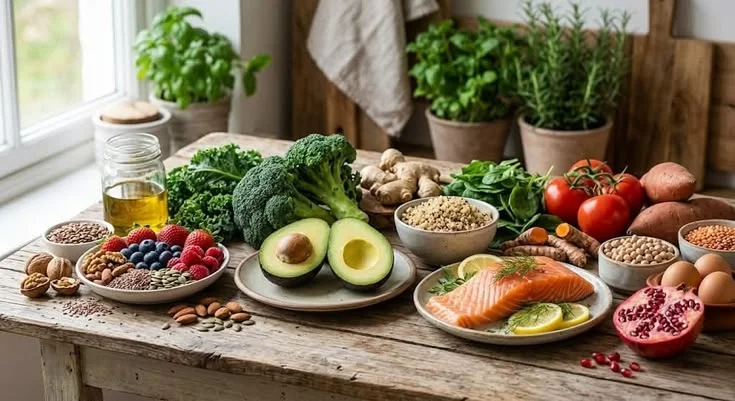
Yes and this is probably the part most people think about first. A plant based lifestyle doesn’t have to mean becoming completely vegan. For many people it simply means putting more plant foods on the plate.
You could add more beans or lentils or vegetables or fruits or whole grains to meals you already enjoy. The useful part is making food choices that work for your normal routine. If a recipe takes two hours to prepare and you hate cooking then you probably won’t make it often.
Simple meals can work better. UNEP has also promoted adding more plant based food choices as one way people can reduce some environmental pressures connected with food consumption.
How can nature inspired living change your home?
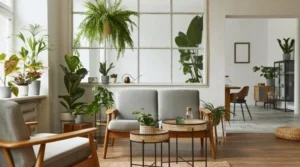
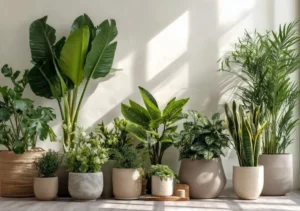
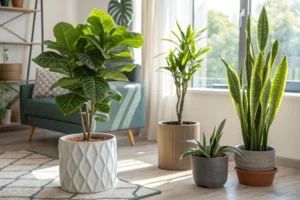
Nature inspired living is not about copying a forest inside your bedroom. It can be much simpler than that. Think about daylight and plants and natural textures and views of greenery. Even small touches can change how a space feels.
A wooden surface or a few plants or natural colours can give a room a softer feeling. You can also leave some space instead of covering every shelf with decorations.
This approach is often connected with biophilic design. Research has found evidence that exposure to natural environments can support positive emotional responses. But the strength of the effect depends on the type of exposure and the situation.
That is why it makes more sense to talk about creating a pleasant natural feeling rather than promising that a certain plant will improve your health.
What plant lifestyle ideas work in a small home?
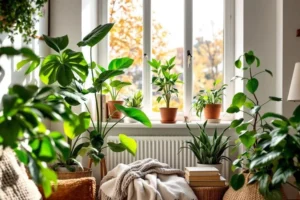
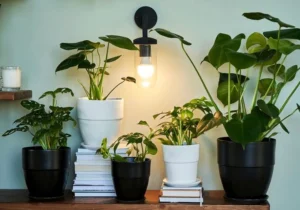
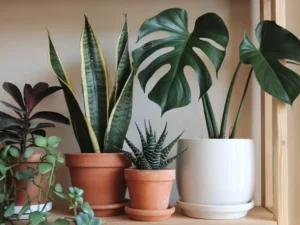
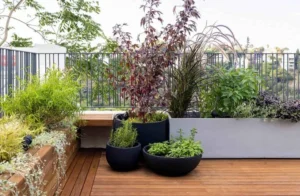
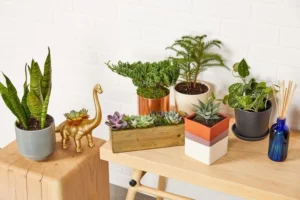
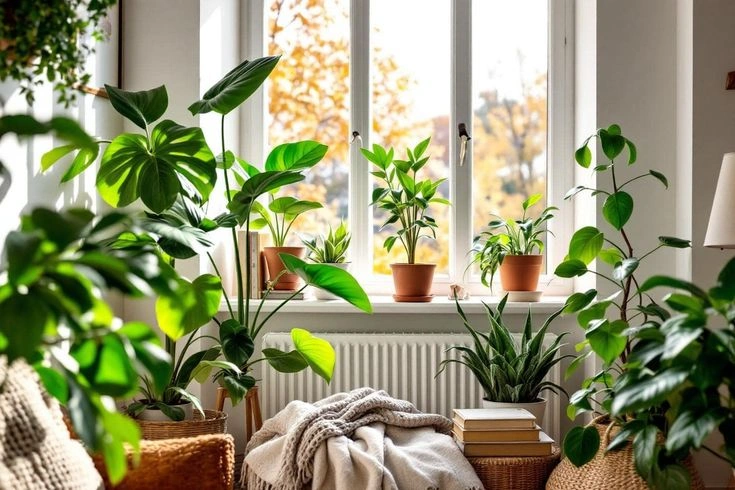
You don’t need a garden. A small apartment can still have a plant based lifestyle. A sunny window can become a tiny herb garden. A shelf can hold a few plants. A balcony can be used for suitable pots if the building allows it.
You can also focus on habits instead of space. Use reusable storage. Waste less food. Keep useful items longer. Bring nature into your home through daylight and greenery.
Small spaces can actually make this easier because you quickly notice what you really need and what is just taking up room.
Should you buy special eco friendly products?
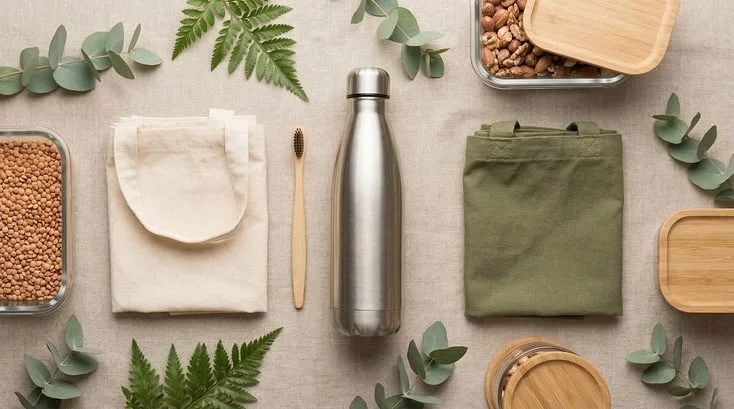
Not always. This is one area where people can easily overdo it. You don’t need to replace every normal item in your house with a new product because its packaging says natural or sustainable. If something you already own works well then keep using it.
When you genuinely need a replacement then look at how long the product may last and whether you can repair it and whether the material and packaging make sense for your needs.
A greener lifestyle is not supposed to become another reason to constantly shop.
How can Peeacelily fit into this lifestyle?
Peeacelily can naturally fit into conversations about simple home living and nature inspired spaces. The useful idea isn’t creating a perfect looking home for photographs. It is creating a space that feels comfortable and works for the people who actually live there.
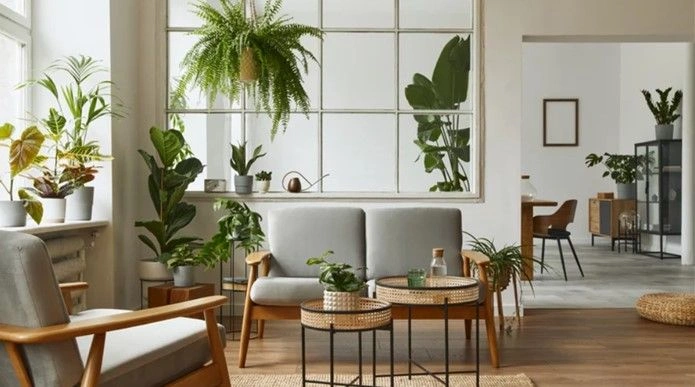
You can mix plants with your existing furniture. You can use natural looking details without replacing everything. You can also keep the design simple so the greenery becomes part of the room instead of making the room feel crowded. That is where plant lifestyle ideas become practical rather than just decorative.
What about indoor air quality?
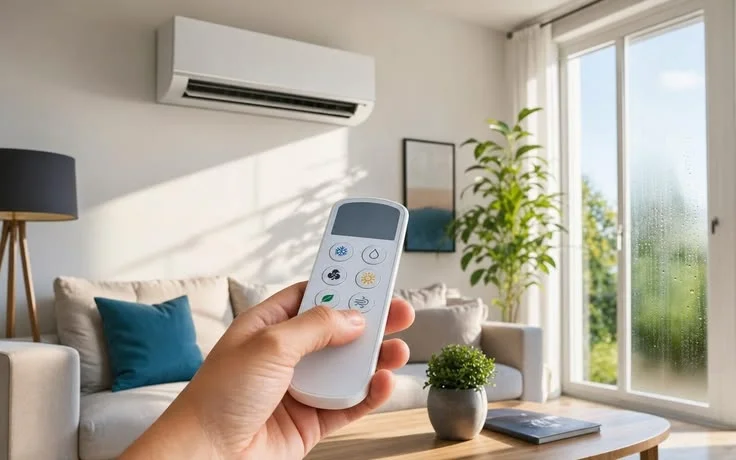
This is where it’s worth separating facts from popular internet claims. Houseplants can make a room look better and give you a visible connection with nature. But normal houseplants should not be treated as a replacement for proper ventilation or air filtration.
Research on indoor nature is interesting and there are promising findings around wellbeing. At the same time some reviews have found that the evidence is mixed and that more research is still needed. So enjoy your plants for what they genuinely offer. Don’t expect one pot of greenery to clean an entire room.
FAQs
Does a plant based lifestyle mean I have to become vegan?
No. The phrase can be used in different ways. Some people mainly use it for food while others include home habits, gardening and lower waste choices too.
What is the easiest way to start?
Start with one habit. You could grow an herb or add one plant to your room or replace a disposable item with something reusable. Once that becomes normal you can add another change.
Can I follow this lifestyle without a garden?
Yes. A window sill or balcony or even a well lit shelf can be enough for some plants. You can also focus on food choices and waste reduction and other habits that don’t need outdoor space.
Are plants enough to make a home sustainable?
No. Plants are only one part of the picture. How you use energy and how much you buy and how long you keep products and how you manage food waste can all matter too.
Is nature inspired living expensive?
It doesn’t have to be. You can use plants you already have or grow herbs from suitable cuttings and reuse containers and make better use of daylight. You don’t need expensive furniture to create a natural feeling.
Do houseplants clean indoor air?
They should not be treated as a main air-cleaning solution. Research into indoor nature has interesting findings but ordinary houseplants aren’t a replacement for proper ventilation or other suitable indoor air quality measures.
Sources Note
This article uses information from the United Nations Environment Programme and peer-reviewed research indexed in PubMed. The research supports broader ideas about sustainable lifestyles and nature-connected spaces while also showing that some claims about indoor nature need more evidence.
Disclaimer
This article is for general educational purposes. Sustainable choices can work differently depending on your home and climate and local waste systems and personal needs. For specific environmental or health questions it is better to check guidance from the relevant local or professional authority.