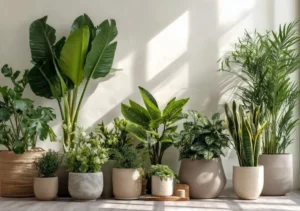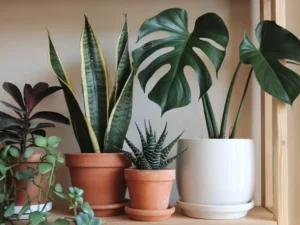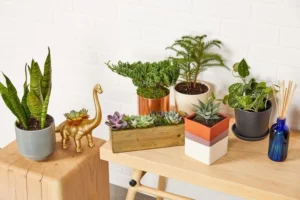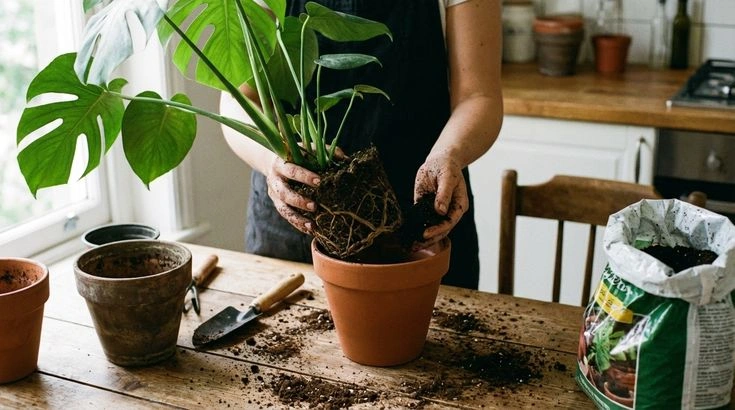
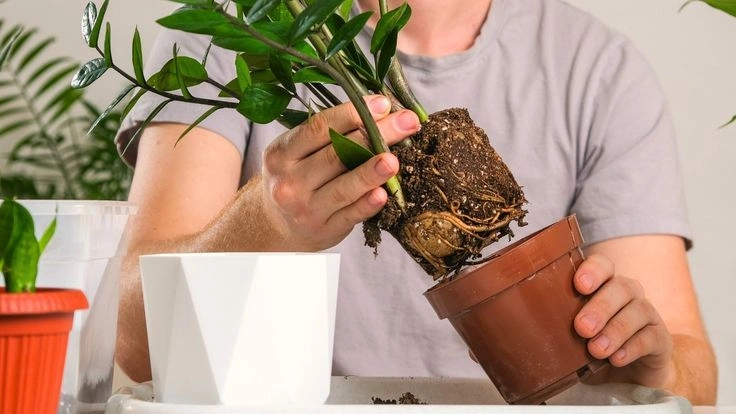
A plant can look perfectly healthy above the soil while struggling underneath it. If roots have filled the entire pot, started circling around the root ball, or are pushing through drainage holes, your plant may be root bound.
This happens when a plant’s roots run out of room to spread. Instead of moving naturally through fresh growing medium, they keep circling the limited space available.
For houseplant owners, it can be confusing because the symptoms often look like watering problems. A plant may wilt soon after watering, grow slowly, or seem thirsty again only a few days later.
The good news is that root-bound plants are usually manageable when you catch the problem early. PeaceLily explains what to look for, why it happens, and how to give crowded roots room to grow again.
Key Takeaways
- Check the roots before guessing. Circling, dense roots are stronger evidence than yellow leaves or slow growth alone.
- Do not automatically choose a huge pot. A slightly larger container is usually more appropriate than excessive extra space.
- Loosen circling roots. This helps encourage roots to move into surrounding growing medium.
- Prune carefully when necessary. Severely congested roots may need trimming, but unnecessary heavy pruning can add stress.
- Use suitable potting mix. Indoor plants generally need a growing medium designed for containers.
- Give the plant time after repotting. Water thoroughly and allow the root system to establish before making further changes.
What Does Root Bound Mean?
A root-bound plant is one whose roots have become tightly packed inside its container. You may also hear the terms pot-bound or root-bound used for the same basic problem.
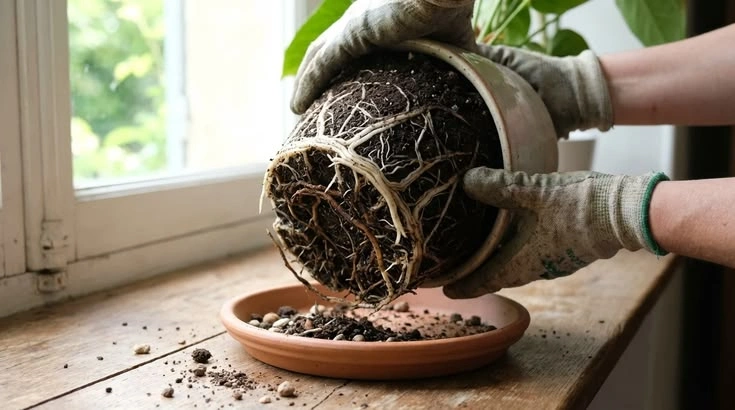
As roots reach the sides and bottom of a pot, they can begin growing in circles. Over time, the root ball becomes dense and tangled, leaving less room for fresh potting mix.
The roots are not necessarily unhealthy simply because they are crowded. The problem is that severe crowding can interfere with normal water movement, nutrient access, and new root growth.
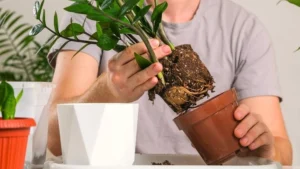
The easiest way to confirm the problem is to remove the plant from its pot and inspect the root ball. RHS recommends checking for roots spiraling around the sides and bottom because this is one of the clearest signs of root congestion.
Signs Your Plant Is Root Bound
Roots Are Circling the Pot
This is the classic warning sign. When you remove the plant, look at the outside of the root ball. If you see thick roots repeatedly wrapping around the sides or forming a tight layer underneath, the plant has likely outgrown its container.
A few visible roots do not automatically mean there is a serious problem. What matters is how dense and widespread the root growth has become.
Roots Are Coming Through Drainage Holes
Roots sometimes appear through the holes at the bottom of a container while searching for additional space.
This can be an early indication that the plant needs attention, although it should not be treated as the only test. Some vigorous plants naturally send roots toward drainage openings. Check the entire root ball before deciding whether repotting is necessary.
Water Runs Through Too Quickly
A root-bound plant may become surprisingly difficult to water. When roots occupy much of the container, there may be less potting mix available to hold moisture. Water can also move quickly around or through a dense root mass instead of spreading evenly through the growing medium.
If your plant repeatedly dries out much faster than expected, inspect the roots rather than simply watering more often.
Growth Has Slowed
Limited root space can eventually restrict top growth. You might notice fewer new leaves, smaller leaves, weak growth, or a plant that seems to have stopped getting bigger even though light, watering, and temperature appear reasonable.
Slow growth can have many causes, so it should be treated as a clue rather than proof of root binding.
The Plant Keeps Wilting
Repeated wilting can happen when the root system has become severely crowded and the available growing medium is limited.
If the plant wilts soon after watering and the pot dries unusually fast, checking the root ball can help distinguish a root-space problem from ordinary underwatering.
Why Do Plants Become Root Bound?
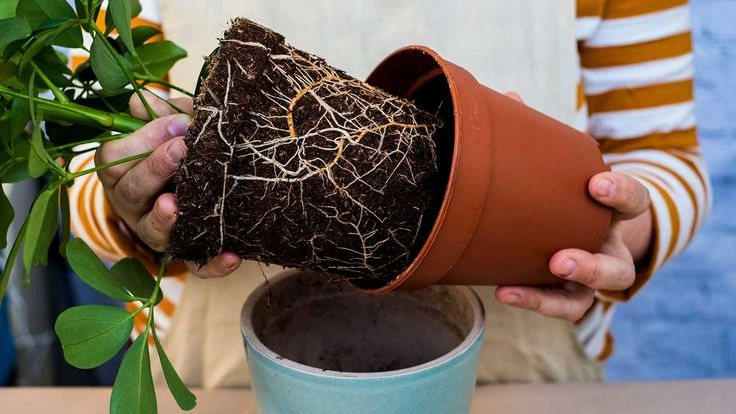
The simplest reason is time. A plant continues producing roots while its container stays the same size. Eventually, the available space can become crowded.
Fast-growing plants may reach this stage sooner than slow-growing plants. Container size, plant type, growing conditions, and the quality of the potting medium all influence how quickly a plant needs attention. RHS notes that there is no universal repotting schedule because plant vigor and growing conditions vary.
The Pot Is Too Small
The most obvious cause is a container that no longer matches the size of the plant.
A young plant may begin in a small nursery pot, but its root system does not stay small forever. If it remains there for too long, roots eventually fill the available space.
The Plant Has Been in the Same Pot for Years
Even when a container is reasonably sized, the growing medium changes with time.
Organic material breaks down, the compost can lose structure, and the available growing space becomes less effective. RHS recommends repotting many container plants periodically or refreshing their growing medium when necessary.
Fast-Growing Plants Outgrow Containers Quickly
Some plants naturally produce roots rapidly.
A plant that looks comfortable today may become crowded after a period of strong growth. This is why checking the root system occasionally is more useful than following a rigid calendar.
How to Fix Root-Bound Plants
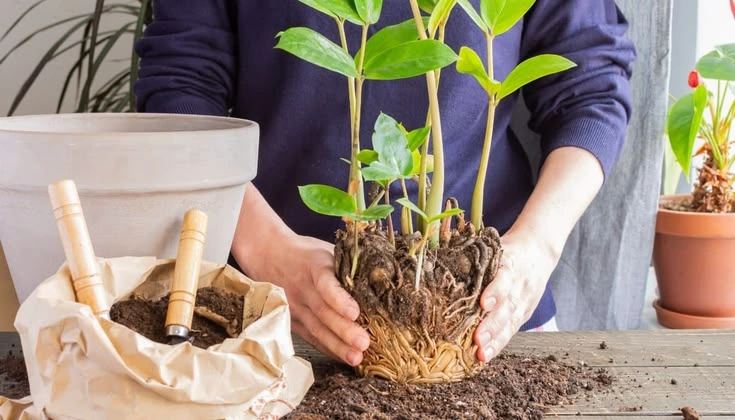
The right solution depends on how crowded the roots are and whether you want the plant to become larger.
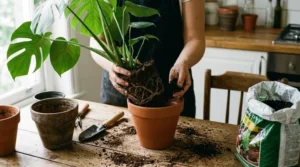
Step 1: Remove the Plant Carefully
Watering lightly beforehand can help the root ball hold together, although extremely dry, shrunken compost can sometimes make removal easier.
Turn the pot carefully and support the plant rather than pulling hard on delicate stems or leaves.
Once removed, examine the roots before cutting anything.
Step 2: Loosen the Outer Roots
If the roots are circling but not severely tangled, gently tease them apart with your fingers. Pay particular attention to the bottom and outer edges of the root ball. The goal is to encourage roots to move outward into fresh growing medium rather than continuing to circle.
RHS recommends loosening circling roots before planting because tightly circling roots may not naturally spread into surrounding soil.
Step 3: Consider Root Pruning
Severely congested plants may need root pruning. Remove damaged, dead, or rotten roots first. For a very crowded root ball, carefully trimming part of the outer root mass can help create space for new growth.
Do not aggressively remove large amounts of healthy roots without a reason. RHS notes that light root pruning can be enough for some plants, while heavily congested root systems may require a more substantial but carefully managed reduction.
Step 4: Move the Plant Into a Slightly Larger Pot
If you want the plant to continue growing, choose a container only somewhat larger than the existing one.
A dramatically oversized pot is not automatically better. Too much unused, wet growing medium can increase the risk of root problems.
RHS recommends a new container no more than about one-third larger than the existing one for many situations.
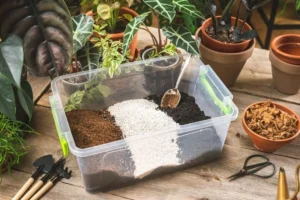
Step 5: Use Fresh, Suitable Potting Mix
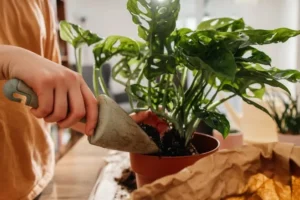
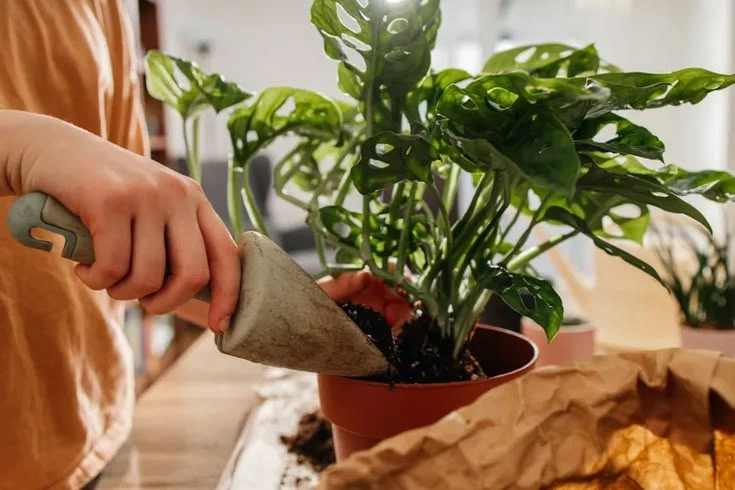
Place fresh growing medium around the loosened root ball and fill the empty spaces without packing it excessively hard.
For houseplants, use a potting mix suited to the particular plant rather than ordinary garden soil. Penn State Extension specifically advises against using garden soil in indoor containers because it can contribute to disease and pest problems.
Step 6: Water and Let the Plant Adjust
After repotting, water thoroughly so the new growing medium becomes evenly moist.
Make sure excess water can drain from the container. Then give the plant time to settle instead of immediately adding extra fertilizer or repeatedly disturbing the roots.
Should You Always Use a Bigger Pot?
No.
A larger pot makes sense when the goal is continued growth and the current container is genuinely too small. But some plants can remain in the same-sized container if their roots are managed properly.
For plants that have reached their desired size, Penn State Extension describes removing part of the outer root section, replacing old growing medium, and managing top growth as possible approaches.
The important point is to match the solution to the plant rather than assuming every crowded root system needs a much bigger container.
When Is the Best Time to Repot?
For many plants, active growth is a useful time to repot because the plant can recover and produce new roots more readily.
RHS identifies spring as a generally suitable time for repotting many plants, while early summer can also work for many types. However, the ideal timing depends on the plant and its growth cycle.
Avoid treating a calendar date as a rule for every houseplant. Plant condition and species matter more.
Final Thoughts
Root-bound plants are easier to manage when you look beneath the surface instead of treating every symptom as a watering problem.
A crowded root ball, circling roots, rapid drying, and slowed growth can all point toward limited root space. Once you confirm the problem, the solution is usually straightforward: loosen the roots, prune only when needed, refresh the growing medium, and give the plant an appropriately sized container.
For Peeacelily readers, the main lesson is simple: healthy roots need room to grow, but they do not always need a dramatically larger pot. Watch the plant, inspect the roots when something changes, and choose the least disruptive solution that gives the root system a better environment.
Frequently Asked Questions
How can I tell if my plant is root bound?
Remove the plant from its container and inspect the root ball. A dense mass of roots circling the sides or bottom is a strong sign. Roots emerging from drainage holes can also indicate that the plant is running out of space.
Can a root-bound plant recover?
Yes. Many plants recover well when the crowded roots are carefully loosened or pruned and the plant is given suitable growing space. The response depends on the plant species, severity of root congestion, and aftercare.
Should I cut all the roots off a root-bound plant?
No. Healthy roots are valuable to the plant. The goal is to correct severe circling or congestion, not remove the entire root system.
Is a bigger pot always better for root bound plants?
No. An oversized container can hold excess moisture for too long, increasing the risk of root problems. A moderately larger pot is generally a better choice.
Can I leave a mildly root-bound plant alone?
Sometimes. Certain plants tolerate being slightly pot bound, and some may even perform well with limited root space. However, severe congestion that is affecting watering or growth deserves attention.
How often should I check for root-bound plants?
There is no single schedule that fits every plant. Fast-growing container plants may need checks more frequently than slow-growing ones. Inspect the roots when growth slows unexpectedly, watering patterns change, or the plant repeatedly becomes stressed.