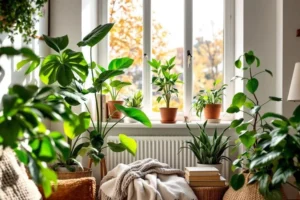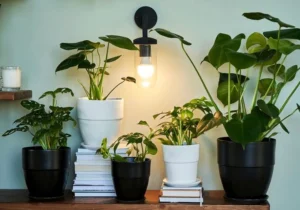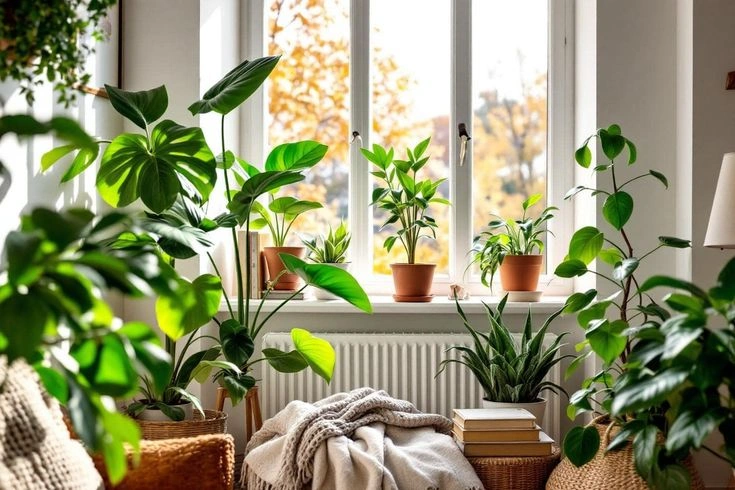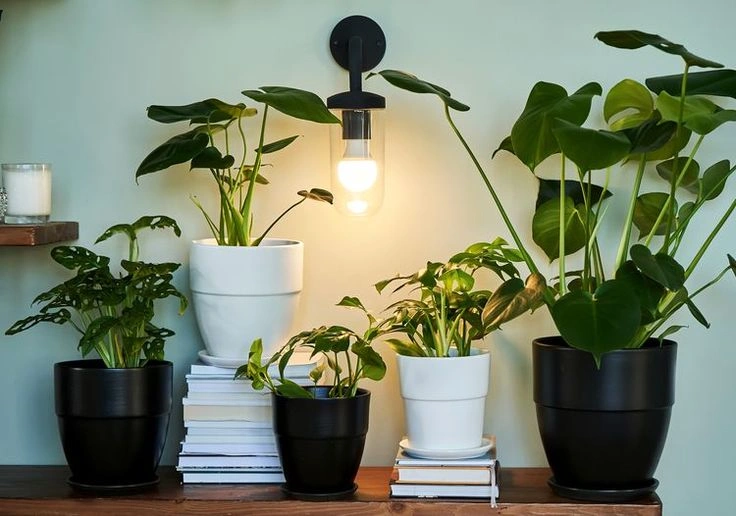
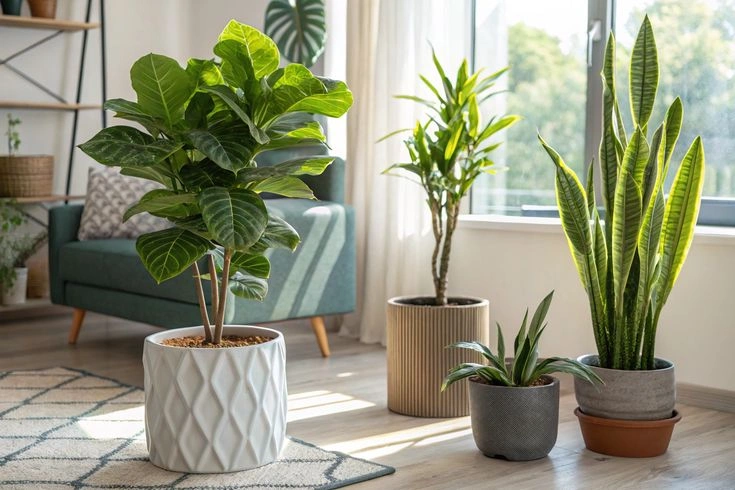
A room can have beautiful furniture, soft lighting, and carefully chosen colors, yet still feel like something is missing. Often, the answer is simple: height.
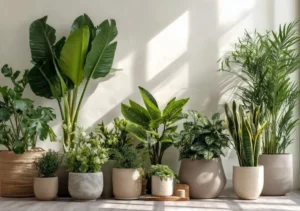
Tall indoor plants can completely change the feeling of a space. They fill empty corners, soften hard furniture lines, bring natural texture indoors, and create a strong visual point without making a room feel overcrowded. One well-placed plant can sometimes do more for a room than several small decorations.
At Peeacelily, we love the way large plants can make everyday spaces feel more welcoming and personal. Whether your style is modern, cozy, minimal, tropical, or slightly dramatic, there is a tall plant that can fit your home.
Key Takeaways
- Tall indoor plants can add height, texture, and personality without filling a room with small decorations.
- Fiddle leaf figs, bird of paradise, and monsteras are excellent choices for dramatic spaces.
- Snake plants, dracaenas, and Kentia palms are useful when you want height with a smaller footprint.
- Always match a plant with the light and conditions available in your home.
- A simple planter and enough breathing room can make one large plant look much more stylish.
- Healthy foliage is the real secret behind an Instagram-worthy plant display.
Here are 15 beautiful choices to consider.
1. Fiddle Leaf Fig
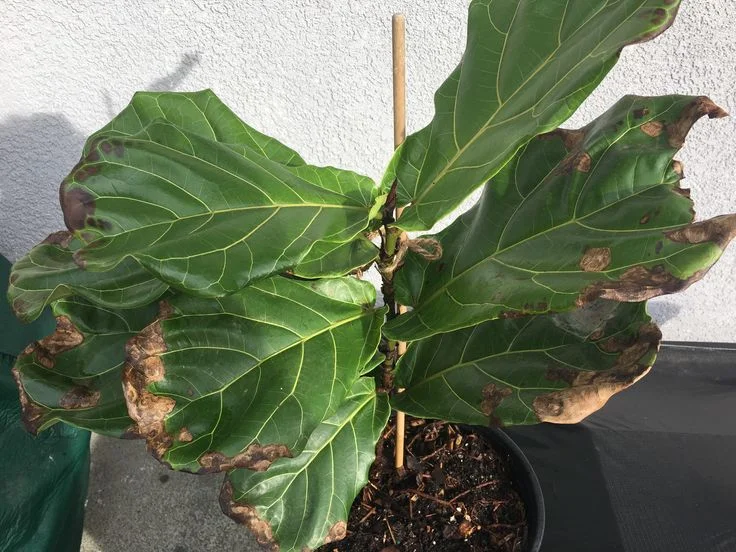
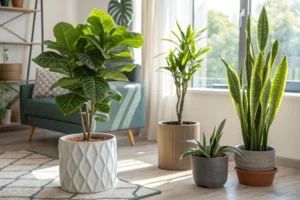
The fiddle leaf fig is one of the most recognizable statement plants for modern homes. Its large, violin-shaped leaves and upright growth give it a polished, designer feel.
Place one beside a sofa, near a bright window, or in an empty living room corner. It prefers bright, indirect light and does best when its environment stays fairly consistent. If you want a plant that instantly catches attention, this is a strong choice.
2. Bird of Paradise

Want your home to feel like a stylish tropical retreat? The bird of paradise can create that look with very little decoration around it.
Its huge leaves bring movement and drama, while its upright shape works beautifully in spacious rooms. Give it plenty of bright light and enough room for the leaves to spread.
It looks especially impressive beside large windows, neutral furniture, or natural wood pieces.
3. Monstera Deliciosa
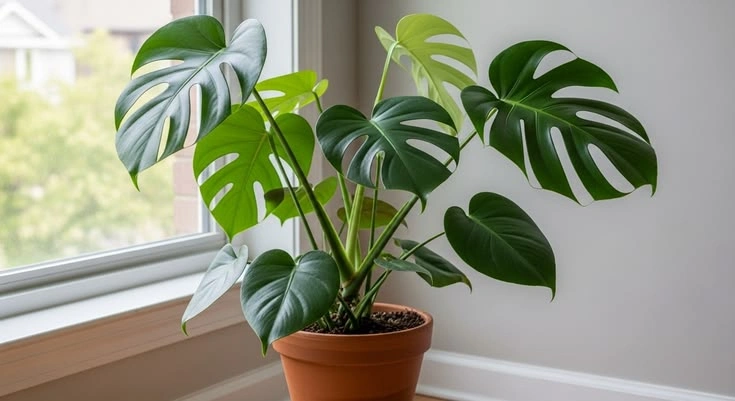
Monstera deliciosa has become a favorite for people who want bold greenery without an overly formal look. Its large leaves develop natural splits and holes as the plant matures.
A mature monstera can become a real focal point, especially when supported with a moss pole or another sturdy support.
Place it near bright, indirect light and allow the soil to dry somewhat between waterings. Its relaxed tropical shape works beautifully with modern, bohemian, and earthy interiors.
4. Rubber Plant
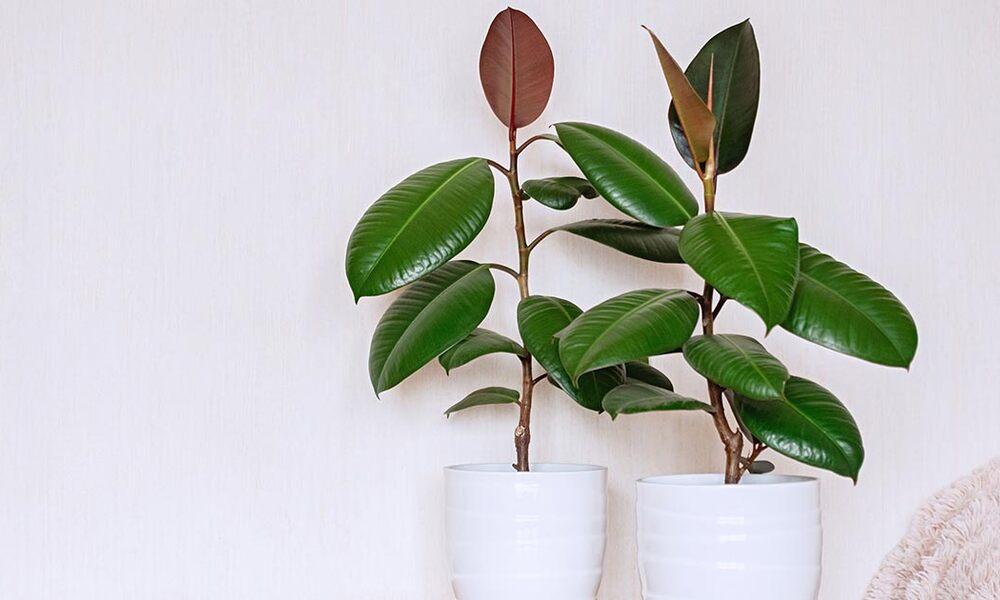
The rubber plant offers a cleaner and more structured appearance. Its thick, glossy leaves grow along strong upright stems, giving the plant a tree-like silhouette.
It is also a practical choice when you want something dramatic without choosing one of the more demanding large-leaf plants.
A simple ceramic planter can make a rubber plant look surprisingly luxurious. Keep it in medium to bright indirect light and avoid constantly moving it around.
5. Kentia Palm
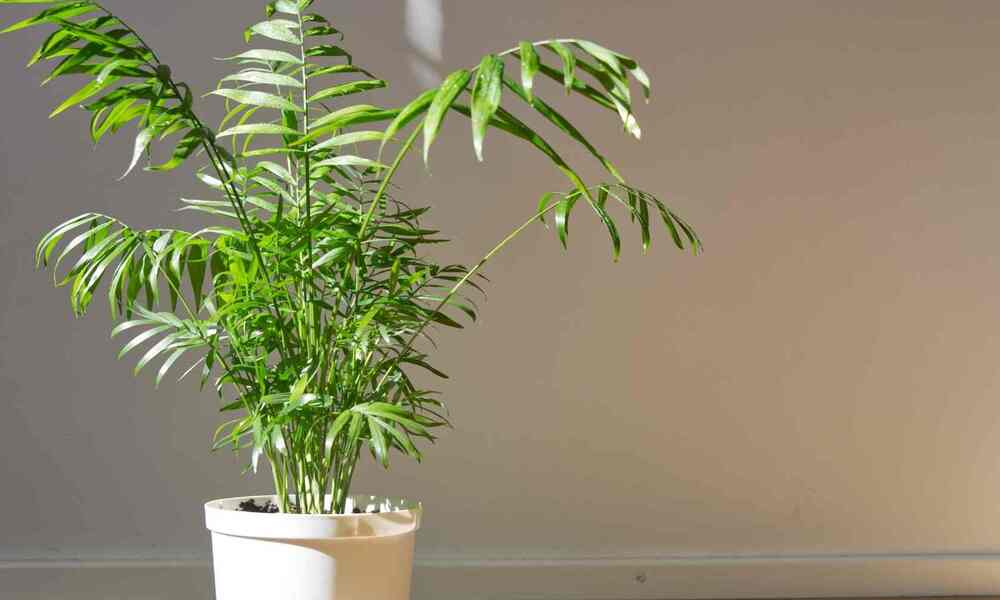
Not every dramatic plant needs huge leaves. The Kentia palm creates its impact through height and graceful, arching fronds.
It has a lighter visual appearance than plants such as monstera or bird of paradise, so it works well in rooms where you want greenery without making the space feel heavy.
Its elegant shape looks particularly good beside sofas, reading chairs, and open shelving.
6. Areca Palm
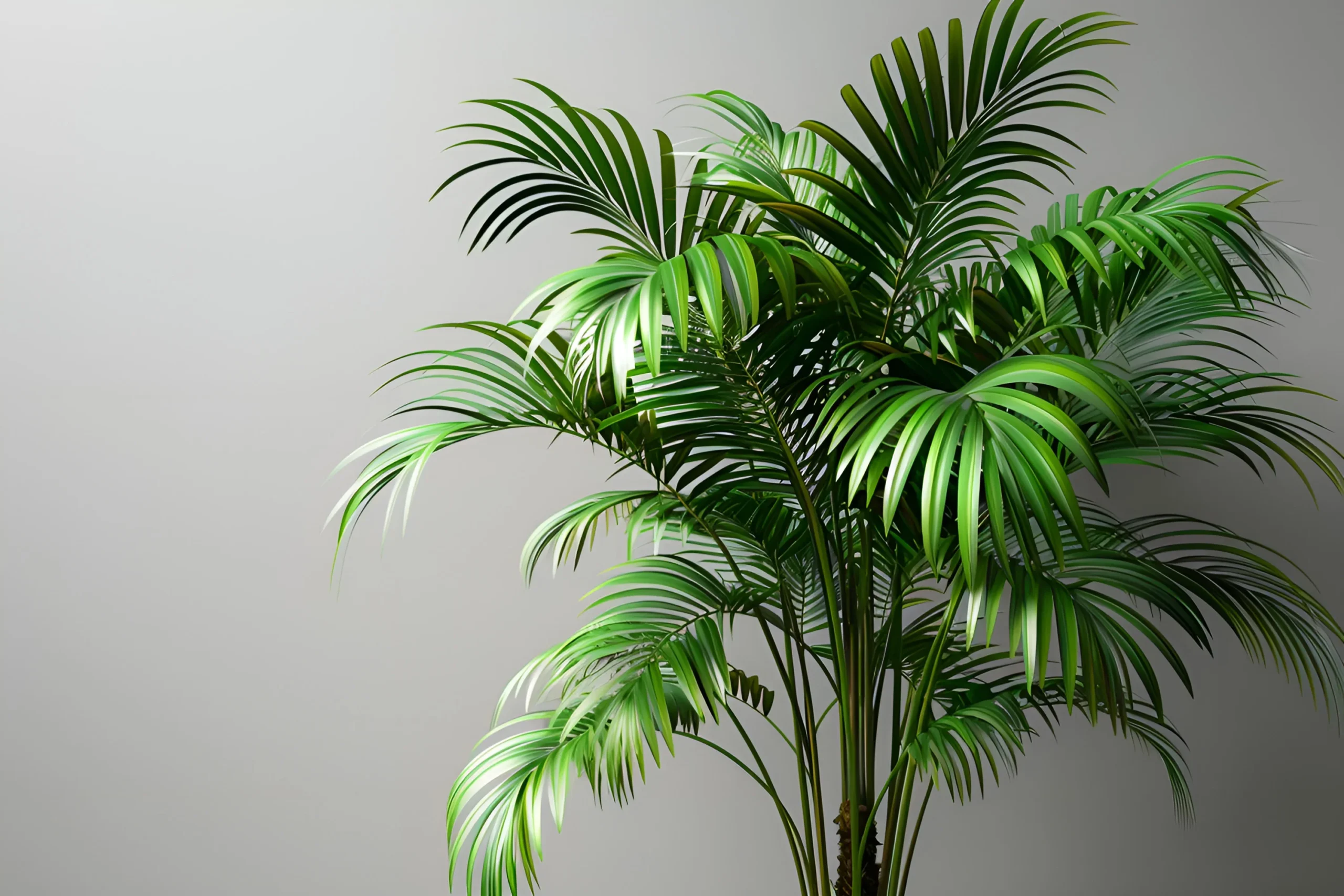
The areca palm is another excellent choice for creating a soft tropical atmosphere. Its multiple stems and feather-like fronds give it a fuller appearance than many upright houseplants.
Use it to fill an awkward corner or create a gentle screen between different areas of a room. Bright, indirect light is ideal, while harsh direct sunlight can damage the foliage. Its flowing shape works beautifully with relaxed and natural home decor.
7. Dracaena Marginata
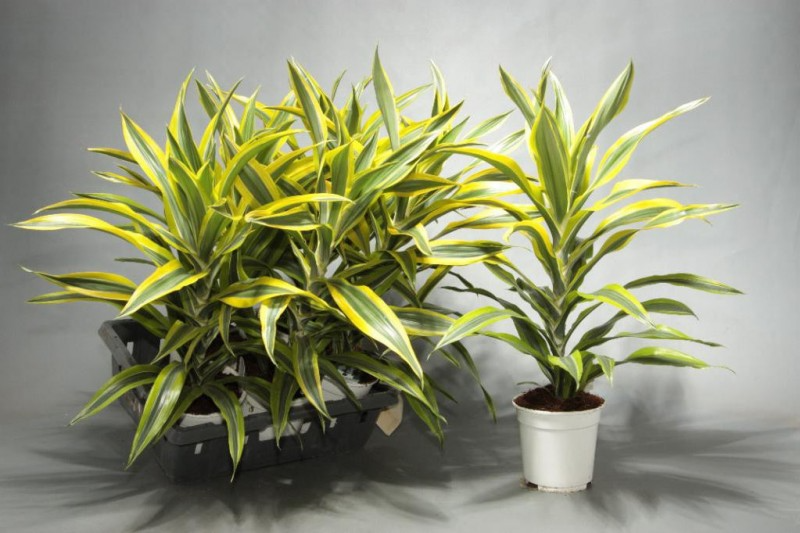
If you prefer something narrow and architectural, consider Dracaena marginata. Its thin stems and long, pointed leaves create a striking vertical shape.
This is especially useful for smaller rooms where a wide plant would take up too much floor space.
Its sculptural appearance pairs nicely with simple furniture and minimalist interiors. It can also tolerate less light than some of the more light-hungry statement plants.
8. Snake Plant
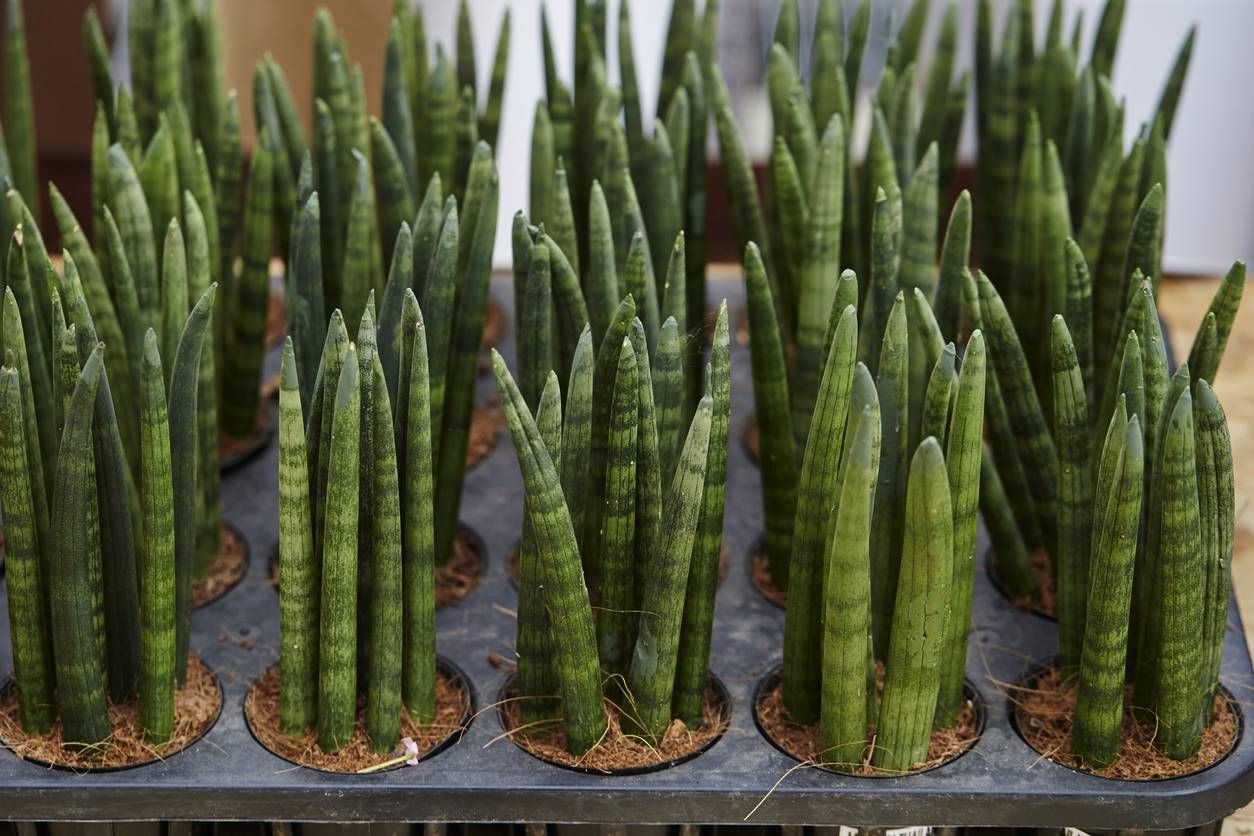
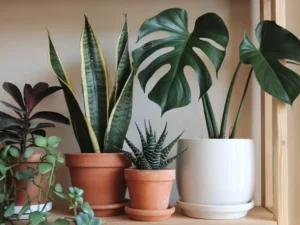
Snake plants are proof that dramatic does not always mean huge. Their tall, upright leaves create strong vertical lines and take up very little floor space. They are also among the more forgiving choices for indoor growing.
A tall snake plant can look fantastic beside a console, in a bedroom corner, or next to a doorway. Choose a simple tall planter if you want a cleaner, more contemporary look.
9. Weeping Fig
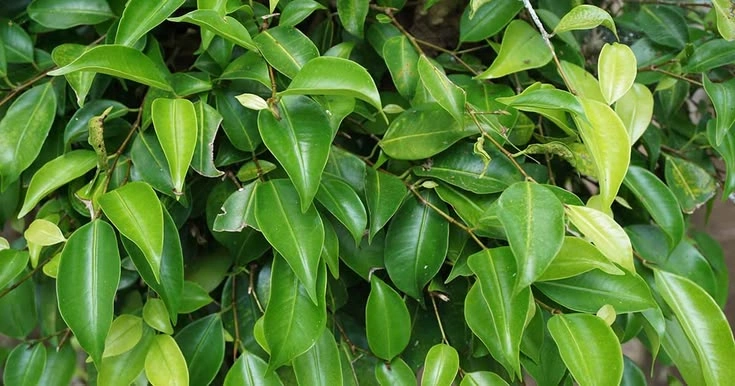
The weeping fig, also known as Ficus benjamina, has a delicate tree-like appearance that can bring an elegant touch to a room.
Its smaller leaves create a softer silhouette than a fiddle leaf fig, while its branching structure adds height and depth.
Give it a bright position with indirect light and try to keep its environment stable. Sudden changes in placement can sometimes lead to leaf drop.
10. Parlor Palm
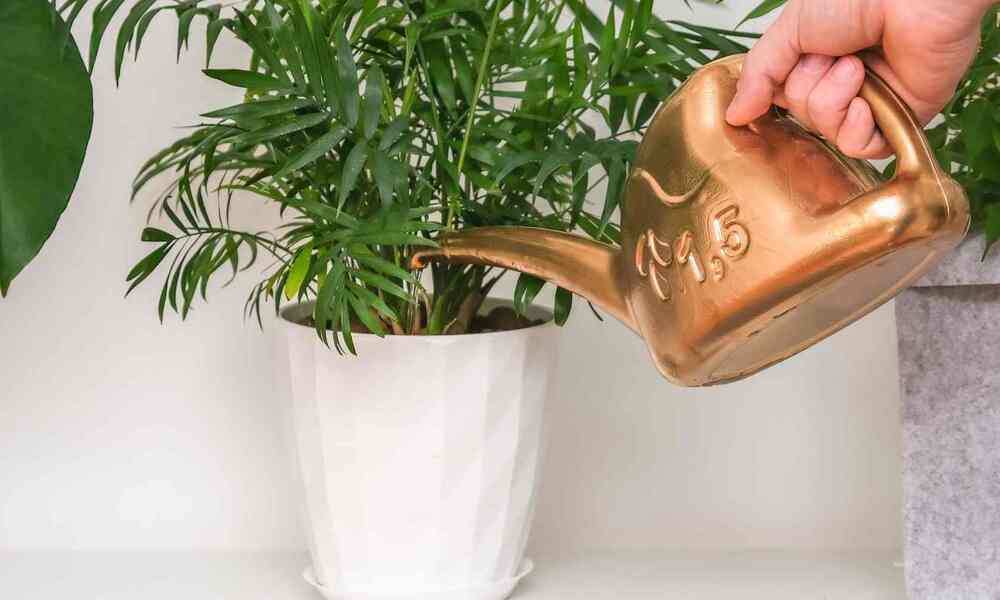
The parlor palm is a great option when you want height without a harsh or overly bold appearance.
Its thin stems and delicate fronds create a relaxed feeling that works well in bedrooms, living rooms, and calm reading spaces.
It can tolerate lower light than many tropical statement plants, although brighter indirect light generally supports healthier growth.
Pair it with a textured basket planter for a warm and comfortable look.
11. Corn Plant
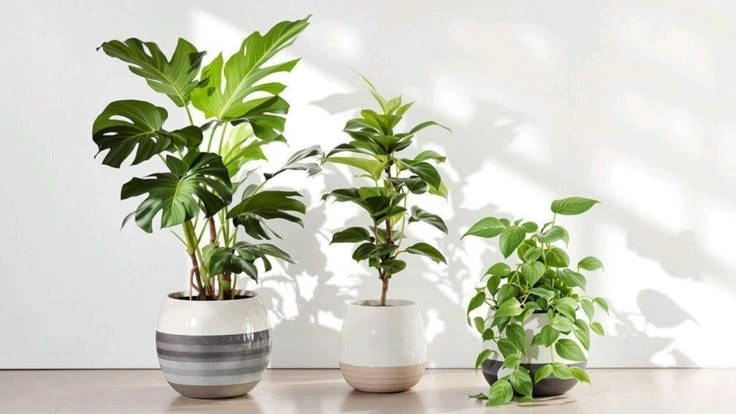
The corn plant, commonly known as Dracaena fragrans, has long green leaves that grow from sturdy stems.
Its upright shape makes it useful for filling vertical space without spreading too far across the floor. It can work particularly well in offices, apartments, and rooms with a clean modern design.
It prefers indirect light and should not be kept constantly wet. Let the soil dry somewhat between waterings.
12. Spineless Yucca
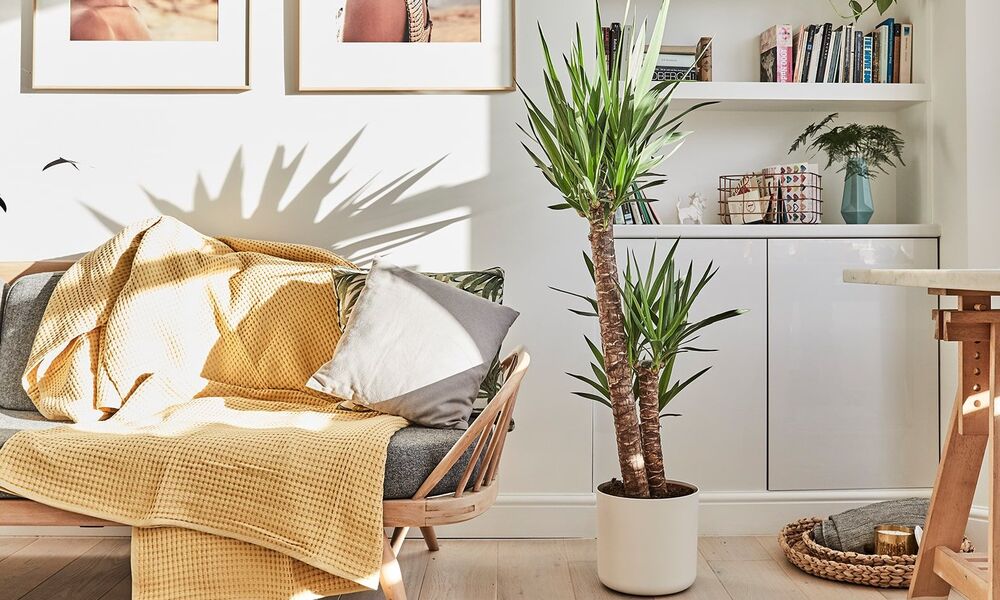
For a more architectural look, the spineless yucca is hard to ignore. Its thick trunk and sharp, sword-like leaves give it a bold shape that almost feels like living sculpture. It suits modern interiors especially well and looks striking in a simple oversized planter. Unlike many tropical plants, it prefers plenty of bright light and does not appreciate constantly wet soil.
13. Schefflera
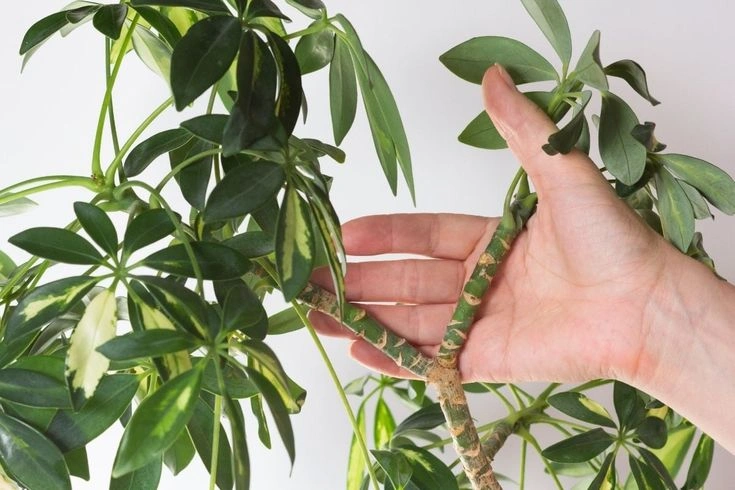
Schefflera, often called the umbrella plant, has clusters of leaves that spread outward like small umbrellas.
Its fuller growth can make an empty corner feel much more complete. With the right light and pruning, it can develop a beautiful tree-like shape indoors.
Use it when you want something leafy and substantial but slightly less dramatic than a bird of paradise.
14. Money Tree

The money tree is another attractive option for adding height and personality to an interior.
Its slender trunk and rounded leaf clusters create a balanced look that works with both modern and relaxed decor. Braided-trunk versions are especially popular as decorative houseplants.
Place it in bright, indirect light and use a well-draining pot so excess water can escape easily.
15. Peace Lily
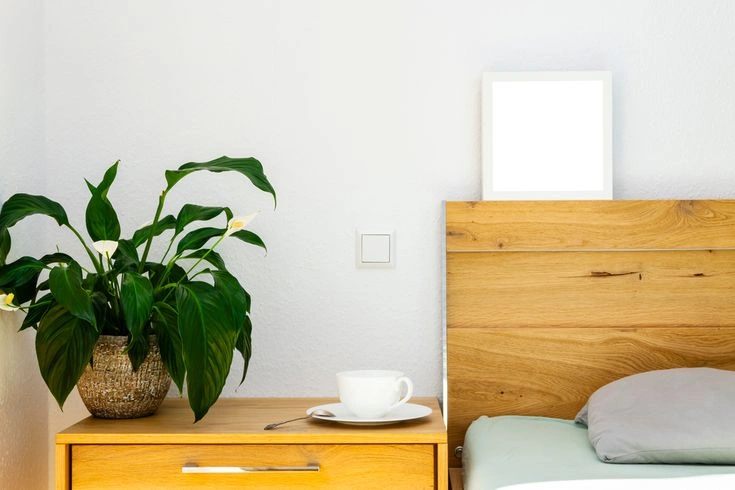
A mature peace lily can bring a surprisingly elegant presence to an indoor space. Its long leaves and white flowers create a softer form of drama.
It works well when you want greenery that feels calm rather than overpowering. Peace lilies prefer indirect light and evenly moist soil, but they should not sit in constantly waterlogged conditions.
Keep in mind that peace lilies are toxic if eaten, so homes with pets or young children should choose their placement carefully.
How to Make Tall Indoor Plants Look More Expensive
The plant is only half of the design.
The right planter can make an ordinary plant feel like a high-end decor piece. Choose a pot that complements your room rather than competing with the foliage. Neutral ceramic, textured stone-look finishes, woven baskets, and simple matte planters are easy choices.
Scale matters too. A tiny plant in a huge room can disappear, while an oversized plant in a narrow walkway can make the space uncomfortable.
Give your plant breathing room. Instead of filling every empty corner with greenery, let one tall plant become the main feature.
Where Should You Put Tall Indoor Plants?
Start with the light rather than the furniture.
A beautiful plant will not look Instagram-worthy for long if it is placed somewhere that does not suit its growing needs. Bright-light plants such as bird of paradise and fiddle leaf fig usually need a brighter position, while options such as snake plants, Kentia palms, and some dracaenas are more flexible.
Living rooms, entryways, bedrooms, home offices, and empty corners can all work. Just make sure the mature plant will not block doors, walkways, windows, or heating and cooling vents.
How to Keep Tall Indoor Plants Looking Healthy
Good styling begins with healthy foliage.
Check the soil before watering instead of following a strict calendar. Different plants dry at different speeds, and indoor conditions change throughout the year.
Dust large leaves gently with a clean, damp cloth when needed. Clean foliage simply looks better and allows the plant to receive light more effectively.
Rotate the pot occasionally if the plant is leaning toward a window. Prune damaged leaves and remove dead growth to keep the overall shape neat.
Most importantly, do not choose a plant only because it looks good in a photo. Choose one that fits your actual light, space, and care routine.
Choosing Plants With Confidence
Good plant advice should be practical, not just attractive. When choosing tall indoor plants, consider three things: the plant’s natural growing requirements, the conditions inside your home, and the amount of care you can realistically provide. Reliable plant-care guidance should explain both the decorative appeal and the growing needs of each plant.
Peeacelily focuses on making plant and home-decor ideas easier to understand, so the goal is not simply to find the most impressive-looking plant. It is to help you choose a plant that can stay healthy and continue looking beautiful in your space.
Frequently Asked Questions
What is the best tall indoor plant for a living room?
Fiddle leaf figs, monsteras, rubber plants, and bird of paradise are excellent living-room choices. The best option depends on the available light and how much space you have.
Which tall indoor plants are easiest to care for?
Snake plants, dracaenas, rubber plants, and some palms are generally easier choices. Even easy-care plants still need suitable light, proper watering, and good drainage.
What tall indoor plants are good for small spaces?
Snake plants, Dracaena marginata, and other narrow-growing varieties are useful because they add height without taking up much floor space.
How do I make a tall plant look more stylish?
Use a planter that matches your interior, give the plant enough room, and place it where its shape is clearly visible. One strong statement plant often looks better than several crowded plants.
How much light do tall indoor plants need?
It depends on the species. Some prefer bright indirect light, while others can handle lower-light conditions. Always check the individual plant’s requirements before choosing its location.
Can tall indoor plants make a room look bigger?
They can make a room feel taller by drawing the eye upward. Slim, upright plants are especially useful for adding vertical interest without visually taking over the floor.