Key Takeaways
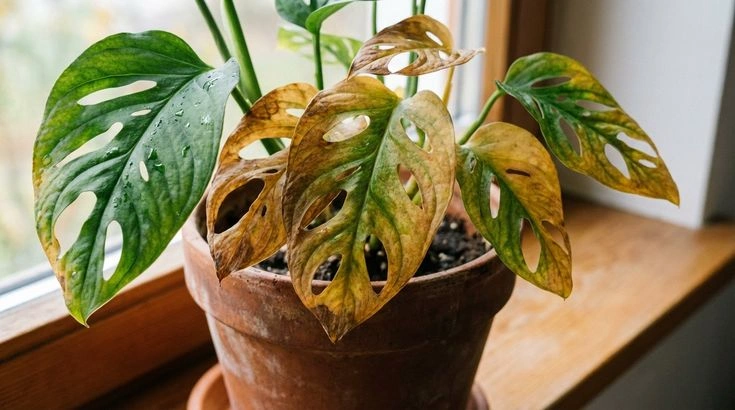
The most important Signs Your Plants Are Underwatered are wilting, dry or crispy leaves, brown edges, curling foliage, leaf drop, slow growth, very dry soil, soil pulling away from the pot, and an unusually light container.
However, symptoms can overlap with overwatering and other problems. Therefore, always check the soil before watering.
Most importantly, do not follow a rigid watering calendar. Learn what your individual plants need and adjust watering according to their soil, environment, season, and growth.
Quick Answer
The most common Signs Your Plants Are Underwatered include wilting, dry or crispy leaves, brown leaf edges, curling leaves, falling leaves, slow growth, dry soil, soil pulling away from the pot, and a noticeably light container.
Before watering, always check the soil below the surface. Wilting can also happen because of overwatering, root problems, heat, or other environmental stress. The Royal Horticultural Society recommends checking moisture in the growing medium rather than watering plants automatically on a fixed schedule.
10 Signs Your Plants Are Underwatered
1. The Leaves Start Wilting
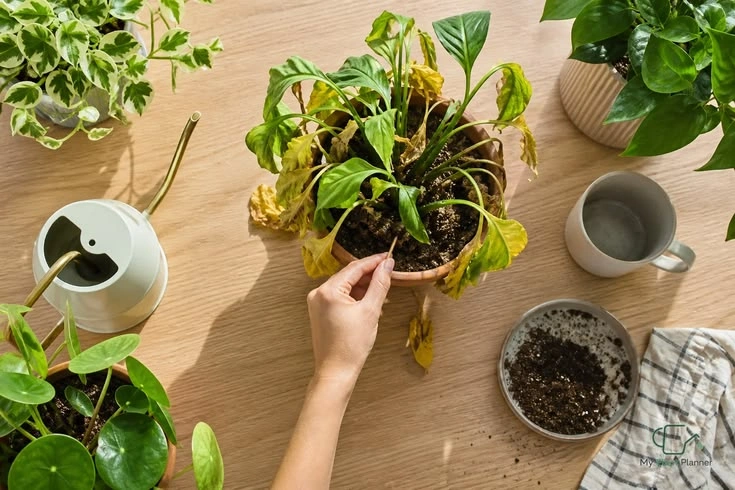
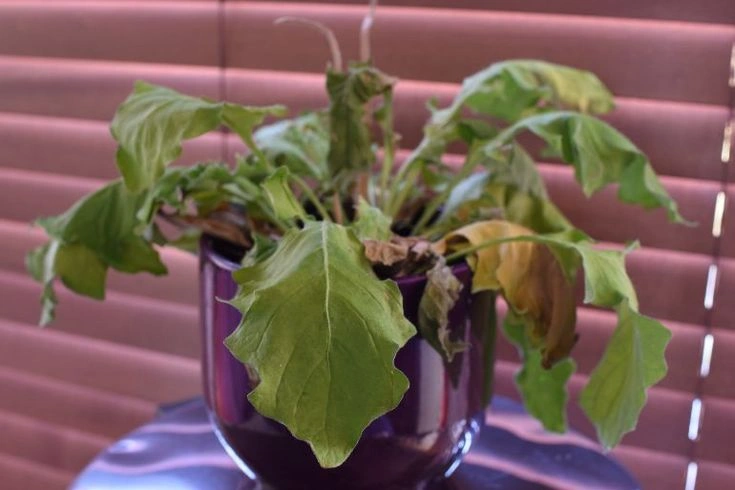
Wilting is usually one of the first and easiest Signs Your Plants Are Underwatered.
Leaves and stems lose their firmness when plant cells do not have enough water. Instead of standing upright, foliage may become limp, soft, or visibly droopy.
However, do not assume every wilted plant needs water. Overwatering can also cause wilting because damaged or waterlogged roots cannot absorb water properly. Always check the soil before reaching for the watering can.
2. Leaves Become Dry and Crispy
Another obvious sign is a change in leaf texture.
Underwatered leaves may feel dry, thin, brittle, or crispy. In serious cases, the damage can spread across much of the leaf.
This happens because prolonged water stress affects normal cell function. Virginia Cooperative Extension lists dry or brittle leaves among the classic symptoms of underwatered container plants.
3. Brown Tips and Edges Appear
Brown leaf tips are another common warning.
If the edges gradually turn brown, dry, and crispy, insufficient moisture may be responsible. Heat, low humidity, excessive light, and salt buildup can also contribute, so look at the complete picture rather than relying on one symptom.
The RHS notes that brown and crispy leaf edges are commonly associated with plants that are not receiving enough water.
4. Leaves Curl or Fold
When water becomes limited, some plants respond by changing the position of their leaves.
Leaves may curl upward, curl downward, fold inward, or become smaller than normal. This can reduce the amount of leaf surface exposed to the surrounding air and slow water loss.
Leaf curling is not proof of underwatering by itself, though. Pests, heat, strong sunlight, and temperature changes can create similar symptoms.
5. Leaves Begin Falling Off
A stressed plant may eventually sacrifice some leaves to conserve its limited resources.
Older leaves, especially those near the bottom of the plant, may yellow, dry out, and fall. The RHS specifically notes that older lower leaves may yellow and drop first when a plant is too dry.
Therefore, if you notice increasing leaf drop together with dry soil and wilting, underwatering becomes much more likely.
6. New Growth Becomes Slow
Healthy plants need water to maintain normal growth and transport nutrients through their tissues.
When water is consistently limited, growth can slow down. New leaves may appear smaller, fewer leaves may develop, and flowering can become weaker.
Water stress can also contribute to poor flowering, undersized fruit, premature leaf drop, and other growth problems.
7. The Potting Soil Feels Completely Dry
Sometimes the most useful clue is not on the plant at all.
Push your finger a few centimetres into the potting mix. If the soil is dry below the surface and the plant is also showing stress symptoms, it may need water.
The surface can sometimes look dry while deeper soil remains moist. For that reason, checking below the surface gives you a better answer than judging by appearance alone.
8. Soil Pulls Away From the Pot
Severely dry potting mix can shrink as it loses moisture.
You may notice a gap developing between the soil and the inside wall of the container. The soil may also become hard and difficult to wet.
This is an important warning because very dry potting mix may not absorb water evenly. In severe cases, water can run around the sides and escape through the drainage holes while the centre of the root ball remains dry.
9. The Pot Feels Unusually Light
A surprisingly simple way to identify Signs Your Plants Are Underwatered is to learn the weight of your pot.
A container filled with moist potting mix is heavier than one containing very dry soil. Once you regularly lift the pot before and after watering, the difference becomes easier to recognize.
Virginia Cooperative Extension also identifies an unusually light container as a common sign of an underwatered houseplant.
10. The Whole Plant Looks Tired and Stressed
Sometimes there is no single dramatic symptom. Instead, several small changes appear together.
The plant may look dull, wilt during the day, develop brown edges, lose leaves, and stop producing healthy new growth. If the soil is also very dry, these combined symptoms strongly suggest water stress.
Warm temperatures, strong sunlight, dry indoor air, and wind can make the situation worse because they increase water loss through transpiration.
How to Tell If Your Plant Is Underwatered or Overwatered
One of the biggest mistakes gardeners make is assuming that wilting always means a plant needs more water.
Both underwatering and overwatering can cause wilting. The difference is often found by examining the soil and the condition of the plant.
| Sign | Underwatered Plant | Overwatered Plant |
|---|---|---|
| Soil | Very dry | Often wet or soggy |
| Leaves | Dry, crispy, or brittle | Often soft or yellow |
| Wilting | Common | Can also occur |
| Leaf edges | Often brown and crispy | May become soft or discolored |
| Pot weight | Very light | Often heavy |
| Roots | Usually dry if severely stressed | May be brown, soft or rotten |
| Soil gap | May pull away from pot | Usually stays wet |
The important point is that wilting alone cannot diagnose underwatering. Waterlogged roots can also fail to absorb water because excess water pushes oxygen out of the soil.
What to Do If Your Plant Is Underwatered
If you confirm that the soil is genuinely dry, water the plant thoroughly rather than giving it only a few drops.
For container plants, apply water slowly to the potting mix and allow excess water to drain through the drainage hole. This helps moisture reach more of the root zone.
If the soil has become extremely dry and water immediately runs down the sides, water slowly in stages. Severely dry potting mix may need time to absorb moisture properly.
For some badly dried container plants, bottom watering can help rehydrate the potting mix more evenly. Virginia Cooperative Extension recommends bottom watering as an effective approach for severely underwatered houseplants.
Remove Severely Damaged Leaves
Do not expect completely brown and crispy leaves to turn green again.
Once tissue has died, it cannot be restored. You can remove badly damaged foliage with clean scissors, while leaving healthy green tissue in place.
The goal is to help the plant focus its resources on recovery and new growth.
How Often Should You Water Plants?
There is no universal watering schedule that works for every plant.
A cactus, peace lily, fern, snake plant, tomato, and young seedling can have very different water requirements. Pot size, soil type, drainage, temperature, humidity, sunlight, season, and plant size also affect how quickly moisture disappears.
Instead of watering every Monday or every three days, check the plant first.
The RHS recommends watering according to plant needs and environmental conditions rather than following a rigid timetable.
How to Prevent Underwatering
Check Soil Regularly
Make soil checks part of your normal plant-care routine.
Feel the growing medium below the surface, observe the leaves, and learn how heavy the pot feels when properly watered.
Consider Light and Temperature
Plants exposed to strong sunlight or high temperatures can lose water faster.
Likewise, warm indoor rooms and dry air can increase transpiration. During hot or dry periods, check plants more frequently rather than automatically increasing every watering session.
Use Containers With Drainage
Good drainage is essential because healthy roots need both moisture and air.
A pot with a drainage hole allows excess water to escape. After watering, allow the container to drain instead of leaving the plant sitting in a tray full of water.
Water the Root Zone
Whenever possible, direct water toward the soil around the roots instead of simply wetting the foliage.
This puts moisture where the plant can use it and can also reduce conditions that encourage some fungal problems.
Common Mistakes When Watering Plants
Watering on a Fixed Schedule
A calendar cannot tell you whether your plant is thirsty.
Weather, indoor temperature, sunlight, plant growth, and soil conditions constantly change. Check the plant before watering.
Giving Only a Small Amount
A few drops may wet the surface without properly hydrating the root zone.
For container plants that genuinely need water, thorough watering is generally more useful than repeatedly giving tiny amounts.
Watering Every Wilted Plant
This is one of the most dangerous mistakes.
If the soil is already saturated, adding more water can make the situation worse. Waterlogged roots can become oxygen-starved and eventually damaged.
Ignoring the Soil
Leaves can tell you that something is wrong, but the soil often tells you why.
Always combine visible symptoms with a moisture check before changing your watering routine.
Underwatered Plants: Quick Recovery Checklist
-
Check the soil below the surface
-
Confirm that the plant is actually dry
-
Check whether the container has drainage
-
Water the root zone thoroughly
-
Allow excess water to drain
-
Remove only severely dead foliage
-
Move the plant away from extreme heat if necessary
-
Monitor the plant over the following days
-
Adjust future watering according to soil moisture and plant needs
Conclusion
Recognizing the Signs Your Plants Are Underwatered early can make the difference between a stressed plant and a healthy recovery. Wilting, crispy leaves, brown edges, falling foliage, and extremely dry soil are all useful clues.
Still, good plant care is not about giving every plant more water. Instead, it is about giving the right amount at the right time and making sure the roots can actually access it.
For more practical plant care guides, visit Peeacelily to explore advice on watering, plant problems, and keeping houseplants healthy. With regular observation and a little patience, you can usually spot water stress before it becomes a serious problem.
Frequently Asked Questions
Can an underwatered plant recover?
Yes, many plants can recover from underwatering if the roots and growing points are still alive.
Recovery depends on how severe and prolonged the water stress was. A mildly wilted plant may recover quickly, while severe dehydration can cause permanent leaf damage or death.
How can I tell if my plant needs water?
Check the soil below the surface rather than relying only on the leaves.
If the soil is dry and the plant is also showing signs such as wilting, crispy leaves, or brown edges, it is more likely to need water.
Can brown leaves become green again?
No. Completely brown and dead leaf tissue cannot return to its original healthy condition.
However, the plant may produce healthy new leaves after its watering and growing conditions improve.
Why is my plant wilting even though the soil is wet?
Wet soil does not always mean healthy roots.
Overwatering and poor drainage can reduce oxygen around the roots, damaging their ability to absorb water. As a result, a waterlogged plant can actually look thirsty.
Is misting enough for an underwatered plant?
Usually, no.
Misting the leaves does not replace properly watering the dry root zone. If the plant needs water, moisture needs to reach the roots. Humidity can still matter for certain tropical plants, but it is not a substitute for appropriate watering.