Key Takeaways
Learning how to tell when your plants need water is mainly about observation.
Dry soil, a lighter pot, drooping leaves, and crispy foliage can all provide clues, but no single symptom tells the whole story. Your plant species and growing conditions should always guide the final decision.
Most importantly, how to tell when your plants need water also means knowing when to stop watering. Wet soil does not need more water simply because the calendar says it is watering day.
Quick Answer
The easiest way to understand how to tell when your plants need water is to check the growing medium below the surface.
Push your finger a few centimetres into the soil or compost. If the moisture level matches what your particular plant prefers and the soil feels dry, it may be time to water. For many common houseplants, checking around 2 to 3 cm below the surface is a useful starting point.
Do not depend on wilting alone. Both underwatering and overwatering can cause a plant to wilt, so how to tell when your plants need water also means checking what is happening around the roots.
Why Plants Do Not Follow a Watering Schedule
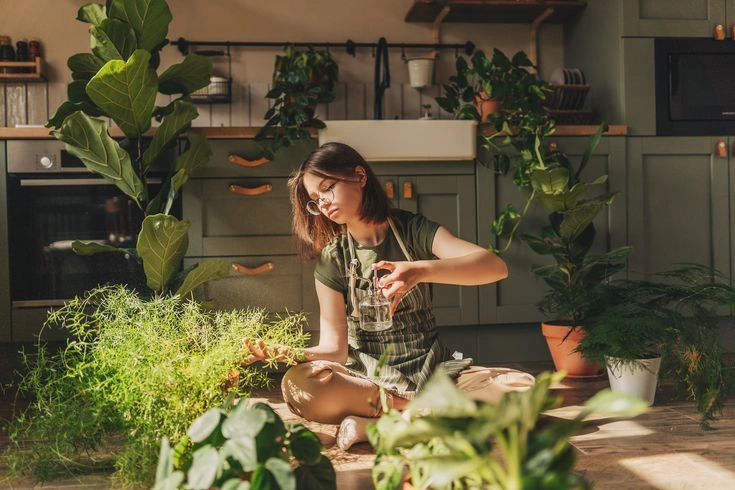
A calendar cannot explain how to tell when your plants need water because plants experience different conditions every day.
A plant beside a bright window may use water faster than the same species in low light. Likewise, warm rooms, dry air, small containers, and active growth can increase water use.
During cooler periods or slower growth, a plant may need considerably less water. University extension guidance also notes that plant water requirements depend on factors such as plant type, soil, weather, location, and growth stage.
7 Signs Your Plant May Need Water
1. The Soil Feels Dry
The most reliable starting point for how to tell when your plants need water is the soil itself.
Touch the growing medium below the surface instead of judging only by its colour. The top layer can look dry while deeper soil is still moist.
To tell when your plants need water, remember that the correct depth depends on the plant. Some species prefer to dry between waterings, while others perform better with more consistent moisture.
2. The Pot Feels Much Lighter
Learning how to tell when your plants need water becomes easier when you pay attention to pot weight.
Lift the container after watering and remember how heavy it feels. As moisture is gradually used or evaporates, the pot will usually become lighter.
This method is particularly useful for indoor container plants. With practice, you can often recognize the difference without touching the soil every time.
3. Leaves Start Drooping
Drooping leaves can help explain how to tell when your plants need water, especially when the soil is also dry.
A thirsty plant may develop limp leaves or stems because its cells are losing water. However, drooping is not a guaranteed sign of thirst.
If the soil is already wet, adding more water could make the problem worse. RHS guidance specifically warns that overwatering can also cause wilting because damaged or waterlogged roots cannot function properly.
4. Leaves Become Brown or Crispy
Brown, dry, or crispy leaf edges can provide another clue about how to tell when your plants need water.
However, dry foliage does not always mean the plant needs more water. Low humidity, excessive heat, salt buildup, strong light, and other environmental problems can create similar symptoms.
Therefore, combine leaf symptoms with a soil check before reaching for the watering can.
5. Soil Pulls Away From the Pot
When potting mix becomes extremely dry, it can shrink and pull away from the sides of the container.
This is another useful clue for how to tell when your plants need water, especially with indoor plants that have been neglected for a while.
If the soil has become very dry, water slowly. Give the growing medium time to absorb moisture instead of pouring a large amount of water onto it at once.
6. Growth Becomes Slow
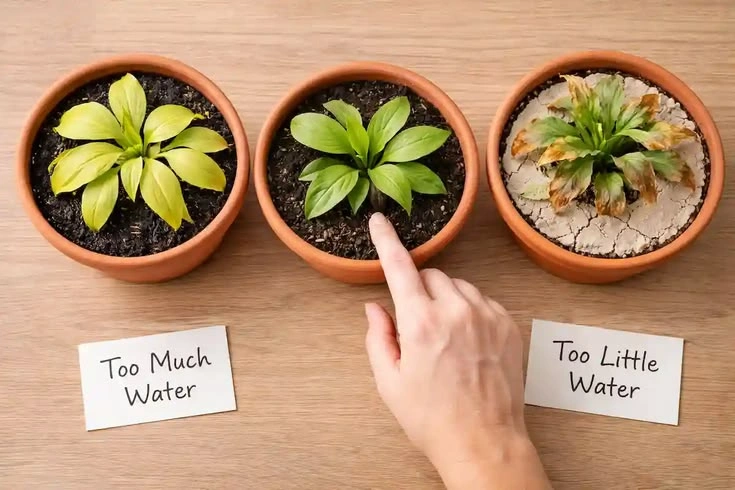
Slow growth can help with how to tell when your plants need water, but it should never be treated as proof by itself.
Insufficient moisture can affect growth, yet low light, unsuitable temperatures, pests, nutrient problems, and natural dormancy can also slow a plant down.
Look at the complete picture before changing your watering routine.
7. The Plant Improves After Watering
If a mildly wilted plant has dry soil and quickly becomes firmer after appropriate watering, that supports the idea that water stress was involved.
Still, the better lesson about how to tell when your plants need water is to notice the soil before the plant reaches severe wilt.
Waiting for dramatic symptoms can put unnecessary stress on some plants.
Underwatering vs Overwatering
Understanding how to tell when your plants need water also means knowing when your plant does not need water.
| Sign | Underwatering | Overwatering |
|---|---|---|
| Soil | Dry below surface | Remains wet |
| Leaves | Limp, dry, crispy | Yellowing or weak |
| Pot | Often unusually light | Often stays heavy |
| Roots | Usually dry | May become damaged |
| Wilting | Common | Can also happen |
| Best response | Check and water if appropriate | Stop watering and check drainage |
Overwatering is especially confusing because it can produce symptoms that look like thirst. Waterlogged soil can reduce oxygen around roots and interfere with water uptake.
That is why how to tell when your plants need water should always begin with checking the growing medium.
How to Check Soil Moisture
Finger Test
For beginners, the finger test is one of the easiest ways of learning how to tell when your plants need water.
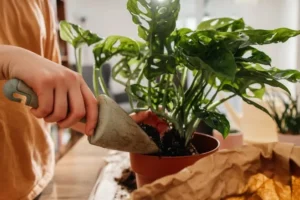
Insert a clean finger into the growing medium and feel the moisture below the surface. Do not make your decision based only on the top layer.
Pot Weight Test
The pot weight method is another simple approach to tell when your plants need water.
Compare the container after watering with how it feels several days later. A large difference can indicate that much of the available moisture has been used.
Moisture Meter
A moisture meter can help when learning how to tell when your plants need water, particularly with large containers.
It is best treated as another clue rather than an absolute answer. Plant species, soil type, and the position of the meter can affect what you observe.
How to Water Properly
Once you understand how to tell when your plants need water, you also need to know how to water correctly.
For many potted plants, water thoroughly enough to moisten the root zone, then allow excess water to escape through the drainage holes.
Good drainage matters because roots need oxygen as well as moisture. Leaving roots in standing water for long periods can create serious problems.
Water the growing medium rather than routinely soaking the foliage. Directing water toward the root zone is generally more effective and can also reduce some foliage disease risks.
When Is the Best Time to Water? 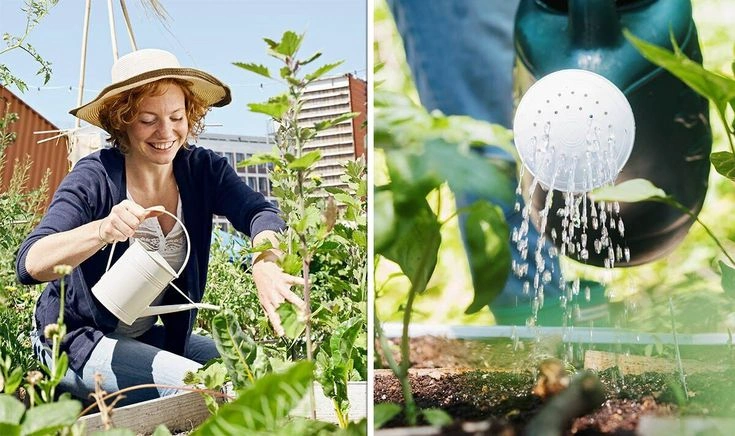
Understanding how to tell when your plants need water is more important than choosing a perfect hour.
For outdoor plants, early morning is generally a good time because evaporation is lower than during the hottest part of the day. The RHS recommends morning watering as a practical way to use water efficiently.
For indoor plants, moisture conditions matter more than a strict clock. If the soil is still appropriately moist, there is usually no reason to water simply because it is morning.
How Often Should You Water?
There is no universal answer to how to tell when your plants need water because watering frequency depends on the plant and its environment.
| Condition | Typical effect |
| Bright light | Soil may dry faster |
| Warm room | Water use may increase |
| Dry air | Moisture can be lost faster |
| Small pot | Often dries faster |
| Large pot | Often stays moist longer |
| Active growth | Water demand may increase |
| Cool season | Water use may decrease |
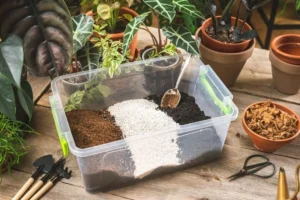
| Sandy mix | Often drains quickly |
| Heavy mix | Can retain moisture longer |
These are general patterns, not strict rules. Always consider the plant’s natural requirements.
Special Plant Situations
Succulents and Cacti
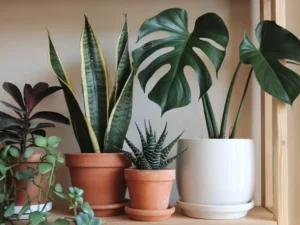
For succulents and cacti, how to tell when your plants need water usually involves allowing the growing medium to dry substantially between waterings.
Their water-storing tissues mean frequent watering can be harmful, particularly when drainage is poor.
Tropical Houseplants
Tropical plants often need more consistent moisture than drought-tolerant species. However, consistent moisture does not mean permanently saturated soil.
Check the growing medium and make sure the container drains properly.
Seedlings
For seedlings, knowing when your plants need water requires more frequent observation because their root systems are small.
Warm temperatures and bright conditions can dry their limited growing medium quickly, so check them regularly.
Outdoor Plants
Rain does not always tell you when your plants need water.
Plants under roofs, balconies, walls, dense tree canopies, or other sheltered areas may receive much less rain than expected. Containers can also dry quickly during warm weather.
Common Watering Mistakes
Watering on the Same Day Every Week
A fixed schedule makes how to tell when your plants need water because conditions constantly change.
Instead, check the soil and adjust your routine.
Watering Only the Surface
A small splash may make the surface wet while leaving the deeper root area dry.
When the plant actually needs thorough watering, apply it slowly enough for moisture to move into the root zone.
Ignoring Drainage
Good drainage is essential to knowing how to tell when your plants need water because soil that remains saturated can damage roots.
Always check that excess water has somewhere to escape.
Treating Every Wilt as Thirst
If you want to know how to tell when your plants need water, never assume that wilt automatically means drought.
Check the soil first. If it is wet, investigate other possible causes.
A Simple Watering Routine
Use these steps whenever you are unsure how to tell when your plants need water:
- Check the plant’s species and normal moisture preference.
- Feel the growing medium below the surface.
- Look at the leaves and stems.
- Consider recent light, heat, humidity, and weather.
- Lift the pot if it is practical.
- Water thoroughly when the plant actually needs it.
- Allow excess water to drain.
- Empty standing water from the saucer.
- Check again later instead of watering automatically.
Expert Tips
The best way to improve how to tell when your plants need water is to observe your plants regularly.
Keep simple notes if you have many plants, but do not turn those notes into a rigid schedule. A plant that needed water every five days last month may need it sooner or later now.
Also watch for environmental changes. Moving a plant into brighter light, turning on indoor heating, changing its container, or entering a cooler season can alter its water requirements.
The University of Minnesota Extension similarly recommends letting the plant and soil guide watering instead of relying on the calendar.
Frequently Asked Questions
How can I tell when my indoor plant needs water?
The simplest approach to telling when your plants need water is to check the growing medium below the surface. If it is dry at the depth appropriate for that plant, water thoroughly and allow excess water to drain.
Is wilting always a sign of underwatering?
No. Wilting can be part of both underwatering and overwatering. Therefore, how to tell when your plants need water starts with checking soil moisture.
Should I water plants every day?
Not as a general rule. Daily watering can be appropriate for certain seedlings or unusual conditions, but many established plants need less frequent watering.
How do I know if I am overwatering?
Persistently wet soil, yellowing leaves, poor growth, and wilting despite moist soil can indicate overwatering. Checking drainage is an important part of how to tell when your plants need water.
Do I need a moisture meter?
No. A finger test and pot-weight test are often enough. A moisture meter can be useful, but how to tell when your plants need water should not depend on a single reading.
What should I do before leaving my plants for a trip?
Before travelling, check each plant individually. Group plants with similar needs and consider suitable self-watering or irrigation methods for longer absences.
Plant Watering Checklist
-
Check the plant species and moisture preference.
-
Feel the soil below the surface.
-
Examine leaves and stems.
-
Consider light and temperature.
-
Check humidity when relevant.
-
Compare the pot’s weight.
-
Water only when appropriate.
-
Water thoroughly when needed.
-
Confirm that drainage works.
-
Empty standing water from saucers.
-
Recheck rather than following a rigid schedule.
Conclusion
The easiest answer to how to tell when your plants need water is simple: check before you pour.
Feel the soil, observe the plant, consider its environment, and then water according to its actual needs. With practice, how to tell when your plants need water becomes a natural part of caring for your plants rather than something you have to guess.
Healthy watering is not about giving plants as much water as possible. It is about giving them the right amount at the right time while keeping their roots supplied with both moisture and oxygen.
For more practical plant care advice, visit peeacelily and explore related guides on soil, light, watering, and healthy plant growth.