Key Takeaways
Aloe vera is a light feeder, so less is usually better than more.
A cactus or succulent fertilizer is a practical choice, while a balanced liquid fertilizer can also work when properly diluted. For most potted aloes, feeding during active growth is more useful than following a rigid year-round schedule.
Most importantly, fertilizer should come after the basics: bright light, fast-draining soil, sensible watering, and good drainage. When those conditions are right, occasional feeding can support healthy growth without overwhelming the plant.
Quick Answer
The best fertilizer for aloe vera is a low-dose cactus or succulent fertilizer, preferably a liquid formula that can be diluted easily.
Aloe vera generally needs only occasional feeding. During active growth, use the fertilizer at about one-half to one-quarter of the label strength, depending on the product and your plant’s condition. Iowa State University Extension specifically recommends this reduced rate for succulents.
For timing, spring and summer are usually the safest periods for feeding. However, aloe’s exact growing season can vary with climate and indoor conditions. Avoid routine fertilizing when the plant is dormant or receiving very little light.
What Is the Best Fertilizer for Aloe Vera?
Aloe vera naturally grows well in relatively poor, fast-draining soil. Consequently, it does not require the same feeding routine as hungry flowering or vegetable plants.
A cactus and succulent fertilizer is a convenient choice because it is designed for plants that need relatively modest amounts of nutrients. A balanced liquid fertilizer can also be suitable when diluted properly. UC Davis recommends light feeding for potted aloes, including balanced liquid fertilizer or slow-release pellets.
The safest approach is to start with a weaker solution rather than assuming more fertilizer will produce faster growth.
What NPK Ratio Is Best?
NPK stands for nitrogen, phosphorus, and potassium. These are the three primary nutrients shown on fertilizer labels.
There is no single NPK ratio that every aloe vera plant requires. A balanced formula can work, while a fertilizer specifically made for cacti and succulents is often the simpler option.
| Fertilizer type | Suitable for aloe? | Best use |
|---|---|---|
| Cactus/succulent fertilizer | Yes | General aloe feeding |
| Balanced liquid fertilizer | Yes | Occasional feeding when diluted |
| Slow-release fertilizer | Yes | Convenient seasonal feeding |
| High-nitrogen fertilizer | Usually avoid | Can encourage overly soft growth |
| Strong concentrated fertilizer | No | Higher risk of root damage |
Most importantly, follow the fertilizer label and reduce the concentration for aloe rather than applying a full-strength feed automatically.
Aloe Vera Fertilizer Ratio: What Should You Use?
When people search for the best aloe vera fertilizer ratio, they often expect one exact number. In reality, the fertilizer’s NPK ratio and the amount you apply are two different things.
For example, a product might show an NPK ratio such as 10-10-10. That does not mean you should automatically apply it at full strength.
For aloe vera, the dilution rate matters greatly. A general succulent guideline is to use a water-soluble fertilizer at roughly one-quarter to one-half of the manufacturer’s recommended strength.
If your aloe is healthy and growing normally, there is little reason to increase the dose. Instead, keep feeding light and occasional.
When to Fertilize Aloe Vera
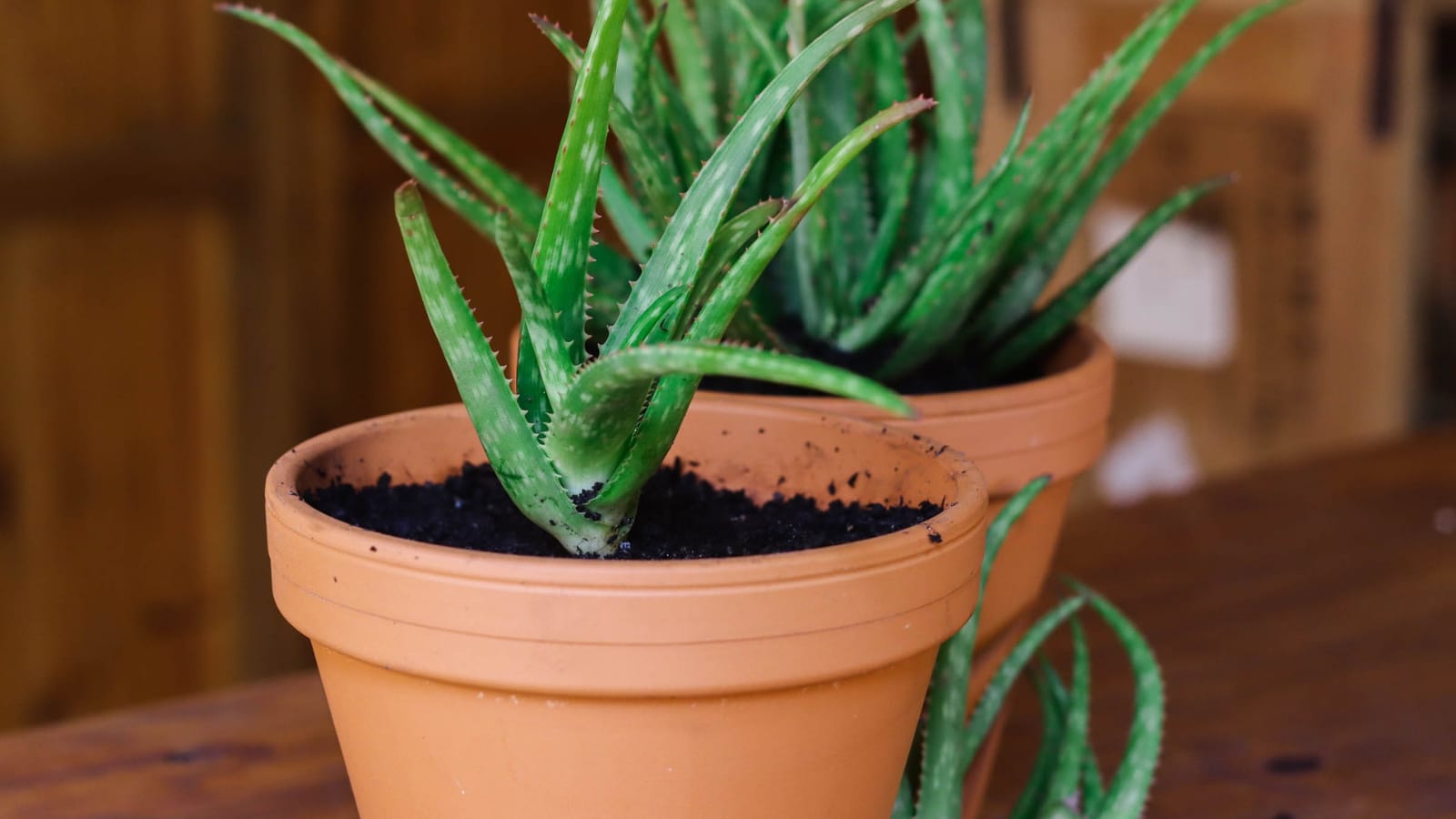
The best time to fertilize aloe vera is during its active growth period.
For many indoor plants, this means spring and summer, although local temperature and light conditions can change the timing. RHS guidance recommends feeding aloe sparingly, while its houseplant guidance identifies the growing season as the main period for fertilization.
In cooler or darker months, growth usually slows. Therefore, routine fertilizer is generally unnecessary.
A Simple Aloe Feeding Schedule
| Season | Fertilizer approach |
| Spring | Begin with a light feeding if the plant is actively growing |
| Summer | Continue occasional light feeding |
| Fall | Reduce or stop as growth slows |
| Winter | Usually do not fertilize |
RHS specifically advises feeding Aloe vera sparingly, with one feeding in spring and another in late summer, using a general liquid fertilizer diluted to half strength. Its broader aloe resource gives a more frequent monthly feeding option during April to September.
Because these recommendations differ, the safest practical rule is to follow the fertilizer label, consider your plant’s growth, and err on the side of less fertilizer.
How to Apply Fertilizer to Aloe Vera
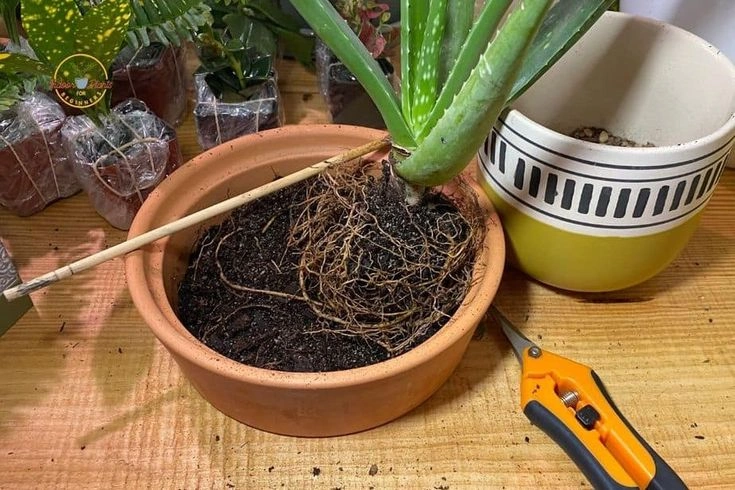
Applying fertilizer correctly is just as important as choosing the right product.
1. Check the Soil First
Do not fertilize an aloe simply because several weeks have passed.
First, check whether the plant is actively growing and whether the potting mix is suitable and well drained. Aloe vera should not be sitting in constantly wet soil because excessive moisture can contribute to root problems.
2. Dilute the Fertilizer
Mix a water-soluble fertilizer according to the reduced strength recommended for succulents.
If the label gives instructions for a full-strength houseplant feeding, using around half or one-quarter strength is generally more appropriate for a succulent such as aloe.
3. Apply It to the Soil
Pour the diluted fertilizer onto the soil around the plant rather than deliberately soaking the leaves.
The goal is to deliver nutrients to the root zone without leaving concentrated fertilizer on the foliage.
4. Never Overfeed
More fertilizer does not necessarily mean larger or healthier leaves.
Excess fertilizer can build up in the growing medium and may damage roots. Therefore, light and occasional applications are preferable to frequent heavy feeding. RHS also warns that overuse of fertilizer can cause problems and recommends using the minimum amount needed.
Should You Fertilize Aloe Vera Before or After Watering?
Avoid applying concentrated fertilizer to completely dry soil.
For potted plants, it is safer to make sure the root zone is not severely dry before applying a diluted feed. RHS advises against applying fertilizer to dry soil because it can burn roots.
A practical routine is to check the soil, water appropriately when it is dry, allow excess water to drain, and then use a properly diluted fertilizer as directed by the product.
Do not leave the pot sitting in water afterward.
Liquid vs Slow-Release Fertilizer for Aloe Vera
Both options can work, but they have different advantages.
| Feature | Liquid fertilizer | Slow-release fertilizer |
| Easy to control dose | Excellent | Moderate |
| Good for beginners | Yes | Yes |
| Nutrients available | Relatively quickly | Gradually |
| Risk of overfeeding | Higher if overconcentrated | Lower when correctly applied |
| Seasonal use | Very convenient | Convenient |
| Best choice for small aloe | Often preferred | Useful alternative |
Liquid fertilizer is particularly useful when you want precise control over how much nutrition your aloe receives.
Slow-release products can also be convenient because nutrients are released gradually. However, you should still follow the product’s specific instructions rather than adding extra fertilizer.
Can You Use Organic Fertilizer for Aloe Vera?
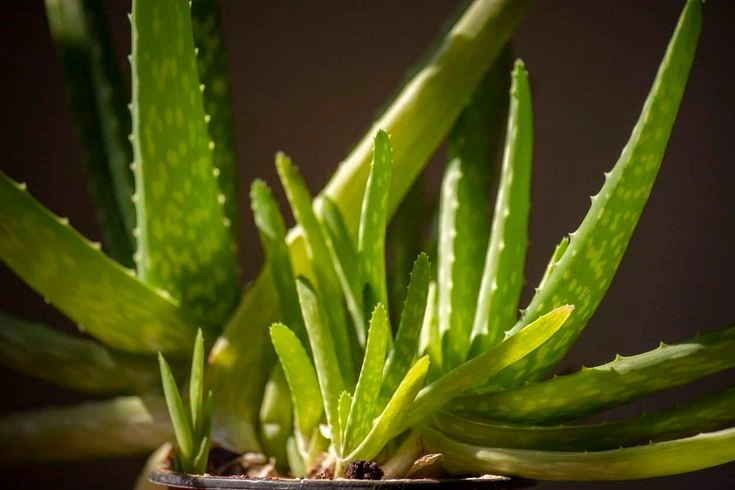
Yes, but organic does not automatically mean risk-free.
Seaweed-based feeds and other organic fertilizers can provide nutrients, but aloe still needs only modest feeding. Using too much organic fertilizer can create the same basic problem as using too much synthetic fertilizer: excessive nutrient availability.
RHS notes that organic and inorganic fertilizers are both concentrated nutrient sources and recommends using fertilizer only when needed.
For indoor aloe, a mild liquid succulent fertilizer is often simpler and easier to measure.
Does Aloe Vera Need Fertilizer Every Month?
Not necessarily.
Some horticultural guidance recommends monthly feeding during the growing season, while other sources recommend only one or two light applications. RHS, for example, recommends feeding aloe vera sparingly, while UC ANR notes that many container-grown succulents need only a light dose once or twice during their growing season.
This difference is important because there is no universal calendar that fits every aloe.
If your plant has fresh growth, good color, strong leaves, suitable light, and healthy roots, frequent fertilizer is usually unnecessary.
Signs You May Be Overfertilizing Aloe Vera
Overfertilization is one of the easiest mistakes to make with a low-feeding succulent.
Watch for:
- Brown or scorched leaf tips
- White fertilizer residue on the soil
- Weak or unusually soft growth
- Sudden changes after feeding
- Damaged roots
- Poor overall plant condition despite adequate water
However, do not assume every brown or yellow leaf means fertilizer burn. Watering problems, poor drainage, insufficient light, pests, and natural aging can produce similar symptoms.
Therefore, look at the entire growing environment before adding more fertilizer.
Common Aloe Vera Fertilizer Mistakes
Using Too Much Fertilizer
Aloe vera does not need heavy feeding. Consequently, increasing the dose can do more harm than good.
Fertilizing Dry Soil
Concentrated fertilizer around dry roots can increase the risk of root injury. Always dilute the product and follow appropriate watering practices.
Feeding During Dormancy
When growth has slowed because of low light or cooler conditions, fertilizer is less useful. Avoid routine winter feeding unless your plant is clearly still growing under suitable conditions.
Choosing a High-Nitrogen Feed
Nitrogen supports leafy growth, but excessive feeding can push soft growth. For aloe, there is little benefit in chasing rapid growth with strong fertilizer.
Ignoring Drainage
Fertilizer cannot fix poor soil.
Aloe vera needs a fast-draining growing medium and a pot with drainage holes. Pennsylvania State University and the University of Florida both emphasize good drainage and careful watering for aloes.
Fertilizer Is Only One Part of Healthy Aloe Care
Even the right fertilizer will not rescue an aloe that is constantly overwatered or kept in poor light.
Aloe vera does best with bright light and fast-draining soil. When watering, allow the soil to dry between waterings and make sure excess water can escape from the pot.
If your aloe looks weak, check light, soil, drainage, watering, roots, and pests before assuming it needs fertilizer.
This is particularly important because nutrient deficiency and poor growing conditions can sometimes look similar.
Aloe Vera Fertilizer Checklist
-
Choose a cactus, succulent, or mild balanced fertilizer.
-
Check the fertilizer’s NPK numbers and instructions.
-
Dilute liquid fertilizer rather than using a strong concentration.
-
Feed only when the aloe is actively growing.
-
Start with a light application.
-
Keep fertilizer away from concentrated contact with leaves.
-
Never leave the pot sitting in water.
-
Use fast-draining soil.
-
Reduce or stop feeding during dormancy.
-
Watch the plant after feeding before applying more.
Frequently Asked Questions
What is the best fertilizer for aloe vera?
A mild cactus or succulent fertilizer is a good choice. A balanced liquid fertilizer can also work when diluted to a reduced strength.
What is the best aloe vera fertilizer ratio?
There is no single required NPK ratio for every aloe vera plant. A balanced fertilizer can work, but the application rate is especially important. For succulents, extension guidance commonly recommends using water-soluble fertilizer at about one-quarter to one-half of the label rate.
When should I fertilize aloe vera?
Spring and summer are generally the best times when the plant is actively growing. Stop or reduce feeding when growth slows significantly.
Can I use regular houseplant fertilizer on aloe vera?
Yes, provided the product is suitable for the plant and is diluted appropriately. A succulent-specific fertilizer can make dosing easier.
Can I use coffee grounds as fertilizer for aloe vera?
It is better not to rely on coffee grounds as a primary fertilizer. Aloe needs controlled, modest nutrition and excellent drainage, so a properly formulated succulent fertilizer is a more predictable option.
Should I fertilize a newly repotted aloe vera?
Usually, there is no need to rush. Fresh potting mix may already contain nutrients, and the plant can need time to settle after repotting. Wait until the plant has recovered and is actively growing before considering a light feeding.
Why is my aloe vera growing slowly?
Slow growth can be normal for aloe. However, check light, soil drainage, watering, temperature, root health, and pests before assuming fertilizer is the problem.
Conclusion
The best fertilizer for aloe vera is not necessarily the strongest one. A mild cactus or succulent fertilizer, applied at a reduced strength during active growth, is a simple and reliable approach for most home-grown aloe plants.
Start with a small amount, observe how your plant responds, and avoid unnecessary feeding. Additionally, remember that healthy aloe depends more on proper light, dry periods between watering, and excellent drainage than on frequent fertilizer.
For gardeners in warm climates, including indoor and outdoor conditions can vary considerably. Therefore, use the plant itself as a guide: if it is actively growing in good light, occasional feeding can help; if growth has slowed, hold the fertilizer and focus on its growing conditions instead.