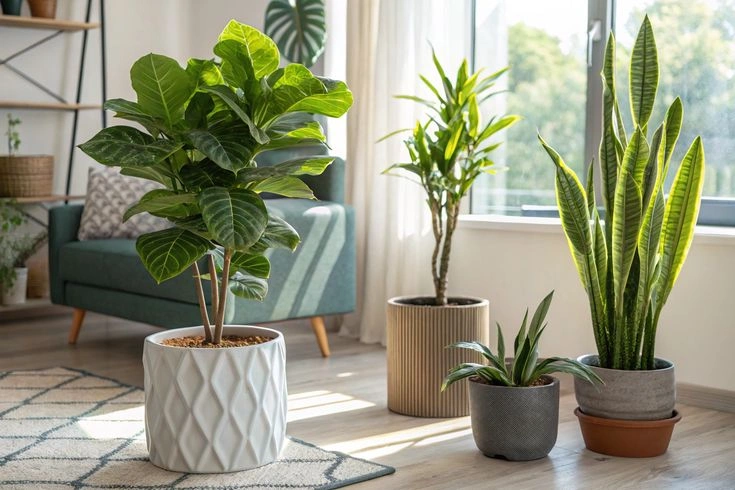
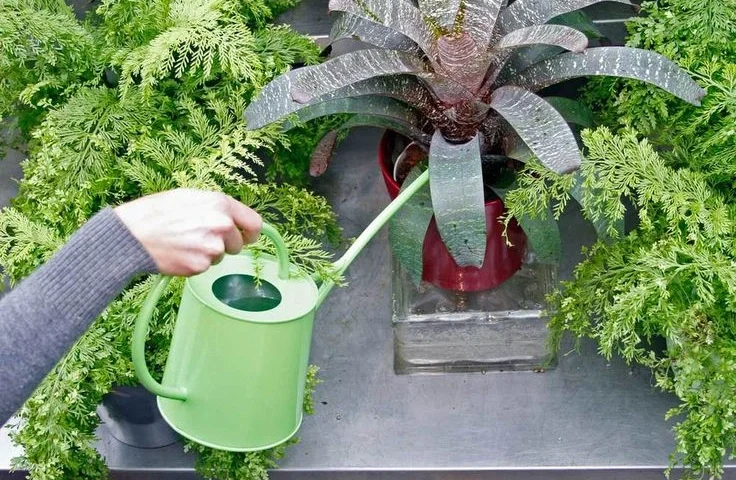
Key Takeaways
- How Often to Fertilize Indoor Plants by Season: Fertilize most indoor plants mainly during active growth.
- Spring and summer are usually the main feeding seasons.
- Reduce fertilizer as growth slows in fall.
- Most houseplants need little or no fertilizer during winter.
- Always consider light and actual plant growth.
- Follow the fertilizer label rather than guessing the dose.
- Diluted feeding is often safer than heavy applications.
- Avoid fertilizing plants that are severely stressed or dormant.
- Watch for salt buildup and signs of overfertilization.
- Remember that every plant can have slightly different nutritional needs.
Quick Answer
Most indoor plants should be fertilized during their active growing period, usually from spring through summer and sometimes into early fall. A diluted liquid fertilizer may be used every 2 to 4 weeks, depending on the product and plant.
During winter, most houseplants need little or no fertilizer because reduced light and cooler conditions slow growth. If a plant continues producing strong new growth indoors, a much lighter feeding schedule may be appropriate.
Always follow the fertilizer label. Some slow-release products are designed to work for several months, while liquid fertilizers may need to be applied every few weeks.
Indoor Plant Fertilizer Schedule by Season
| Season | Typical Growth | Fertilizing Frequency | Main Goal |
|---|---|---|---|
| Spring | Increasing | Every 2–4 weeks | Support new growth |
| Summer | Active | Every 2–4 weeks | Maintain steady growth |
| Fall | Slowing | Reduce gradually | Prepare for lower growth |
| Winter | Slow or dormant | Usually none | Avoid unnecessary buildup |
This is a general guide rather than a strict rule. Indoor conditions can change the schedule considerably.
For example, a pothos sitting beside a bright window may continue growing in winter, while a plant in a darker room may almost stop. Therefore, watch the plant instead of fertilizing simply because the calendar says it is time.
How Often to Fertilize Indoor Plants in Spring
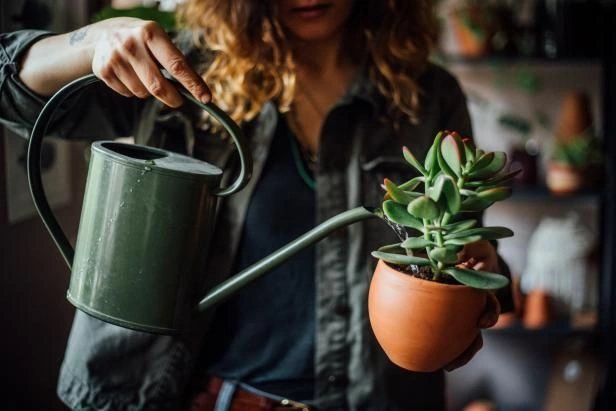
Spring is usually the best time to restart your indoor plant fertilizer schedule.
As daylight increases, many houseplants begin producing fresh leaves, stems, and roots. Consequently, their demand for nutrients also increases.
Start When New Growth Appears
Rather than applying fertilizer on the first day of spring, look for signs of active growth.
New leaves, expanding stems, or increased growth are useful signals that the plant is becoming active again. Once growth is established, you can begin regular feeding.
A diluted liquid fertilizer every 2 to 4 weeks is a reasonable starting point for many actively growing houseplants. However, some products have completely different instructions, so check the label first. Iowa State University Extension notes that fertilizer products can range from applications every two weeks to once every three or four months.
Why Spring Feeding Matters
Fresh growth requires nutrients, especially nitrogen, phosphorus, and potassium.
Nitrogen supports leafy growth, phosphorus plays important roles in plant development and energy processes, and potassium supports several plant functions. Still, adding more fertilizer does not automatically produce a healthier plant.
Instead, consistent and moderate feeding is generally safer than heavy applications.
How Often to Fertilize Indoor Plants in Summer
Summer is often the period when houseplants grow most actively, particularly when they receive enough light, water, and suitable temperatures.
For many plants, feeding every 2 to 4 weeks with a diluted liquid fertilizer can work well. However, follow the instructions for your specific product because fertilizer concentrations vary.
Adjust Feeding to Growth
A fast-growing monstera, pothos, or philodendron may use nutrients more quickly than a slow-growing plant.
Similarly, plants receiving bright light generally have more energy available for growth than plants kept in very low light.
NC State Extension recommends regular fertilization when houseplants have suitable light, water, temperature, humidity, and active growth. It also notes that many indoor gardeners have good results using diluted fertilizer during spring and summer.
Therefore, do not increase fertilizer simply because the weather outside is hot. The plant’s indoor environment matters more.
Do Not Fertilize Dry or Stressed Plants
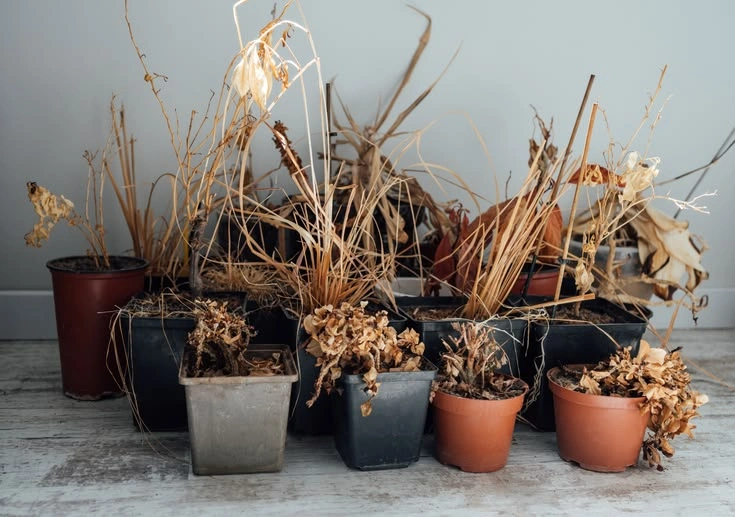
Fertilizer should not be used as an emergency treatment for a severely wilted, diseased, or badly stressed plant.
First, identify the problem.
If the soil is extremely dry, water appropriately and allow the plant to recover. If roots are damaged, adding fertilizer may create additional stress.
A healthy plant that is actively growing is much more likely to benefit from feeding.
How Often to Fertilize Houseplants in Fall
Fall is a transition period.
As daylight decreases, many houseplants naturally slow their growth. Therefore, continuing the exact summer feeding routine may provide more nutrients than the plant can use.
Gradually Reduce Feeding
If you have been fertilizing every two weeks during summer, you can begin spacing applications farther apart as growth slows.
For example:
| Plant Condition in Fall | Suggested Approach |
| Strong new growth | Continue light feeding |
| Growth slowing | Increase time between applications |
| Little new growth | Stop regular feeding |
| Dormant or stressed | Do not fertilize |
There is no universal date when every houseplant should receive its final feeding. Instead, use changes in growth and indoor conditions as your guide.
University of New Hampshire Extension explains that most houseplants enter a rest period as light and temperatures decrease and recommends fertilizing during active growth rather than during dormancy.
Should You Fertilize Indoor Plants in Winter?
For most houseplants, winter fertilizer is usually unnecessary.
Lower light and shorter days often slow photosynthesis and growth. As a result, the plant may not use additional nutrients as efficiently as it does during spring and summer.
Iowa State University Extension specifically recommends avoiding fertilizer during the winter rest period for most houseplants.
When Winter Feeding May Be Different
Indoor conditions are not identical in every home.
A plant kept under strong grow lights in a warm environment may continue producing new leaves throughout winter. In that situation, completely stopping fertilizer may not always be necessary.
Instead, consider the plant’s actual growth.
If it is actively growing and receiving sufficient light, a reduced feeding rate may be reasonable. If growth has stopped, skip the fertilizer.
This is particularly important for tropical plants grown in consistently warm, bright indoor conditions.
What Is the Best Fertilizer for Indoor Plants?
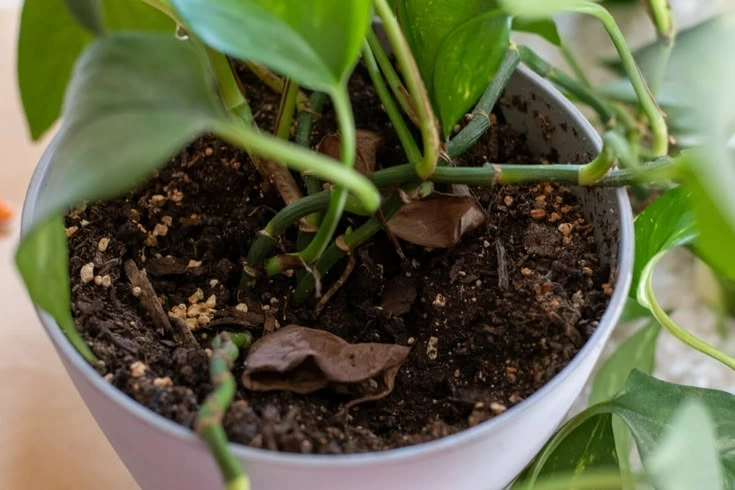
There is no single fertilizer that is perfect for every houseplant.
For many foliage plants, a balanced or complete houseplant fertilizer can be a practical choice. University of Connecticut Extension notes that a balanced fertilizer can work for many common houseplants, while specific plants may have different nutritional preferences.
Liquid Fertilizer
Liquid fertilizers are convenient because they can be diluted and applied during watering.
They are useful when you want greater control over how much fertilizer your plants receive. However, frequent applications should still follow the product instructions.
Slow-Release Fertilizer
Slow-release fertilizers provide nutrients gradually over a longer period.
They can be convenient for people who do not want to remember frequent liquid applications. Some slow-release products can remain effective for several months, depending on the formulation.
Organic Fertilizers
Organic fertilizers can also be used for indoor plants.
However, nutrient concentrations and release rates vary significantly. Therefore, do not assume that an organic fertilizer is automatically safer to use in large amounts.
The same basic rule applies: follow the label and avoid overfeeding.
How Much Fertilizer Should You Use?
More fertilizer does not mean faster or healthier growth.
In fact, excessive fertilizer can lead to soluble salt buildup in the growing medium. This can damage roots and contribute to brown leaf edges, poor growth, or other symptoms.
Iowa State University Extension recommends using general-purpose fertilizers at half or quarter strength for many houseplants because indoor plants often grow more slowly than outdoor plants.
However, this does not mean you should automatically ignore your fertilizer label. If a product is specifically formulated for houseplants, use it according to its directions.
Signs Your Indoor Plant May Need Fertilizer
Fertilizer deficiency can sometimes show through poor or pale growth, but these symptoms are not proof that fertilizer is the problem.
Before feeding, check other basic factors such as light, watering, pests, root health, and the condition of the potting mix.
Possible signs include:
- Pale or weak new growth
- Slow growth during the active season
- Small new leaves
- Overall lack of vigor
- Potting mix that has been used for a long time
Still, yellow leaves can also result from overwatering, poor drainage, insufficient light, pests, or natural aging.
Therefore, avoid treating every yellow leaf with fertilizer.
Signs You Are Overfertilizing
Overfertilization is one of the most common problems with an aggressive feeding routine.
Watch for:
- Brown or scorched leaf edges
- White crust or residue on the soil
- Weak or damaged roots
- Sudden decline after fertilizing
- Stunted growth
- Excessive, soft growth
Fertilizer salts can accumulate in containers over time. University of New Hampshire Extension recommends periodically flushing the growing medium with plenty of water to help remove accumulated soluble salts.
If you flush a pot, make sure it has proper drainage and allow excess water to drain completely.
Fertilizer Schedule for Common Indoor Plants
Different plants have different needs, so use this table as a general starting point rather than a fixed prescription.
| Indoor Plant Type | Spring & Summer | Fall | Winter |
| Pothos | Every 2–4 weeks | Reduce | Usually none |
| Philodendron | Every 2–4 weeks | Reduce | Usually none |
| Monstera | Every 2–4 weeks | Reduce | Usually none |
| Spider plant | Every 2–4 weeks | Reduce | Usually none |
| Peace lily | Every 3–4 weeks | Reduce | Usually none |
| Succulents | Light feeding | Little or none | Usually none |
| Cacti | Light feeding during growth | Reduce | Usually none |
These ranges are intentionally broad because plant variety, fertilizer strength, light, potting mix, and growing conditions can change the ideal schedule.
How to Create an Indoor Plant Fertilizer Schedule
A simple schedule can prevent both neglect and overfeeding.
Step 1: Identify the Plant
Find out whether your plant is a foliage plant, flowering plant, succulent, cactus, fern, orchid, or another type.
Its nutritional needs may differ.
Step 2: Check Its Growth
Look for fresh leaves, stems, roots, or other obvious signs of active growth.
If the plant is not growing, fertilizer may not be useful.
Step 3: Check Your Fertilizer
Read the NPK numbers and application instructions.
Do not assume that two fertilizers with similar names require the same amount.
Step 4: Start Conservatively
When uncertain, avoid aggressive feeding.
A moderate approach is easier to adjust than trying to correct fertilizer damage later.
Step 5: Track Your Applications
Write down the date you fertilized each plant.
This simple habit can prevent accidental applications that are too close together, especially when using several different products.
Common Fertilizing Mistakes to Avoid
Fertilizing Every Time You Water
Some fertilizers are designed for frequent diluted applications, but others are not.
Therefore, never assume that every watering should contain fertilizer.
Feeding a Dormant Plant
If a houseplant has stopped growing because of low winter light, regular fertilizer may simply accumulate in the potting mix.
Using Extra Fertilizer for Faster Growth
More nutrients do not compensate for inadequate light, poor watering, or damaged roots.
Fix the growing conditions first.
Ignoring the Fertilizer Label
Concentrations differ between products. Always follow the manufacturer’s instructions.
Fertilizing a Severely Stressed Plant
A plant struggling with root rot, pests, dehydration, or sudden environmental changes needs the underlying problem addressed first.
A Simple Year-Round Houseplant Feeding Checklist
Before fertilizing, ask:
- Is my plant actively growing?
- Is it receiving enough light?
- Has it been watered appropriately?
- Is the pot draining properly?
- When did I last fertilize?
- What does the fertilizer label recommend?
- Does this plant have special nutritional needs?
- Are there signs of salt buildup?
- Could another problem explain the symptoms?
If several answers raise concerns, hold off on fertilizer until you identify the cause.
Frequently Asked Questions
How often should I fertilize indoor plants?
Many actively growing houseplants can be fertilized every 2 to 4 weeks with a properly diluted product, but the exact frequency depends on the fertilizer and plant. Some products are intended for much less frequent use.
Should I fertilize houseplants in winter?
Usually, no. Most houseplants grow more slowly during winter because of reduced light, so regular fertilizer is generally unnecessary. Plants that continue strong growth under warm, bright indoor conditions may be an exception.
When should I start fertilizing plants in spring?
Start when you see consistent new growth and the plant has suitable light and growing conditions. For many houseplants, this occurs around early spring.
Can I fertilize indoor plants every week?
Some fertilizer products are specifically designed for frequent, highly diluted feeding. However, weekly feeding is not automatically appropriate for every plant or product. Follow the label and consider the plant’s growth rate.
What happens if I use too much fertilizer?
Excess fertilizer can increase salt concentration in the potting mix and damage roots. It may also cause leaf-edge browning and poor growth.
Is fertilizer necessary for indoor plants?
Indoor plants can survive without frequent fertilizer, but nutrients eventually become limited in many container mixes. Regular, appropriate feeding during active growth can support healthy new growth.
Conclusion
Knowing how often to fertilize indoor plants by season is less about following a rigid calendar and more about understanding when your plants are actually growing.
Spring is usually the time to restart feeding, while summer is often the period for regular nutrition. As fall arrives, gradually reduce applications, and during winter, most houseplants can take a break from fertilizer.
At Peeacelily, the goal should be simple plant care that works in real homes. Give your plants suitable light, water them according to their needs, and use fertilizer as a supplement rather than a cure-all. With that approach, your indoor plant fertilizer schedule becomes easier, safer, and much more effective.