Key Takeaways
- Why Beautiful Spaces Improve Productivity: Beautiful spaces can improve focus, motivation, and comfort.
- Productivity depends on combining design with functionality.
- Good lighting, organization, and furniture are essential.
- Personal touches can make a workspace more inspiring.
- Small changes can create meaningful improvements.
- The best productive space is one that matches your personal needs.
Quick Answer
Beautiful spaces improve productivity because they create a positive environment that supports focus, motivation, creativity, and comfort. A well-designed space can reduce mental distractions, improve mood, and help people complete tasks more efficiently.
Why Do Beautiful Spaces Improve Productivity?
The place where we work or study plays an important role in our daily performance. When a space feels comfortable and organized, the mind can focus better on important tasks.
A cluttered or uncomfortable environment often creates unnecessary distractions. On the other hand, a carefully designed space helps create a sense of calm and control.
For example, a desk with proper lighting, organized supplies, and a comfortable chair can make long working sessions easier. Similarly, a study area with fewer distractions can help students concentrate for longer periods.
Beautiful spaces work because they combine appearance with function. The goal is not simply to make a room attractive but to create an environment that supports the activities performed there.
The Connection Between Environment and Work Performance
Our surroundings constantly send signals to our brain. Colors, lighting, organization, and furniture arrangement can influence our emotions and behavior.
A bright and welcoming room may encourage energy and creativity, while a dark or messy area may make people feel tired or distracted.
A productive environment usually includes:
| Design Element | How It Helps Productivity |
|---|---|
| Natural lighting | Helps create a comfortable atmosphere |
| Organized layout | Reduces distractions |
| Comfortable furniture | Supports longer work sessions |
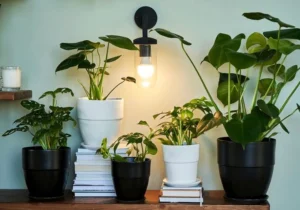
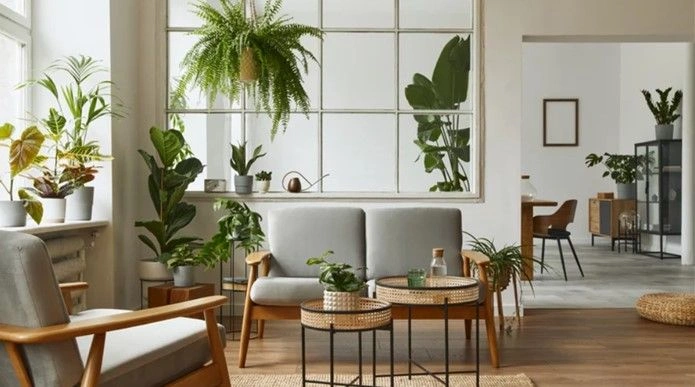
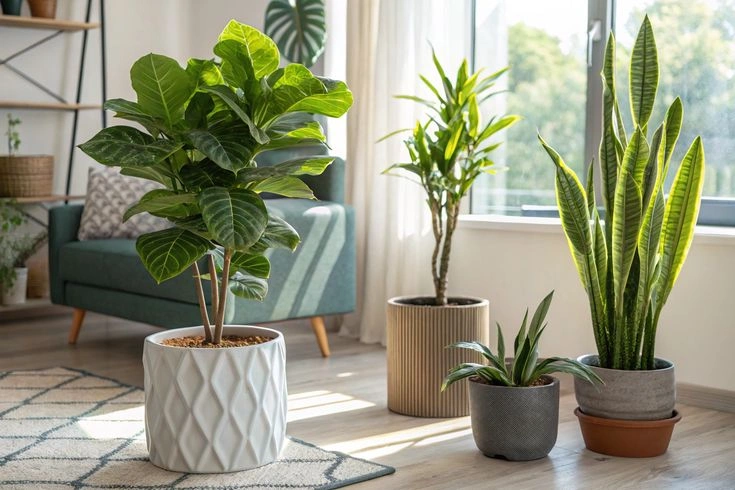
| Plants and natural elements | Makes the space feel refreshing |
| Personal touches | Creates emotional connection |
When people feel comfortable in their environment, they are more likely to stay focused and complete their goals.
How Beauty and Function Work Together
A common misunderstanding is that a beautiful space is only about expensive furniture or luxury decoration. In reality, productivity comes from combining beauty with practical design.
A productive space should answer simple questions:
- Is everything needed easily available?
- Does the space feel comfortable?
- Does it encourage focus?
- Does it match the person’s working style?
For instance, a minimalist desk setup with only essential items may help someone who prefers a clean environment. Meanwhile, a creative person may work better in a space with artwork, books, and inspiring objects.
The best design is personal because different people need different environments.
Benefits of Beautiful Spaces for Productivity
1. Improves Focus and Concentration
A well-designed space helps remove unnecessary distractions. When everything has its place, the brain spends less energy managing disorder.
An organized environment allows people to focus on important tasks instead of constantly searching for items or dealing with visual distractions.
For students, professionals, and remote workers, a focused workspace can make daily responsibilities easier to manage.
2. Boosts Motivation
A pleasant environment can make people feel more excited about starting their work.
A workspace that feels inspiring creates a positive emotional connection. Simple improvements like adding artwork, adjusting lighting, or arranging furniture differently can make a big difference.
When people enjoy spending time in their workspace, they often feel more motivated to complete their tasks.
3. Encourages Creativity
Creative thinking often improves in environments that feel comfortable and inspiring.
Writers, designers, developers, and artists can benefit from spaces that encourage imagination. A few personal items, natural elements, or meaningful decorations can help create an atmosphere where new ideas develop.
However, creativity does not require a complicated setup. Even small changes can make a space feel more inspiring.
4. Reduces Stress
A disorganized environment can create feelings of pressure and discomfort. In contrast, a clean and attractive space can create a calmer atmosphere.
When a room feels peaceful, people may find it easier to manage responsibilities and maintain a positive mindset.
A productive space should support both performance and mental comfort.
5. Creates Better Work Habits
The design of a space can influence daily routines.
For example:
- A dedicated work area encourages a professional mindset.
- An organized desk makes starting tasks easier.
- Proper storage reduces unnecessary interruptions.
Over time, these small environmental improvements can help build stronger habits.
Important Design Elements That Improve Productivity
Lighting
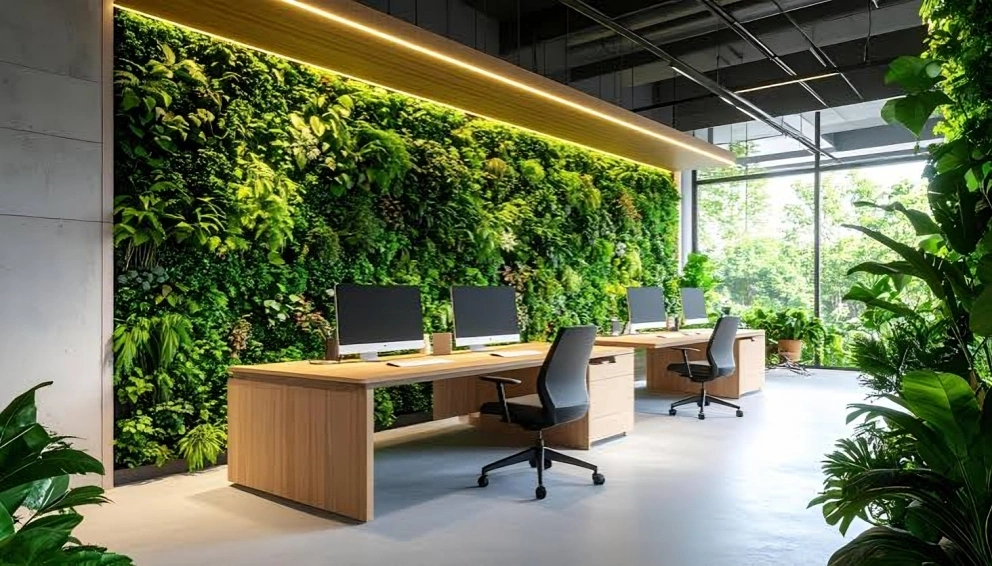
Lighting is one of the most important parts of any productive space.
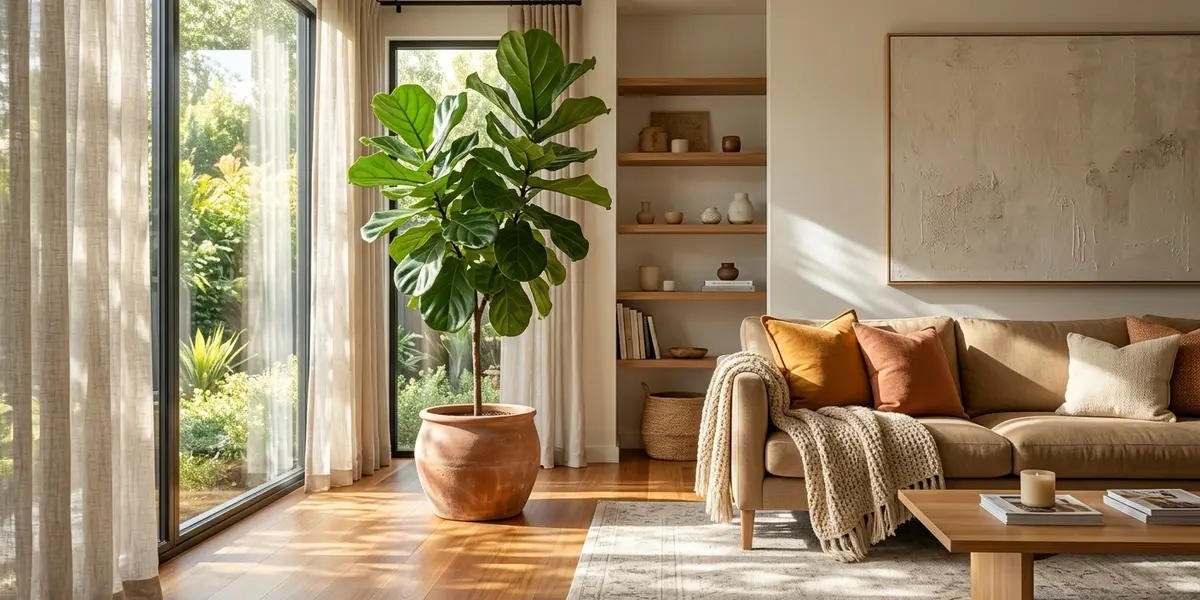
Natural light can make a room feel more open and comfortable. When natural lighting is limited, choosing suitable artificial lighting can improve the overall atmosphere.
A workspace should avoid extremely dark areas because poor lighting can make tasks feel more difficult.
Colors
Colors influence how a space feels. Soft and balanced colors often create a comfortable environment, while brighter colors can add energy.
The best choice depends on the purpose of the room.
For example:
| Space Type | Suitable Color Approach |
|---|---|
| Study area | Calm and balanced tones |
| Creative room | More inspiring colors |
| Office space | Professional and comfortable shades |
The goal is to create a feeling that matches the activity.
Furniture and Comfort
Comfort directly affects productivity. An uncomfortable chair or poorly arranged desk can make it harder to stay focused.
Good furniture should support proper posture and allow enough space to work comfortably.
A beautiful chair that causes discomfort is not a productive choice. Function should always come before appearance.
Organization
A clean environment makes tasks easier.
Simple organization ideas include:
- Keeping only necessary items on the desk
- Using storage solutions
- Managing cables properly
- Creating specific places for important tools
An organized room does not need to look empty. It simply needs to feel manageable.
Personal Touches
Personal items can make a workspace feel more connected and enjoyable.
Examples include:
- Family photos
- Favorite books
- Artwork
- Plants
- Meaningful objects
These details can make a space feel welcoming while maintaining productivity.
Beautiful Spaces vs Ordinary Spaces: What Makes the Difference?
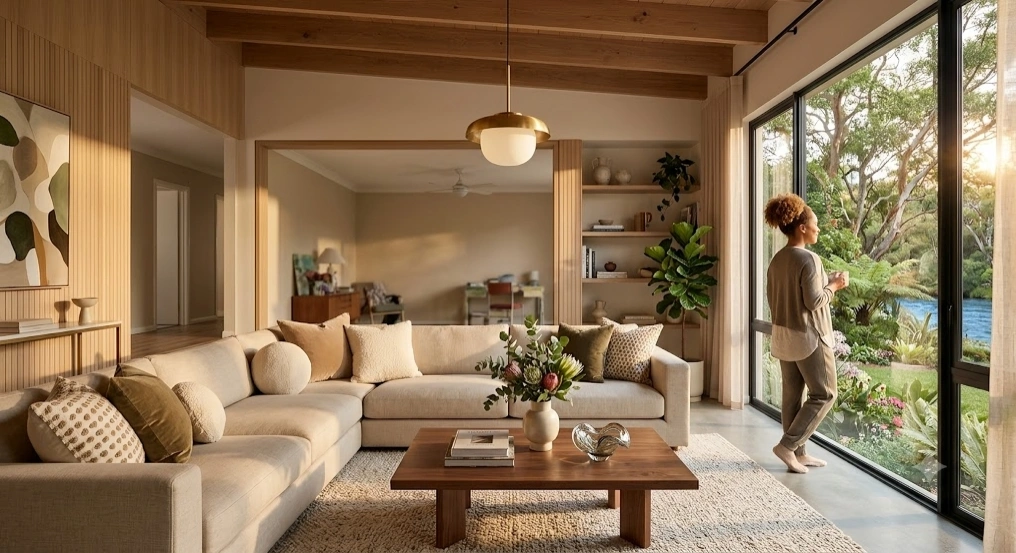
A beautiful productive space is not defined by expensive furniture or luxury decoration. The biggest difference comes from how well the environment supports the person using it.
An ordinary space may have all the necessary items, but it might lack organization, comfort, or personality. A beautiful space combines practical design with elements that make people feel comfortable and motivated.
| Feature | Ordinary Space | Beautiful Productive Space |
|---|---|---|
| Organization | Items may be scattered | Everything has a proper place |
| Lighting | Basic or uncomfortable | Balanced and suitable lighting |
| Furniture | Chosen only for appearance or price | Comfortable and functional |
| Decoration | Random items | Meaningful and inspiring elements |
| Atmosphere | May feel dull | Creates positive energy |
The purpose is not to create a perfect-looking room. Instead, the aim is to create a space where people can perform their best.
Examples of Beautiful Spaces That Improve Productivity
Different people need different environments depending on their work style and goals.
Home Office
A home office should create a clear separation between work and relaxation. A comfortable chair, organized desk, good lighting, and limited distractions can help remote workers maintain focus.
Adding simple elements like plants, artwork, or shelves can make the area more enjoyable without making it crowded.
Study Area
Students often spend many hours studying, so their environment can strongly affect learning.
A productive study area usually includes:
- A comfortable desk
- Proper lighting
- Minimal distractions
- Organized books and supplies
- A quiet atmosphere
A welcoming study space can make learning feel less stressful and more enjoyable.
Creative Workspace
Creative professionals often benefit from spaces that encourage imagination.
A creative workspace may include:
- Inspiration boards
- Books
- Artwork
- Flexible furniture
- Personal collections
However, too many items can become distracting. Balance is important.
How Small Changes Can Create a Better Space

Improving productivity does not always require a complete room makeover. Small adjustments can create noticeable improvements.
Add Natural Elements
Plants are a simple way to make a room feel more alive. They can add freshness and create a connection with nature.
Natural elements such as wood textures, flowers, or natural colors can also make spaces feel warmer and more comfortable.
Improve Desk Organization
A messy desk can make starting work feel difficult.
Try these simple improvements:
- Remove unnecessary objects
- Arrange frequently used items nearby
- Use storage boxes
- Keep cables organized
A cleaner workspace often creates a clearer mindset.
Upgrade Lighting
Changing the position of a lamp or allowing more natural light into a room can improve the overall feeling of the space.
A workspace should be bright enough for comfortable reading and computer use without causing discomfort.
Choose Comfortable Furniture
Comfort should always be a priority.
A suitable chair and desk setup can reduce physical discomfort and allow people to work for longer periods without unnecessary strain.
The Psychology Behind Beautiful Spaces
The relationship between environment and productivity is connected to human psychology.
People naturally respond to their surroundings. A pleasant environment can create feelings of comfort, confidence, and motivation.
For example, walking into a clean and organized office often feels different from entering a crowded and messy room. The first environment may encourage action, while the second may create stress.
This does not mean every person needs the same type of workspace. Some people perform better in minimal spaces, while others prefer creative and personalized environments.
The key is understanding what helps you feel focused and comfortable.
Common Mistakes That Reduce Workspace Productivity
Creating a beautiful space can improve productivity, but certain mistakes can have the opposite effect.
1. Focusing Only on Appearance
A room may look attractive but still be uncomfortable.
For example, a stylish chair that does not support proper sitting posture can reduce productivity over time.
Always balance beauty with usefulness.
2. Adding Too Many Decorations
Decorations can make a space more enjoyable, but excessive items may create visual distractions.
A productive environment should feel inspiring, not overwhelming.
3. Ignoring Organization
Even a beautifully designed room can become unproductive if it is constantly messy.
Regular cleaning and organization are important for maintaining a positive environment.
4. Poor Lighting Choices
Very dark lighting or uncomfortable brightness can affect concentration.
Choosing suitable lighting for the task is essential.
5. Not Personalizing the Space
A completely generic workspace may feel less motivating.
Adding personal elements can make the environment feel more connected and enjoyable.
Expert Tips for Creating a Productive Beautiful Space
Start With Function First
Before buying decorations, think about how the space will be used.
Ask:
- What tasks will happen here?
- What tools are needed?
- What causes distractions?
- What creates comfort?
A functional foundation makes decoration easier.
Keep Things Simple
A productive space does not need to be complicated.
Simple improvements often create the biggest impact:
- Clean surfaces
- Comfortable seating
- Good lighting
- Organized storage
Create a Dedicated Area
Having a specific place for work or study can train the brain to enter a focused mindset.
Even a small corner of a room can become a productive area when designed properly.
Maintain the Space Regularly
A beautiful workspace requires care.
Small daily habits, such as organizing the desk after work, can keep the environment positive and useful.
Beautiful Spaces and Workplace Success
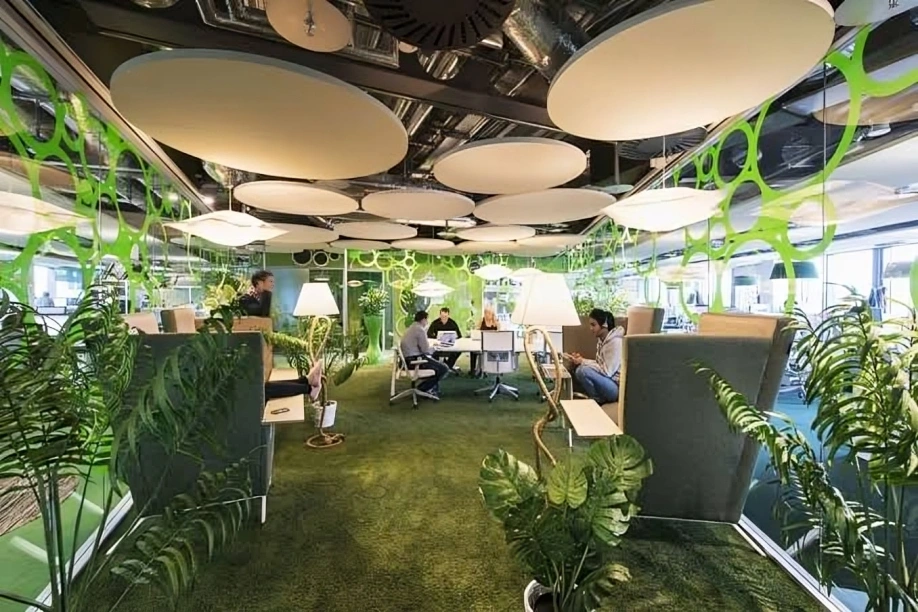
Companies around the world pay attention to workplace design because environments influence employee experience.
Modern workplaces often include comfortable areas, collaborative spaces, natural lighting, and relaxing zones.
A thoughtfully designed workplace can support:
- Better communication
- Employee satisfaction
- Creativity
- Team collaboration
However, workplace design should always consider the needs of the people using the space.
A beautiful office is valuable when it helps people work better.
Productivity Space Checklist
Use this checklist to evaluate your workspace:
| Question | Yes/No |
|---|---|
| Is my workspace organized? | |
| Do I have comfortable furniture? | |
| Is the lighting suitable? | |
| Are unnecessary distractions removed? | |
| Does the space reflect my personality? | |
| Can I easily find important items? | |
| Does this environment motivate me? |
If several answers are “no,” small improvements can make the space more productive.
Frequently Asked Questions
Can a beautiful workspace really improve productivity?
Yes, a well-designed environment can support better focus, comfort, and motivation. While a beautiful space alone does not guarantee success, it can create conditions that make productive work easier.
Do I need expensive furniture to create a productive space?
No. Productivity depends more on comfort, organization, and functionality than price. Small changes can improve a space without a large budget.
What is the most important part of a productive workspace?
There is no single perfect element, but comfort, proper lighting, and organization are some of the most important factors.
How can I make my workspace beautiful on a small budget?
You can improve your space by cleaning clutter, adding plants, improving lighting, rearranging furniture, and including personal items.
Does workspace design affect creativity?
Yes. A comfortable and inspiring environment can encourage creative thinking by making people feel relaxed and motivated.
Conclusion
Beautiful spaces are more than attractive rooms. They are environments designed to support the way people think, work, and live.
A productive space does not require expensive decorations or a large area. Instead, it requires thoughtful choices that improve comfort, organization, and inspiration.
By focusing on simple elements like lighting, furniture, layout, and personal touches, anyone can create an environment that encourages better performance.
Whether you are working from home, studying, or managing a professional workplace, your surroundings can influence your daily experience. A beautiful space is not just something to look at. It is something that can help you achieve more.