After a busy day, home should feel like a place where your mind can slow down instead of staying stuck in work mode. A restorative home space isn’t about buying expensive furniture or following design trends. It’s about creating an environment that helps you feel calm, comfortable, and ready to recharge.
Small changes often make the biggest difference. A tidy room, warm lighting, a comfortable chair, or a quiet evening routine can help your body and mind shift into relaxation mode. Over time, these habits can make your home feel like a true retreat from daily stress.
Whether you live in a spacious house or a small apartment, you can create a space that supports your well-being. This guide shares practical ideas that are easy to follow, affordable, and suitable for almost any home.
Quick Answer
A restorative home space is a calm, organized, and comfortable environment designed to help you unwind at home after a long day. By combining soft lighting, comfortable furniture, reduced clutter, calming colors, and a relaxing home routine, you can lower stress and make your home a place that supports both physical and mental well-being.
What Is a Restorative Home Space?

A restorative home space is an area that helps you recover from the demands of everyday life. Instead of overstimulating your senses, it encourages calm through thoughtful design, comfort, and healthy routines.
The goal isn’t perfection. Rather, it’s creating a space where you can relax without distractions. Even a single corner with a cozy chair, soft lighting, and a favorite book can become your personal decompression space.
Many people think relaxation requires a spa-like home. In reality, consistency matters more than luxury. A peaceful environment comes from small choices you make every day.
Why Your Home Environment Matters
Your surroundings influence how you feel more than you may realize. Bright lights, constant noise, clutter, and unfinished work can make it difficult to switch off after a long day.
On the other hand, a calm environment tells your brain that it’s time to slow down. As a result, your heart rate may feel steadier, your thoughts become clearer, and your evening feels more enjoyable.
Creating a restorative home space also helps separate work from personal life. This is especially valuable for people who work remotely or spend long hours using digital devices.
Benefits of a Restorative Home Space
| Benefit | How It Helps |
|---|---|
| Lower stress | Encourages relaxation after a busy day |
| Better sleep | Creates a peaceful bedtime environment |
| Improved mood | Comfortable surroundings feel uplifting |
| More focus | Less clutter means fewer distractions |
| Healthier habits | Supports mindfulness and self-care |
| Greater comfort | Makes everyday living more enjoyable |
Signs Your Home Isn’t Helping You Relax
Sometimes the problem isn’t your schedule. Instead, it’s the environment waiting for you when you get home.
If several of these signs sound familiar, it may be time to refresh your space.
- You feel overwhelmed as soon as you walk in.
- Clutter keeps building up.
- Every room feels busy or noisy.
- Bright lights stay on late into the evening.
- Work items are always visible.
- You spend hours scrolling on your phone instead of relaxing.
- You struggle to fall asleep.
- There isn’t a quiet place where you can sit comfortably.
Fortunately, most of these issues can be improved with small changes rather than a complete makeover.
The Essential Elements of a Restorative Home Space
A calming home doesn’t happen by accident. Instead, it’s created through simple details that work together.
Keep Clutter Under Control
Clutter competes for your attention, even when you aren’t actively thinking about it. Therefore, reducing unnecessary items can instantly make a room feel lighter and more peaceful.
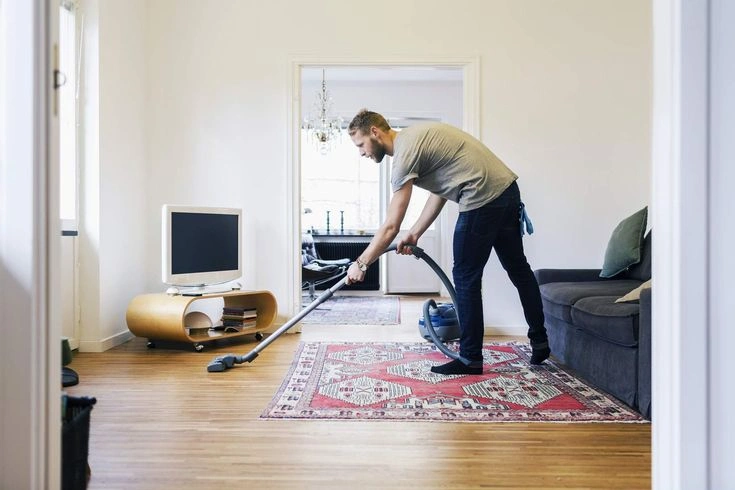
Rather than aiming for perfection, focus on keeping everyday surfaces clear. A tidy coffee table, organized bedside table, or clean kitchen counter can have a noticeable impact.
Easy Decluttering Habits
- Spend five minutes putting items away each evening.
- Keep storage baskets nearby.
- Donate things you no longer use.
- Avoid leaving work materials in relaxation areas.
- Make your bed every morning.
Choose Warm and Comfortable Lighting
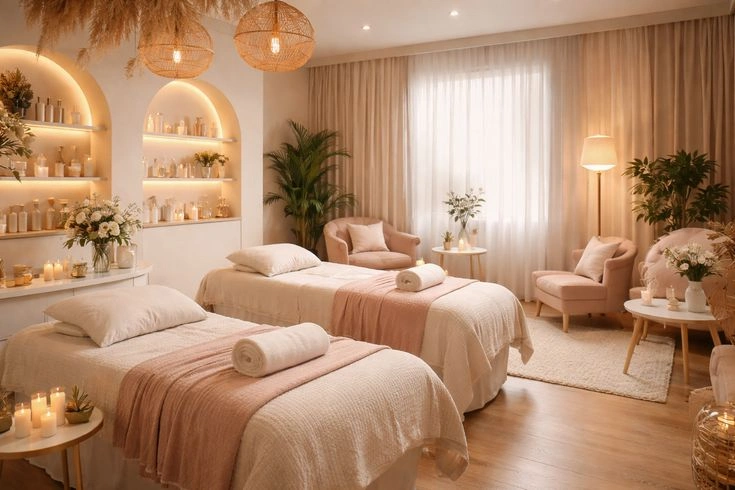
Lighting changes the mood of a room almost instantly. Harsh white lights often feel energizing, while warm lighting creates a softer atmosphere that encourages relaxation.
Whenever possible, layer different light sources instead of relying on one bright ceiling light.
| Lighting Type | Best For |
|---|---|
| Warm table lamps | Evening reading |
| Floor lamps | Living rooms |
| Dimmable lights | Flexible mood lighting |
| Candles | Cozy atmosphere |
| String lights | Soft ambient glow |
Natural light also plays an important role during the day. Open curtains in the morning to help your body follow a healthy daily rhythm.
Add Soft Textures
Comfort is about more than appearance. Soft materials make a room feel welcoming and encourage you to slow down.
Consider adding:
- Plush cushions
- Soft blankets
- Comfortable rugs
- Breathable bedding
- Cozy lounge chairs
These small additions create a home that feels inviting without requiring major renovations.
Choose Calming Colors
Color affects the overall feeling of a room. While personal preference matters, softer shades generally create a more peaceful atmosphere.
Neutral tones, gentle greens, warm beige, muted blues, and soft earth colors often help rooms feel balanced and relaxing.
Instead of repainting an entire room, introduce calming colors through cushions, artwork, curtains, or bedding. This approach is both affordable and easy to update later.
How to Create a Decompression Space
A decompression space is a dedicated spot where you can leave the stress of the day behind. It doesn’t need an entire room. Even a quiet corner can become your personal retreat if it helps you slow down and feel comfortable.
Start by choosing a place that feels separate from work or household tasks. Then add only a few meaningful items instead of filling the area with decorations.
Include Comfortable Seating
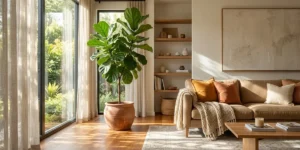
Your body relaxes more easily when you’re physically comfortable. Pick a chair, sofa, or floor cushion that supports good posture while still feeling cozy.
If space allows, add a small side table for a cup of tea, a book, or a journal.
Keep Distractions Away
A decompression space should encourage rest, not more stimulation. Avoid leaving work laptops, paperwork, or charging cables in sight.
Instead, include calming items such as:
- A favorite book
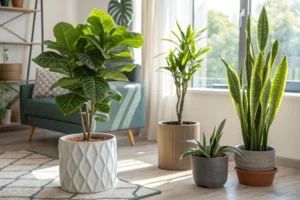
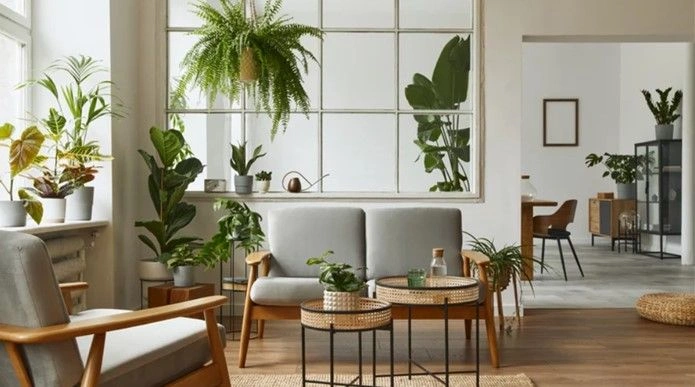
- A small indoor plant
- A soft blanket
- A scented candle or diffuser
- Gentle background music
Make It Personal
The most relaxing spaces reflect your personality. Choose artwork, photographs, or decorations that bring positive memories rather than simply matching current design trends.
Even one meaningful object can make the space feel comforting.
Build a Relaxing Home Routine

A beautiful room alone won’t reduce stress. Your daily habits are just as important because they tell your mind it’s time to transition from work to rest.
Fortunately, a relaxing home routine doesn’t need to take hours.
Step 1: Change Into Comfortable Clothes
Changing out of work clothes creates a clear mental break. It signals that the responsibilities of the day are over.
This simple habit helps many people feel more relaxed within minutes.
Step 2: Put Away Digital Devices
Many people continue checking emails or social media throughout the evening. As a result, the brain stays active long after work ends.
Try putting your phone away for at least 20 to 30 minutes after arriving home. During that time, focus on activities that help you recharge.
Step 3: Prepare a Relaxing Drink
A warm drink can become part of your evening ritual.
Popular choices include:
| Drink | Why People Enjoy It |
|---|---|
| Herbal tea | Warm and soothing |
| Warm milk | Comforting before bed |
| Lemon water | Refreshing after work |
| Caffeine-free tea | Helps create an evening routine |
Step 4: Slow Down With a Simple Activity
Choose one activity that helps you feel present.
Good options include:
- Reading
- Journaling
- Stretching
- Deep breathing
- Listening to calm music
- Light gardening
- Quiet conversation with family
Doing the same relaxing activity most evenings creates consistency, making it easier to unwind at home.
Room-by-Room Ideas for a Restorative Home Space
Every room has a different purpose. Small improvements throughout your home can create a greater sense of calm.
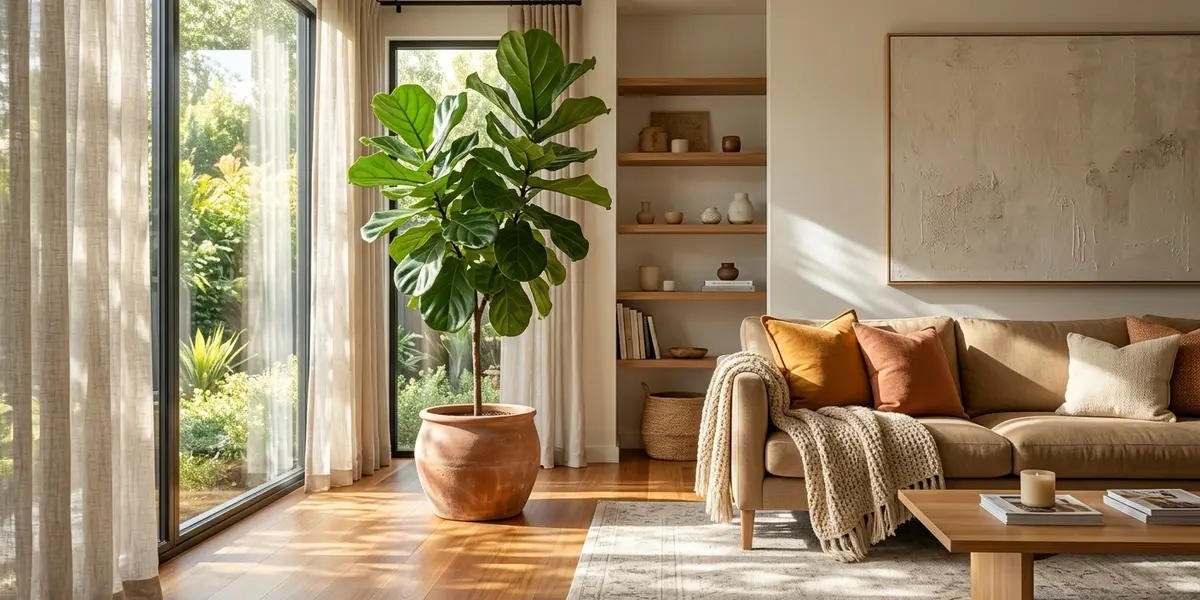
Living Room
The living room is often where families spend the most time together.
To make it feel more restorative:
- Keep surfaces tidy.
- Add warm lighting.
- Use comfortable cushions.
- Limit unnecessary decorations.
- Include natural textures like wood or cotton.
Bedroom
Your bedroom should support quality sleep instead of acting as a second office.
Consider these improvements:
- Remove work-related items.
- Choose breathable bedding.
- Keep lighting soft before bedtime.
- Reduce unnecessary noise.
- Maintain a comfortable room temperature.
Bathroom
Even small bathrooms can feel relaxing.
Simple upgrades include:
- Soft towels
- Pleasant scents
- Organized shelves
- Natural soap
- A small plant if natural light is available
Benefits and Possible Drawbacks
Creating a restorative home space offers many advantages. However, it’s also helpful to have realistic expectations.
| Benefits | Possible Drawbacks |
|---|---|
| Helps reduce daily stress | Takes time to build new habits |
| Encourages better sleep | Some upgrades may cost money |
| Improves comfort | Requires regular organization |
| Supports mental well-being | Results won’t happen overnight |
| Makes evenings more enjoyable | Family routines may require adjustment |
Although there are a few challenges, most people find that simple, consistent changes are worth the effort.
Expert Tips for a More Peaceful Home

Small details often have the biggest impact. These practical habits can help your restorative home space stay effective over time.
Follow the Five-Minute Reset
Spend five minutes each evening putting things back in their place.
This habit prevents clutter from building up and makes mornings feel less stressful.
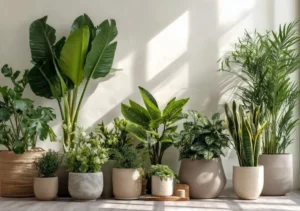
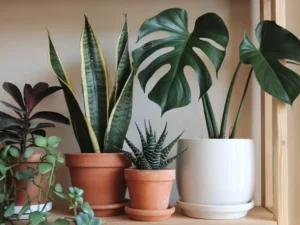
Bring Nature Indoors
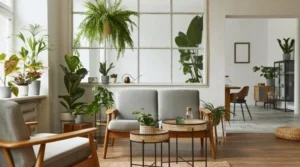
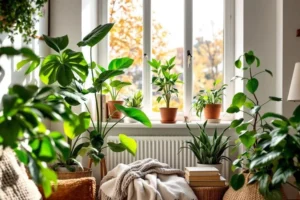
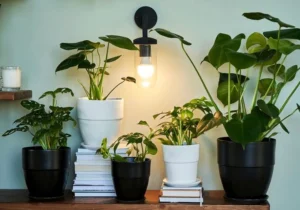
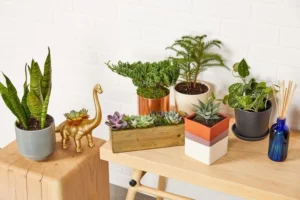
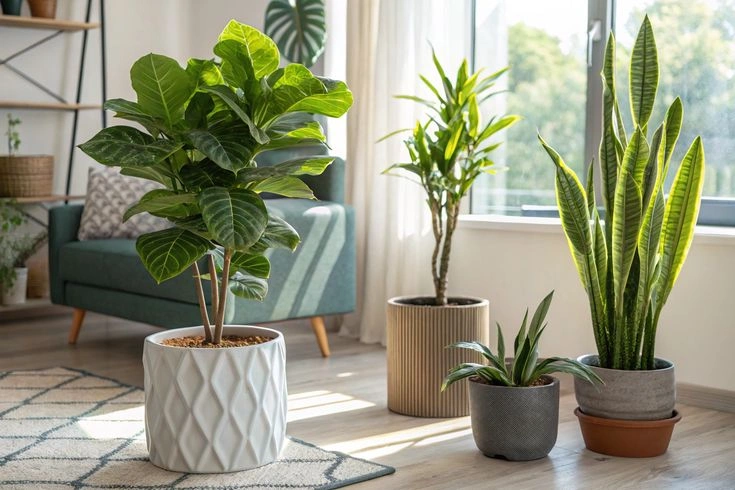
Plants add color and freshness while making rooms feel more welcoming.
Low-maintenance choices include:
- Snake plant
- ZZ plant
- Pothos
- Peace lily
- Spider plant
Improve Air Quality
Fresh air makes indoor spaces feel more comfortable.
Whenever possible:
- Open windows for a short time.
- Clean air vents regularly.
- Replace air filters as recommended.
- Avoid unnecessary indoor smoke.
Create Evening Boundaries
If you work from home, avoid checking emails once your workday has ended.
Keeping clear boundaries helps your brain separate work from relaxation.
Common Mistakes to Avoid
Many people unintentionally create obstacles that make it harder to relax.
Avoid these common mistakes:
- Buying decorations before reducing clutter.
- Using bright overhead lights all evening.
- Keeping work equipment in the bedroom.
- Following an overly complicated routine.
- Trying to redesign the entire home at once.
- Ignoring comfort in favor of appearance.
- Spending every evening on screens.
- Expecting immediate results.
Instead, improve one area at a time. Small changes are easier to maintain and often produce lasting results.
Restorative Home Space Checklist
Use this checklist to evaluate your home.
| Task | Complete |
|---|---|
| Declutter one room | □ |
| Add warm lighting | □ |
| Create a quiet corner | □ |
| Remove visible work items | □ |
| Add comfortable seating | □ |
| Introduce calming colors | □ |
| Keep a cozy blanket nearby | □ |
| Include a healthy evening habit | □ |
| Limit screen time before bed | □ |
| Spend five minutes tidying daily | □ |
Frequently Asked Questions
Can I create a restorative home space on a small budget?
Yes. Decluttering, rearranging furniture, improving lighting, and starting a relaxing home routine often make a noticeable difference without requiring major spending.
Which room should I improve first?
Most people benefit from starting with the room where they spend the most time after work. For many households, that’s the living room or bedroom.
How long does it take to feel the benefits?
Some changes, such as reducing clutter or using softer lighting, can improve comfort immediately. Long-term habits like a relaxing evening routine become more effective when practiced consistently.
Do I need a separate relaxation room?
No. A comfortable chair by a window, a reading corner, or a quiet section of your living room can serve as an effective decompression space.
Can families create a restorative home together?
Absolutely. Shared habits like tidying for a few minutes each evening, reducing noise before bedtime, and enjoying screen-free time together can help everyone feel more relaxed.
Conclusion
Creating a restorative home space isn’t about achieving a picture-perfect interior. It’s about designing a home that helps you recover from the demands of everyday life.
By reducing clutter, choosing warm lighting, adding comfortable textures, and following a relaxing home routine, you can turn even a small space into a place where you genuinely look forward to spending time. More importantly, these simple habits support your well-being day after day.
Remember, lasting change doesn’t happen all at once. Start with one room, one habit, or one quiet corner. As those small improvements become part of your routine, your home will gradually become a place where it’s easier to unwind, recharge, and enjoy everyday life.
Key Takeaways
- A restorative home space helps reduce stress and supports overall well-being.
- Decluttering is often more effective than adding more decorations.
- Warm lighting creates a calmer atmosphere than bright overhead lights.
- A dedicated decompression space can be created in almost any home.
- A consistent relaxing home routine makes it easier to unwind at home.
- Comfortable textures, calming colors, and natural elements improve the feeling of relaxation.
- Small daily habits usually have a greater long-term impact than expensive home makeovers.
- Focus on steady progress rather than trying to transform your entire home overnight.