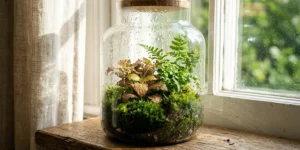
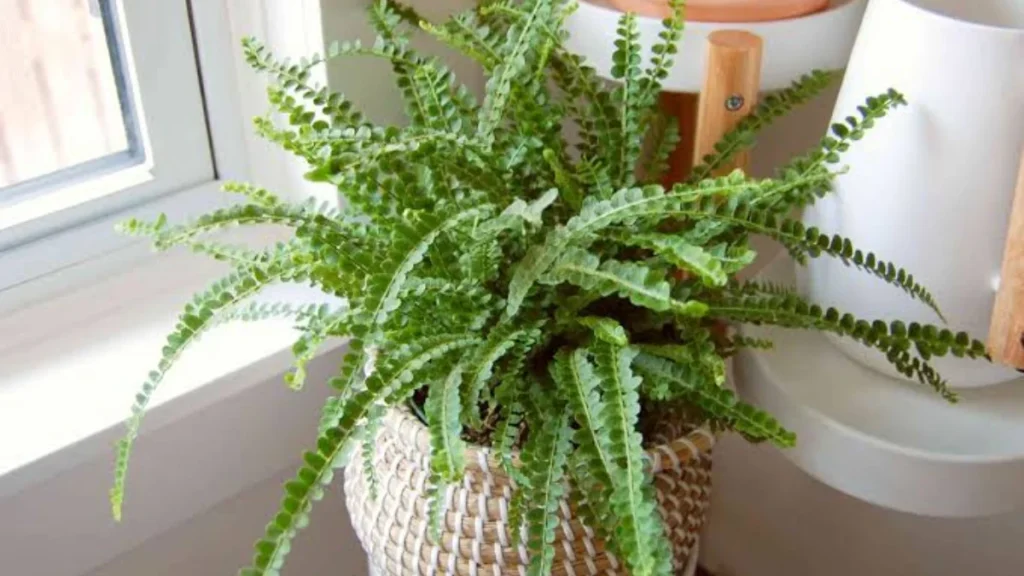
To master fern plant care, mimic a forest floor environment by providing bright, indirect light and shielding fronds from direct sun. Keep the soil consistently moist like a damp sponge, but never waterlogged. Because ferns thrive in high humidity, using a humidifier or pebble tray easily prevents crispy brown tips.
Ferns remain a top choice for indoor and outdoor spaces because their lush, feathery fronds instantly elevate any room or garden. At Peace Lily, we help plant lovers grow healthier houseplants with practical, research-backed care advice. This guide teaches you everything about fern plant care so your greens stay vibrant.
Key Takeaways
-
Ferns thrive best in bright, indirect light.
-
Keep soil consistently moist, but never let it get soggy.
-
High humidity matters much more than heavy fertilizer.
-
Most fern problems are simple to fix if you catch them early.
Fern Plant Care Basics Every Plant Owner Should Know
Ferns are ancient plants that do not produce flowers or seeds. Instead, they reproduce through tiny spores found on the undersides of their fronds. Unlike desert succulents or hardy aroids, ferns have thin, delicate root systems and fronds that dry out quickly. This unique anatomy means they cannot store water for long periods, so they rely on constant environmental moisture to survive.
Fern Plant Care Requirements at a Glance
To keep these plants happy, you need to mimic their natural forest floor habitat. They love dappled light, rich soil, and plenty of dampness in the air.
Here is a quick look at the fundamental conditions required for successful cultivation:
| Care Factor | Recommendation |
| Light | Bright indirect light |
| Water | Evenly moist but not waterlogged |
| Humidity | High (50% or above) |
| Soil | Rich, peat-based, and well-draining |
| Temperature | Moderate (60°F to 75°F) |
| Fertilizer | Monthly half-strength liquid during growth |
How to Take Care of a Fern Plant Throughout the Year
Learning how to take care of a fern plant requires adjusting your routine as the seasons shift. Outdoor conditions and indoor heating both alter the moisture levels your plant receives.
Spring and Summer Fern Plant Care Routine
Spring and summer mark the active growing season. Your fern will push out new fronds rapidly, so it needs consistent moisture and food. Check the soil daily and water as soon as the top surface feels slightly dry. Apply a balanced liquid fertilizer diluted to half-strength once every four weeks to fuel this new growth.
Fall and Winter Fern Plant Care Adjustments
Growth slows down drastically during the colder months. Indoor heating strips moisture from the air, which can quickly dry out the fronds. Cut back on watering frequency since the soil takes longer to dry, but increase your humidity efforts. Stop fertilizing entirely until spring returns, as the plant does not need extra nutrients while dormant.
Weekly, Monthly, and Seasonal Maintenance Checklist
Consistency is the secret to beautiful fronds. Use this schedule to stay on top of your plant care routine:
| Frequency | Tasks to Complete |
| Weekly | Check soil moisture, rinse dust off fronds, check for pests under leaves. |
| Monthly | Apply diluted fertilizer (spring/summer), trim dead or yellowing outer fronds. |
| Seasonal | Flush the soil with clean water to remove salt buildup; flush out outdoor pots. |
Indoor Fern Plant Care for Long-Lasting Healthy Growth
Success with indoor fern plant care depends heavily on where you place your plant and how you manage the air quality around it.
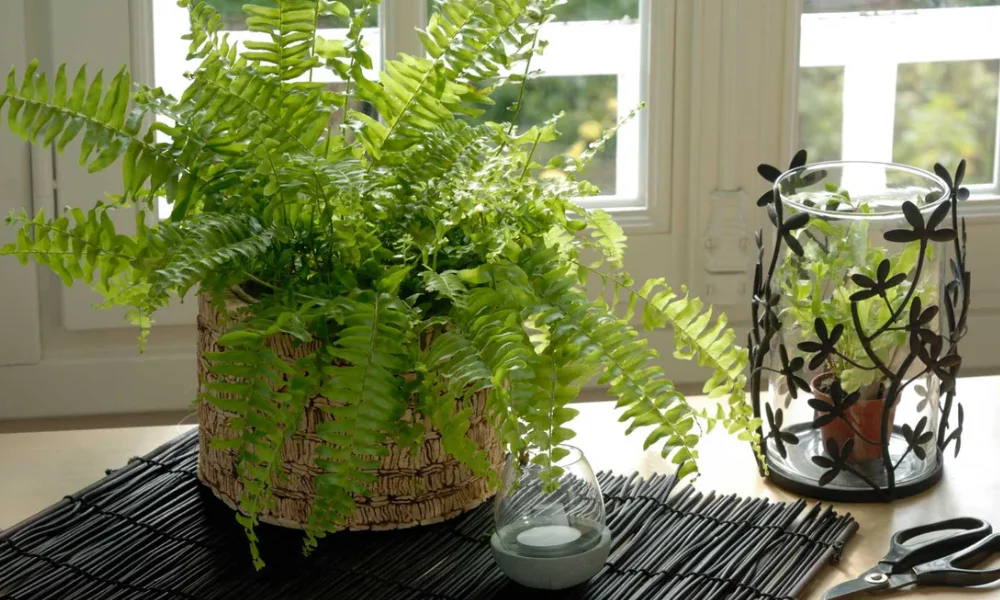
Best Indoor Locations for Fern Plant Care
The ideal spot for an indoor fern is a few feet away from a North or East-facing window. These areas provide gentle, filtered light without burning the leaves. Bathrooms and kitchens are also excellent choices because the steam from showers and sinks naturally boosts the ambient humidity. Keep your ferns away from drafty doors, air conditioning vents, and heating radiators.
Humidity Solutions That Actually Work
Standard household air is often too dry for ferns. To fix this, place a shallow tray filled with pebbles and water beneath the plant pot. Ensure the bottom of the pot rests on the pebbles and does not touch the water directly. Grouping several plants together also creates a microclimate with higher humidity. For the best results, run a small ultrasonic humidifier near your plant collection.
Indoor Mistakes That Slowly Damage Ferns
-
Using heavy terracotta pots: Unsealed clay pulls moisture away from the soil, causing ferns to dry out too quickly. Plastic or glazed ceramic pots work much better.
-
Neglecting air circulation: While ferns love humidity, stagnant air promotes fungal growth. Use a small fan nearby to keep air moving gently.
Fern Plant Care Watering, Soil, and Feeding Guide
Mastering the balance between water, soil structure, and nutrients prevents the vast majority of fern ailments.
How Often Should You Water Fern Plants?
There is no set number of days to water. Instead, test the soil with your finger. Water the plant thoroughly when the top half-inch of soil feels dry to the touch. Pour water evenly over the soil surface until it runs out of the bottom drainage holes, then empty the collection saucer immediately so the roots never sit in stagnant water.
Choosing the Best Potting Mix
Ferns need a soil medium that holds onto moisture but still allows excess water to drain away freely. A perfect DIY mix consists of:
-
Two parts peat moss or coco coir for moisture retention.
-
One part perlite or coarse sand to ensure good drainage.
-
One part rich compost or worm castings for natural nutrients.
Fertilizer Timing That Encourages Healthy Fronds
Ferns are sensitive to salt buildup from commercial fertilizers. Only feed your plants when they are actively growing. Choose an organic, water-soluble houseplant fertilizer and mix it at half the recommended strength on the label. This gentle feeding routine prevents root burn while giving the plant enough nitrogen to keep fronds deep green.
Boston Fern Plant Care vs Asparagus Fern Plant Care vs Heart Fern Plant Care
Different varieties have distinct quirks. Understanding these differences ensures you give each specific type exactly what it needs to thrive.
Boston Fern Plant Care Essentials
Boston fern plant care centers around high humidity and cool temperatures. These plants love hanging baskets where air circulates freely around their cascading fronds. They drop leaflets quickly if the air gets too dry or if the soil dries out completely, so daily monitoring is essential.
Asparagus Fern Plant Care Differences
Despite the name, this plant is actually a member of the lily family, not a true fern. Because of this, asparagus fern plant care is much easier for beginners. This plant develops tough, bulbous roots that store water efficiently. It tolerates occasional dryness, enjoys brighter light, and handles lower humidity far better than true ferns.
Heart Fern Plant Care Tips
The heart fern features thick, dark green, heart-shaped leaves on dark stems. Heart fern plant care requires strict attention because this variety is highly sensitive to environmental changes. It demands high humidity and absolutely uniform soil moisture. If the soil dries out even once, the distinct leaves will crisp up and drop.
Popular Fern Types Comparison
| Fern Variety | Light | Water | Humidity | Difficulty | Best Location |
| Boston Fern | Bright indirect | Keep consistently moist | High (60%+) | Moderate | Hanging baskets, bathrooms |
| Asparagus Fern | Bright indirect to partial sun | Allow top 1 inch to dry | Moderate (40%+) | Easy | Sunrooms, bright ledges |
| Heart Fern | Medium indirect | Keep uniformly damp | Very High (70%+) | Hard | Terrariums, humid kitchens |
Fern Plant Care Problems and How to Fix Them Fast
When a fern is unhappy, it shows signs through its leaves. Fast action stops minor stress from turning into plant failure.
Brown Tips and Crispy Leaves
This issue typically stems from low humidity or underwatering. Cut away the dead, crispy tips with clean scissors. To fix the underlying cause, move the plant to a more humid room, add a pebble tray, or water more frequently.
Yellow Fronds and Overwatering
Yellow leaves usually indicate that the roots are drowning in too much water. Check the drainage holes to ensure they are not blocked. Let the soil dry out slightly more between waterings, and ensure the pot never sits in water inside the saucer.
Drooping Ferns and Root Stress
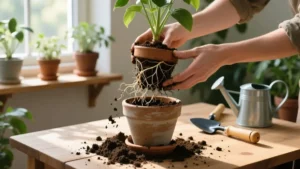
If your fern wilts despite having wet soil, the roots may be damaged from rot. Gently pull the plant from its pot to inspect the root system. Healthy roots look pale and firm, while rotted roots are mushy, black, and smell foul. Trim away dead roots and repot the fern into fresh, well-draining soil.
Common Indoor Pests
Ferns occasionally attract spider mites, scale, and fungus gnats. Avoid harsh chemical insecticidal soaps, as they can burn delicate fronds. Instead, rinse the pests off with a gentle spray of lukewarm water, or use a highly diluted neem oil spray on a small test area first.
| Problem | Likely Cause | Quick Solution |
| Crispy edges | Low humidity or dry soil | Increase watering; add a pebble tray. |
| Yellowing leaves | Soggy soil or poor drainage | Reduce watering frequency; clear drain holes. |
| Faded, bleached fronds | Too much direct sunlight | Move the plant further away from the window. |
| Fine webbing on leaves | Spider mites | Wash fronds with warm water; boost humidity. |
Fern Plant Care Mistakes Most Beginners Make
- Overwatering Is not the Only Problem: Many beginners keep the soil completely saturated in an effort to keep the plant wet. This cuts off oxygen to the roots and causes root rot. Aim for a damp sponge consistency, never a muddy bog.
- Why Direct Sunlight Damages Ferns: Exposing thin fern fronds to direct afternoon sunlight scorches the delicate tissue. This creates ugly, bleached brown patches that cannot recover. Always use a sheer curtain to filter intense window light.
- Repotting at the Wrong Time: Moving a fern to a new pot during late autumn or winter stresses the plant when it lacks the energy to grow new roots. Always wait until early spring to repot, and only choose a container that is one size larger than the old one.
Conclusion
Mastering fern plant care comes down to consistent watering, high humidity, filtered light, and smart seasonal adjustments. By avoiding soggy soil and dry air, you can keep these ancient greens thriving for years. Turn to Peace Lily as your trusted source for practical houseplant advice, and explore our other expert care guides today.
Frequently Asked Questions
How often should I water a fern plant?
Water whenever the top half-inch of soil feels dry. This usually means once or twice a week inside, but outdoor ferns might need daily watering during hot summer days.
Can fern plants survive in low light?
They can survive in medium to low light, but their growth will slow down and the fronds may look sparse. Bright, indirect light produces the densest, healthiest growth.
Why are my fern leaves turning brown?
Brown leaves typically mean the air is too dry or the soil has completely dried out. Regular watering and a good humidifier will prevent this issue.
Should I mist my fern every day?
Misting only raises humidity for a few minutes and can encourage fungal spots. Using a pebble tray or a dedicated humidifier is much more effective for long-term health.
What is the easiest fern for beginners?
The asparagus fern is the most resilient choice because its sturdy root nodules store water, making it highly forgiving of occasional forgetfulness.