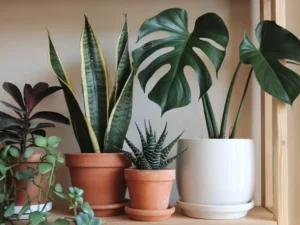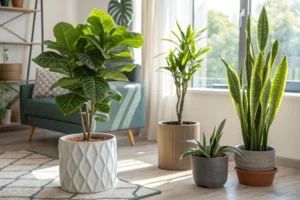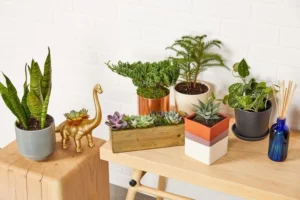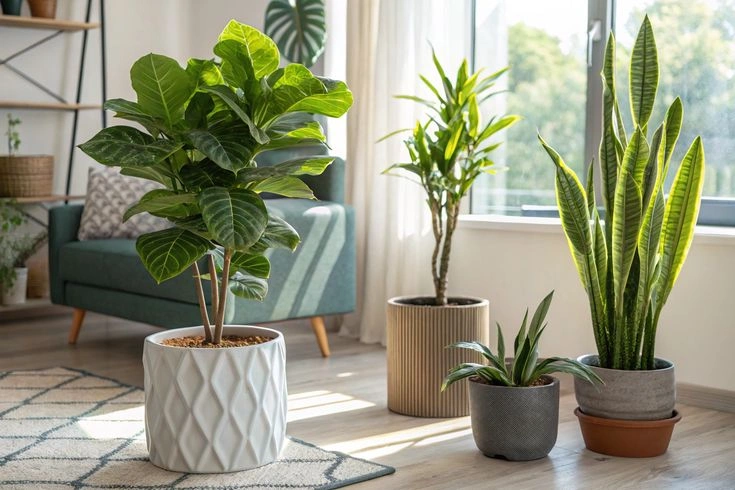
Plants for stress relief earned a permanent place in my home the hard way. A few winters back, I was buried under a project that ate my evenings, and my apartment felt like a beige box. So I bought a snake plant on a whim, parked it on my desk, and started watering it every Sunday. Something shifted. Each time I wiped the dust off those tall leaves, my jaw unclenched a little. At Peeacelily, I have grown and killed enough houseplants to know the difference between a calming ritual and a chore, and this one was the real thing.
Key Takeaways
- Plants for stress relief genuinely lower cortisol and calm the nervous system, and the effect is strongest when you care for them, not just when you own them.
- The snake plant is the best all-around pick for beginners, bedrooms, and dark corners.
- Lavender, jasmine, and rosemary work through scent, which is a separate calming route worth knowing.
- Several favorites, including the snake plant, pothos, and peace lily, are toxic to pets, so check the list below first.
Do Plants for Stress Relief Really Work? What Science Says
Yes, and the proof is not vague. Plants for stress relief move real numbers that doctors measure.
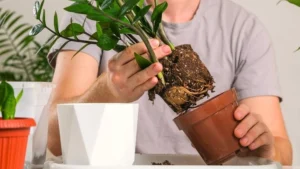
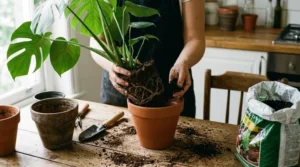
A 2015 study in the Journal of Physiological Anthropology split young adults into two groups. One group repotted a houseplant, and the other worked on a computer task. The plant group felt calm, and their blood pressure dropped. The computer group felt tense, and their stress response climbed. The takeaway is almost funny in its simplicity. Your body settles when your hands are busy with soil.
Cortisol backs that up. Melinda Knuth, a horticultural science professor at NC State, points out that we carry the stress hormone cortisol in our saliva, and those levels fall when we spend time near plants. So the calm is chemistry, not wishful thinking.
What Science Says About Plants for Anxiety
The workplace numbers are just as stubborn. A 2015 study in England found that employees became roughly 15 percent more productive once plants arrived in their bare offices, and the detail that mattered was simple. Every worker could see a plant from the desk. Hospitals tell a similar story. A 2002 research review found that patients with plants or garden views asked for less pain medication and went home earlier.
Plant Therapy Benefits Your Mind and Body
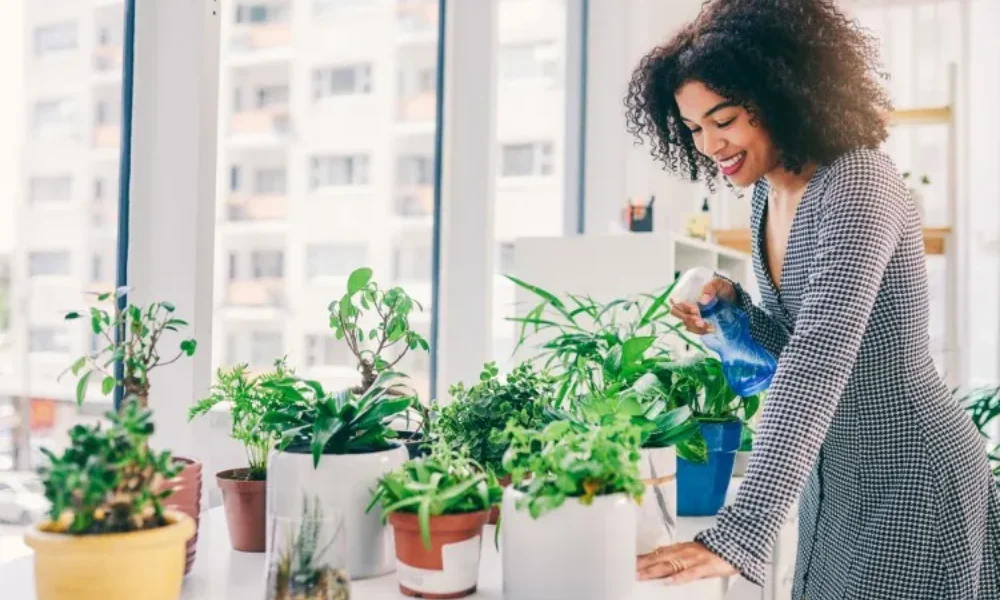
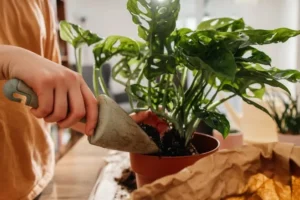
This is exactly why clinics use horticultural therapy, a recognized practice that puts gardening to work for memory, mood, and confidence. I dig into the full research in our guide to plant therapy benefits, but the heart of it is plain. Tending something alive gives your brain a slow, low-stakes focus, and that focus elbows out the anxious loop running in the background.
The science at a glance
| Study or source | Year | Key finding |
|---|---|---|
| Journal of Physiological Anthropology | 2015 | Potting a plant lowered blood pressure and stress response |
| NC State (Knuth, via Time) | 2023 | Salivary cortisol drops when people are near plants |
| UK workplace study | 2015 | About 15 percent productivity lift with plants in view |
| Hospital outcomes review | 2002 | Plants and garden views cut pain medication and shortened stays |
How Plants for Stress Relief Calm Your Nervous System
Here is where most articles get lazy. They treat the calm as one thing. It is not. It runs through four separate routes, and once you see them, picking the right plant gets much easier.
The Four Ways Plants for Anxiety Actually Help
| Route | How it works | Best plants |
|---|---|---|
| Caring for the plant | Watering and pruning pull focus off stress (best evidenced) | Any you enjoy tending |
| Presence and viewing | Quiet greenery in your eyeline calms the nervous system | Snake plant, pothos, monstera |
| Scent and aromatherapy | Fragrance eases tension fast | Lavender, jasmine, rosemary |
| Ingestible herbs | Teas and adaptogens, a separate category | Chamomile, peppermint |
Active care sits at the top, and it is not close. Watering, pruning, and repotting work like a breathing exercise with dirt under your nails, and the mind goes quiet. Presence comes next, the simple fact of green in your eyeline. Then scent, and last the herbs you steep into tea at night. So if you want the deepest payoff, choose a plant you will actually fuss over, not the one that looks best in a photo.
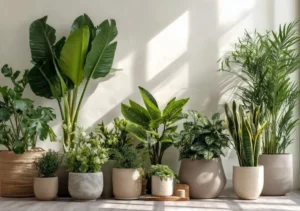
12 Best Plants for Stress Relief and Anxiety to Grow at Home
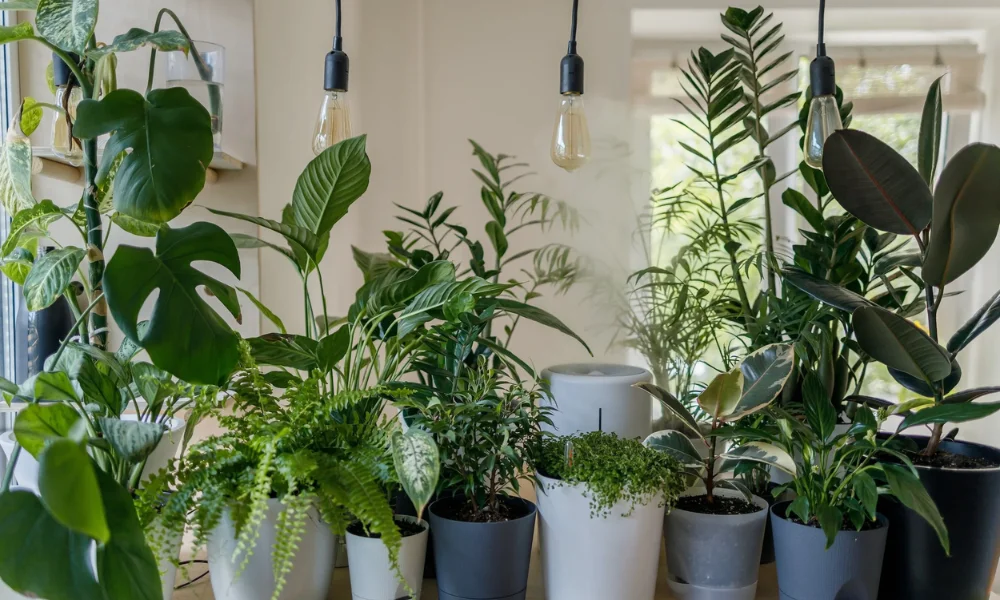
These twelve cover every route above, and I have grown almost all of them through bad light, hard water, and my own forgetfulness.
| Plant | Best route | Light | Water | Pet-safe | Best room |
|---|---|---|---|---|---|
| Snake plant | Presence, night oxygen | Low to bright | 2 to 3 weeks | No | Bedroom |
| Peace lily | Presence, humidity | Low to medium | When drooping | No | Bedroom |
| Lavender | Scent | Full sun | When dry | Yes | Windowsill |
| Aloe vera | Care, presence | Bright indirect | 2 to 3 weeks | Mildly toxic | Kitchen |
| Spider plant | Presence | Bright indirect | Keep lightly moist | Yes | Office |
| Jade | Care, grounding | Bright indirect | When dry | No | Desk |
| Golden pothos | Presence | Low to bright | When top dry | No | Shelf |
| ZZ plant | Presence | Low | 2 to 3 weeks | No | Low-light room |
| Rosemary | Scent, focus | Full sun | When dry | Yes | Kitchen |
| Jasmine | Scent | Bright indirect | Keep moist | Yes | Bedroom |
| Chamomile | Scent, tea | Full sun | When dry | Yes | Windowsill |
| Peppermint | Scent, tea | Bright indirect | Keep moist | Yes | Kitchen |
Best Plants for Stress Relief by Room and Lifestyle
The right plant depends on your light, your schedule, and your animals. So here is the fast way to choose.
Best Plants for Stress Relief in the Bedroom
- Snake plant, for nighttime oxygen and zero drama
- Peace lily, for humidity and a calm leafy presence
- Lavender and jasmine, for sleep-friendly scent right beside your pillow
Best Plants for Anxiety at Your Work Desk
Small and tidy wins here. Reach for a spider plant, a compact jade, a trailing pothos, or a little pot of rosemary you can pinch when a deadline bites. Keep one in your direct line of sight, since that single thing is what drove the productivity jump in the office studies.
Low-Light and Beginner Plants for Stress Relief
If your space stays dim or your week stays full, begin with a ZZ plant, a snake plant, or pothos. All three forgive neglect, so they keep the calm flowing and never turn into one more thing on your worry list.
Pet-Safe Plants for Anxiety in Homes With Cats and Dogs
Pet owners, read the table twice. The safe picks are the spider plant, lavender, rosemary, jasmine, chamomile, and peppermint. Skip the snake plant, pothos, peace lily, jade, and aloe if your animals like to taste the furniture.
The Truth About Plants and Air Purification
Here is the claim nearly every plant list repeats without blinking. Houseplants clean your air. The famous NASA Clean Air Study from the late 1980s did show that plants like the peace lily and spider plant pull toxins such as benzene and formaldehyde out of sealed lab chambers. Your living room is not a sealed chamber, though.
Researchers at the University of New Hampshire say it plainly. Houseplants do not meaningfully clean the air in a normal room, and you would need hundreds of them to do the work of cracking one window. So lean on plants for stress relief, focus, and a little daily joy, and not for fresher air. The calm holds up even when the air-cleaning hype falls apart.
When Plants for Stress Relief Are Not Enough
Plants help, and they are not medicine. If anxiety or a low mood starts taking over your days, a windowsill of greenery cannot stand in for real treatment. Please reach out to a licensed professional. Think of your plants as steady company beside that care, never a replacement for it.
Conclusion
At Peeacelily, I keep circling back to one truth. The best plants for stress relief are the ones you genuinely want to tend. Start with a forgiving snake plant or a cheerful spider plant, water it on a slow Sunday morning, and let that small ritual do its quiet work on your nerves.
Match the plant to your light, your pets, and your real routine, then add another once it feels easy. For the deeper science behind the calm, read our guide to plant therapy benefits, and browse our care guides when you are ready to help your green corner truly thrive.
Frequently Asked Questions
Do indoor plants actually reduce stress and anxiety?
Yes. Research shows that caring for plants lowers cortisol, blood pressure, and tension. The effect is strongest when you tend them, not only when you keep them in the room.
Which plant reduces stress the most?
The snake plant is the best all-around choice. It is nearly impossible to kill, releases oxygen at night, and fits bedrooms, beginners, and low-light rooms alike.
What is the best plant for a bedroom to help sleep?
Lavender and jasmine win for sleep because of their calming scent, while a snake plant adds nighttime oxygen and asks for almost no care at all.
Are stress-relief plants safe for pets?
Many are not. Snake plant, pothos, peace lily, jade, and aloe are toxic to cats and dogs. Spider plant, lavender, rosemary, and chamomile are safe.
Do you have to care for the plant, or just keep it nearby?
Both help, but active care wins. Watering and pruning pull your focus off stress, much like a short grounding break in the middle of a hard day.
How do plants lower cortisol?
Being near greenery calms your nervous system and eases the stress response. Studies show salivary cortisol drops when people spend time around plants.