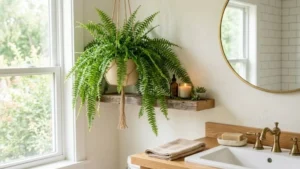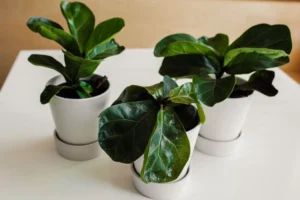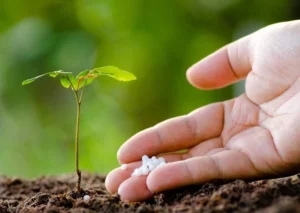
Bringing nature indoors is an evidence-based remedy for reducing psychological stress. Interacting with plants for mental health suppresses the body’s fight-or-flight response, lowers blood pressure, and restores fatigued attention systems. Peeacelily highlights that active care routines anchor focus to the present, while choosing varieties like Golden Pothos provides calming, rounded visual anchors.
The contemporary times are often like a continuous belt of screen pings, task deadlines and city sounds. When looking for calm in a world gone mad, I say plant yourself on the windowsill. Including nature in your home design is an extremely effective, evidence-based remedy for reducing psychological stress and developing a tranquil home haven.
Aesthetically, nature indoors transforms a room, but more than that, it actually desaturates your brain chemistry, centering your nervous system and giving you something solid to do.
We realise that your very own plants and caring for them is an act of self-care at Peeacelily. Although we enjoy assisting you in choosing the appropriate, lively enhancements to your home, our all-time favorite is aiding the deep emotional healing that these plant buddies have provided. The science behind nature-powered therapy, the best plants for the anxiety-prone and easy routines to maximize your indoor garden’s mental benefits: wala.
The Neurological Science Behind Indoor Greenery
Most people think you are simply happy with house plants because the leaves are nice to the eye. But there are serious links to human psychology, also grounded in environmental biology and neuroscience.
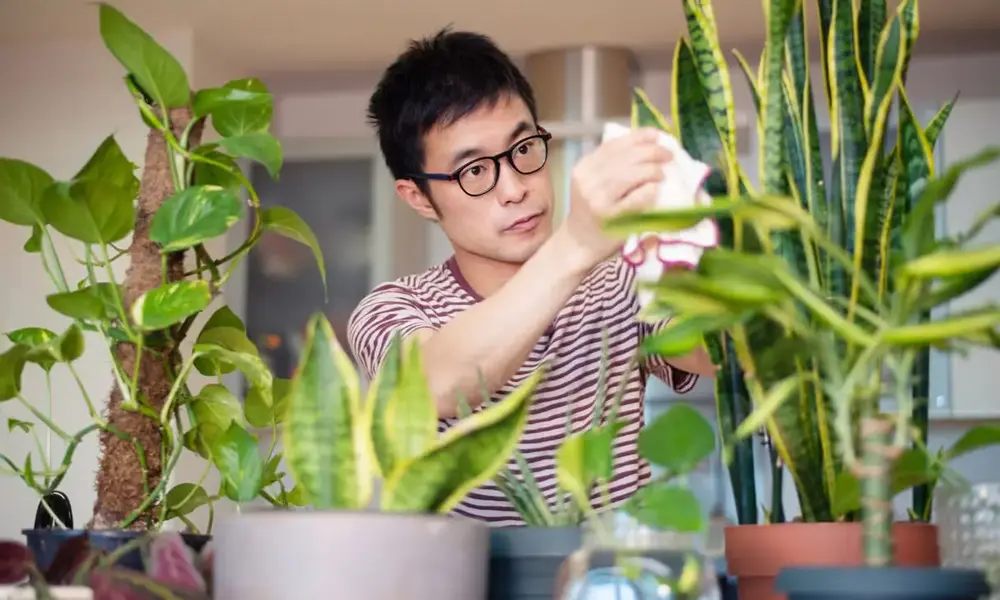
Suppressing the Fight-or-Flight Response
Staring at a computer monitor or getting agitated about life for hours on end, the sympathetic nervous system tends to become stuck in a low-grade, fight-or-flight mode.
Active involvement with indoor plant life, including pruning, repotting, or misting, has been shown in peer-reviewed clinical studies to suppress sympathetic nerve activity. That transition results in a statistically significant decrease in diastolic blood pressure and provides the calming, organic state of mind that yanks your cerebrum out of survival mode.
The Attention Restoration Theory
All humans have a limited amount of directed attention that we keep pumping out into spreadsheets, text messages and gigantic traffic. In fact, according to well-established principles of environmental psychology, the natural world engages our “involuntary attention”, what we call soft fascination, rather than capturing it.
Simply looking at the tangled, natural patterns of an indoor climber calms your mind’s directed attention system, allowing it to rest, recuperate and restore its mental resources—saving you from mental fatigue!
Selecting the Best Plants for Anxiety and Stress Relief
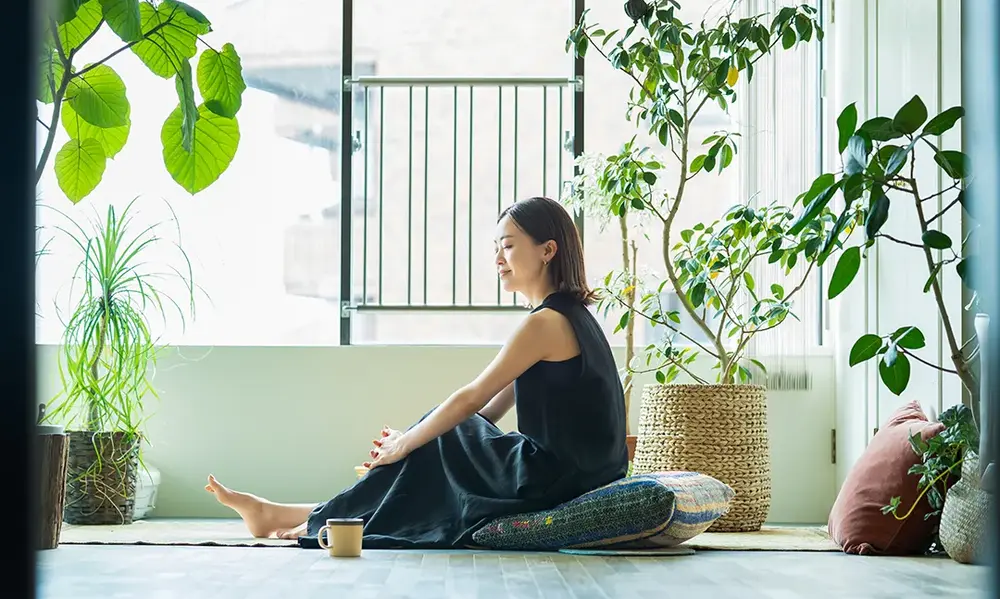
Not every plant influences your living environment in the same manner. Knoq plant therapy benefits with some types are better suited to clear the air in an indoor environment while offering particular sensory signals that calm a fidgety head, if your number one goal is grounding yourself physically and psychologically.
The Power of Aromatic Foliage
When searching for specific plants for anxiety, those that expel natural essential oils should be first on your list of purchases. Plants like potted lavender, rosemary and certain varieties of eucalyptus also exude fragrant oils called terpenes when brushed or watered.
According to the medical data available, when you inhale these natural micro-particles, there is an immediate increase in alpha brain waves (the same electrical frequencies that identify daydreaming or meditating).
Visual Comfort and Rounded Aesthetics
Humans have been shown to respond far better to green foliage with rounded leaves, dense, rounded bushy plants, compared with sharp spiky plants like cacti, according to psychological testing. Our primitive brains see rounded shapes and subconsciously feel safe/comfortable.
Thick, spilling-over plants create a soft visual block in your room that smoothes sharp architectural lines too far gone to be changed on a dime and converts an intimidating, sterile living office into a cozy womb made of tissue and soil.
Botanical Guide: Finding Your Ideal Green Companion
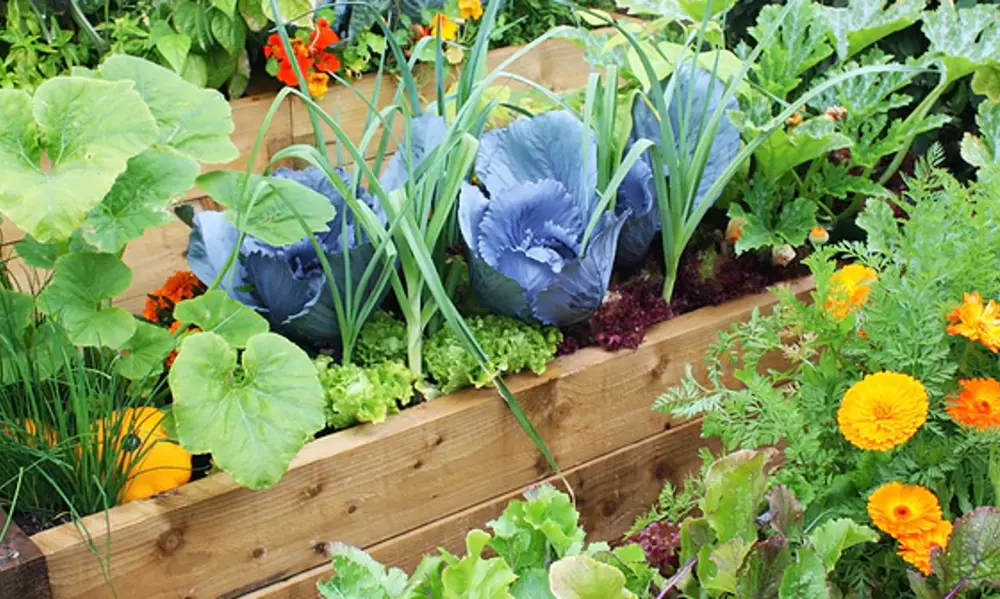
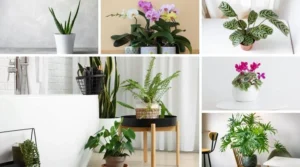
To help you choose the best varieties for your specific emotional and spatial needs, here is a breakdown of popular therapeutic options based on current mental health and horticultural data.
| Plant Variety | Primary Psychological Benefit | Light Requirements | Estimated Maintenance Level | Best Placement |
| Snake Plant | Advanced Oxygen Production | Low to Bright Indirect | Very Low (Forgiving) | Bedroom Corner |
| Golden Pothos | Visual Relaxation & Air Filtration | Medium to Low Light | Low (Fast Growing) | Hanging from Bookshelf |
| Potted Lavender | Targeted Aromatherapy for Stress | Direct, Full Sunlight | Moderate (Needs Drainage) | Sunny Windowsill |
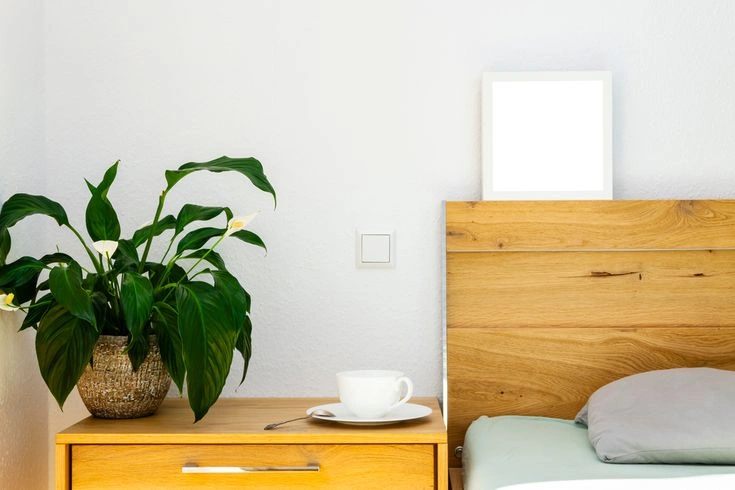
| Peace Lily | Increased Humidity & Grounding | Low to Medium Shade | Moderate (Tells you when thirsty) | Living Room Side Table |
| English Ivy | Airborne Mold Reduction | Bright Indirect Light | Moderate (Likes Misting) | Home Office Desk |
The Therapeutic Power of the Care Routine
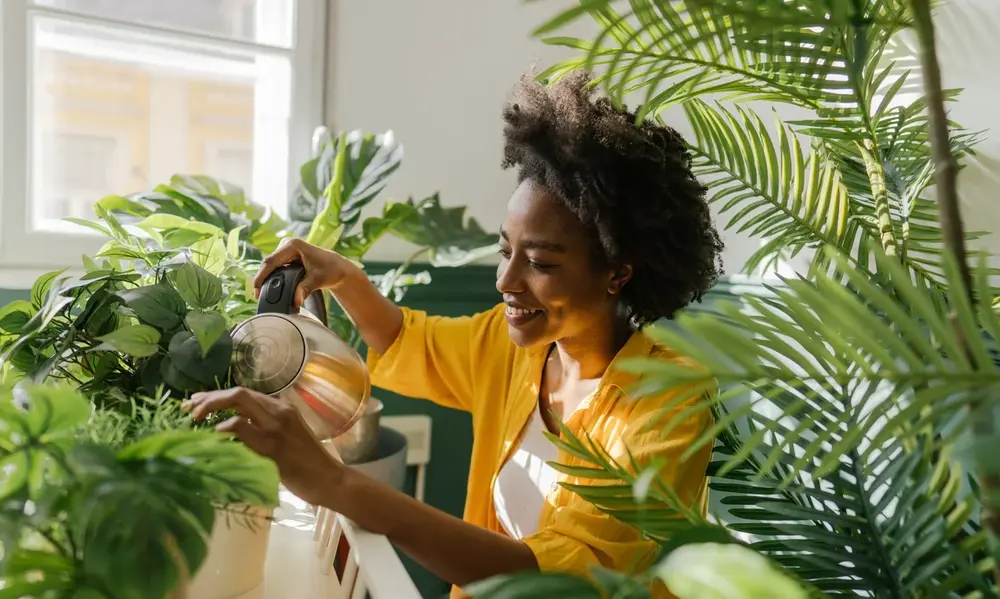
The psychological benefits of utilizing plants for mental health expand significantly when you transition from being a passive observer to an active caretaker.
The simple, repetitive acts involved in plant maintenance mirror many core tenets of modern mindfulness therapies.
Cultivating Mindful Presence
Watering your indoor garden forces you to slow down and focus entirely on the present moment. You have to check the moisture levels of the soil, observe changes in leaf color, and carefully guide the watering can to avoid spills.
This focused state acts as a natural shield against the looping, anxious thoughts that often drive chronic worry, anchoring your awareness safely in the physical world.
Reclaiming a Sense of Control
Anxiety often stems from feeling like you cannot control the unpredictable events occurring around you. Caring for a living organism offers a beautiful antidote to this helplessness.
Watching a new leaf slowly unfurl on a plant because you remembered to water it provides immediate, tangible feedback. This minor success builds a quiet sense of self-efficacy and fulfillment, reminding you that your daily actions possess the power to sustain life and foster beauty.
Five Essential Care Steps to Keep Your Sanctuary Thriving
Maintaining your therapeutic indoor garden does not have to be stressful or complicated because there are many plant therapy benefits. By establishing a few basic, low-pressure habits, you can keep your botanical spaces healthy while continuously supporting your own mental well-being.
Simple Steps for Botanical Maintenance
- Touch the Soil Weekly: Avoid strict, rigid calendar watering schedules; instead, press your finger an inch into the dirt to see if the plant actually needs moisture.
- Wipe Down Dusty Leaves: Gently cleaning the foliage with a damp cloth improves the plant’s ability to photosynthesize while doubling as a deeply meditative chore.
- Rotate for Balanced Growth: Give your pots a quarter-turn every month to ensure all sides receive equal light, keeping the growth symmetry visually pleasing.
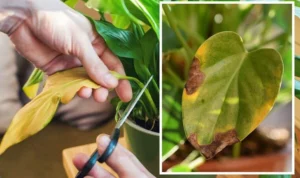
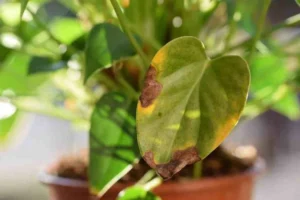
- Prune Away the Old: Snip off yellow or dying leaves without guilt, recognizing that clearing away dead weight allows the plant to channel energy into fresh growth.
- Ensure Proper Base Drainage: Always use pots with bottom drainage holes to prevent pooling water from suffocating roots and creating unwanted fungal issues.
Designing a Restorative Space in Your Home
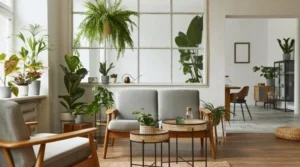
To truly harness the potential of plants for mental health, think intentionally about how you arrange your new companions throughout your home layout. Creating small, dedicated “green zones” maximizes their emotional impact.
Building Strategic Green Hubs
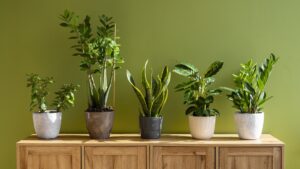
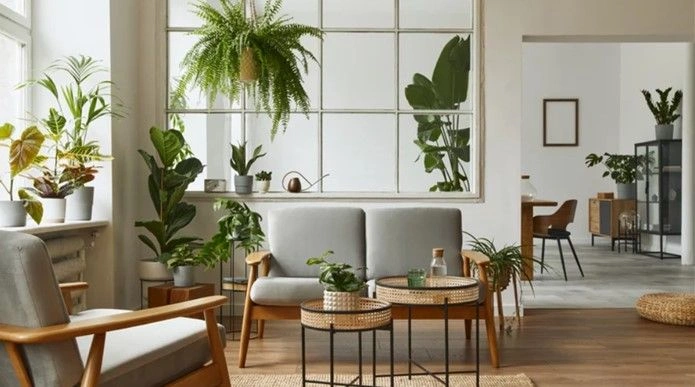
Avoid scattering your pots randomly in isolated corners where they can be easily forgotten. Instead, gather three to five complementary varieties together on a single table or shelf to create a dense, visually impactful cluster.
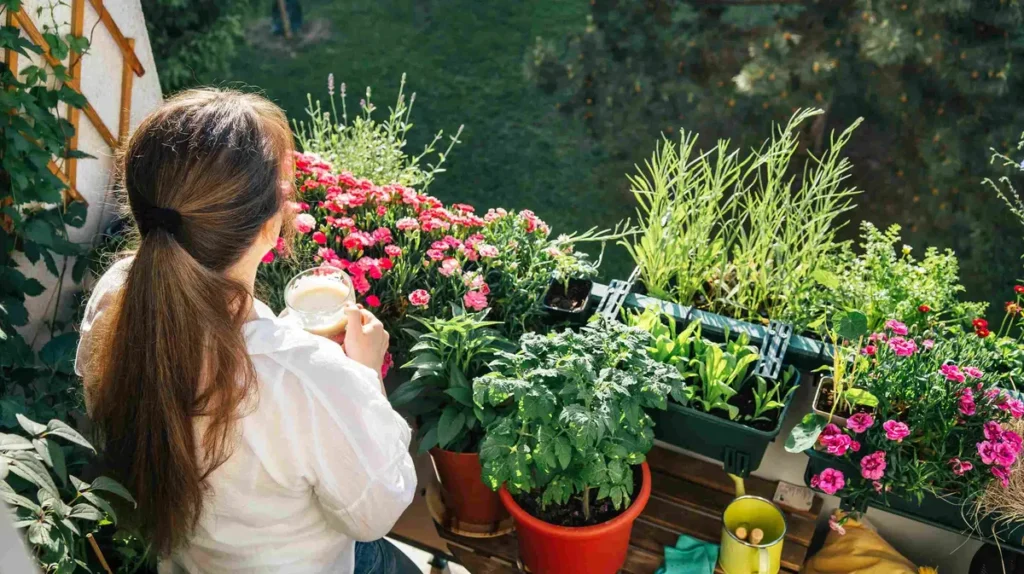
Placing a curated green arrangement directly within your line of sight, such as next to your morning coffee station or immediately across from your favorite reading chair, provides an instant, comforting anchor for your eyes during moments of high stress.
Conclusion
Embracing plants for mental health is a gentle, rewarding way to slow down, breathe deeply, and reconnect with the natural world.
Whether you bring home a single, resilient pothos vine to sit on your work desk or choose specific plants for anxiety to soothe your evening routine, you are taking a meaningful step toward protecting your emotional peace. The quiet presence of nature reminds us that growth takes time, seasons change, and beauty can bloom in the quietest corners of our lives.
When you are ready to start building your personal living sanctuary or need help choosing the most therapeutic varieties for your space, let Peeacelily guide your journey with our expert advice and beautifully curated botanical collections!
FAQs
Which indoor plant is easiest for anxious beginners?
The Golden Pothos. It thrives in low light, tolerates forgotten waterings, and grows fast—giving immediate visual reinforcement that builds plant-parent confidence.
Do artificial plants offer the same mental health benefits?
No. Fake greenery offers minor visual relief, but lacks the air purification, organic scents, and interactive care routines that drive true stress reduction.
Where should I place stress-relief plants in a bedroom?
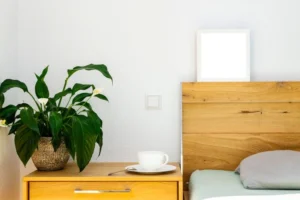
On your nightstand or a shelf near your bed so they are visible when waking up and sleeping. Snake Plants are ideal here as they release oxygen overnight.
Can indoor plants actually lower physical stress levels?
Yes. Interacting with soil and live plants suppresses sympathetic nervous system activity, lowering blood pressure and cortisol levels compared to digital tasks.