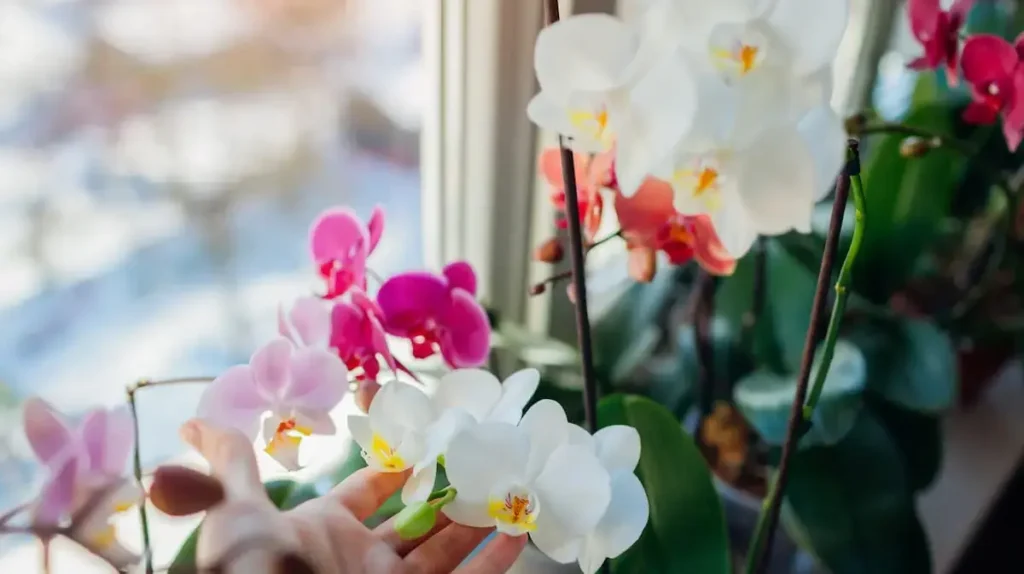
This guide explains how to keep orchids healthy by replicating their natural environment: bright, indirect light, proper watering (soak and drain), and high humidity. It emphasizes that orchids, often considered “divas,” thrive with consistent care. The guide covers essential orchid needs such as light, fertilization, and potted plant benefits, helping you achieve success in nurturing these beautiful flowers for blooming houseplants.
The secret to keeping orchids in your house goin’ strong is making their environment exactly (or as close as you can get) to what they encounter out in the wild: bright indirect light, the soak and drain method of watering so that you’re not overwatering them, and humidity high enough for a swimming pool party. With these simple orchid care tips, you can keep your flowers looking bright and fresh for weeks, or even persuade your plant to rebloom year after year.
Welcome to Peeacelily where we believe that every home deserves the grace of nature. Out of the several flowering plants indoors, Orchids are one of the top rewards. They’ve earned a name for being “divas,” but again, the key is just repetition.
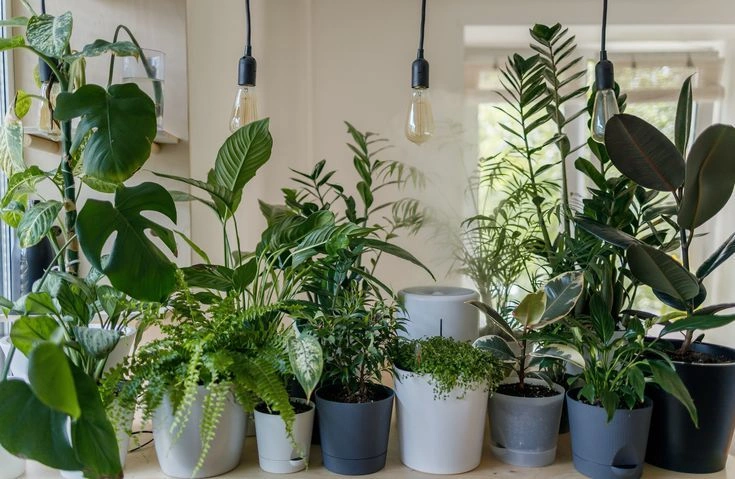
This guide walks you through everything, light needs, whether or not potted plants can really help level up your garden(yes)! to the nuances of fertilization, to make sure that your botanical journey is a successful one.
Understanding the Nature of Your Orchid
The first step to learn more about orchid care tips is to understand that many of the orchids, such as Phalaenopsis or Moth Orchid, the most common type, are epiphytes. Out in the wild, they do not grow in dirt at all; instead, they cling to tree bark and absorb moisture from the humid air and rain.
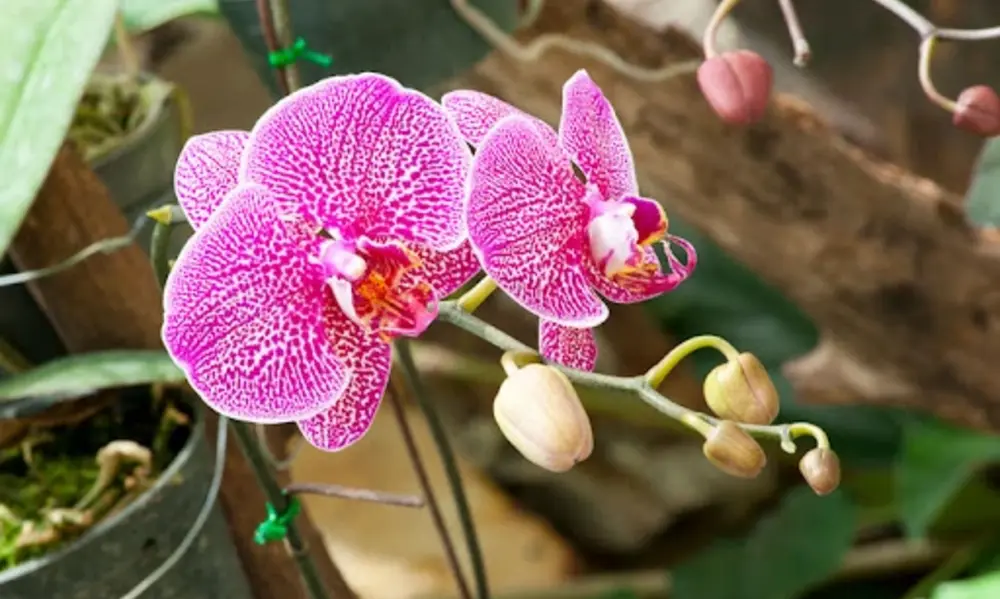
By taking these flowering plants inside, you are asking them to acclimate to an atmosphere that is a far drier, more stagnant one. Standard potting soil is the nemesis of the orchid and that is why. They require air flow around their roots so they do not rot, and a canopy like the one found in a rainforest.
The Golden Rules of Lighting for Blooming Houseplants
The most important reasoning factor for whether or not your orchid will flower again, perhaps, would be lighting. While most orchids want “bright-indirect” light, which is a place where they can see the sky but not be smacked by the fierce rays from the bright sun.
Finding the Best Window
Those flowering plants enjoy bright indirect sunlight (the “goldilocks” zone) coming in through an east-facing window. It gets soft morning sun but none of the brutal afternoon heat. If you do not have a window with a South and West direction, you can put sheer curtains on the window to diffuse sunlight into gentle light. This will save those sensitive leaves.
Reading the Leaves
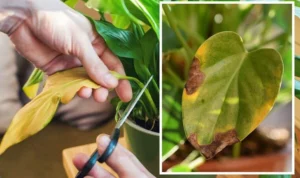
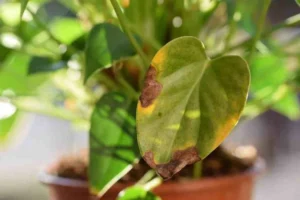
An orchid will let you know when it is happy. Shiny, grass-green leaves imply excellent lighting. If the leaves are dark, dense in bio, and a forest green, stay indoors. The plant is screaming for more photosynthesis. On the other hand, if your leaves are yellow or looking bleached, they can’t stand 42 Celsius crocks sun and must be moved immediately!
Mastering the Art of Watering
So if there is one single field in orchid treatment suggestions that is disregarded, it is watering. More orchids die from our own “kindness”, overwatering, than through neglect.
The Soak and Drain Method
Instead of watering the plant a little bit day by day, take a look at the soak method as soon as per week. Set your orchid (still in its plastic liner) into a bowl of water that is at room temperature for 10–15 minutes. Afterward, let it drain completely. These orchids can never stand in standing water, as they develop fatal root rot.
The Ice Cube Myth
Yes, we have heard about the three-cube method for watering once a week. This is where we at Peeacelily would recommend against. Orchids are native to tropical climates, so freezing water can shock their root systems and damage tissue. And as they always tell you, use lukewarm water and/or room-temperature water that simulates tropical rain.
Humidity and Temperature: Creating a Tropical Microclimate
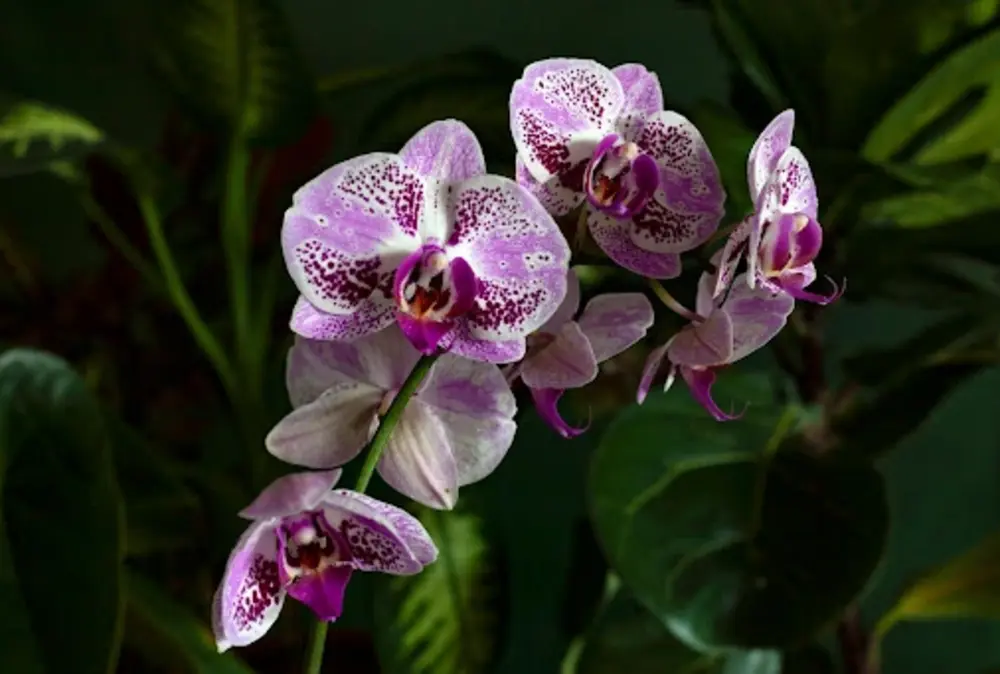
Since these are common blooming houseplants indoors, they tend badly with the atmosphere created by air conditioning in summer and heating systems in winter. Common orchids require humidity ranging from 40% to 70%.
Humidity Trays
If your home tends to be dry, set your orchid on a tray of pebbles and some water. Place the pot on top of the pebbles, never in the water. It creates a humid “bubble” around the plant as water evaporates. This is one of those equally basic orchid care tricks that can rescue a struggling plant in winter.
Temperature Fluctuations
Orchids enjoy a small temperature drop overnight. It can even cause a plant to send up a new flower spike to about 10 degrees of difference between day temperature and night temperature. Do not place plants near the drafty doors and heating vents directly in front of them.
Essential Orchid Care Tips Comparison Table
To simplify your routine, we have compiled this reference table based on the most common indoor orchid varieties.
| Feature | Phalaenopsis (Moth Orchid) | Cattleya (Corsage Orchid) | Dendrobium |
| Light Level | Low to Medium | Bright / Indirect | Very Bright |
| Water Frequency | Every 7–10 days | Allow to dry slightly | Weekly during growth |
| Temperature | 65°F – 80°F | 70°F – 85°F | 65°F – 75°F |
| Best Substrate | Bark or Moss mix | Coarse Bark | Perlite and Bark |
Feeding and Fertilizing for Maximum Blooms
While orchids are known not to be heavy feeders, they still require nutrients in order to facilitate those magnificent blooms. For fertilizing orchids, the mantra is “weekly, weakly”.
Apply a balanced orchid fertilizer diluted at one-quarter strength. Use this all the time you water during the growing season (spring and summer). During winter, you can scale this down to once a month. One of the best tips for orchid care is to supply nutrients consistently so that the plant has enough energy to bloom again.
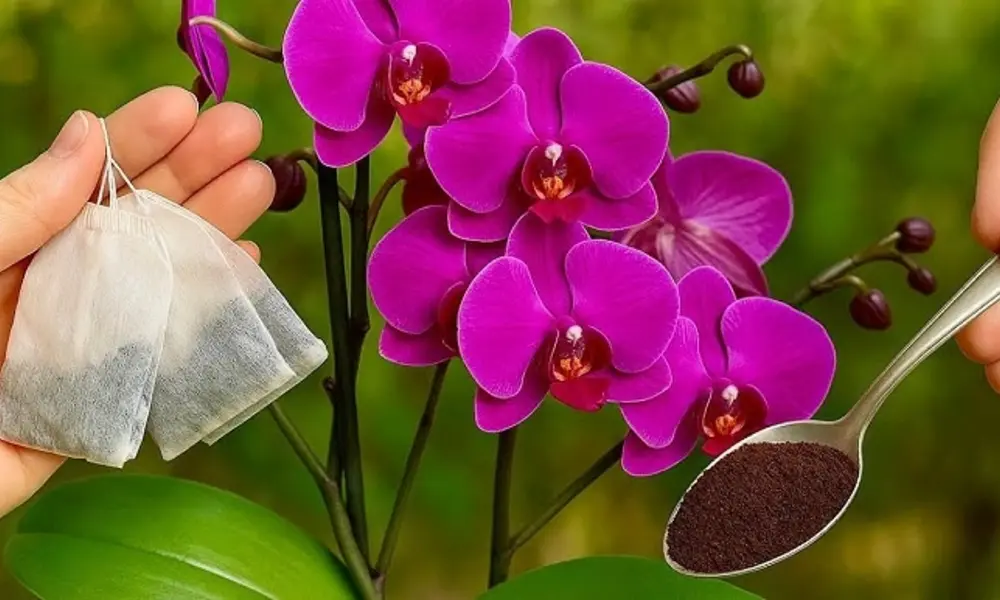
We recommend flushing the pot with just plain water every month here at Peeacelily. This washes out any excess salt that accumulates from the fertilizer and can actually burn those delicate roots.
Potting and Substrate Choices
Once you see your orchid has outgrown its home, usually, it means the roots are creeping out of the pot or the potting media has become something like “mush”, it’s time to repot.
The Right Media
Never use potting soil. Be sure to use a type of orchid mix, which will have the components fir bark, charcoal and perlite. This allows for respiration in the roots. If you grow flowering plants indoors (and have very dry climates), some sphagnum moss will help retain just enough moisture.
Choosing the Pot
You are supposed to be root-bound according to orchids. Only up the pot one size when repotting. They are great for clarity, since you can check the health of your root system without disturbing the plant. Roots should appear firm and Green or Silvery Grey.
Troubleshooting Common Orchid Issues
The best orchid care tips can help you avoid some challenges, but still may present one or two hurdles for you. So, here’s how to deal with the most common issues.
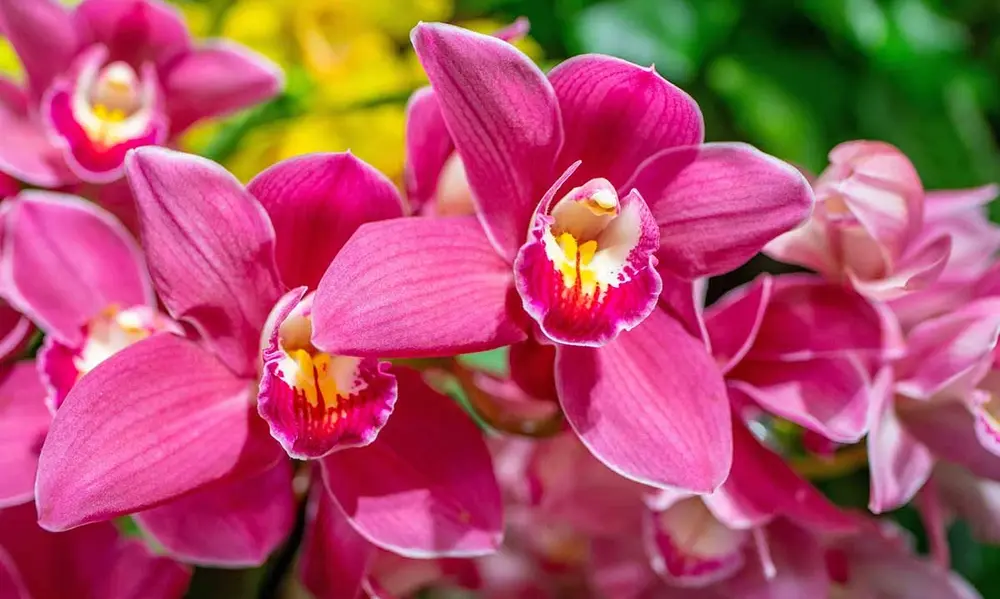
- Bud Blast: It is a condition that occurs in orchids where the buds show up on the plant but then drop or fall off before they even open.
- Sticky Sap: Clear sticky sap on the flower spikes is expected (in small amounts); however, if you notice tiny white fluff also present, mealybugs may infect your plants. Using a cotton swab dipped in rubbing alcohol, wipe them away.
- Stem Yellowing: After an orchid has completed its blooming, the spike can leave a yellow or brown line. You can prune it back to the base, allowing the plant to rest and prioritize energy on new leaves and roots.
It will take some work to get these flowering plants inside, but the aesthetic results are phenomenal. At Peeacelily, we know that when a gardener successfully gets an orchid to bloom for the first time they are hooked for life.
Conclusion
Orchids are a journey through observation and making small adjustments. In orchid care tips, with filtered light, timely watering, and a bit of humidity here and there, you turn your home into an indoor garden oasis. Keep in mind, orchids are not exactly sprinters; they do not instantly respond, so allow a couple of weeks for your changes to take effect.
Our mission at Peeacelily is to equip you to grow with confidence. Even if this is your first Phalaenopsis and you are a beginner, or you have been a serious collector of rare indoor flowering plants, the basics remain the same.
FAQs
When Should I Water My Orchid?
Water when roots turn silvery or grey. You can also check moisture by sticking a finger an inch into the bark—if dry, water.
Orchid Leaves Yellowing: Causes?
Yellowing may be due to sunburn or overwatering. Soft, yellow leaves indicate rot, while dry, crisp ones suggest too much sun.
How Long Do Orchid Blooms Last?
Orchid blooms last 6-10 weeks, with some like Phalaenopsis lasting up to 4 months if kept in stable, dry conditions.
Should I Prune the Flower Spike?
If the spike is green, trim it above the second or third node for possible secondary blooms. If brown and crispy, cut it at the base.
Are Orchids Safe for Pets?
Most common orchids like Phalaenopsis are non-toxic to pets but may be damaged if pets disturb them.