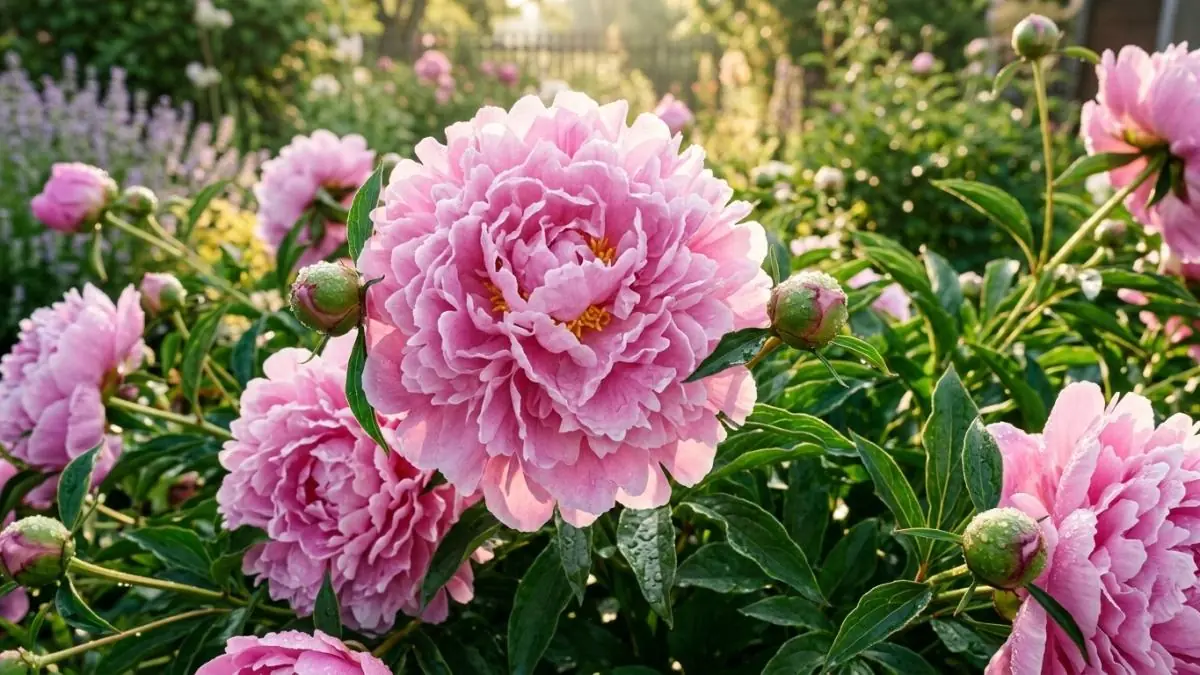
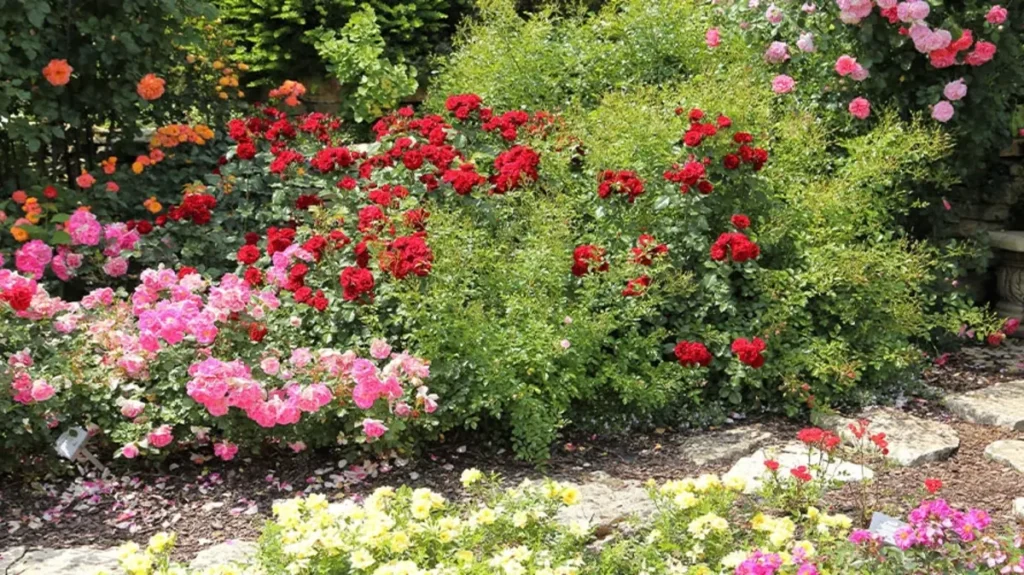
This guide provides essential tips for growing and caring for roses, whether indoors or outdoors. Outdoor roses need deep watering and six hours of daily sunlight, while indoor roses require high humidity, warmth, and light. Key care principles include proper soil, avoiding overwatering, and understanding rose anatomy to promote better growth. It’s a beginner-friendly approach to successful rose gardening.
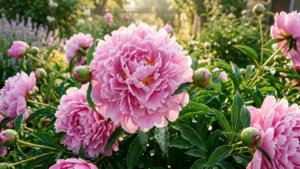
A blooming rose instantly gives an extraordinary touch to any setting; it comes with stunning color and fragrance that never gets out of style. Whether you are growing a more colossal backyard landscape or caring for a small windowsill pot, understanding how to take care of rose plants is 100% doable. We at Peeacelily know success comes down to a few basic principles: enough sunlight, no overwatering, and soil help.
Outdoor roses require deep watering and preferably at least six hours of sunshine daily to thrive. On the contrary, indoor roses require high humidity and light at a constantly warm temperature, to simulate their normal setting. Whether growing seeds is your first venture or you are an expert gardener, this guide will walk you through exactly what you need to know about rose plant care, wherever it is you decide to plant them.
Understanding Rose Anatomy for Better Growth
Knowledge of basic plant structural biology helps you care for your plants properly! The swollen area at the base of the stem is where that specific variety was grafted onto a hardy rootstock. Very important for this union to be safeguarded, especially in extremely cold climates.
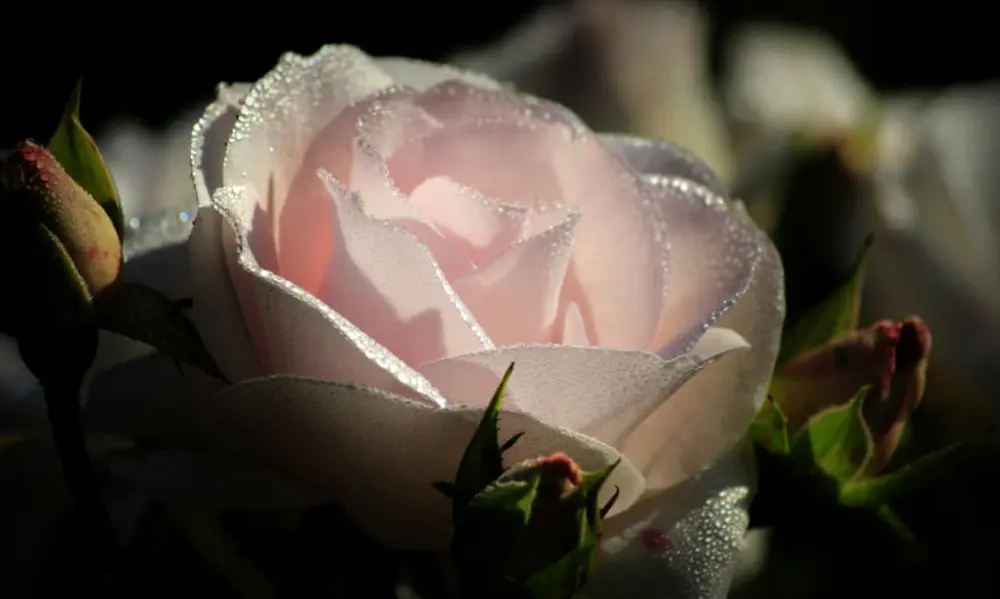
These canes are the primary support branches responsible for the growth of all foliage and gorgeous flowers. Knowing how these canes grow and age will vastly improve your pruning choices as the plant ages. Usually, a healthy cane is bright green and fleshy, but unhealthy or older, failing canes will deteriorate to woody twigs that look brown and dry.
Establishing the Right Environment: Rose Plant Care
Optimal Lighting Conditions
The Source of Rich Blooms and Strong Stems. Sunlight is the main fuel source for rich blooms and incredibly robust stems. Roses grown in outdoor gardens usually grow best when provided with about six to eight hours of direct sunlight each day, or so research shows. Morning sun is especially helpful as it quickly dries dew laid down overnight, thus preventing fungal growth on the leaves.
For indoor growing, keep your container in front of a very sunny window (facing south or west). In the darker winter months, you may be required to invest in a grow lamp. The first and one of the most important steps in successfully growing flowers indoors is making sure that you have enough reliable light.
Soil and Drainage Fundamentals
Roses hate having their roots in a basin of water, so drainage is certainly on any gardener. If growing outdoors, heavy clay soils should be improved with organic matter such as well-rotted compost or aged manure. This enhances soil aeration and enables the roots to reach deep into the earth with an adequate grip.
Always use a quality, well-draining potting mix that is designed for pots for indoor use. Make sure the decorative container has plenty of drainage holes all the way at the bottom. A good layer of perlite can also go a long way in improving the structure and preventing compaction of the soil mix used in pots.
Outdoor Cultivation Strategies
With its ample spacing, growing outdoors grants your plants the room to grow and spread freely. The space between your bushes is one of the greatest flower garden tips, so do not be a cheapskate going into it; make sure they are spaced well apart from the beginning in order to have good air circulation. Closely-planted plants begin to retain moisture, and they are much more vulnerable to wiping out diseases and pest pressures.
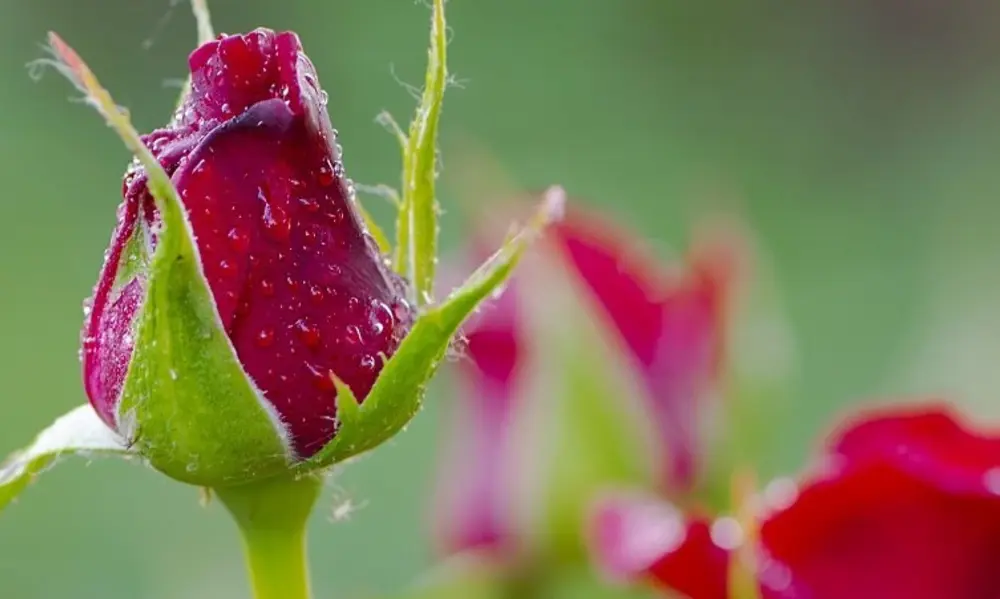
Outdoor watering should be thorough and more spread out, instead of sprinkling each day. By soaking the whole root zone, you promote deep and strong roots that last for years. Always water directly at the base of the plant to ensure that you keep those delicate leaves totally dry.
This is also one of the best and most crucial practices for a healthy outdoor bed floor. A layer of two to three inches of organic mulch will help keep essential soil moisture in place and keep temperatures from swinging widely above or below the ground. Soja also naturally suppresses the aggressive weeds that compete for precious water and vital nutrients.
Mastering Indoor Cultivation
In order to bring an outdoor plant indoors, you need to mimic its natural habitat, the one that it prefers. Indoor Rose Plant Care is mostly centered around control of humidity, as most contemporary indoor conditions tend to be exceptionally dry. Now, every day, heaters and air conditioners can suck the moisture out of the air so quickly that your delicate indoor plants may begin to lose leaves.
To mitigate this environmental impact, the Peeacelily team proposes laying down a shallow tray filled with pebbles and water under your pot. Since the water evaporates slowly, it creates a localized humid microclimate around the foliage. Or you can place a small, quiet humidifier near your tropical and flowering houseplants.
The best candidates for making the shift to indoor life are usually the miniature varieties. They will remain compact but give you that lovely traditional classic bloom you are after. Don’t forget to turn the pot 1/4 turn once a week so all sides of the plant receive equal, balanced light.
Essential Tools for Your Routine
The correct equipment makes routine maintenance of the plant considerably more convenient, time-effective, and safer. You don’t need an enormous, overflowing shed of gear, but buying a few good bits is well worth it. One of the best flower garden tips we can passionately pass along to newcomers is investing in quality, well-made tools.
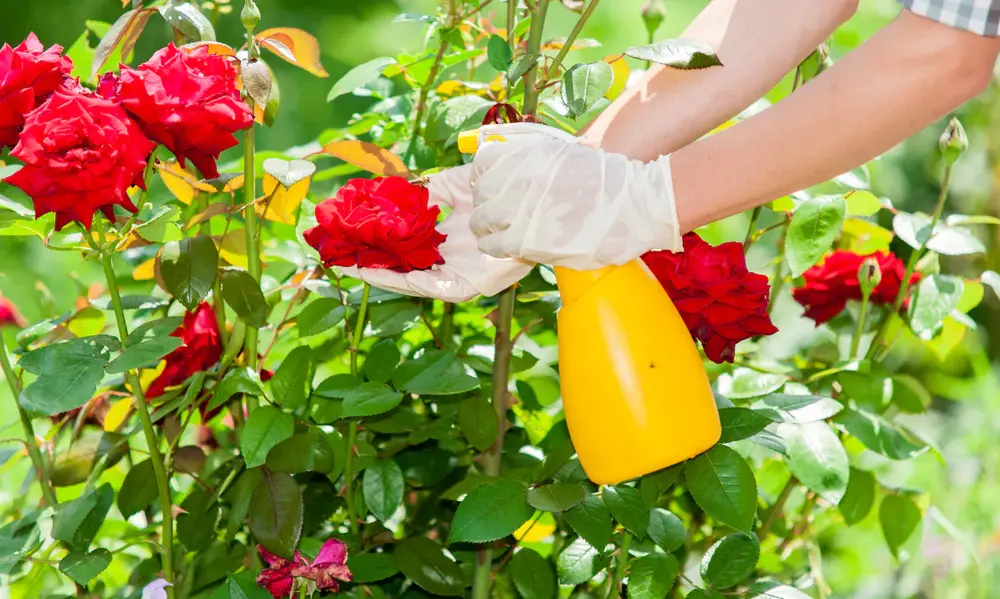
- Bypass Pruners: A variety of sharp cut available, not crushing the stems by mistake.
- Thick Gardening Gloves: Protect your hands and forearms from painful thorns.
- Long Spout Watering Can: Ideal for watering right at the soil level, avoiding splashing water on leaves.
- Moisture Meter: Great for indoor pots and the #1 cause of most overwatered plants
- Organic Fertilizer: Required to Feed Indoor and Outdoor Flowers During The Growing Season.
Owning your metal tools does not count if you do not keep them clean. Use up all your rubbing alcohol in between prunes to actively deter the spread of bacteria by wiping down your pruner blades.
Proper Feeding and Nutrient Management
Roses are notorious for being heavy feeders as they need a constant, dependable source of nutrients to support their grand blooms. The number one secret is a balanced fertilizer containing the right ratios of nitrogen, phosphorus, and potassium. Nitrogen promotes healthy foliage, and phosphorus is actively involved in strong root and brilliant flower development.
Apply slow-release granular fertilizer in early spring when new growth first appears outdoors. During peak flowering in the summer, you can easily add to that with diluted liquid feeds. To completely prevent fertilizer burn by accident, you should always carefully read and follow the instructions of the manufacturer.
Yes, indoor plants have a very limited root system and are completely dependent on you for their entire nourishment. When in the active growing phase, they really appreciate a light liquid fertilizer diluted to one-quarter strength every few weeks. Regularly flush the potting soil with simple water to avoid high mineral and salt accumulation.
Feeding Comparison Breakdown
Understanding the distinct differences in feeding environments is crucial for optimal plant health. Here is a quick, handy breakdown to help you manage your ongoing feeding schedule effectively.
| Environment | Fertilizer Type | Application Frequency | Key Considerations |
| Outdoors | Granular slow-release | Every 4-6 weeks (Spring/Summer) | Water thoroughly immediately after application |
| Outdoors | Organic compost | Annually (Early Spring) | Work gently into the topsoil layer around the base |
| Indoors | Liquid synthetic or organic | Every 2-3 weeks (Active growth) | Dilute to half-strength to protect delicate roots |
| Indoors | Foliar spray | Occasionally as a quick supplement | Apply early in the day to allow leaves to dry |
Step-by-Step Pruning Techniques
It promotes new growth, aids vital airflow, and gives the plant a well-rounded shape. It is a basic part of rose plant care that understandably contains lots of new growers at first. Rubric style is a bit cumbersome at first, but once you get the hang of it, this becomes easy and rewarding seasonal work.
- Remove Dead Wood: Prune off all brown, dry, or obviously brittle stems to the base.
- Center Open: Prune out crossing or rubbing branches to open up the center of the bush fully.
- Cut at 45 Degrees: All strategic cuts we had previously made will be cut at a 0-degree angle.
- Place Your Cut: Make sure that your cut is done about a quarter inch above an outward-facing bud node.
- Deadhead Often: Snip off spent flowers as soon as possible to help the plant direct its energy toward more blooming.
The most optimal time to perform a hard prune is late winter or early spring, just after the buds have begun to swell out of dormancy. On the contrary, deadheading must proceed infrequently and daily but only throughout the entire bloom season.
Pest Control and Disease Prevention
Not even the best-tended of gardens can avoid some hungry pest or persistent fungal issue now and then. Among the most shared are aphids, harmful spider mites, and ugly black spots. Your greatest defenses against these unwelcome visitors are constant vigilance and early intervention.
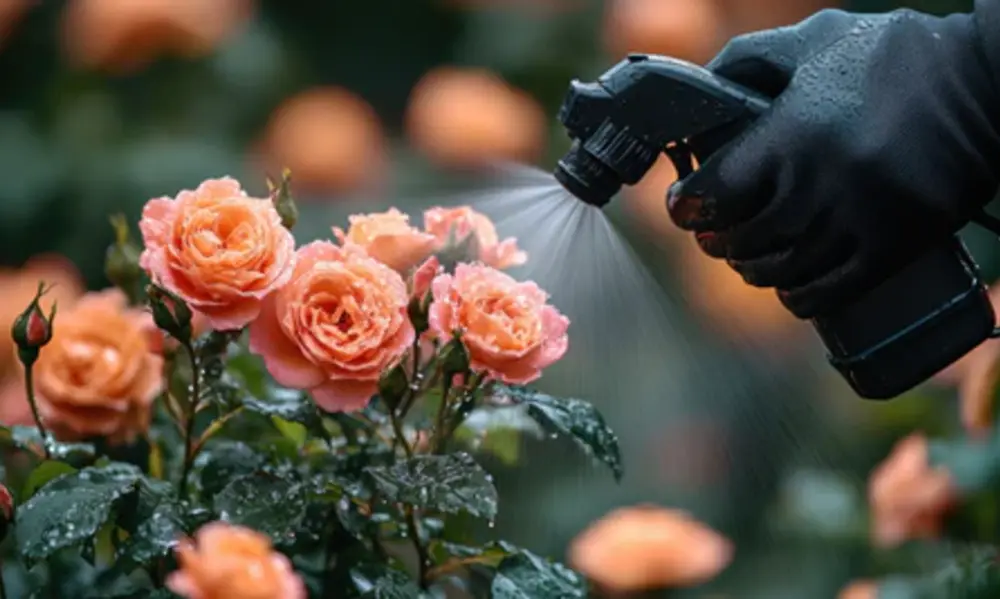
The best flower garden tip for pest management is thorough inspection on a constant basis. The insects love to hide under the leaves, so make sure you check the undersides of the leaves regularly. Outside, if you see aphids, a hard stream of water from the hose will usually be sufficient to blast them off.
For plants grown indoors, it’s quite effective to wipe the broad leaves with a slightly damp cloth. To get rid of insects, you can also spray on insecticidal soap. Water only at the soil level and allow proper air buffering for your plants to deter obstinate fungal diseases.
Seasonal Blooms and Winter Protection
In seasonal blooms, with temperatures now sinking down toward the autumn level, your outdoor plants will naturally start a restorative hibernation period. A major aspect of proper rose care for the winter to help them come back strong is preparing them correctly for the cold. Discontinue all fertilizing in late summer to subtly dissuade tender new growth that frost will kill.
Like for your outer shrubs, right when the primary hard freeze is headed for mulch around the base of the plant yet again snuggly with a heavy protective layer. Insulation sufficient to protect plants from frost is provided by an estimated eight to ten inches of compost or mulch at the proper time. It is this woolly mass that shields the bud union (the thick, hard area at the base of a grafted plant) from freezing temperatures and chilling winds.
Plants indoors will still barely grow, due in part to being kept a warmer house over the harshness of winter. At this resting stage, cut down greatly on watering, and do not feed. Then in early spring, you can go back to doing what you did before once the days start to stretch their legs again.
Finding the Right Varieties for Your Space
Not all roses are made equal, and choosing the right type of rose specific to your environment is critical. Climbing roses are great for outdoor trellises, and hybrid teas — well, they can provide those long-stemmed florist blooms. Shrub types are especially great for reduced maintenance, colorful landscape edges.
If you are only growing inside and want small, miniature or micro-miniature types is really your best option! They are bred by horticulturists especially for the special challenges of container life. One of the best flower garden tips for success that lasts is integrating the appropriate variety into your space.
Allow yourself plenty of time to investigate the actual requirements and proclivities of whichever variety you select. Some may be bred for amazing, room-filling fragrance, while others are developed solely for their impressive, strong resistance to diseases.
Conclusion
Cultivating beautiful, classic blooms requires a blend of patience, daily observation, and unwavering consistency. From ensuring the perfect soil drainage to safely mastering the art of pruning, effective rose plant care is a rewarding journey. Whether your garden is a sprawling outdoor landscape or a sunny living room window, the effort is undeniably worth it.
Remember to always water deeply, feed your plants regularly, and keep a constantly watchful eye out for troublesome pests. The team at Peeacelily sincerely hopes this detailed guide empowers you to grow your collection with absolute confidence. Enjoy the peaceful process, and may your home and garden be filled with spectacular, vibrant flowers season after season.
FAQs
How often should I water my indoor roses?
Water your indoor potted plants when the top inch of the potting soil feels completely dry to the touch. Ensure all excess water drains away completely from the bottom to prevent devastating root rot.
What is the best time of day to water outdoor roses?
Early morning is consistently the ideal time. This allows the root system to absorb moisture before the midday heat and gives the foliage ample time to dry out.
Do coffee grounds improve rose plant care?
Yes, adding a small amount of used coffee grounds can slightly acidify the soil and provide a gentle nitrogen boost, which is excellent for rose plant care.
Why are the leaves on my plant turning yellow?
Yellowing leaves can clearly indicate several issues, but accidental overwatering or a severe lack of nitrogen are the most common culprits. Check your container’s soil drainage first.
Can I use regular garden soil for potted roses?
No, regular garden soil is far too heavy and will quickly compact in a container, suffocating the roots. Always use a high-quality, well-draining potting mix designed for container gardening.