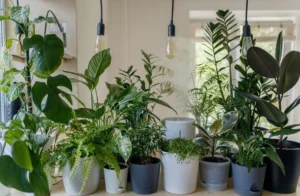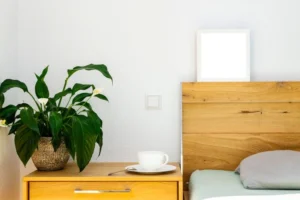
Bring the hues of a garden indoors for longer than a typical bouquet by selecting suitable indoor flowering plants. With the right choices, you can enjoy a rotating display of nature’s beauty year-round. By selecting species that thrive in your home’s specific light levels and temperatures, your home can bloom continuously.
Introduction
You bring the hues of a garden indoors for longer than it takes your bouquet to die (around seven days!). By selecting suitable flowering plants indoor you allow for a rotating exhibit of nature’s eye candy all year round.
As long as you choose species that will do well in the specific light levels and temperatures of your house, your home can bloom from January to December. So starting with seasonal favorites such as Amaryllis for winter or African violets for summer, you can have a perennial indoor paradise that freshens your home.
You are about to start your journey into Peeacelily, because we believe that a home that blooms is a happy home! No matter if you are a seasoned plant parent or a rookie looking for your first pop of color, learning the needs of your plants by season is the secret. This guide will show you the best garden choices for each quarter of the year and provide crucial tips, such as hibiscus care, to help your beloved tropical blooms flourish.
Why Flowering Plants Indoor Change Your Home Environment
Bringing Life in Your Interior Design Is Not Only About Aesthetics Studies indicate that having flowering plants inside can improve cognitive knowledge and decrease stress significantly. One of the psychological “wins” that comes with propagating a plant you are caring for is when its finally pushes out a bud and bursts open with a brilliant flower.
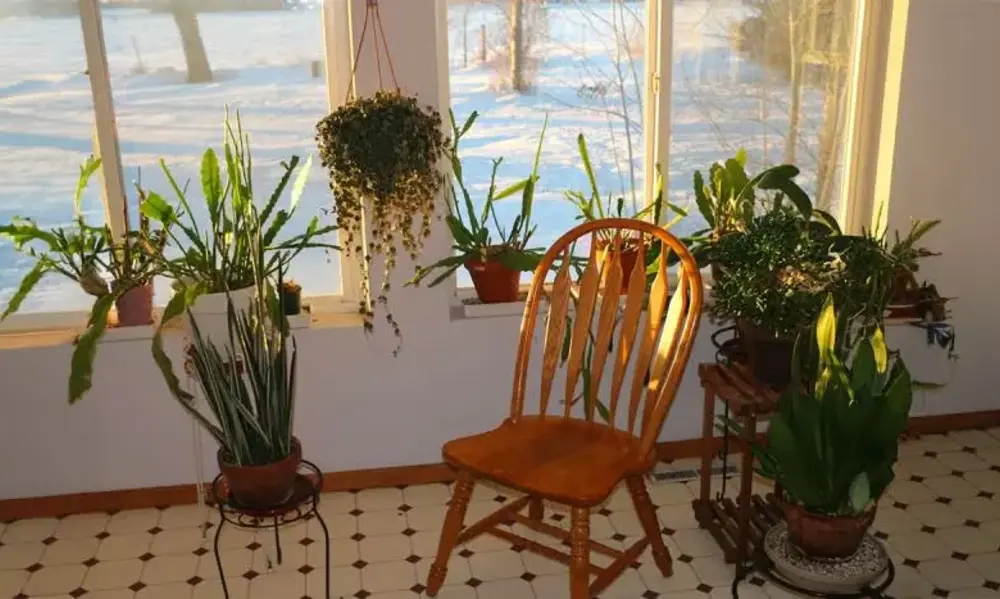
We at Peeacelily care about visual impact plants, that means cool-looking stuff that you can grow without a plant degree. Whether you enjoy the subtle aroma of Jasmine or the loud, architectural introduction of an Anthurium in your home, houseplants are literally living works of art. But they need their seasonal care to remain looking their best, which means you have to harmonize care with the changing seasons and available light in your home.
Spring: The Season of Renewal and Bright Whites
The days have started to get longer, your indoor garden is waking up. Many flowering plants indoors are entering their strongest phase of growth.
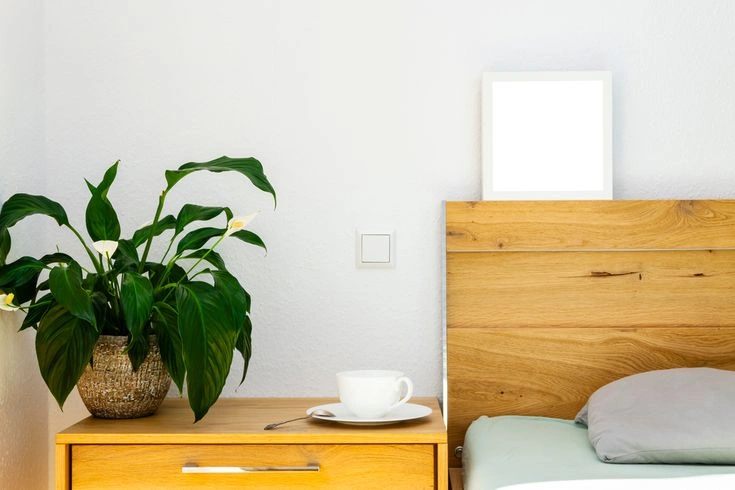
Peace Lilies (Spathiphyllum)
Our name is not a secret at all; the Peace Lily is the king of indoor beauty. They send out beautiful white sails that spathe about. They are extremely communicative and will very quickly droop if thirsty only to bloom back to life within the hour upon watering.
Cyclamen
I find these the ideal early spring layer when air is still a little crisp. Known for their cool outdoor environment and “upside-down” petals, cyclamen bloom in unique shades of crimson, lavender and white. Grown from a bulb, they should be watered from below to avoid rotting the crown and love bright indirect light.
Summer: Tropical Vibes and Bold Colors
It is time for the heavy artillery when the sun is at its zenith. In summer, you should turn your attention to tropical species that love heat and light.
The Tropical Hibiscus
The summer of hibiscus. These florifloras are commonly grown on patios but make such terrific house plants if you have a very bright south-facing window. If you want to have success with them, learn how to be proficient in caring for hibiscus. This means keeping high humidity and never allowing the soil to fully dry out.
You also need to give your hibiscus a regular supply of fertilizer. These are heavy feeders in the summer. For your hibiscus to bloom, and grow those big bumpy blooms more like dinner plates than lots of green foliage — you need a fertilizer that is rich in potassium. This is why at Peeacelily, we recommend misting the leaves every day to replicate the humid tropics.
African Violets
African Violets are your summer bff if you have no gigantic south-facing window. They love the dappled light of a kitchen windowsill and can flower nearly year after year if they are content. Much like that plant, they do not want their leaves wet and prefer lukewarm water.
Autumn: Rich Tones and Unique Textures
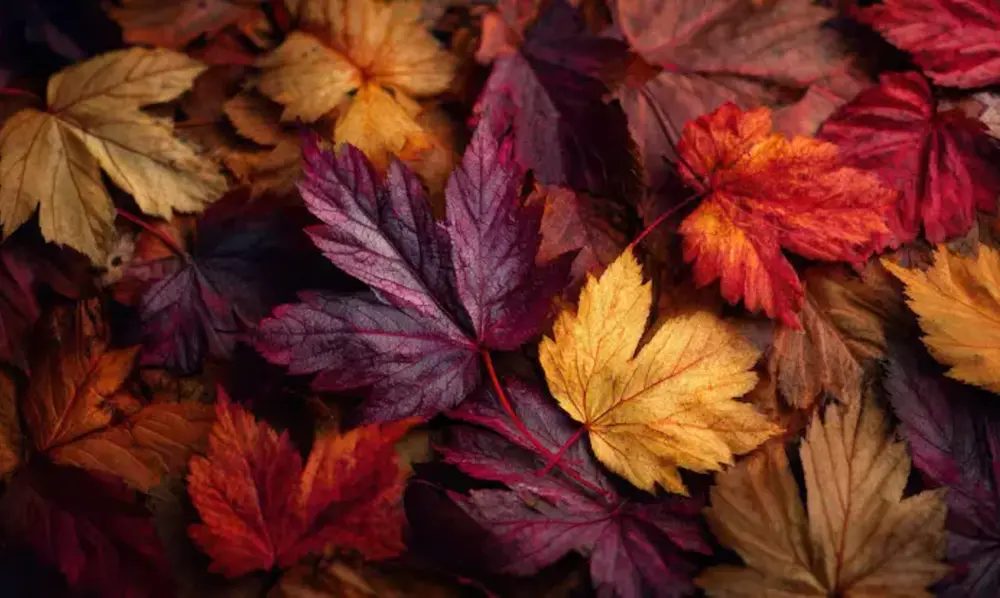
Once light departs for cooler air, go with resters or those that bloom just when days get short.
Kalanchoe
These succulents are incredibly hardy. They bear a profusion of miniature, star-shaped flowers in radiant oranges and yellows that complement the autumn splendour taking place outside. As succulent plants, they are very forgiving if you forget to water them for a week or two.
Chrysanthemums (Indoor Mums)
Indoors, potted mums captures that classic autumn vibe, even if they’re frequently appropriate for porches. The colors they come in are almost infinite. If you want to prolong their blossoms, place them where they can be out of direct heat from sources like radiators.
Winter: Defying the Chill with Holiday Blooms
As indoor flowering plants go, winter is arguably the most critical time. A burst of indoor color is literally a lifesaver for those winter blues when the world out there turns grey and dormant.
Christmas Cactus (Schlumbergera)
These are jungle cacti, as opposed to their desert cousins. They flower triggered by the shorter days and cooler temperatures. They create brightly colored pink and red tiered, tubular flowers. They can live a number of decades, commonly handed down through the generations because ” heirloom plants “.
Amaryllis
These are the goliaths of the winter windowsill. They emerge in profusion from a large bulb, each thick stalk topped with huge trumpet-shaped blooms. They’re one of Peeacelily’s winter must-haves because they’re basically a mini fireworks show that requires no effort (apart from adding water to a bowl and lighting them on fire).
Quick Reference: Seasonal Blooming Houseplants
| Season | Top Plant Choice | Light Requirement | Watering Habit |
| Spring | Peace Lily | Medium / Indirect | Keep moist, don’t soak |
| Summer | Tropical Hibiscus | Bright / Direct | Daily in heat |
| Autumn | Kalanchoe | Bright / Indirect | Let soil dry completely |
| Winter | Christmas Cactus | Medium | Water when top inch is dry |
Essential Tips for Long-Term Success
Having flowering plants indoors works quite differently from outdoor gardening. Indoors, you are the weather. You hold the rain (the watering can), the sun (placement) and the wind (airflow).
The Importance of Drainage
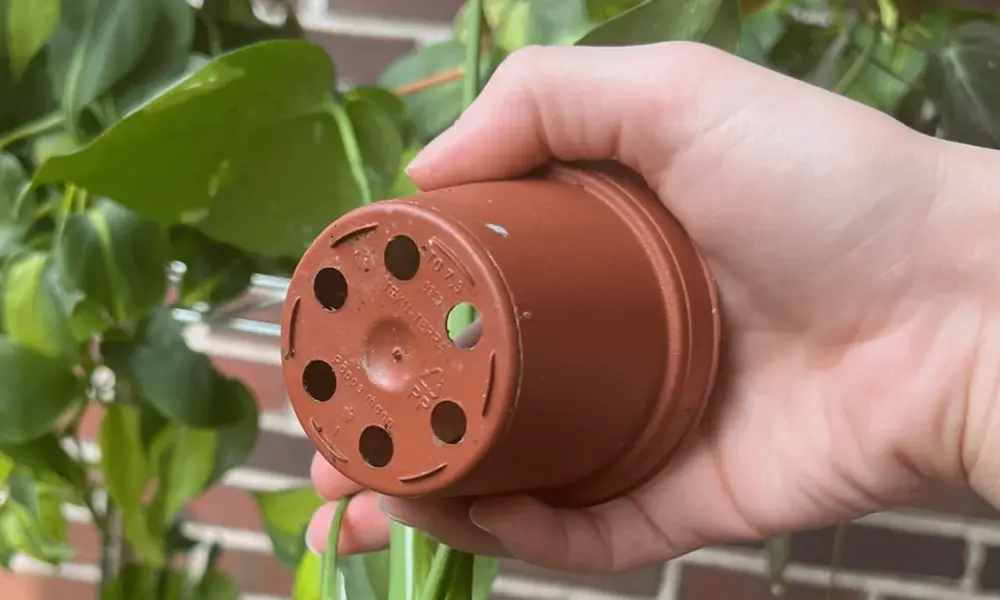
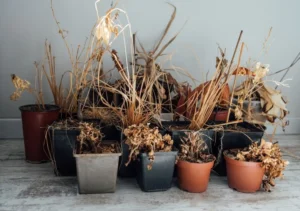
The worst mistake for your indoor flowers is keeping them in water that has evaporated. Make sure the pots you are using always have drainage holes. If you see a stunning decorative pot at Peeacelily (without a hole in the bottom) brandish it as a “cachepot”, place your plant in a plastic nursery pot and pop it into this pretty one.
Light Management
That, as the seasons change and are all but different than the path of the sun. A spot that was “light indirect” in summer may be “dark and gloomy” in the winter. Be not afraid to shift your plants. When your flowering plants indoor is not receiving enough light, they will either be leggy in reaching to the window or they won’t flower.
Humidity and Airflow
Resp:As flowering plants mostly have their origin in the tropics and especially the subtropics. All homes are notoriously dry places at times of the year, especially in winter. When plants are grouped together in the garden, they create their own little microclimate that allows them to share moisture through transpiration.
Deep Dive: Mastering Hibiscus Care Indoors
The Hibiscus is one of the most popular plants, so let’s take a closer look at its individual requirements. Hibiscus care is about consistency. If you transplant a hibiscus or even just change its watering schedule, it will usually drop its buds in protest.
- Temperature: Maintain your hibiscus in the 60 – 85 degree range.
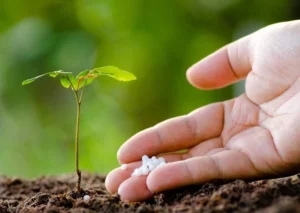
- Fertilizing: Use a formula with less than 1 middle number (Phosphorous) A lot of Phosphorus can cause harm to your hibiscus over time.
- Pruning: You should not hesitate to give your plant a cut in the early spring. This supports the creation of new branches, and more branches mean more flowers.
At Peeacelily, we have learned that with good, consistent care, a hibiscus plant will stay alive for more than 20 years, making it a real family.
Troubleshooting Common Issues
With the best intentions, things can always go wrong. This is how to deal with the most common plant “cries for help”.
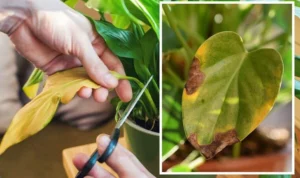
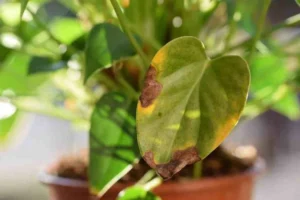
- Leaves Turning Yellow: Usually Indicates Overwatering or a Sudden Drop in Temperature. Look for mushy roots, which means you have to choose a pot and exercise watering.
- No Blooms: Generally, a light problem. Almost all flowering plants grown indoors require some amount of “light energy” in order to produce a flower. Move it closer to a window.
- Brown Leaf Tips: This usually indicates low humidity or too much salt buildup from reservoir water. Use filtered water and boost the humidity.
Creating a “Peeacelily” Sanctuary
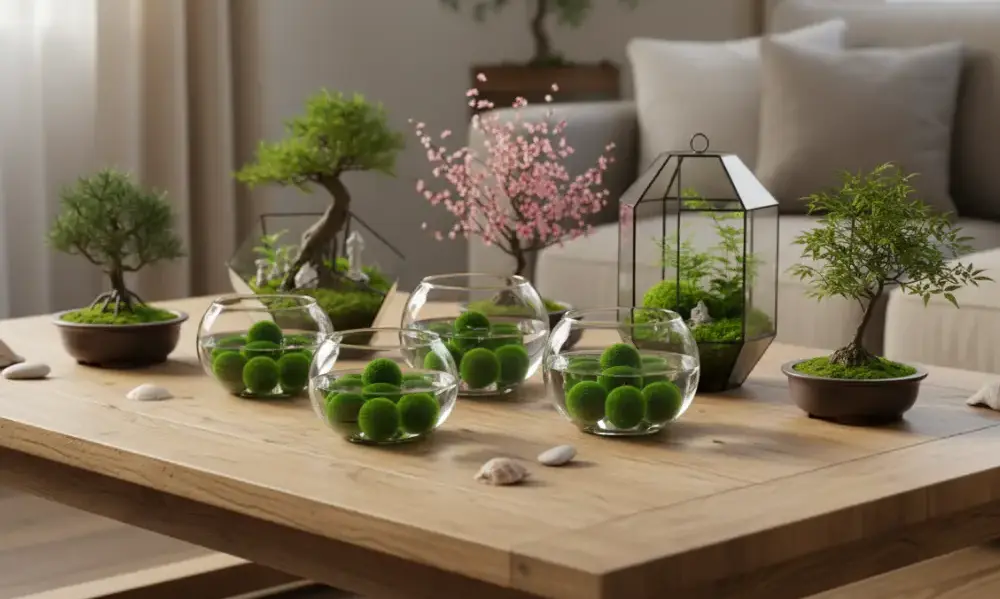
The foundation of the Peeacelily brand is that nature should be “not out there.” You are to have it in the here, your kitchen, your bedroom and your office. The right flowering plants indoor lets you design an atmosphere according to your mood and based on the season.
This is when you start spotting aphids and other pests and it is the moment when, you get acquainted with the gentle (and disappointing) communication of your plants. The faint shift of leaf hue before a blossom or the morning stretch of a plant reaching for sun. You will always be rewarded with this connection indoor gardening.
Conclusion
The indoor growing of flowering plants is a long-standing legitimate course in the assistance towards bringing life and productivity to different areas throughout your home. Choosing plants that are best suited to each season the spring Peace Lily, the winter Christmas Cactus, guarantees your plants can be in bloom year-round.
Keep in mind that consistency is everything: be mindful of your light sources, water consistently, and don’t forget to set aside time for specific tasks such as hibiscus for your tropical beauties!
FAQs
What is the easiest flowering plant to grow indoors?
The Peace Lily is the easiest, thriving in low to medium light and signaling when it needs water by drooping leaves, perfect for beginners.
How do I get my indoor plants to bloom again?
Most plants need a “trigger” like more light, specific fertilizer, or cooler temperatures (e.g., Christmas Cactus). Meet the plant’s light needs for blooming.
Is hibiscus care difficult for beginners?
It’s moderate. The challenge is providing enough light and humidity. With a sunny window and regular misting, hibiscus can thrive indoors.
How often should I water flowering plants indoors?
Use the “finger test”—if the soil feels dry an inch down, it’s time to water. Summer plants need more water than winter plants.
Can I use regular garden soil for indoor pots?
No, garden soil is too heavy and may contain pests. Use a high-quality indoor potting mix for better drainage and aeration.