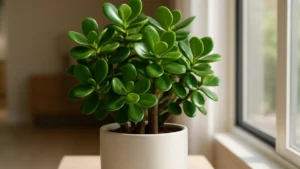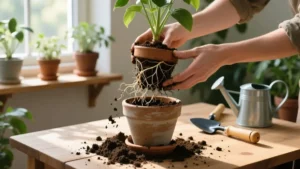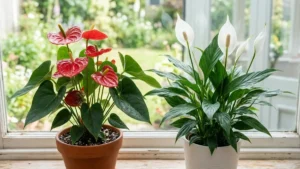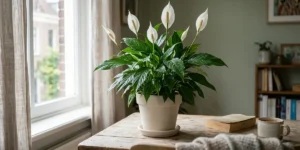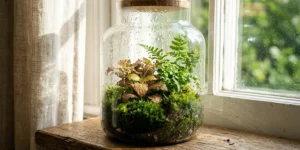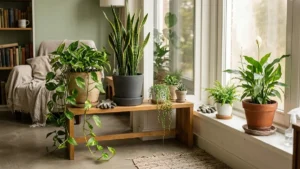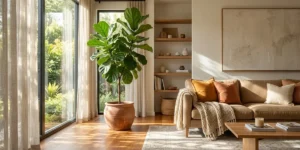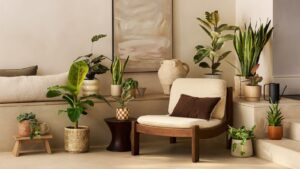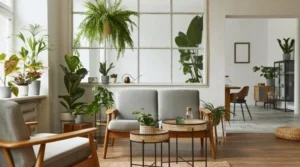
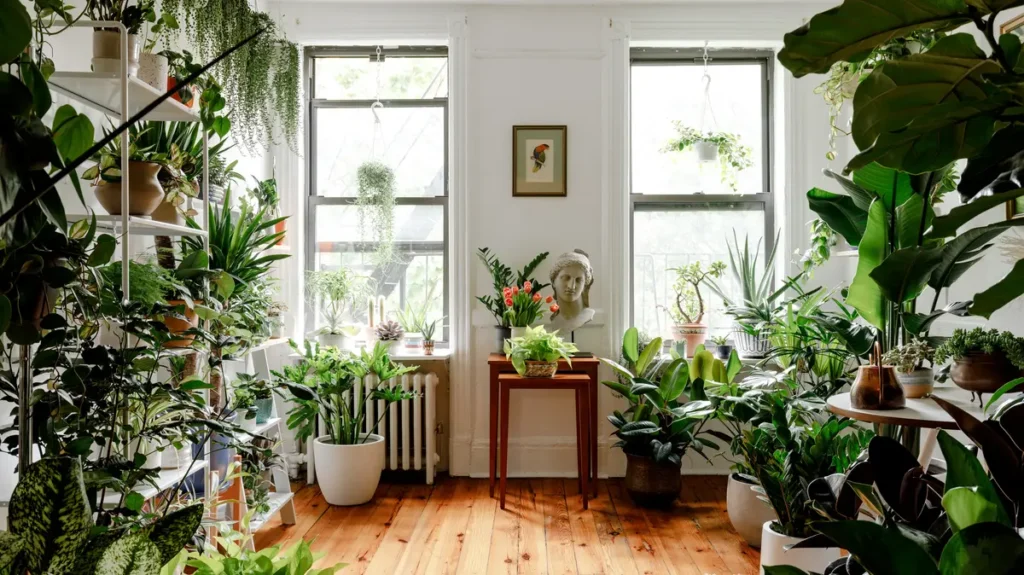
Houseplant interior design brings a sense of vitality, blending aesthetics and wellness. Incorporating living greenery into your home creates a balanced ecosystem that enhances both the atmosphere and your well-being. It’s more than just decoration; plants contribute to a calming environment, improve air quality, and add natural beauty, creating a space that supports both style and health.
Introduction
You walk into a room that almost restores your vitality. The air is cool, the colors are bright, and there is that sense of calm only Mother Nature grants.
This is the magic of houseplant interior design. Incorporating living greenery within the framework of your home is more than just decoration; it creates a balanced ecosystem that blends aesthetics and wellness. This means adding plants with different heights, working in leaf textures that resonate with your furniture, and pots that match your color palette.
At Peeacelily.com, we believe that a home without plants is like a story without a script. Indoor plant styling is the art of smart placement of vegetation to highlight architectural features and soften modern entertainment. Let’s explore it!
The Core Principles of Houseplant Interior Design
Plants require a different way of designing. You are required to attend to a plant as you would a fine antique, because they cost that much money. Unlike art, it has form and hue and a certain “mood” that enhances or fights against the ideal decor you have already created.
Understanding Scale and Proportion
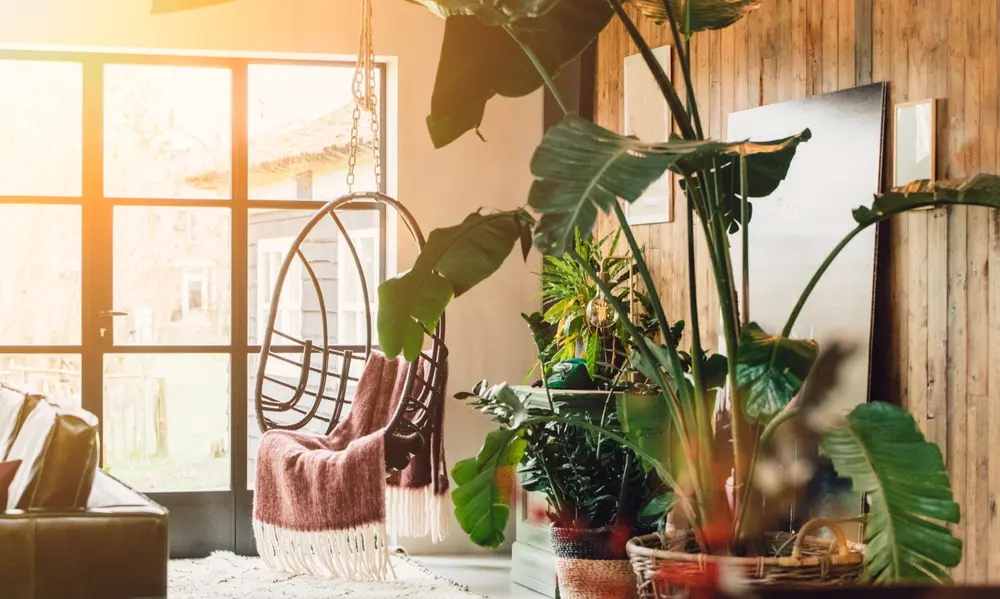
The poster child for this mistake is a common one: the plant that outgrows its space. A little succulent on a coffee table is going to be lost when you have high ceilings. Instead, place a big plant below, such as Strelitzia (Bird of Paradise), to redirect the eye towards the top.
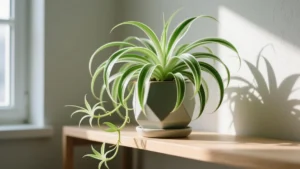
An indoor plant styling in a smaller apartment, focusing on smart “verticality.” Employ floor plants that are slender and tall, such as the not-so-well-known Snake Plant or Dragon Tree.
They give you the fullness of a bigger plant without taking up valuable square footage. Peeacelily always recommends pedestals or plant stools to create height for medium plants because the added elevation will help make a large leafy type of plant feel more significant in a room.
The Science of Light and Placement
You can not build a Green home without honoring the sun. Monitor the light in your room for a full day before putting down a plant. Succulents that love the sun will want the “prime real estate” (South-facing windows), while North-facing windows are just right for ferns and Calatheas.
Deco almost looks after itself, when the styling matches the natural environment of your indoor plant. An exuberant, deep-green Monstera looks like decor; a yellowing, drooping slope looks derelict. Consider your biological needs alongside your visual goals to keep that houseplant interior design lively all year.
Room-by-Room Strategies for a Green Home
Each room has its own function, and your green partner should too. Things like the humidity of bathrooms and the tranquility of bedrooms can be controlled by using plants for every single space.
Living Room: The Social Hub
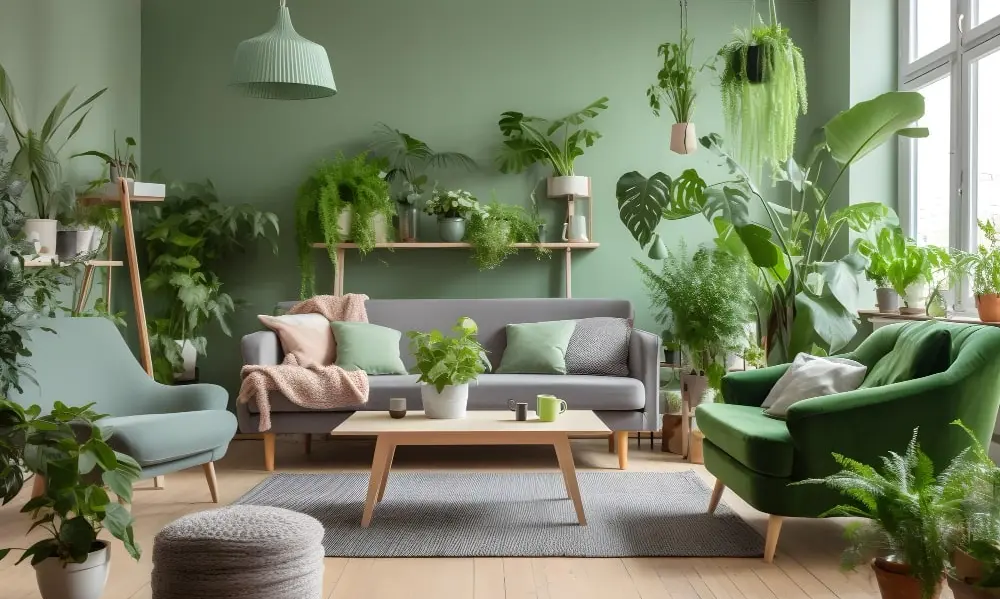
Interior design for houseplants will shine in the living room. This is where your “statement” pieces go. Imagine a giant Fiddle Leaf Fig stationed in the corner by the window. Giving a huge hit of plant texture, wide violin-shaped leaves
For a layered appearance, cluster three different sizes of plants within reach of where you sit. Causing a, “Jungle nook”, effect that gives the space a home feel. At Peeacelily, we advocate varying leaf shape, a good mix for contrast, think spiky fronds of a Parlor Palm styled next to the circular soft leaves of a Pilea Peperomioides.
Bedroom: The Sanctuary of Sleep
The bedroom indoor plant styling should be focused on relaxation and air quality. For example, Peace Lily or Sansevieria is known for its air-purifying aspects.
Keep the styling simple here. A graceful plant on a nightstand or a suspended Pothos in the corner adds softness, nature, and an organic touch without filling up the visual field. We want it to be a place that feels new when you wake up, but peaceful before you go to sleep.
Kitchen and Dining: Functional Beauty
Kitchens usually lack ample counter space, so check the tops of cabinets or on windowsills. Successful houseplant interior design—composed of usable, culinary herbs in this instance, basil, mint, and rosemary—and a refreshment-based pantry.
Employ plants in the dining room as a “living centerpiece.” Instead of a traditional bouquet, use a low-profile bowl with succulents or one dramatic air plant. This gives a modern, eco-friendly flavor to your dinner parties.
Matching Plants to Your Interior Style
Just as you wouldn’t put a Victorian velvet sofa in a sleek industrial loft, some plants fit certain design aesthetics better than others.
| Design Style | Key Plant Characteristics | Recommended Species |
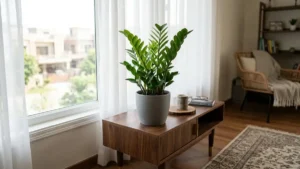
| Minimalist | Sharp lines, architectural shapes | ZZ Plant, Snake Plant |
| Bohemian | Trailing vines, wild textures | String of Hearts, Boston Fern |
| Mid-Century Modern | Large, iconic leaves | Monstera Deliciosa, Rubber Tree |
| Industrial | Hardy, sculptural forms | Cactus varieties, Yucca Cane |
Using houseplant interior design effectively means choosing a pot that reflects the room’s character. A concrete pot fits an industrial vibe, while a woven seagrass basket from Peeacelily adds warmth to a Boho or Scandi-style home.
Expert Tips for Indoor Plant Styling
Where styling comes into play is the space between “you’re just a plant hobbyist” and “interior designer”. Everything from the final touch , aesthetics rather than ambience to give you a curated and not stained collection.
The Art of the Vignette
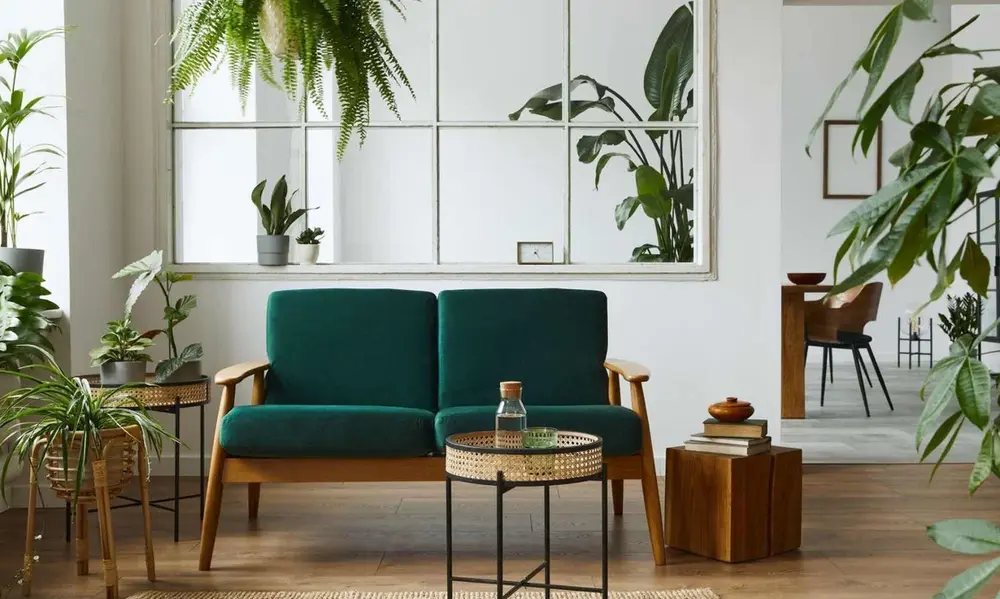
Whatever you do, please do not just line your pots up in a row like soldiers. Create small “vignettes” or stories. Hold that cup next to art books, a scented candle, and a small sculpture–then put a plant there. This connects the plant with the human components of the home.
Styling with containers is also important when decorating indoors. Your pots don’t need to match exactly, but there should be some common thread between them: clay ones in shades of terracotta or all with a matte finish. It gives a more harmonious appearance, which appears deliberate.
Utilizing Negative Space
In houseplant interior design, it isn’t just about what you fill your area with — somewhat it is as much about what you do not. In a heavily decorated or colorful area, simple dark green leaves create an eye resting point.
Resist the urge to jam a plant in every available hole. A single, substantial, and well-placed shape often makes a better start than five cramped ones barely getting by. The Go Gothic rule at Peeacelily is the “breathe” rule. Give each plant just enough space to see its own silhouette from the room next door.
Maintenance as a Design Element
One of the main components of maintaining houseplant interior design is to maintain the “design” portion of it, looking new. Plants are alive, growing things that lose parts of themselves and get a little dirty now and then. All the surrounding processes in which maintenance becomes part of your day-to-day decor routine are what you must treat so!
- Rubbing the Leaves: Large-leaf plants like most Rubber Trees collect dust that dulls their natural luster. Once a month, wipe them down with a soft cloth and give them a damp spot.
- Pruning for Shape: If your plant, such as a vine, is becoming too leggy or a tree is profusely thick on one side and lopsided (and you can’t rotate it), prune as needed. Pruning promotes fuller growth and restricts the plant within the “bounds” of your design.
- Top Dressing: Add decorative gravel, moss, or bark on top of the soil. This conceals the ugly brown soil and finishes off the pot with a polished, designer touch.
Most plants exhibit positive phototropism, meaning they grow towards the light; however, there are exceptions. To make sure this one grows straight and gets a balanced shape through the pot, you need to rotate these pots now and again, every few weeks.
Why Invest in Professional Houseplant Interior Design?
Buying a plant is easy, but blending it with cohesive design takes some work. The benefits, however, are immense. And not just for the aesthetic “wow” factor; a green home is also a healthier home. Plants can help to raise humidity in dry indoor conditions, which can be a boon for your skin and respiratory health this winter.
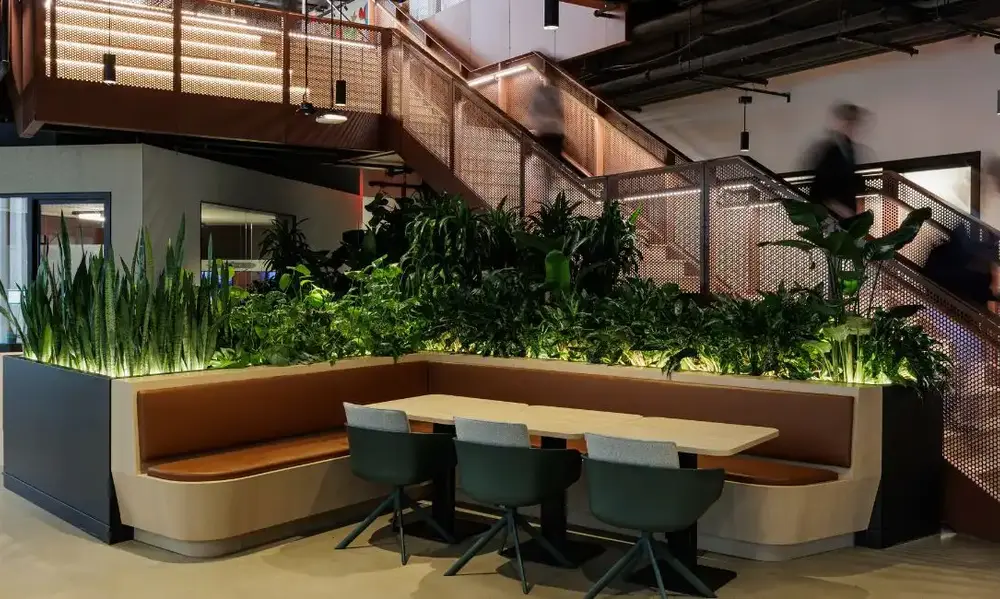
Moreover, indoor houseplant designs are also proven to stimulate creativity as well as concentration. Can simply work from home and get the best results- keep a plant in line of sight, which reduces brain fatigue.
Peeacelily Direct I expect you to invest in the well being of yourself, think of plants as that investment. They are one of the only decor items that get more valuable and prettier over time.
Creating Texture and Depth
The well-styled indoor plants have layers of texture. Plant texture is derived from the leaf surface: fuzzy, waxy, matte, or ruffled.
We create depth by positioning a soft feathery Asparagus Fern at the front to contrast with the dark sheen, artificial green on a filler Rubber Tree. The eye senses all the layers of light and shadow it helps feel the room more like a 3D space. This is a nifty little designer hack to instantly upgrade the feeling of your space without shelling out thousands on renovations.
Conclusion
Houseplant interior design is a rewarding union of artistry and nature. You can create a beautiful, restorative space if you learn your light, pick the right plant home decor, and employ smart indoor plant styling techniques! Remember to take it slow, less is more, and let your collection grow along with you.
You want to bring the outside into your life, but you have been trained that it is ok at the Garden. Peeacelily is here to change that.
FAQs
What is the easiest plant for houseplant interior design beginners?
The Snake Plant (Sansevieria) is perfect for beginners, hardy, adaptable to all light conditions, and fits modern interiors.
How do I prevent my plants from looking cluttered?
Use the “rule of three”: group plants in odd numbers, vary heights, and leave enough space for an airy feel.
Can I do indoor plant styling in a room with no windows?
Use LED grow lights or low-light plants like the ZZ Plant, rotating them to sunnier rooms weekly.
How often should I change my houseplant interior design?
Reassess styling each season as plants grow and sunlight shifts.
Why is Peeacelily a good choice for home greenery?
Peeacelily combines plant health and aesthetics, offering both plants and expert styling advice for thriving home greenery.