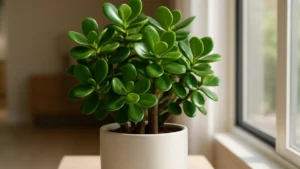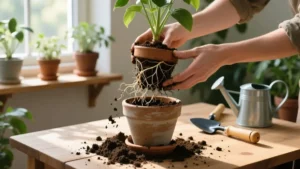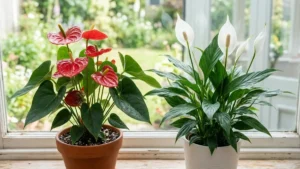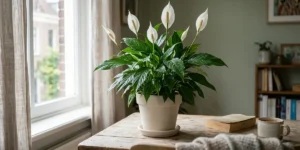
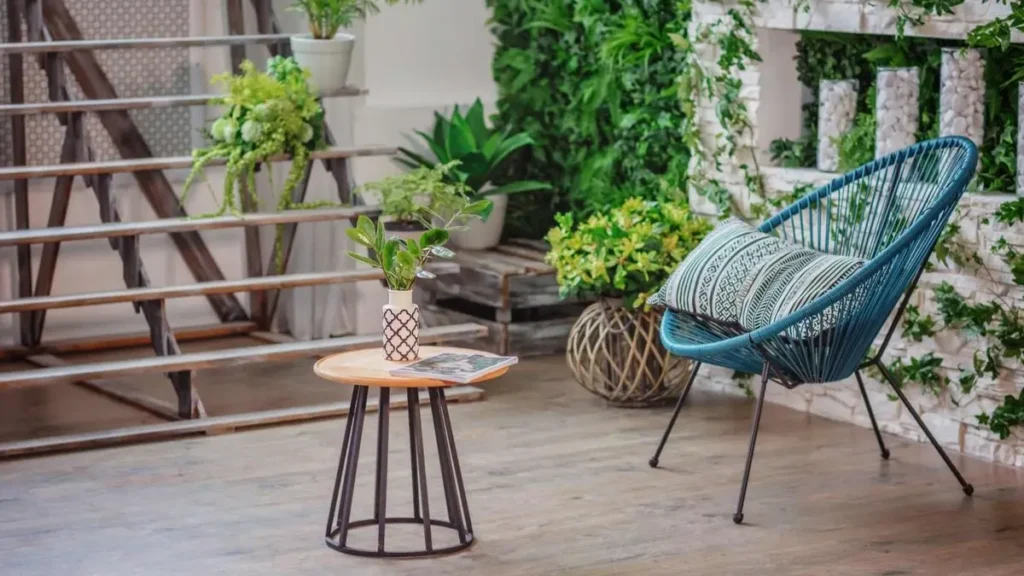
The document highlights the importance of thoughtful indoor plant styling to improve home aesthetics and mood. It emphasizes balancing plant height, texture, and color, while also considering each plant’s biological needs. Professional plant placement starts with understanding natural lighting in the home, ensuring plants receive proper sunlight. Platforms like Peeacelily advocate for transforming living spaces with vibrant plant decor.
If you want to step into a space full of living green plants, your mood instantly improves; however, there is a major difference between just a bunch of random potted plants and indoor plant styling done on purpose.
Designing plants without end, you have to balance aesthetics, height, texture, and color flows all look consistently professional but the biological needs of EACH plant must hinge on maintaining vibrance in every aspect they feel.
With odd plant collections, even plant heights, and containers that match your room’s color palette, you transform your home into a living shelter. Here at Peeacelily, we know that Plant Home Decor is the best way to add some life into your personal space.
The Core Principles of Professional Plant Placement
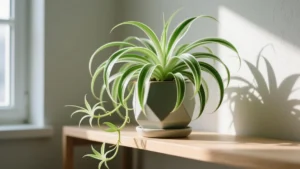
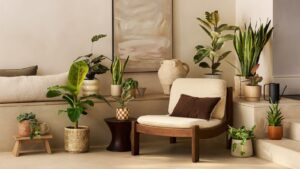
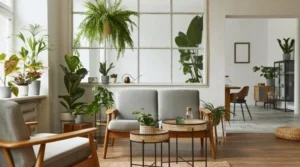
The first step in mastering houseplant interior design is understanding your home lighting situation. Watch the way that sun traverses your rooms before you move even an inch of leaves. A lovely arrangement is short-lived if a light-starved cactus is hidden in a dark nook. The “Rule of Three” is a technique used by professionals for exciting visuals. The first has you clustering three plants that vary in height and shapes of leaves.
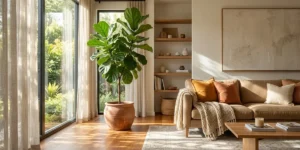
This technique stops the eye from getting bored and it creates a natural flow ollowing throughout. When you pick plants to use like home decor in your living room or bedroom, consider reading the plants as sculptural elements that live. They should work well with your furniture, not hide it. This could be as simple as using a large Fiddle Leaf Fig to soften the edge of a tall bookshelf or utilizing a trailing Pothos to give added movement over the top of your mantel.
Creating Depth with Height and Levels
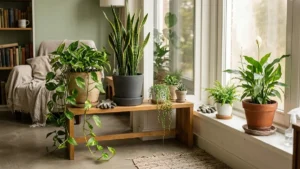
The most common houseplant interior design beginner mistake is to put all the plants on the floor, or in the same side-table. This forms a flat, boring stink an “horizon line.” If you want a competitive edge in indoor plant styling, just use vertical space. Draw the eye upward by using plant stands, hanging planters, and wall-mounted brackets.
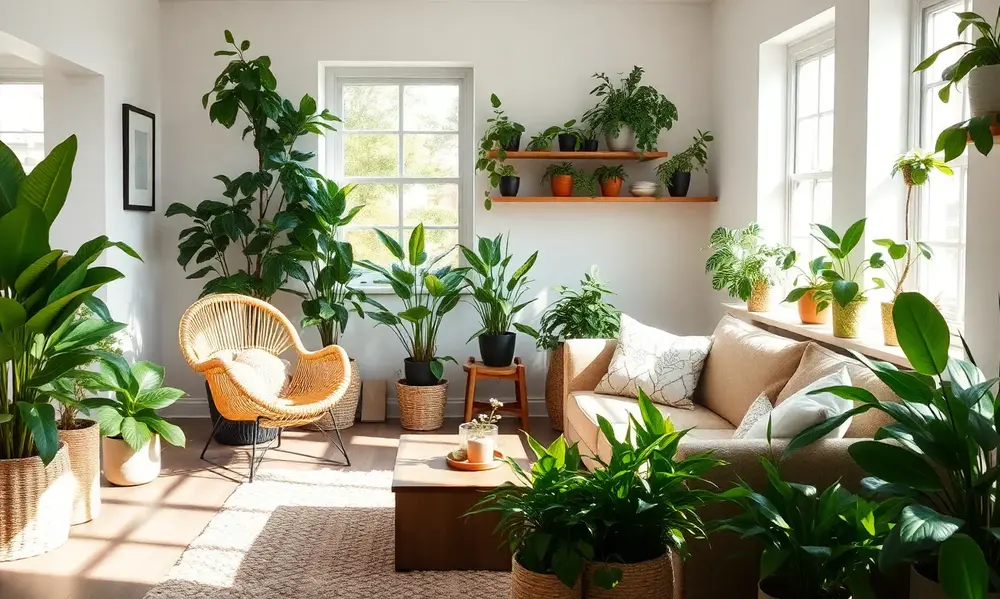
Using these various levels ensures that your plant home decor feels immersive. At Peeacelily, we suggest using “bench-style” seating or vintage ladders to create a tiered display that maximizes space without looking cluttered.
Playing with Texture and Color Contrast
Not all green is the same. One of the main principles in professional indoor plant styling is how appealing the foliage looks. I think there are leaves that are matte and fuzzy, and others that are glossy and waxy. Blending these textures creates an elegant glamour. For example, contrast the soft, feathery fronds of a Boston Fern against the thick, structural leaves of a Rubber Tree.
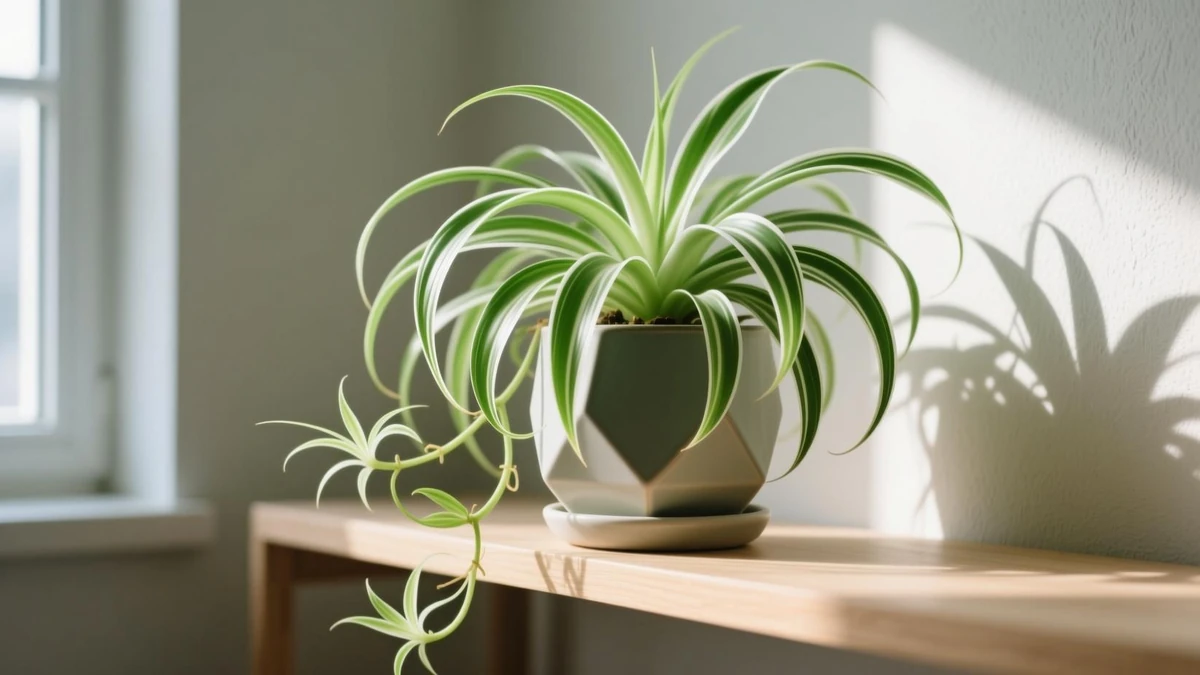
Color is another powerful tool. Although green is the most common hue, lots of indoor flora offer variegation—splashes of white, cream, pink or neon yellow. Variegated plants help to create organic accents which add variety in your plant home decor. Marble Queen Pothos or Pink Princess Philodendron act to displace the dark green sea and catch light as organic art.
Choosing the Right Vessels for Your Brand
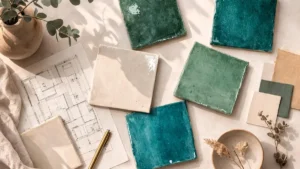
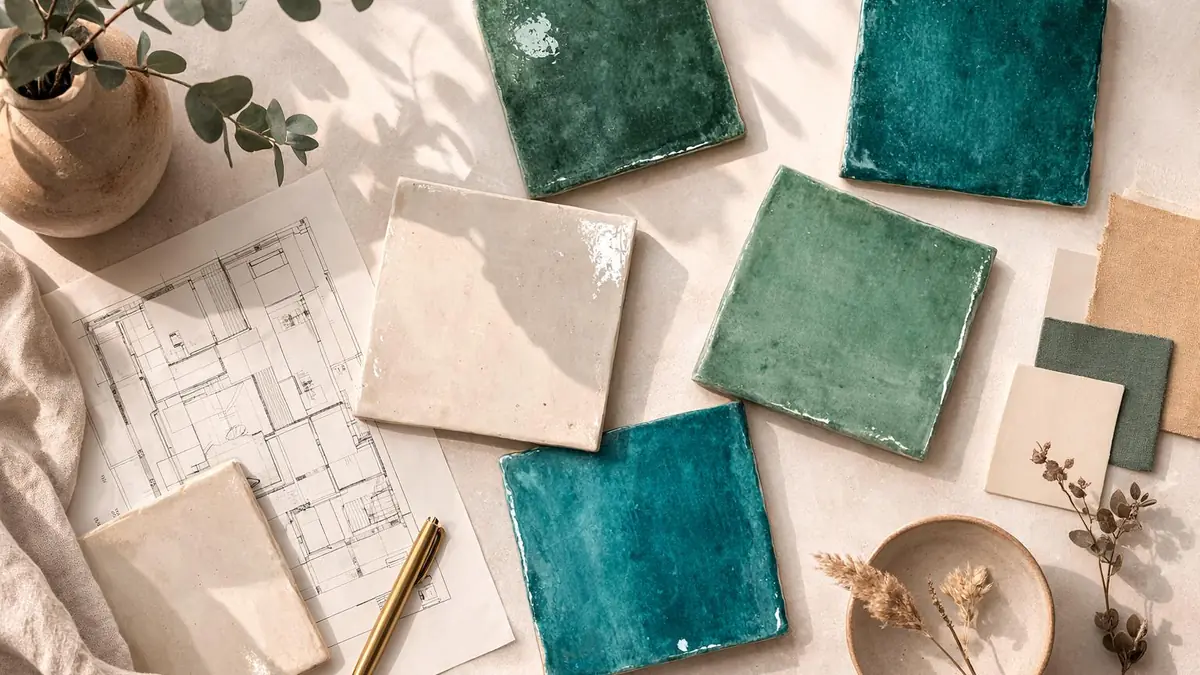
The pot is as much part of the plant Keep your containers within a common theme to help maintain that “pro” look. It does not imply every pot has to be the same, however they should feel connected, whether through material or colour palette. Terracotta has an earthy, rustic feel compared to the modern, sleek look of matte black ceramic.
At Peeacelily we frequently advocate because of our horticultural users to make use of “cachepots” — decorative outer pots that conceal the practical plastic nursery pot within. This gives you the option to replace your decor more easily without putting the plant under stress of continuously being repotted. A secret weapon in your indoor plant styling is consistency with your vessels. Because the pots appear cohesive, the many shapes of the plants itself can stand out rather than look unruly and messy.
Creating Depth with Height and Levels
The most common beginner mistake is to put all the plants on the floor, or in the same side-table. This forms a flat, boring stink an “horizon line.” If you want a competitive edge in indoor plant styling, just use vertical space. Draw the eye upward by using plant stands, hanging planters, and wall-mounted brackets.
| Level | Styling Element | Best Plant Examples |
| High | Ceiling Hooks / Tall Shelves | String of Hearts, Heartleaf Philodendron |
| Mid | Side Tables / Plant Stands | Snake Plants, Monstera Deliciosa |
| Low | Floor Pots / Large Baskets | Bird of Paradise, Rubber Tree |
| Accent | Wall Planters / Sconces | Air Plants, Staghorn Ferns |
The Art of the “Living” Gallery Wall
Why stop at framed photos? The living gallery wall is a quick way to execute indoor plant styling. A bare wall can be transformed into a masterpiece using wall-mounted planters or modular “green wall” systems. This is particularly useful in a small apartment where floor space comes at a premium.
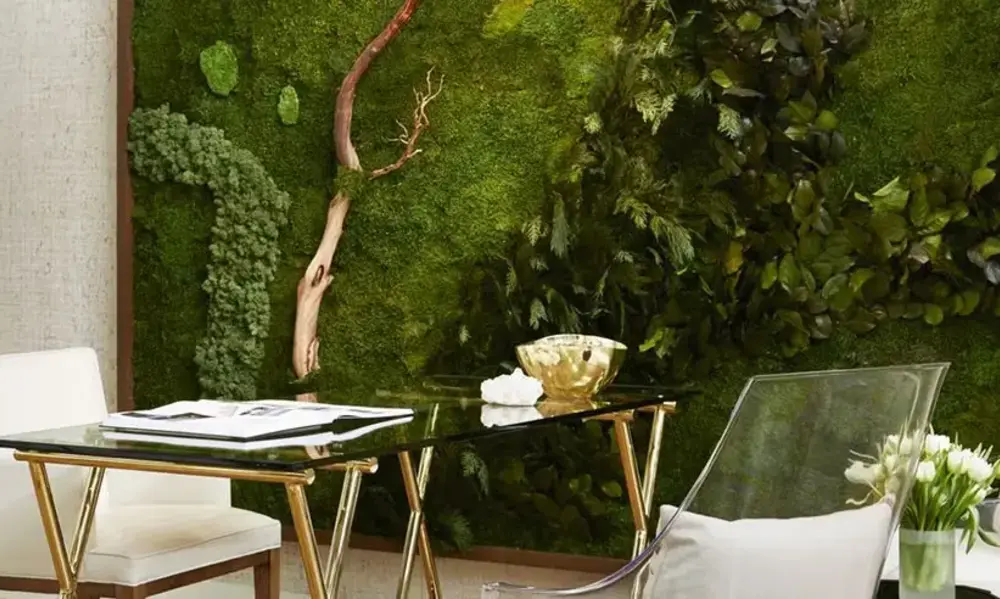
Plant other species with similar light requirements so your wall thrives. The blend of trailing vines and vegetation describes a layered coverage — much the same as jungle canopy might. This is by far the best way to plant home decor our vision of Peeacelily, which transfigures a functional space into an architectural signature that purifies the air and looks astonishing too.
Seasonal Styling and Maintenance
Styling an indoor plant is no “set it and forget it” task. The light is also changeable as seasons come and go. During the winter, you will want to adjust your arrangements so they are closer to the windows. In summer, you may need to wrap them back to prevent leaf scorch. A professional stylist is always in sync with the requirements of the greens.
- Dusting: Wipe leaves regularly with a damp cloth to keep them shiny and healthy.
- Pruning: Don’t be afraid to snip off yellow leaves or leggy stems to maintain the plant’s shape.
- Rotation: Turn your pots 90 degrees every week so the plant grows evenly rather than leaning toward the light.
- Grouping: Grouping plants together increases local humidity, which helps them thrive in dry indoor environments.
Minimalism vs. Maximalism in Plant Decor
When it comes to styling plants inside your home, let your style decide. Or if you want to go really simple, pick one or two “statement” plants (ie. large and in-charge Dracaena, or a maze-ish Olive Tree) Allot enough negative space around these pieces that they are able to breathe. Which emphasizes their shape and turns them into an intentional element rather than an afterthought.
On the contrary, “Jungalow” or maximalist aesthetics welcome the more-is-more approach. It means using every crevice and cranny for plants of all sizes.
The key to holding this vibe “pro” is to still keep it organized. Keeping your plant home decor in the same material family, all-natural fibers, or all-white ceramic, helps tie off those trips to the garden center so they feel less like a rainforest and more like a curated collection.
Creating a Mood with Scent and Sound
At Peeacelily, we believe styling should be a multi-sensory journey. Indoor plant styling is visual purely, but the atmosphere can also be enriched by aromatic plants such as Eucalyptus, Lavender or Mint. It will add a subtle, natural scent to your home and can be placed near entryways or seating areas.
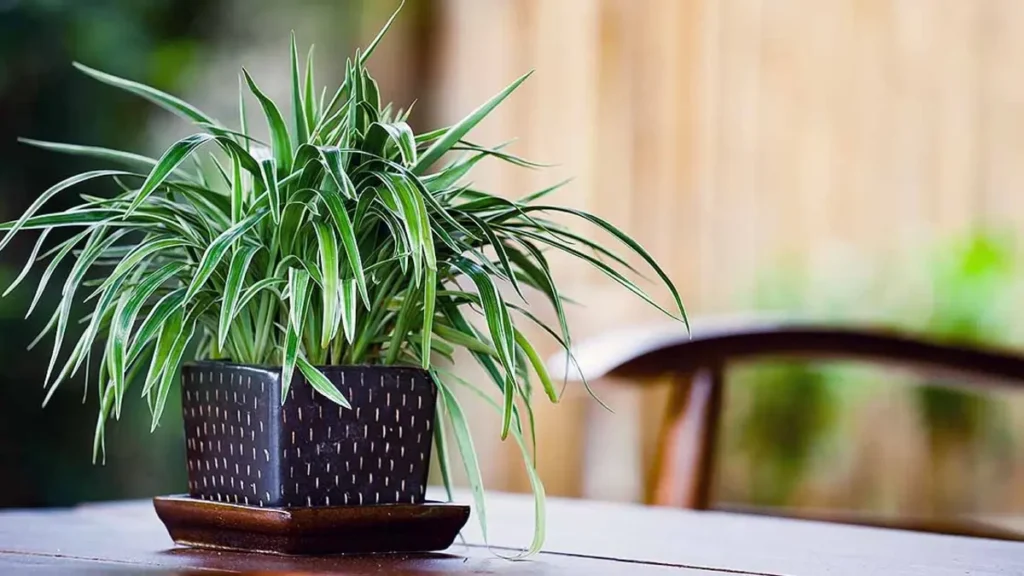
Also the movement of wind during days blowing through your foliage or perhaps the sound only water makes in a little indoor drinking fountain with positioned amidst your grow facilities can make a peaceful “spa-like” surrounding.
This all-encompassing decision for plant dwelling decorative accessories renders your house not only a great place that looks good in photographs, but also creates stability making it feel perfect to dwell in every day.
The Future of Living Interior Design
The trend toward “biophilic design” is only growing stronger as we progress into 2026. We do not settle with a lonely succulent in your desk anymore. They want integrated green systems. Smart planters that can monitor moisture levels, integrated lighting for the indoors that works as a grow lamp, are all sophisticated styling of indoor plants.
This type of evolution enables us to store increasingly rare and exotic plants in spaces that have previously been too dark or dry. Peeacelily continues to explore the new pathways of innovation in this space for plants home decor, so that your style is also supported by science right from the start. – This serves as the heart on your home & grows with you, keeping you connected to nature.
Conclusion
Creating indoor plant arrangements is a process of trial and error. This is about more than just aesthetics; it’s about forming an interdependent web between your home and the natural environment.
When it comes to plants, a little design principle goes a long way: consider height and texture and “plant home decor” will help make even the most basic room look like professional interior design. Happy styling! Visit peeacelily.com for more!
FAQs
How to combine plants in a small apartment?
Focus on vertical space. Hang planters and floating shelves, and go for tall, narrow plants like Snake Plants or Topiary trees to have greenery without making your floor do a luxury job.
What are the best plants for low-light styling?
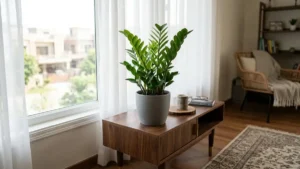
In addition, ZZ Plants, Pothos and Sansevieria (Snake Plants) is the gold standard of low-light spaces. Even in an out-of-window corner they keep their structure beauty.
Should I use real or faux plants for home decor?
Another disadvantage of real plants is that although they purify the air, they do not bring freshness and growth, which is the centre idea of Peeacelily. For unreachable areas or windowless bathrooms, quality faux plants work too for keeping the aesthetic alive.
How do I select a plant that makes a “statement”?
You want something with height (4-5 ft or more), and a different leaf structure would be preferable. Classic options like a Monstera Deliciosa or a Fiddle Leaf Fig, serve as the centerpiece of any room.
Do plants change your mind about mental health?
Yes, research has shown that biophilic design is effective at lowering cortisol levels and increasing focus and creativity in home environments, too.