The blog promotes upcycled planters as a sustainable and artistic way to create unique plant homes. By repurposing everyday items like tin cans or glass jars, you can build DIY terrariums or vertical herb gardens while reducing waste and saving money. It emphasizes the environmental benefits of upcycling, particularly in lowering carbon footprints and preventing non-biodegradable waste. Platforms like Peeacelily encourage this creative approach to sustainability.
Transforming trash into treasure is no longer a trend but rather a part of how you make your house feel like a home without giving up on sustainability.
You love living sustainably, yet you want an artistic way to express yourself, look no further than these upcycled planters, where everyday items such as tin cans or glass jars can be transformed into a cozy home for your plant.
It is a sustainable method to reduce waste while saving money, they are acceptable from building your DIY terrarium or even a vertical herb garden. At Peeacelily we think every plant deserves a home that is as unique or even more than the shape and texture of its leaves, preferably, with these DIY projects!
Why Choose Upcycled Planters for Your Home?
The immediate environmental advantages of choosing to make your own upcycled planters instead of buying a plastic planter from a big box store. It first and foremost lowers your carbon footprint by preventing non-biodegradable rubbish from ending up in landfill. You can also use homemade plant pots.
Secondly, it gives you a room for full personalization. You can use paint or distress them, you can be cute decorative with these containers to garnish your style that is appropriate for your room interior design.
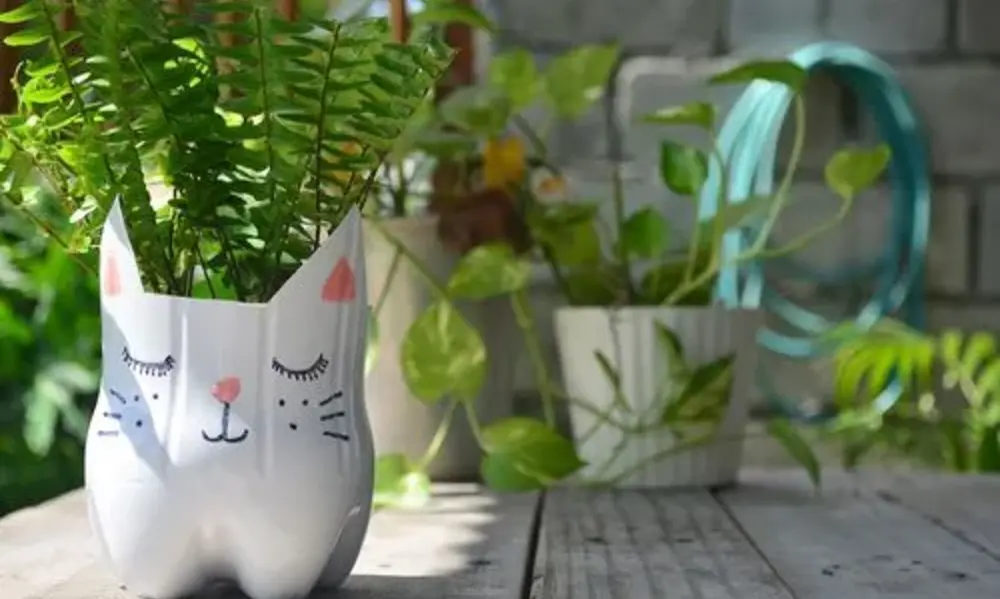
As far as the health of plants is concerned many vintage items (like colanders or wooden crates) imbibe the perfect natural drainage. As you delve into the world of DIY gardening, do not simply cultivate plants, Curate a narrative. At Peeacelily, no cracked teapot or weathered ladder is just a gentle adornment; the garden resembles a living gallery of life stories at play.
The Art of the DIY Terrarium: Miniature Worlds
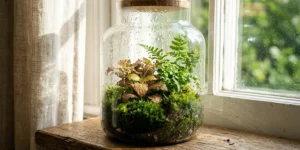
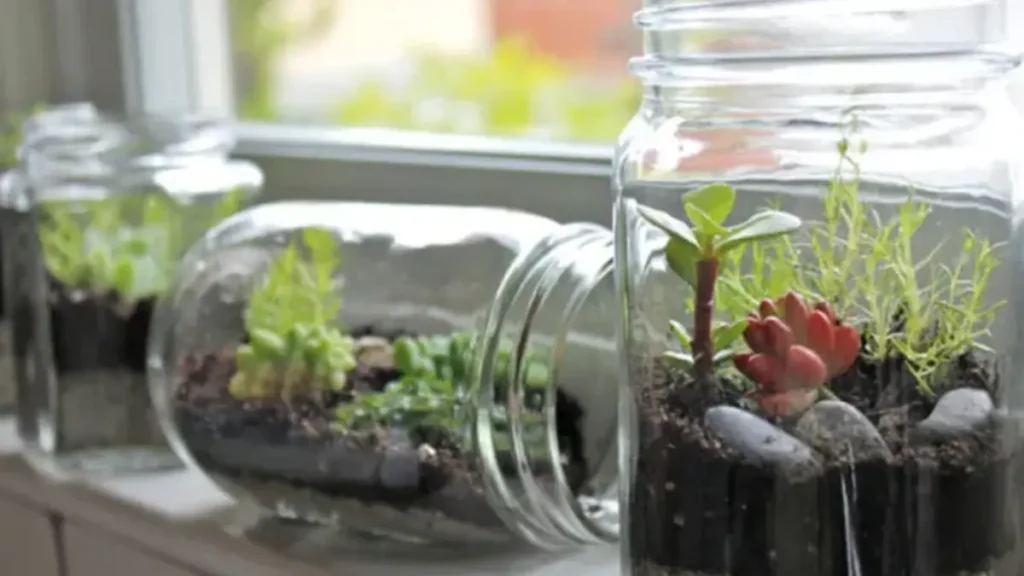
Turning an old glassware into a DIY terrarium is one of the most physically rewarding ways to put your upcycling skills into practice if you have some old glassware lying around. You can put the tiny ecosystem into glass jars, fishbowls, big light bulbs.
The key is layering. Start with a base of pebbles, which helps with drainage, followed by a layer of activated charcoal to keep the water clean and fresh and finally top it all off with some good potting soil.
DIY terrarium are best for slow-growing indoor plants that love humidity such as mosses, ferns or fittonias. Since many of these containers are self-contained, they recycle their own moisture and make for almost fool-proof choices if you’re a busy plant parent.
Here at Peeacelily, we frequently recommend the use of glass apothecary jars if you desire a vintage-tastic, classy appearance that accentuates the stylistic details in your micro-scenario.
The Art of the DIY Terrarium: Miniature Worlds
The kitchen is probably the best place to look for usable upcycled planters. If you’re about to throw away your used olive oil tins or pasta sauce jars, hold on a minute. Cleaned and sanded tin cans provides a cool metal look. Drill holes in the bottom for drainage and paint them pastel colors to liven up a windowsill.
| Item Type | Best Plant Match | Preparation Tip |
| Colanders | Hanging Ivy or Strawberries | No extra drainage needed; just add a liner. |
| Tea Tins | Succulents or Cacti | Drill 3 small holes in the base to prevent rot. |
| Mason Jars | Herbs (Mint, Basil) | Use a layer of pebbles at the bottom for drainage. |
| Wine Bottles | Propagation Cuttings | Clean thoroughly; use a glass cutter for horizontal planters. |
Breathing New Life into Old Furniture
And on occasion, the ultimate upcycled planters aren’t little jars from your kitchen — but SO MUCH MORE. This is especially stunning if you stagger out the drawers of an old dresser and have trailing plants like Pothos or String of Pearls “waterfall” over the drawers! Peeacelily _ much loves when vintage wooden chairs are stripped of their seats and show-cased with comfy coco-fiber liners filled with seasonal blooms.
If you are using wood it is important to protect the material from moisture. If using unpainted wood, it can be coated with a non-toxic sealant or alternatively keep the wood liner covered with a plastic sheet to prevent rot from forming over time.
With this method, you will be showcasing a piece of furniture that has already been thrown to the wayside but that can now magically become the centerpiece of your patio or sunroom as well, marrying both sides of indoors and out.
Whimsical Garden Decor with Footwear and Accessories
It may sound a little kooky but, used rain boots or work boots leather make some excellent upcycled planters! They bring a bit of folkarty whimsy and cottagecore aesthetic to every yard. Another reason that boots are used is they are deep and work great for larger rooting plants. Fill the toe with rocks to hold the boot upright and then fill with soil as usual.
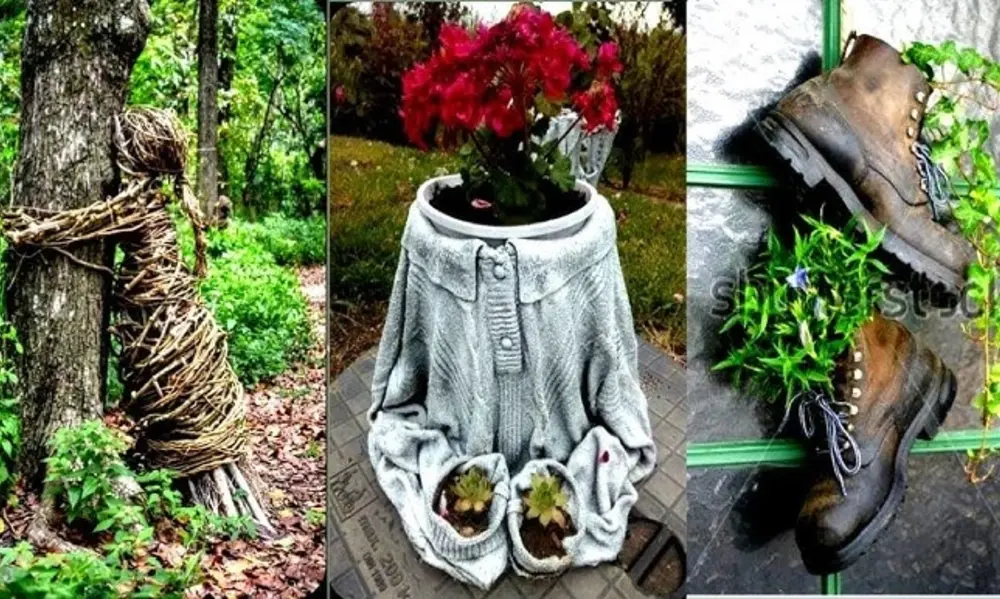
You can also make use of woven baskets and vintage handbags. A wicker basket with a plastic lining is an elegant, airy house for a fern. These textures create a beautiful contrast with the organic billowing shapes of the leaves, one of Peeacelily’s philosophies. When you begin to examine your closet with a “green lens,” an abundance of vessels available for second lives will emerge.
Mastering the Desert Aesthetic: Succulent Upcycling
Succulents are the upcycling best friends with minimal soil and water needs. Which means you can even go for shallow pieces such as vintage luggage, typewriters or even old books. For a planter version of a book, you should carve out some pages in the center, line with plastic, and put in some Echeveria.
This is all the more advice friendly for newcomers: make a succulent DIY terrarium. Because succulent plants like dry air, prefer an open-topped glass rather than a closed one. It encourages airflow and eliminates the “steaming” that wipes out desert plants. Those little desktop gardens are great for desks or coffee tables, introducing nature into your work space.
Vertical Gardening with Repurposed Materials
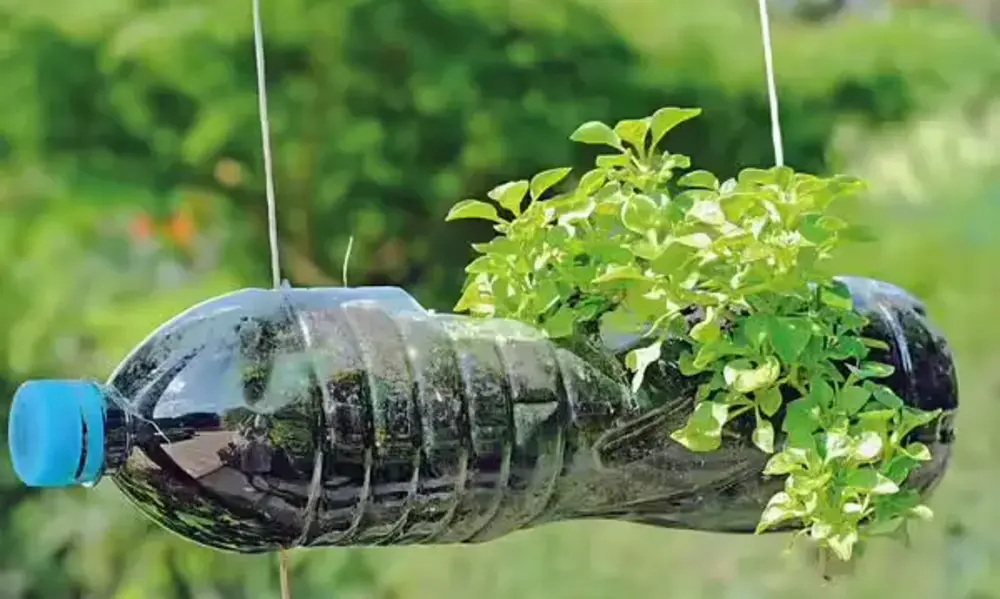
Think vertical if you have limited floor space. Used wooden pallets can even be sanded down and lined with landscape fabric to create a vertical garden. You can cut plastic soda bottles in half and string them up to form a better home for small herbs. These upcycled planters makegreat use of vertical space, transforming an empty wall into a green tapestry.
We promote vertical gardening at Peeacelily because it improves airflow around the plants, potentially decreasing pest pressure and mold growth. Not to mention, it keeps your plants out of reach from curious pets or toddlers. Transform functional into fantastic with colorful spray paints on these vertical containers, and without the cost of downing the whole garden for a revitalization.
Essential Tips for Upcycling Success
You have all the fun with upcycling, but there are a few technical laws you need to obey for your plants live. The biggest one is not considering drainage. If roots are sitting in excess moisture, they will rot and a hole allows the excess water to flow out.
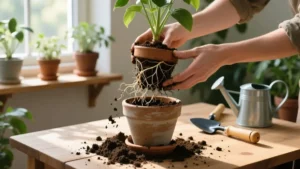
If you cannot get a hole into the material (e.g., with a thin ceramic bowl), make it a so-called cache-po, leave the plant in its standard low-cost plastic nursery pot and simply insert it in the decorative upcycled container.
- Wash Properly: Always wash containers with mild soap to remove food waste or contaminates.
- Blunt the Edges: Use sand paper to take the edge off any sharp edges if you are working with cut metal or glass.
- Size Counts: Make sure your pot is heavy enough that when the plant outgrows it, which will happen sooner than later, it does not fall over.
- No Toxic Materials: Avoid using treated wood or containers that contained toxic chemicals to raise edible herbs.
The Sustainable Future of Peeacelily
Our mission at Peeacelily is to make gardening accessible and sustainable for everyone. We believe that you don’t need an expensive budget to have a beautiful home filled with life. By utilizing upcycled planters, you are participating in a circular economy that values creativity over consumption. Every time you choose to build a DIY terrarium instead of buying a mass-produced one, you are making a statement about the kind of world you want to live in.
Conclusion
Creating upcycled planters is a journey of discovery. It forces you to look at the world differently—not as a collection of disposable objects, but as a series of opportunities for growth. Whether it’s a sophisticated DIY terrarium on your mantle or a row of quirky tin cans on your porch, these projects bring a sense of accomplishment that store-bought items simply can’t match.
At Peeacelily, we are excited to see what you create. Start small, experiment with different textures, and remember that there are no mistakes in gardening, only learning experiences. By repurposing what you already have, you’re not just growing a garden; you’re cultivating a more sustainable and beautiful lifestyle. Happy planting!
FAQs
What are the best materials for upcycled planters?
Materials like ceramic, glass, untreated wood, and metal are excellent. Just ensure you can either provide drainage holes or manage water carefully to avoid root rot.
How do I prevent my DIY terrarium from getting moldy?
Avoid overwatering. If you see heavy condensation on the glass, leave the lid off for a few hours. Including a layer of activated charcoal also helps filter the air and water inside.
Can I grow vegetables in upcycled containers?
Yes! Large items like 5-gallon buckets, wooden crates, or old sinks are perfect for tomatoes, peppers, and leafy greens. Just ensure the material is food-safe.
Is it hard to drill holes in ceramic or glass for planters?
It requires a bit of patience and the right equipment. You will need a diamond-tipped drill bit and a bit of water to keep the surface cool while drilling slowly.
How often should I water plants in small upcycled containers?
Small containers dry out faster than large ones. Check the soil moisture every few days by sticking your finger an inch deep into the soil; if it feels dry, it’s time to water.