AI Summary:
Your plants may look all right, but be starving. The first indications of this are yellow leaves, stunted growth or weak growing stems. It is possible to revive your plants in a short time by detecting these symptoms and applying the appropriate fertilizer.
Introduction
You are watering your plants. You provide them with sunlight. You even speak to them at times. Yet, something is not right. But still… something feels off. Leaves look dull. Growth is slow. Colors are fading.
It is in this that the majority of people get lost. They believe that the plant is okay since it is not dying yet, in the real sense, the plant is starving. One of the most crucial aspects of plant care is to know when plants require fertilizer. Without these signs, your plant can live, but will never flourish. We will simplify it to make it easy to identify , the signs plants need fertilizer.
Why Plants “Starve” Even When You Care for Them
Let us comprehend one thing before we dive into plant food deficiency symptoms. Plants do not only require water and sunlight. They require also soil nutrients- as humans do.
With time, the soil becomes depleted of nutrients due to:
- They are still being absorbed by plants.
- They are washed away by watering.
- Indoor soil isn’t naturally replenished
Therefore, it might be that everything might be all right at the surface level, but still your plant might be struggling with plant food deficiency symptoms.
Sign 1: Yellow Leaves That Don’t Recover
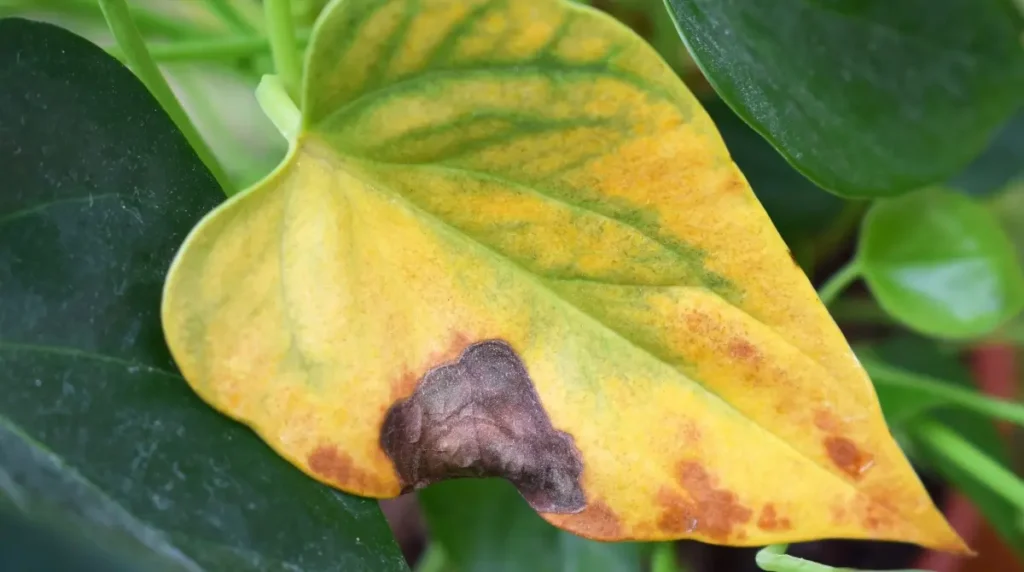
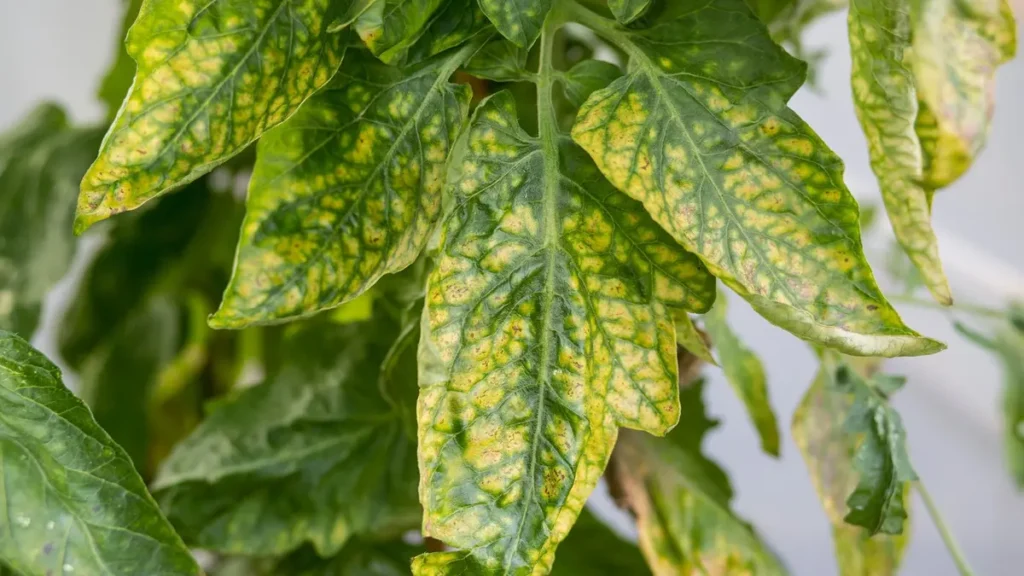
This is among the most prevalent symptoms of deficiency of plant food. When you observe color change of leaves (yellowing), particularly older leaves, your plant is probably deficient in nitrogen.
Initially, individuals believe that it is overwatering. The difference here is:
- Overwatered- leaves are mushy and soft.
- Deficiency of nutrients → leaves become pale yellow, yet firm.
This is due to the fact that nitrogen is needed to produce green color (chlorophyll). In its absence, leaves are deprived of their richness.
How to Fix It
Begin with a balanced fertilizer which contains nitrogen. Use it as advised and do not overdo. In several weeks, you will see new leaves emerging and becoming greener and healthier.
Sign 2: Slowed or retarded Growth.
Your plant is living but not growing. No new leaves. No height increase. No visible progress. It is a clear indication of deficiency of nutrients in plants particularly deficiency of phosphorus.
Phosphorus helps in:
- root development
- energy transfer
- overall growth
In its absence, your plant is virtually held up.
How to Fix It
Apply a fertilizer promoting root and growth. When your plant has not been fertilized in months, then you need to start gradual and make a habit. Remember to keep your plant in the appropriate size pot as well-roots require room to flourish.
Sign 3: Leaves Losing Color or Looking Pale
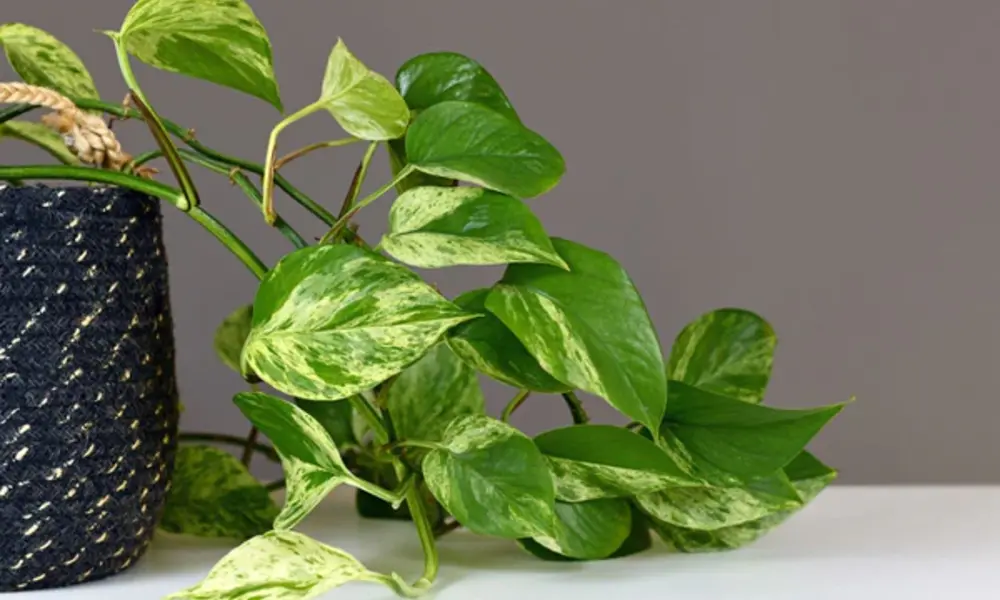
Leaves do not always become yellow all the way through–they lose their bright green. They appear pale, faded or rather drained.
This frequently indicates the nutrient deficiency plants such as:
- magnesium
- iron
Such nutrients preserve good leaf color and functioning.
How to Fix It
Find a fertilizer that contains micronutrients (not only NPK). These are already incorporated in many indoor plant fertilizers. Liquid fertilizers can also be used to absorb more quickly.
Sign 4: Flimsy Stems and Drooping Leaves
When your plant is weak, bends easily or fails to support itself, it might not be receiving sufficient potassium.
Potassium plays a role in:
- strong stems
- water regulation
- overall plant strength
Without it, the plants appear fatigued and unsteady- even when they are watered adequately.
How to Fix It
Replace with a more balanced fertilizer with potassium. The stems will grow stronger and leaves will be better structured with time.
Sign 5: Brown Edges or Burnt Leaf Tips.
This is a delicate one as people always have the impression that brown tips imply that one has put in too much fertilizer.
Well, in some instances that is true- but in most instances it is in fact a deficiency of such nutrients as potassium or intermittent feeding. Brown edges may indicate that your plant is not getting the right balance of nutrients.
How to Fix It
First, review your watering schedule. Then implement a regular feeding program rather than ad hoc feeding. Regularity is more important than frequency.
How to Fertilize Indoor Plants the Right Way
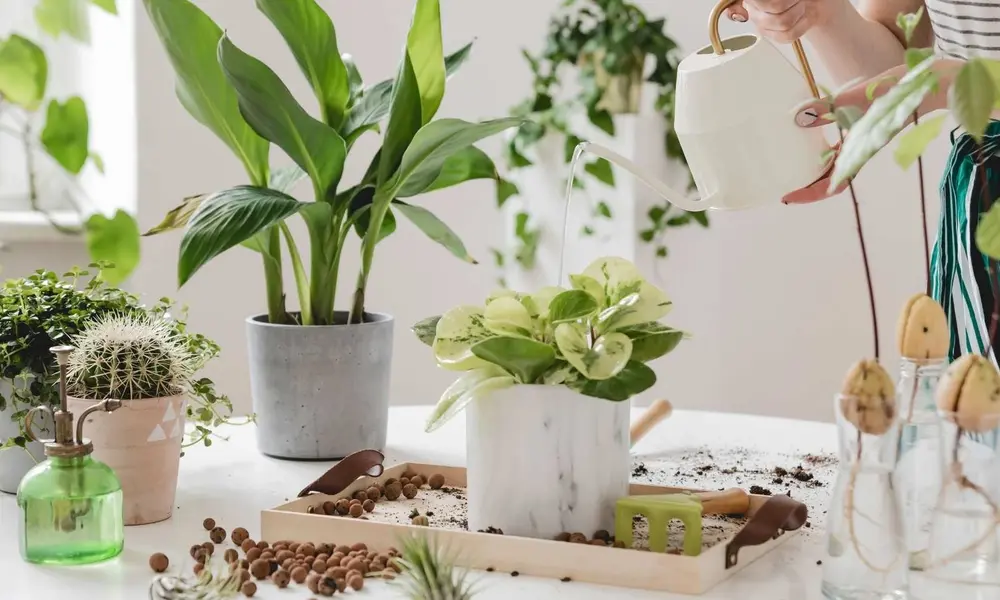
Now that you know what plants require in order to grow, the second thing is to do it right. Most individuals over-fertilize or do not fertilize at all- this is an issue. The following is an easy method of how to fertilize indoor plants.
The first step is to choose an indoor plant fertilizer. General use All-purpose fertilizers (including 10-10-10 or 20-20-20) are all useful. Fertilizer can be applied when the plants are in the growing season (spring and summer), when they are actively in need of nutrients.
Do not over fertilize. The majority of the indoor plants usually require watering once in 2-4 weeks. Always make sure to water your plant followed by adding fertilizer. This will eliminate root burn and enable nutrients to be absorbed more easily.
Choosing the Best Fertilizer Indoor Plants
The varieties of fertilizers in the market are various and the selection of best fertilizer indoor plants is a huge difference.
| Type | Best For |
|---|---|
| Liquid fertilizer | Quick results, easy absorption |
| Slow-release fertilizer | Long-term feeding |
| Organic fertilizer | Natural growth and soil health |
Liquid fertilizer is usually the simplest to apply and manage, particularly when you are a novice.
Common Mistakes That Make Things Worse
Even the best intentions can delay recovery of your plant even with small mistakes. Over fertilizing is one of the common mistakes. The more fertilizer, the less growth–fertilizer may even damage roots. The other error is neglecting the soil. When soil is either too aged or compacted, the nutrients will be unable to reach roots.
Fertilizing stressed plants on the spot is also not advisable. Fix it first in case your plant is already weak because of overwatering or because of a lack of light.
A Simple Routine to Keep Your Plants Healthy
Rather than responding to issues, it is preferable to avoid them. Inspect your plants. Examine leaf color, growth and general appearance. Water your plants sparingly, but regularly, throughout the growing season. Water or change soil when necessary.
By this means your plant will never get to the starving stage.
Conclusion
Plants do not simply become unhealthy but they give some little tips at first. Knowing how to recognize signs plants need fertilizer, you are able to rectify problems fast and keep healthy plants. The good news is that most of the issues with nutrients can easily be fixed.
Your plant will no longer be suffering with a little bit of care, the right fertilizer and a regular schedule. Grow healthier, happier plants with simple care tips from peeacelily.com. Your trusted guide for indoor plant care, growth, and nourishment.
FAQs
How do I know whether my houseplants need fertilizer?
In the active spring or summer growth period, observe the retarded growth, yellowing of the leaves or paleness of the leaves, and abnormally small new foliages. Unless your plant has been repotted within six months, and exhibits these symptoms within a good light, it must have used up the nutrients in the soil.
Whom should I request fertilizer for indoor plants?
High-quality indoor plant fertilizers are also sold online by big stores like Amazon and The Home Depot, or indoor plant nurseries like The Sill and Bloomscape. Small, specialty companies like Joyful Dirt or Liquid Dirt that offer convenient, easily usable concentrates are a good option with fast nationwide delivery to obtain a high quality organic or particular nutrient formula.
What would you recommend using as fertilizers in wilting leaves?
As the older, lower leaves are yellowing overall, add a high nitrogen fertilizer, like Miracle-Gro or balanced 10-10-10 NPK to provide the green tissue. When the leaf veins are green and the tissue turns yellow, apply chelated iron or the Epsom salts (magnesium) to treat some form of micronutrient deficiencies.
What type of manure is best for plants that are showing nutrient deficiency signs?
To restore their color and health, a high nitrogen NPK mix or a liquid or water-soluble fertilizer such as Miracle-Gro would be used to quickly regain their color and leaf health. Certain cases of deficiency (between veins becoming yellow) may be treated by the use of certain supplements (e.g. chelated iron or Epsom salts) to correct the micro-nutrient deficiency on the core level.
What are the signals that plants in open garden require fertilizers?
To be able to know about the nutrient requirements at an early stage, monitor poor growth and yellow-coloured lower leaves and pale green lower leaves during the best spring and summer growing seasons. Then when your plants have weak and spindly stems or do not grow a new flower bud with sufficient sunlight, the soil may require a supplement of an additional nutrient.